You're Not Looking for a Printer. You're Looking for a Supplier.
Here's the thing — when you search 'bill book printing near me', you're probably picturing a small local print shop. You get a quote, they run a few copies, you pay. Done. Right?
Not quite.
If you're a procurement manager for a school, or someone ordering corporate diaries, or a wholesaler buying in bulk — you're not looking for a printer. You're looking for a manufacturer. And that's a different world. The difference is in scale, in materials, in durability, and frankly, in headaches avoided later. You need books that won't fall apart after a month of use. You need paper that doesn't bleed ink. You need binding that survives being thrown in a bag every day. That's manufacturing, not just printing.
And honestly? Most people I've spoken to start with the wrong question. They ask 'where' before they ask 'what'. If this sounds like your situation, it might be worth stepping back and looking at the whole process first.
The Manufacturing vs. Printing Gap (And Why It Matters)
Think about it this way. Printing is just putting ink on paper. Manufacturing is sourcing the paper, cutting it, ruling it, binding it, designing the cover, and then printing on it — all at a volume that makes sense for your order. A local printer might do a great job on 50 custom notebooks. But can they handle 5,000? Do they understand the paper GSM you need for smooth pen work? Do they know the difference between stitched binding and perfect binding for a heavy account book?
Probably not.
I've seen businesses get excited about a low quote from a nearby shop, only to find the notebooks arriving with crooked lines, weak spines, and paper that feels like tissue. The real cost isn't the invoice — it's the time wasted, the complaints from staff or students, and the re-order you have to make six months later.
Look, I'll be direct. When you need bill books or notebooks in bulk, 'near me' is helpful for logistics, but it shouldn't be your first filter. Your first filter should be 'can they build this from scratch, reliably, at my scale'?
A Real-Life Snapshot: What 'Near Me' Actually Looks Like
Let's talk about Ravi. He's 42, manages procurement for a chain of coaching centers in Hyderabad. Last quarter, he needed 10,000 200-page account books for student records. He searched 'bill book printing near me', found three local options, got quotes. One was significantly cheaper. He went with it.
The books arrived. The covers were fine. The printing was clear. But within two weeks, teachers started complaining. The pages were tearing at the staples. The ruling was inconsistent — some pages had faint lines, others were too dark. Students struggling to keep neat records. Ravi had to source a temporary batch from another supplier, at a higher cost, while the original order was 'being looked into'. The cheaper quote ended up costing more in time, reputation, and emergency orders.
He told me this over a call — not some formal interview. Just talking. His point wasn't that local printers are bad. His point was that his need wasn't for printing. It was for engineered stationery. And he didn't know how to ask for that.
What You Should Be Looking For (Beyond the Quote)
So if 'bill book printing near me' is your starting point, what should you add to your checklist? Here's what most people don't realize they need to ask.
- Paper Source & GSM: Not just 'good paper'. Ask for the GSM (grams per square meter). For writing, you usually want a 54 GSM or higher — it's sturdy, doesn't ghost, and feels solid. Lower GSM feels flimsy and can bleed.
- Binding Type for the Job: Stitched binding is classic and durable for most notebooks. Spiral binding is great for books that need to lie flat. Perfect binding (like a paperback) is for thicker, prestige items like corporate diaries. Match the binding to the use.
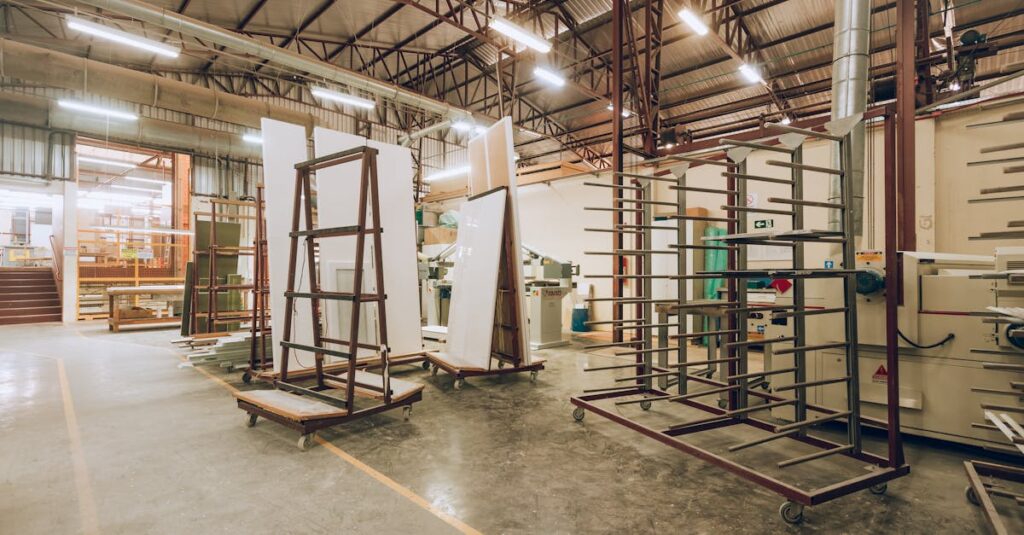
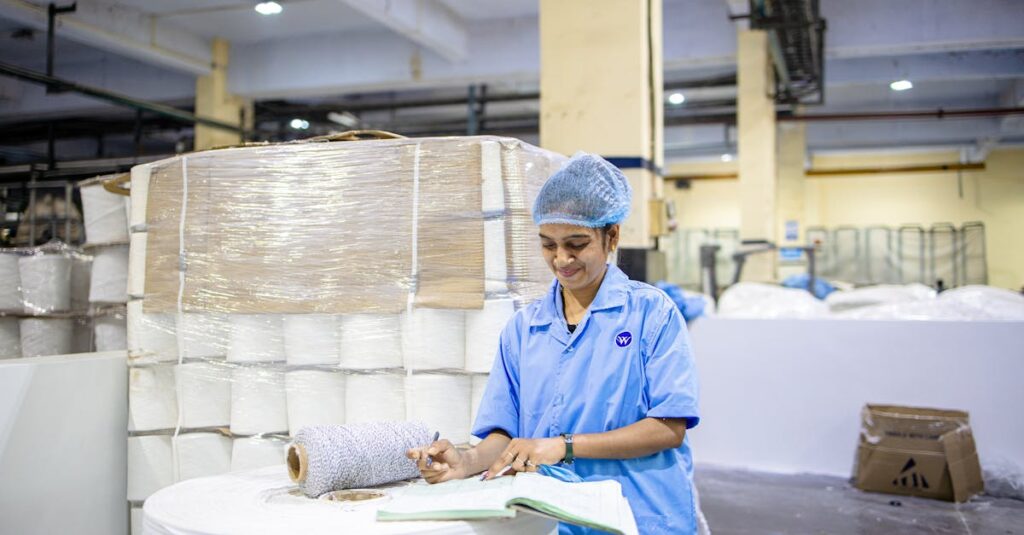
- Production Capacity: Can they handle your volume without outsourcing parts? Ask about daily output. A factory making 30,000-40,000 notebooks a day has the rhythm and systems for your 10,000-order without it being a special project.
- Customization Depth: Printing a logo is one thing. Can they change the ruling? Adjust the page count? Modify the cover material? Offer different page options (like 52, 92, 200, 240 pages)? That's real customization.
The Hidden Costs of 'Local Only'
I think — and I could be wrong — that a lot of buyers lean local for two reasons: faster turnaround and perceived support. Which makes sense. But there's a gap.
Faster turnaround only matters if the product is right. If it's wrong, you're stuck with it longer because you're 'working with them to fix it'. And local support is great if the supplier has the backend to actually support you — like in-house design, quality control labs, and backup stock for paper. Many small printers don't.
Then there's the cost of variability. When you order from a manufacturer, especially one with decades in the game, the product is consistent. Book to book, batch to batch. When you work with a printer who sources paper and binding separately each time, you can get shifts in quality. Paper brightness, ruling alignment, glue strength — these can vary. And for a school or corporate order, consistency is everything. Students and employees should get the same tool.
So the hidden cost isn't just in money. It's in trust. Your teachers, your accountants, your staff trust that the materials you provide work. Once that trust is broken, it's a quiet but long-term problem.
How to Actually Find the Right Supplier (A Practical List)
Okay, so your search starts with 'bill book printing near me'. How do you turn that into a smart buying decision? Here's a step-by-step way to think about it.
First, define your need precisely. Not just '1000 notebooks'. What size? (King size, Long, Short, Account?) What ruling? (Single Ruled, Double Ruled, Unruled?) What page count? (200 pages? 240?) What binding? This clarity cuts through sales talk fast.
Second, use 'near me' as a logistics check, not a capability check. If a manufacturer is further away but can ship reliably and has the capacity, the distance might mean nothing. Modern logistics are good. Ask about their shipping to your area — it's often standardized.
Third, ask for samples of the actual product, not just a print proof. A sample notebook tells you about paper feel, binding strength, ruling quality, and overall finish. A print proof just shows colors.
Fourth, ask about their production line. Do they do ruling in-house? Binding in-house? Cover lamination? The more steps they control, the more consistent the output.
Fifth — and this is the big one — ask about their typical clients. Are they supplying schools? Government institutions? Corporate offices? If yes, they understand bulk, durability, and institutional needs.