So You’re Searching for “Bookbinding Near Me”?
Right. That’s a loaded search. I talk to procurement managers and business owners all the time, and I know exactly where you are. You’re staring at a screen, probably with a quote due, needing 5000 custom diaries for your team or 20,000 notebooks for the new school term. You typed “bookbinding near me” and got a flood of results for local craft shops and a few industrial-looking websites that don’t quite explain what you’re really buying. The anxiety isn’t about the search itself — it’s about trust. You’re trying to hand over a significant chunk of your budget and your brand’s image to a binder you can’t see, for a product your whole organization will use. What you’re actually looking for isn’t a hobbyist. You need a commercial notebook manufacturer who understands the difference between making one beautiful journal and producing ten thousand identical, durable, on-brand notebooks. If that’s where you are, keep reading.
What “Bookbinding” Means When You’re Buying in Bulk
Most people see a finished notebook and think “binding” is just glue or some wire. For a procurement order? It’s the backbone of your entire purchase. Literally. When a craftsperson talks about bookbinding, they mean meticulous stitching, hand-tooled leather, art. Beautiful stuff. But when you’re ordering for a corporation or a school district, “bookbinding” translates to three things: durability, cost-efficiency at scale, and production speed. The goal isn’t to create a singular masterpiece; it’s to create 40,000 identical, functional pieces that survive daily use in a backpack, on a desk, in a warehouse. The binding is what determines if pages fall out after a week or if the book lies flat for easy writing. And look — this is the part nobody says out loud — the cheap quote you get often cuts corners right here, in the binding. That’s where the product fails first.
The Three Main Types of Binding (For Your Order)
You’ll see these terms everywhere. Here’s what they mean for your actual order:
- Stitched Binding (Saddle Stitching): Think of a stapled booklet, but done industrially with thread or wire. This is the workhorse for most school notebooks and short-page count products. It’s cost-effective, lies perfectly flat, and is incredibly strong. For standard 52-page or 92-page notebooks, this is probably what you want. It’s the default for a reason.
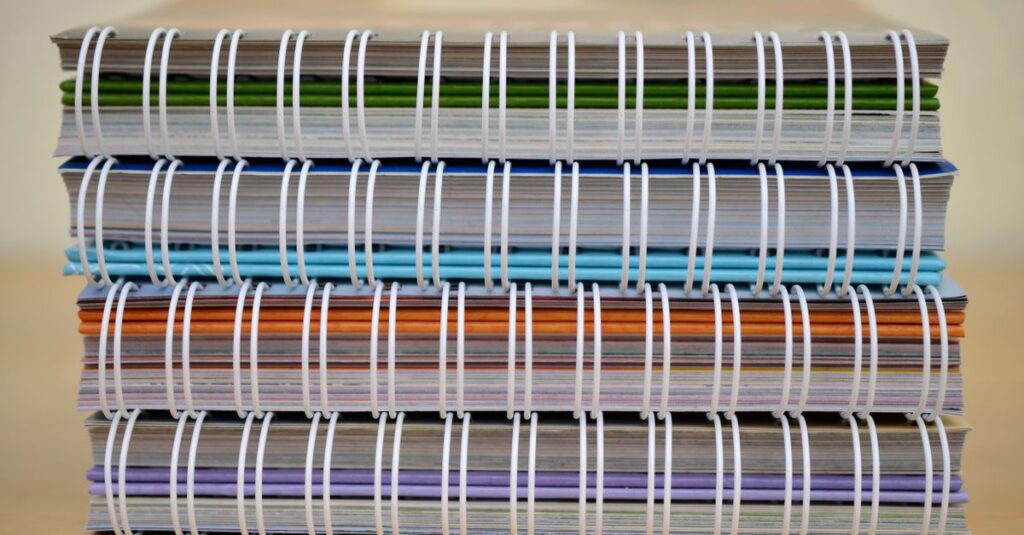
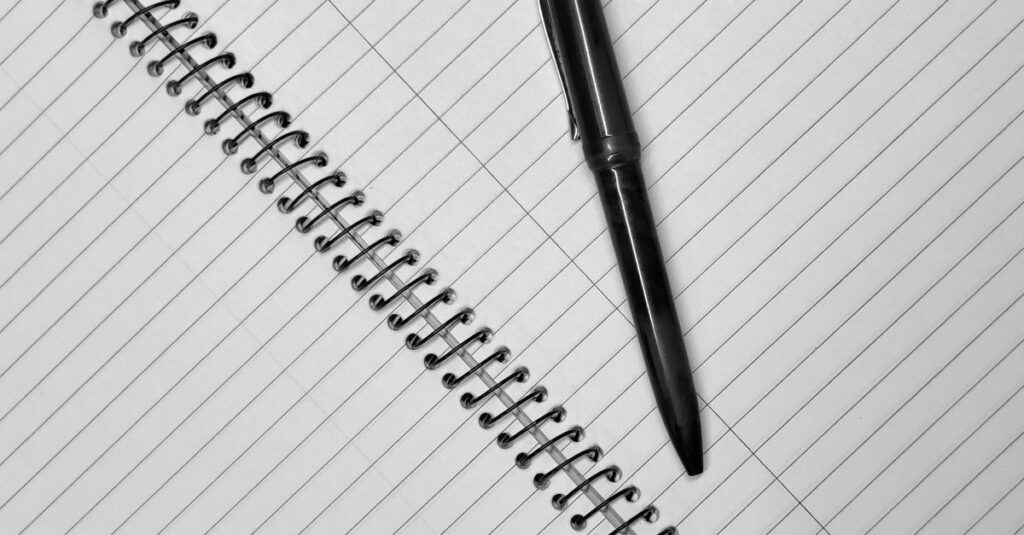
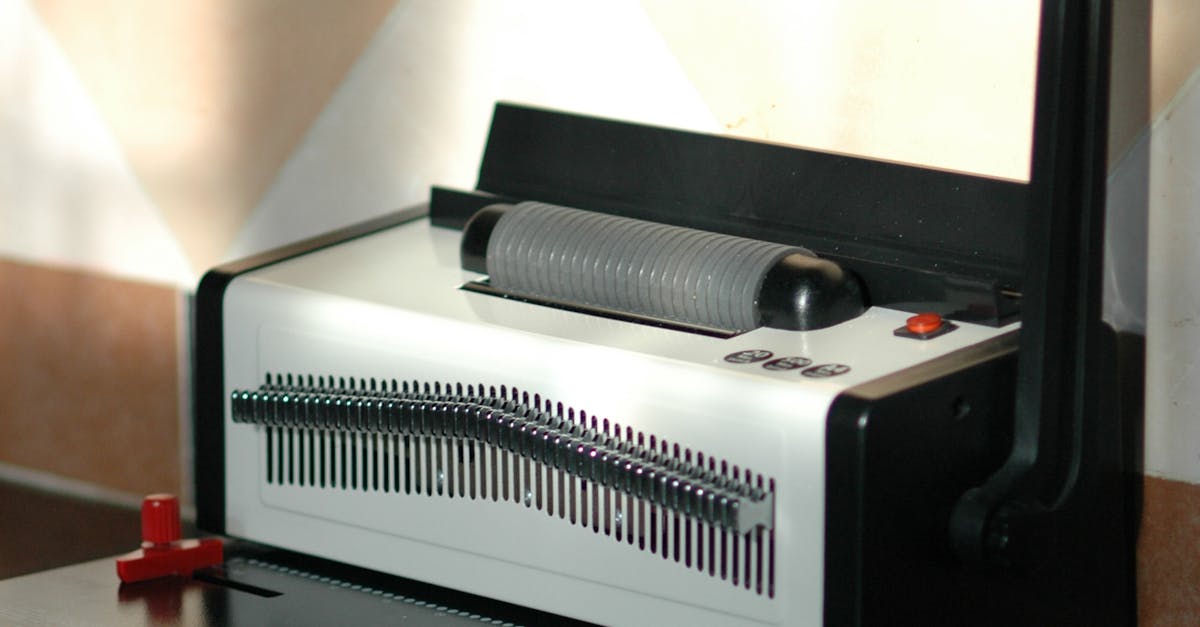
- Spiral Binding (or Wire-O): The plastic coil or metal wire. The biggest pro? It lets the book fold all the way back on itself. Essential for manuals, cookbooks, or anything that needs to stay open hands-free. The con? It’s slightly more expensive per unit and the coils can get bent in transit if not packed well. For corporate training manuals or premium-branded notebooks, it’s a solid choice.
- Perfect Binding: This is what most paperback books use. Pages are glued together at the spine. It gives a very clean, professional look and allows for printing on the spine (think company name, year). Perfect for thick corporate diaries, annual reports, or premium catalogues. The caveat? It doesn’t lie as flat as the other two, and the glue’s quality is everything. A bad perfect binding will crack and shed pages.
Anyway. The choice isn’t about what’s “best.” It’s about what’s best for your specific use case. A student notebook needs to survive being thrown in a bag. A corporate gift diary needs to look prestigious on a desk. The binding is the hinge between those two realities.
The Real Problem With “Near Me” Searches for Bulk Orders
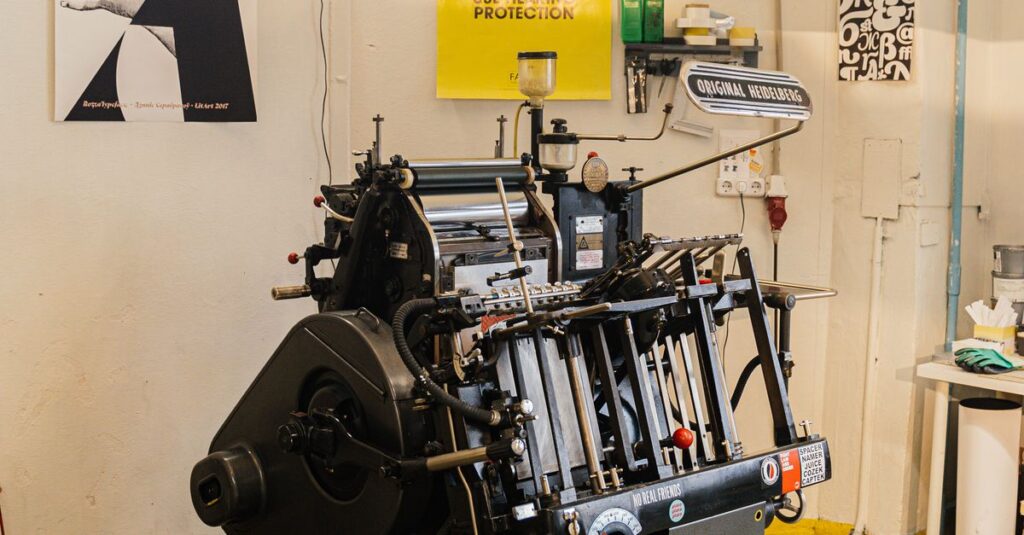
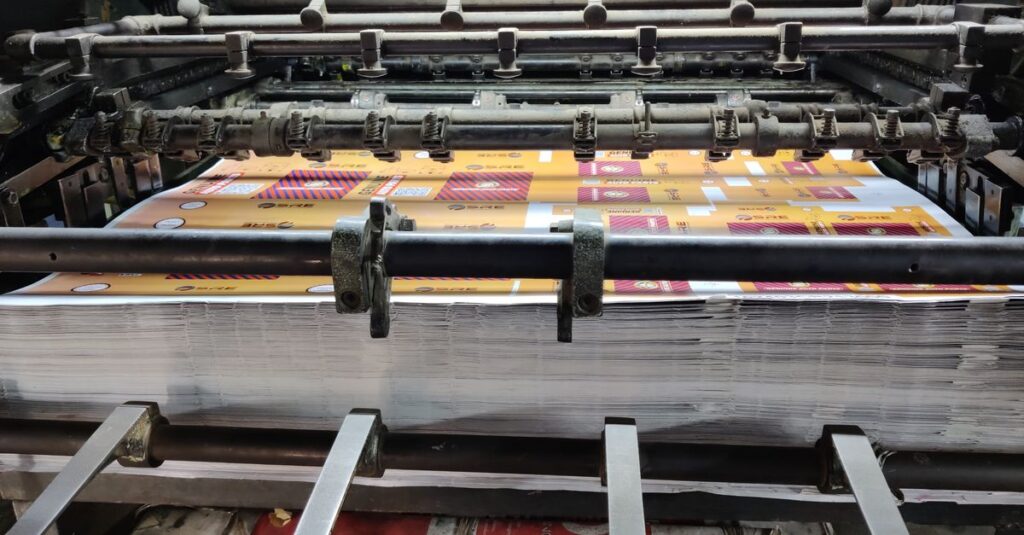
Here’s the thing — and I’m going to be direct. The “near me” part of your search can actually work against you when you’re dealing with institutional quantities. You’re not looking for a local print shop to run 100 copies. You’re looking for a manufacturing partner with the capacity, paper sourcing, and logistics to handle 30,000 units and ship them nationally, or even internationally. The guy down the street with a fancy digital printer and a passion for book arts? He’s brilliant. But he can’t scale to your volume, and his unit cost will be astronomical because he’s buying paper at retail prices. Your goal shifts from “proximity” to “capability.” You need to find someone who lives in the world of truckloads of paper, rotary printing presses that run 24/7, and binding lines that hum with the sound of 10,000 notebooks an hour. That operation might be a few hours away by truck. But that’s okay, because their supply chain is built for that distance. The trust comes from their process, not their postcode. I’ve seen our own factory floor for nearly 40 years, and the rhythm of bulk production is a completely different language.
Expert Insight
I was talking to a procurement manager for a chain of private schools last month. He said something that stuck: “My job is to buy a year’s worth of trust.” He wasn’t buying paper. He was buying the assurance that 5,000 kids wouldn’t have their notebooks fall apart in October, causing a flood of complaints from parents. The binding, the paper weight, the glue — they weren’t line items on a quote. They were insurance policies against operational chaos. And he was right. The most capable manufacturers think exactly like that. The question isn’t “Can you bind this?” It’s “How will this binding hold up under real, messy, daily use for the next eight months?”
What to Actually Look For (Beyond the Search Results)
So you’ve moved past just googling “bookbinding near me.” Good. Now, how do you evaluate? It’s not about the shiniest website. It’s about asking the right questions. Here’s what matters:
- Ask About Their Daily Production Capacity. This tells you if they’re set up for hobby batches or your bulk order. A factory that can produce 40,000 bound notebooks a day is in a different league than a shop that does 500. Your order won’t paralyze their schedule.
- Request Physical Samples. Don’t just look at a PDF. Get the actual notebook in your hands. Try to rip a page out from the binding. Open it flat. Write on it with different pens. Does the ink bleed? Does the spine crack? Your hands will tell you more than any sales brochure.
- Dig Into Their Paper Source. Where does the 54 GSM writing paper come from? Is it consistent? Paper quality fluctuations are the silent killer of a uniform order. A serious manufacturer has long-term relationships with paper mills.
- Understand Their Lead Times Realistically. “Two weeks” for a custom, bulk order with specific branding is usually a red flag. It means they’re overpromising or cutting corners. A realistic timeline accounts for material sourcing, print setup, binding, quality checks, and packing. Rush jobs in manufacturing almost always have a hidden cost in quality.
Three things happen when you skip these questions. You get late deliveries. You get inconsistent quality. You get a headache, honestly, that lasts longer than the notebook itself.
A Quick Comparison: Craft Binder vs. Commercial Manufacturer
Let’s make this crystal clear. This isn’t about one being “better” than the other. It’s about which one is the right tool for your specific job.
| Factor | Local Craft Binder / Print Shop | Commercial Notebook Manufacturer |
|---|---|---|
| Best For | Small batches (1-500 units), bespoke gifts, prototypes, one-off projects. | Bulk orders (1,000+ units), institutional supply, consistent branded goods, annual contracts. |
| Pricing Model | High per-unit cost due to manual processes and retail material costs. | Low per-unit cost due to industrial-scale efficiency and wholesale material sourcing. |
| Customization | High flexibility on single pieces; can accommodate very unusual requests. | Standardized customization (logo, cover design, page ruling) optimized for repeatability at scale. |
| Lead Time | Can be quick for small jobs, but may not scale linearly with larger quantities. | Longer initial setup for plates and proofs, but extremely fast and predictable once production runs. |
| Core Strength | Artistry, unique finishes, personal touch. | Consistency, durability testing, supply chain logistics, volume reliability. |
See the mismatch? Sending a 10,000-unit tender to a craft binder is like asking a master chef to cater a stadium. The skills are related, but the machinery and processes are worlds apart. Most of the frustration I hear comes from buyers not seeing this distinction upfront.
The Real-Life Cost of Getting It Wrong
Let me tell you about Ravi. Not his real name, but a real story. He’s a procurement manager for a mid-sized IT company in Hyderabad. Last year, he needed 2,500 branded notebooks for a conference. He found a “local bookbinder” with a great price and fast turnaround. The samples were decent. The delivery arrived on time. Problem? The perfect binding glue was cheap. Two months later, in the monsoons, the humidity hit. Notebooks on desks started literally coming apart at the spine. Pages drifted loose. It became an internal joke — “Ravi’s paper storm.” The financial loss was one thing. The hit to his professional credibility, the internal emails, the scramble to find a replacement? That cost was much higher. He wasn’t negligent. He just didn’t know the right questions to ask about adhesive quality for his local climate. Now he does.
That’s the hidden curriculum in bulk buying. You’re not just purchasing a product. You’re purchasing risk management. A reputable manufacturer has already baked that in. They’ve tested glues for different climates. They’ve reinforced spines for rough handling. They’ve seen what fails and engineered around it. You’re paying for that invisible R&D.
How to Actually Find and Vet a Partner
Okay, practical steps. Your search should evolve.
- Change Your Search Terms. Move from “bookbinding near me” to “bulk notebook manufacturer,” “corporate diary supplier,” or “school notebook wholesaler.” This filters out the craft market and surfaces industrial players.
- Look for Manufacturers, Not Just Binders. The best partners control the whole process: paper sourcing, printing, binding, packing. It ensures quality control at every step. A company that just outsources binding is a middleman, adding cost and potential failure points.
- Check for Export Experience. This is a weird tip, but a good one. If a manufacturer exports to the Gulf, the US, or Europe, it means their quality and packaging standards have passed stringent international logistics tests. That rigour trickles down to domestic orders too.
- Initiate a Small Test Order. Before you commit to 50,000 units, place a trial order for 500. It’s the best way to audit their process, communication, and final product under real conditions. Any supplier confident in their work will welcome this.
And honestly? The initial conversation tells you a lot. Are they asking you detailed questions about end-use, distribution, and storage? Or are they just pushing for a quick signature? The former is a partner. The latter is a salesman.
Frequently Asked Questions
What is the most durable binding for school notebooks?
For school use, where notebooks get thrown in bags and used heavily, stitched binding (saddle stitching) is the most durable and cost-effective. It’s sewn or stapled through the fold, so pages are physically anchored. Spiral binding is also durable but the coils can bend. Stitched binding is the industry standard for bulk school supply for a reason—it survives real kid-handling.
Can I get my company logo printed on notebooks?
Absolutely. This is called private label or custom notebook manufacturing. A proper commercial printing service within a factory can print your logo, brand colors, and even custom page layouts (like header/footer designs) at scale. You’ll provide a high-resolution logo file, and they’ll handle the rest, from plate creation to final packing.
What’s the minimum order quantity (MOQ) for custom notebooks?
It varies, but for true custom printing (not just a stamp), most commercial manufacturers have an MOQ around 500 to 1,000 pieces. This is because of the setup cost for printing plates and machine calibration. Below that, the per-unit cost is very high. For standard, non-customized notebooks bought in bulk, MOQs can be much lower.
How long does it take to produce a bulk order of notebooks?
For a new custom design, expect 4-6 weeks from final approval to delivery. This includes time for sample approval, material procurement, printing, binding, quality checks, and packing. For repeat orders of an existing design, it can be much faster, often 2-3 weeks. Anyone promising a complex bulk order in “a few days” is likely cutting corners you’ll discover later.
What paper quality (GSM) is best for writing?
For standard writing with ballpoint or gel pens, 54-70 GSM paper is the sweet spot. It’s opaque enough to prevent show-through, smooth for writing, and keeps the notebook lightweight. Heavier paper (like 100+ GSM) is for sketching or premium feels but makes the book bulky and expensive. For everyday bulk notebooks, 54 GSM is the reliable, economical workhorse.
Look, It’s Not Just About Binding
I know this got detailed. But that’s the point. When you type “bookbinding near me” for a business order, you’re opening a door to a whole industrial process you’re about to depend on. The binding is just the most visible part. What you’re really buying is consistency, logistical sanity, and the silent confidence that the product will do its job without becoming your problem. The right manufacturer becomes an extension of your operations. The wrong one becomes a recurring crisis.
I don’t think there’s one perfect answer for every buyer. Probably there isn’t. But if you’ve read this far, you’re past just looking for a local service. You’re looking for a partner who speaks the language of bulk, scale, and institutional trust. That search starts with different questions, not just a different map pin.