Let's clear something up first
You search for “calendar printing near me” and you're probably thinking of a little print shop. Maybe a Staples or a Kinko's type of place. A place that can run off a few dozen wall calendars for your small office. Right?
But here's the thing. That's not what most people doing that search actually need. The ones who really mean it? They're procurement managers. They're school principals. They're the person in charge of ordering 500 corporate diaries for a new financial year, or a thousand academic planners for an entire university.
They aren't looking for a quick copy job. They're looking for a manufacturer. The emotional state is a mix of deadline pressure and the quiet dread of sourcing a big, branded order from someone you've never worked with before. You're not buying a product; you're buying reliability. If this sounds like your headache, understanding what real manufacturing looks like is a good first step.
What “Calendar Printing” Really Means for Businesses
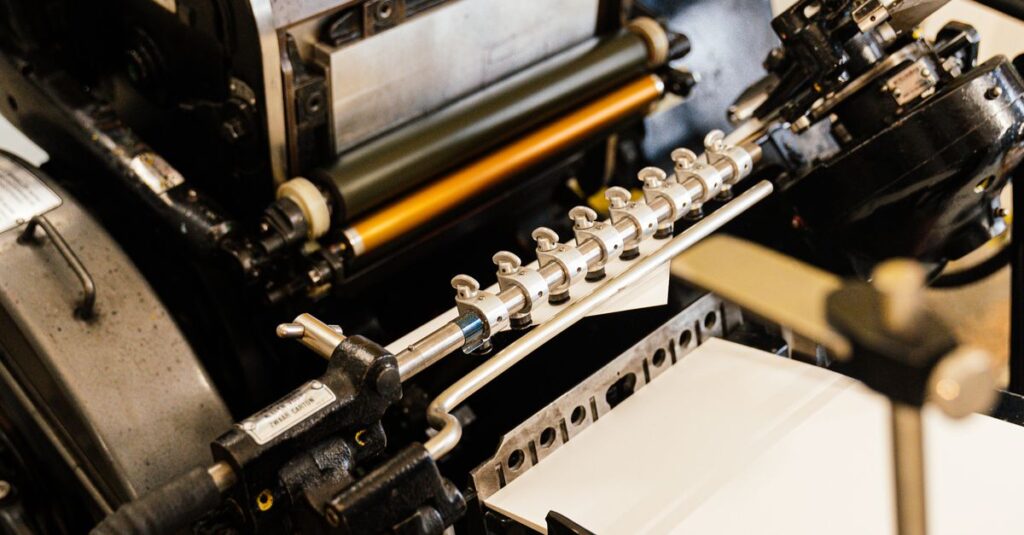
In our world — the notebook and stationery manufacturing world — “calendar printing” is shorthand for a whole production process. It's not just slapping dates on paper. It's about creating a functional, branded, durable product, often in volumes that make a small print shop sweat.
Think about a corporate desk diary. It has a custom cover with a logo. Inside, the pages are ruled a specific way. There's a ribbon bookmark. The binding has to survive a year of daily flipping. The paper has to take pen ink without bleeding. That's manufacturing. That's what you're actually trying to find.
I was talking to a procurement guy from a tech firm in Hyderabad last month. He said his biggest fear wasn't cost, it was the bindings falling apart three months in, with his CEO's face on the cover. His exact words: “I need a factory, not a franchise.” He's not alone.
The Local Print Shop vs. The Notebook Factory
This is where most people get confused. They assume local is always better for “near me” searches. Sometimes it is. For 50 calendars? Sure. For 5,000 notebooks with custom rulings? That's a different game.
| Factor | Local Digital Print Shop | Notebook & Calendar Manufacturer |
|---|---|---|
| Core Business | Digital printing, copies, small batches | Manufacturing stationery from raw paper |
| Typical Order Size | 1 – 500 units | 500 – 50,000+ units |
| Customization Depth | Print-on-cover, maybe some inside pages | Everything: cover material, paper GSM, ruling type, binding, page count |
| Paper & Binding Options | Limited to pre-cut stocks, simple binding | Multiple paper weights (GSM), stitched/spiral/perfect binding |
| Lead Time for Bulk | Can struggle with large volumes | Built for bulk production runs (e.g., 30k notebooks/day) |
| Best For | Prototypes, small office orders, one-offs | Corporate gifts, school supplies, distributor stock, branded merchandise |
The question isn't which is better. It's which one matches the scale of the problem in front of you.
Expert Insight
I was reading an industry report a while back — can't remember the publisher exactly — but one point stuck. It said that for bulk institutional stationery, the total cost isn't just the unit price. It's the cost of a failed delivery, a poor binding, a misprinted logo. That 'reputation cost' for the buyer is often ten times the invoice value. A manufacturer's entire process is built to eliminate that risk, where a printer is just built to put ink on paper. I don't have a cleaner way to put it than that.
Who Actually Needs This? (Spoiler: It's You)
Let's get specific. If you're reading this, you probably fit into one of these boxes. And each one comes with its own unique set of nightmares.
- Corporate Procurement Managers: You need 2025 diaries with the new brand guidelines, to be shipped to eight regional offices by November. The logo Pantone is non-negotiable.
- School & College Administrators: You need next year's student notebooks. Thousands of them. Ruled a certain way. Maybe with the school crest. And the budget was approved yesterday.
- Stationery Distributors/Wholesalers: You need to stock your shelves. You need consistent quality, a reliable supply chain, and a product that won't get returned because the pages fall out.
- Government Institutions: Tenders. Lots of paperwork. The specification sheet is 15 pages long and every single line is a compliance checkbox.
For these folks, “near me” isn't about geography. It's about capability being within reach. It's about finding a partner who gets the scale and the stakes. I've heard this enough times now to know it's not a coincidence.
The Real-Life Hunt for a Reliable Supplier
Meet Ananya. She's 38, a purchase officer for a chain of private schools in Visakhapatnam. Her desk is a landscape of sample notebooks, each with a yellow sticky note. “Binding weak,” says one. “Logo pixelated,” says another. She's been through three suppliers in two years. One delivered late, causing the first week of term chaos. Another's paper quality was so poor the pencil writing showed through on the other side.
Her search history looks a lot like “bulk notebook manufacturer India,” “custom diary printing,” and yes, “calendar printing near me.” She doesn't just need a printer. She needs a solution that doesn't make her job harder. The pressure is quiet but constant. If the notebooks are wrong, the teachers complain, the parents notice, and her phone rings off the hook. It's never just about stationery.
Anyway. The point is, her search is for a factory, not a storefront. And that changes everything.
How to Actually Vet a “Near Me” Manufacturer
So you've Googled it. You have a few names. Now what? Looking at websites only tells you so much. Here's what you need to ask — the stuff that doesn't always make it to the sales brochure.
- Ask about their minimum order quantity (MOQ). Not just for printing, but for customization. Can they do a small batch for a sample run? If they say no to anything under 10,000 units, you know their scale.
- Request a physical sample. Always. Don't trust digital mockups. Feel the paper. Test the binding by roughly flipping through it. Write on a page with the pen you intend to use. Does it bleed?
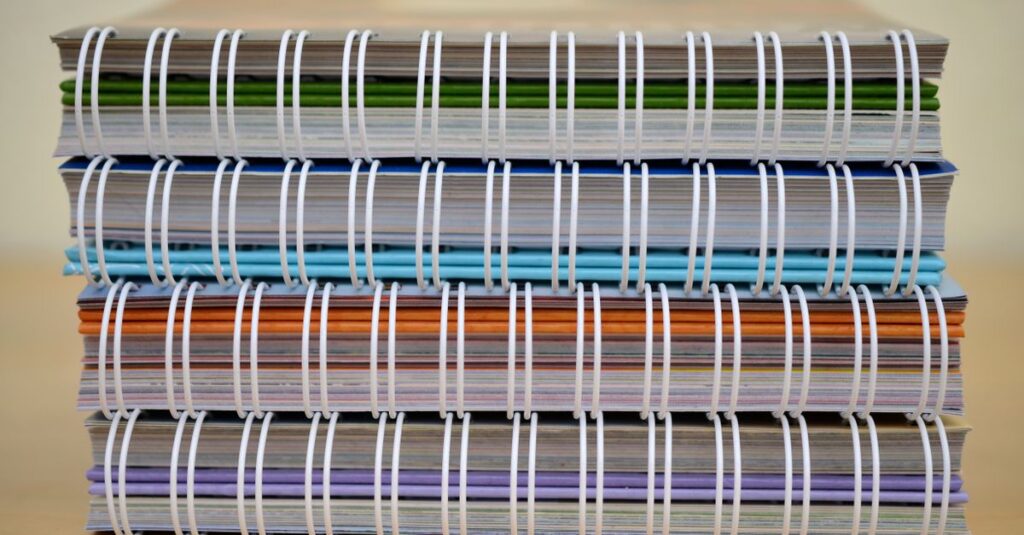
- Dig into the binding. Is it stitched? Glued? Spiral? For a diary used all year, stitched or double-loop wire binding lasts. Perfect binding looks clean but can crack. It's a practical choice, not just an aesthetic one.
- Ask for a client list or case studies. Not just names, but what they made for them. A manufacturer supplying to government tenders or large corporations is a different beast than one making craft notebooks.
Look, I'll be direct. Nine times out of ten, the issue isn't the printing. It's everything that happens before and after. It's the paper sourcing, the cutting consistency, the binding durability, the packaging for bulk shipment. You're vetting a process, not a person with a printer.
Why “Near Me” Often Means “In a Manufacturing Hub”
This might feel counterintuitive. You want someone local, but the best supplier for bulk custom notebooks might be in Rajahmundry, or Chennai, or some other industrial hub — not necessarily in your city center. And that's okay.
The “near me” intent, for bulk buyers, is really about accessibility and logistical simplicity. Can you get samples quickly? Can you visit the plant if needed? Is communication smooth? Do they understand domestic shipping logistics across India? A manufacturer based in a production hub often has better access to raw materials (paper mills are a thing), a skilled workforce used to factory processes, and established export/domestic shipping channels.
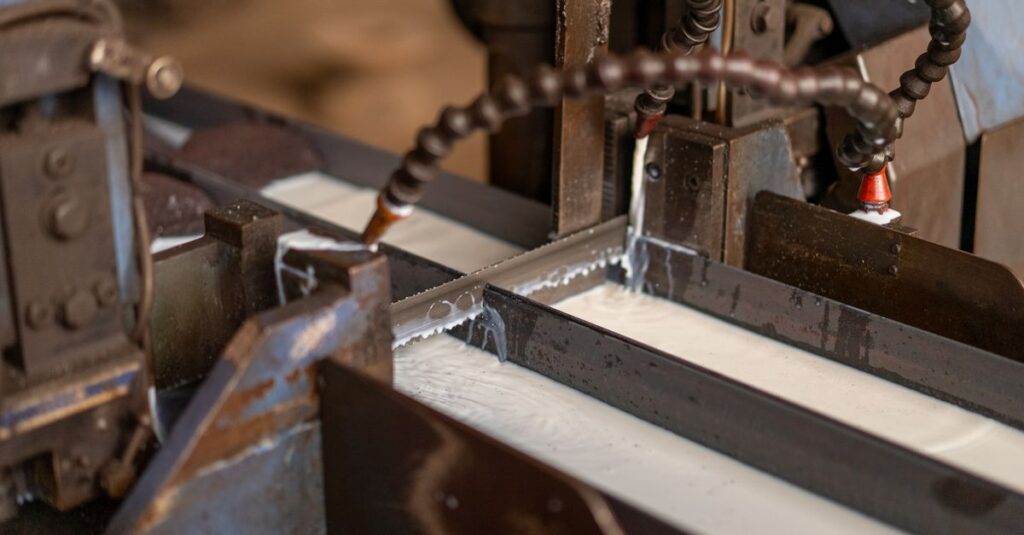
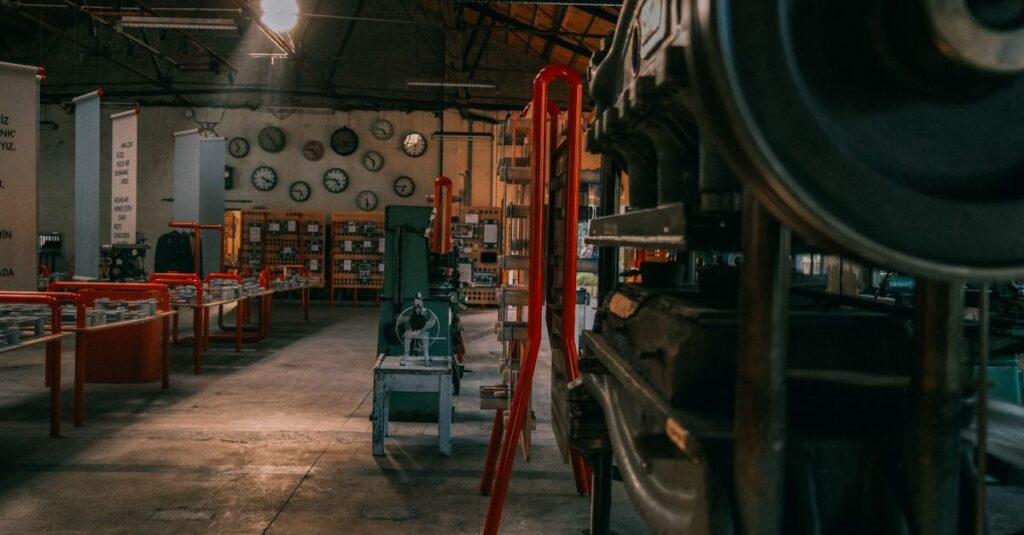
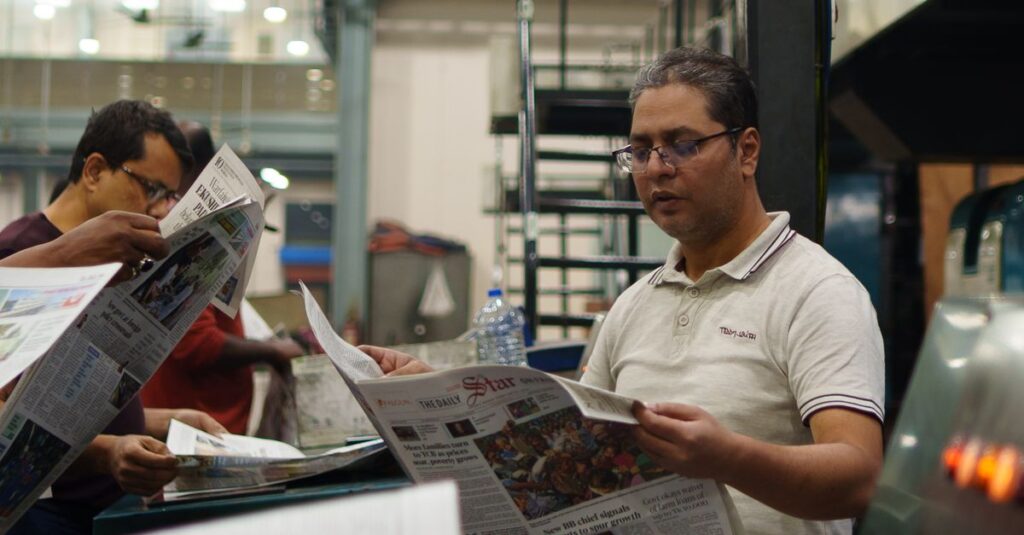
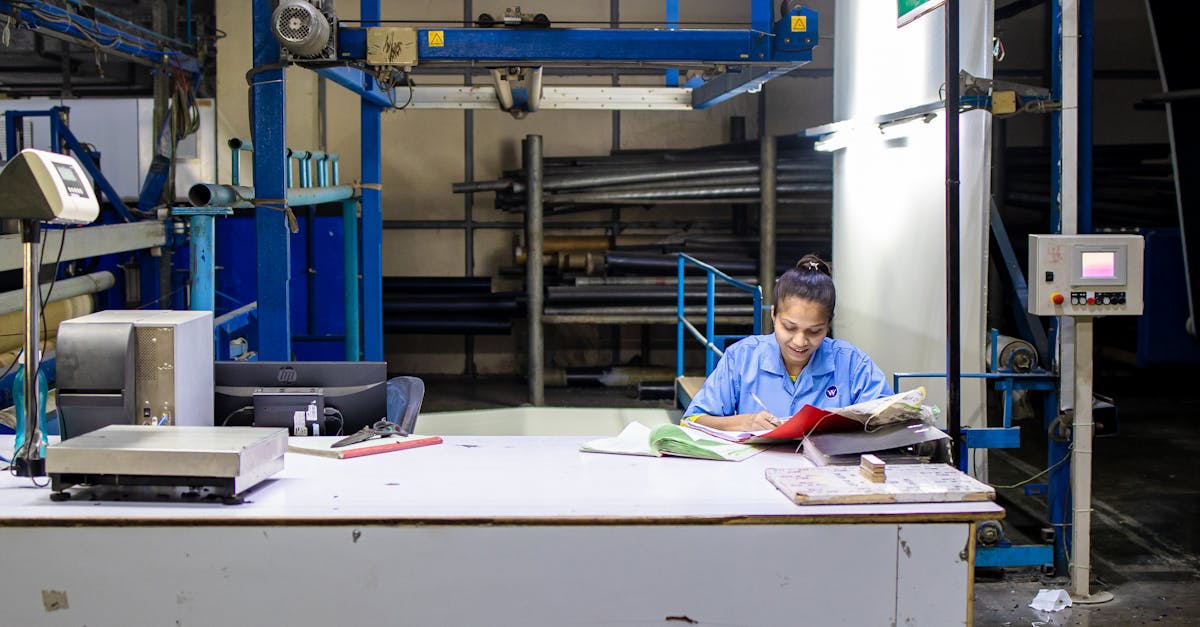
Earlier I said local isn't always better. That's not quite fair — it's more that “local” should be measured in supply-chain efficiency, not just kilometers. A reliable manufacturer 800km away with a dedicated account manager is functionally “nearer” than a struggling local printer 8km away who can't handle your volume. Seeing how a dedicated factory operates makes this difference obvious.
Which is a lot to think about when you just need some diaries printed.
Common Mistakes (And How to Avoid Them)
People rush this. I get it. The deadline is looming. But rushing leads to these classic errors:
- Choosing based on unit price alone. The cheapest quote often uses the cheapest paper, the weakest glue. Your total cost includes replacements, reputation damage, and your time managing the fallout.
- Not specifying paper GSM. “Good paper” isn't a spec. Ask for the exact grams per square meter (GSM). Standard notebook paper is around 54-70 GSM. Lower than that feels flimsy. For a premium diary, you might go 80+.
- Forgetting about ruling. Single ruled? Double ruled? Broad? This seems minor until you hand a double-ruled notebook to someone who needs single rulings. It ruins the utility of the product.
- Ignoring packaging. How will 2,000 notebooks arrive? In a single, battered carton? Or in palletized, shrink-wrapped bundles that your warehouse team can actually handle and store?
Think about it this way: you're not just buying notebooks. You're buying peace of mind for the next 12 months. That needs a checklist, not a hope.
Frequently Asked Questions
What is the difference between calendar printing and diary manufacturing?
Calendar printing usually refers to producing wall or desk calendars, often as a flat print job. Diary manufacturing involves creating a bound book with sequential dated pages, which includes printing, ruling, binding, and often complex customization like tabs or ribbon markers. It's a more involved production process.
What should I look for in a bulk notebook supplier?
Focus on their production capacity (can they handle your volume?), binding quality (ask for samples and test them), paper sourcing (consistent GSM), and customization flexibility. A true manufacturer will control the whole process, not just outsource the printing.
How far in advance should I order custom diaries for my corporate gift program?
For a smooth process, start talking to manufacturers at least 3-4 months before your deadline. This allows time for design, sampling, approval, production, and shipping. Rushing it in under 8 weeks is possible but increases cost and risk.
Can I get a sample before placing a large order for school notebooks?
Any reputable bulk notebook manufacturer should provide a physical sample of your exact specification (or as close as possible) before you commit. This is non-negotiable. It lets you check paper quality, print clarity, binding, and overall feel.
Is spiral binding or stitched binding better for student notebooks?
It depends on use. Spiral binding allows the book to lie completely flat, which is great for drawing or writing near the margin. Stitched binding (saddlestitch) is generally more durable for long-term use and rough handling. For most standard school notebooks, stitched binding is the reliable, cost-effective norm.
The short version
When you search “calendar printing near me,” you're probably solving for a bigger problem than you typed in. You need a partner who can manufacture a reliable, branded, functional product at scale. The search is about trust and capability, not just proximity.
It comes down to understanding the difference between printing and making. Between a shop and a factory. Between a cheap unit cost and a reliable total value.
I don't think there's one perfect supplier for everyone. Probably there isn't. But if you've read this far, you already know the questions to ask — you're just figuring out who has the honest answers. Getting that right changes everything about the next order. If you want to see what a 40-year-old manufacturing process actually looks like, it might be worth a look.