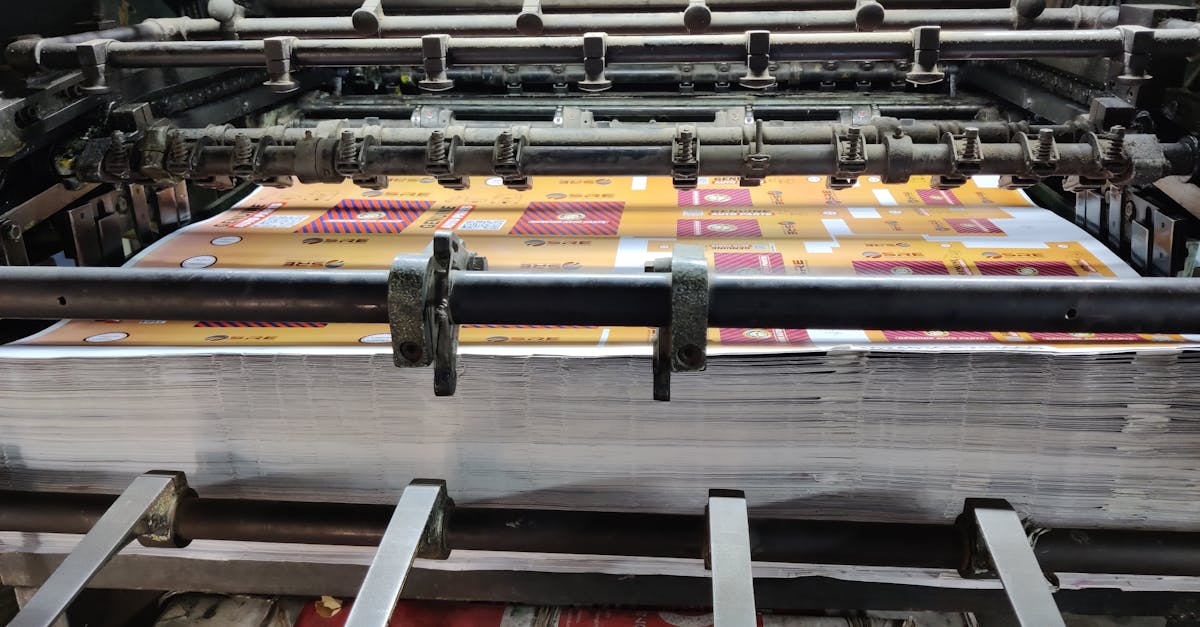
You’ve got a design. Maybe it’s a school logo, a company brand, or a private label for a notebook line. It needs to look sharp. It needs to be consistent across thousands of copies. And you need someone trustworthy to handle it — someone who won’t make you regret your choice six months later when the colors start fading or the alignment is off.
That’s the real search. “Color print near me” isn’t just about finding a printer; it’s about finding a partner who understands that your print job is more than ink on paper. It’s your reputation. It’s the first thing a student, an employee, or a customer sees. If this sounds familiar, I’ve got some thoughts that might help you cut through the noise. We’ve been on the other side of this conversation for decades, and I can tell you what most people miss.
The Real Problem Isn’t Finding a Printer
Look, you can type “color print near me” into a search engine and get fifty results. Local print shops, online services, big franchises, small independents. The problem isn’t scarcity. It’s clarity.
How do you know which one actually cares about the durability of their ink? Which one has the right machine for the specific paper weight you’re using? Which one understands that a corporate diary isn’t just a notebook — it’s a branded asset that sits on desks for a year? Most listings won’t tell you that. They’ll tell you about turnaround time and price per sheet. And price per sheet is useful, sure. But it’s not the only thing that matters here.
The headache, honestly, comes later. When the cover colors on your batch of 5,000 notebooks don’t match the mockup. When the spiral binding on your custom pads starts to snag on the printed edges. When you realize you’re dealing with a generalist printer who treats your specialized stationery order like a bunch of flyers.
What You’re Actually Looking For (And Probably Not Asking)
I think — and I could be wrong — that most procurement managers or business owners searching for this have a checklist in their head. Speed. Cost. Location. But there’s a fourth item, often unspoken: trust. You’re looking for a service that makes you feel like you don’t have to babysit the project.
You want them to ask the right questions before you even know to ask them. Questions about GSM. About ruling. About binding compatibility with their printing method. About batch consistency for bulk orders. A good color print service near you should act like they’ve done this a thousand times, because they probably have. And that experience shows up in the details.
Expert Insight
I was talking to a distributor from Hyderabad last month — over a very bad coffee, actually — and he said something that stuck. He’d switched from a large national print chain to a smaller, specialized manufacturer for his school notebook line. The big chain was cheaper and faster. But the smaller guy spotted a potential ink bleed issue with the paper grade he’d chosen before the job even started. Saved him from a whole mess of returns. “They saw the problem I didn’t know existed,” he said. That’s the difference. It’s not about size; it’s about attention. And you can’t Google for attention.
A Quick, Real Story About Why This Matters
Anita, 42, runs procurement for a chain of private schools in Chennai. She needed custom notebooks for the new academic year — about 15,000 units. The logo was a specific shade of green and blue. She found a “color print near me” service with great reviews and a low quote. The first batch looked perfect. The second batch, delivered a month later because of a phased order, had a slight blue tint shift. Not obvious at first glance, but side-by-side? Different. The printer blamed a “machine recalibration.” The schools noticed. She had to explain, negotiate partial refunds, and find a new supplier mid-season. The cost savings evaporated. The trust was gone.
It was a Tuesday, I think. Maybe Wednesday. She told me the whole thing felt like a slow-motion stumble.
Not All “Near Me” Services Are Built for Your Job
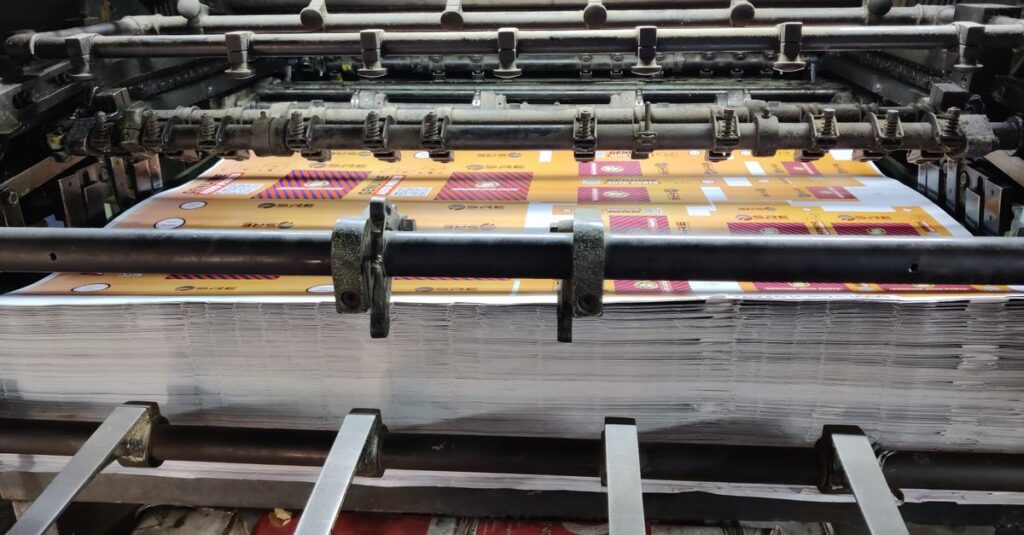
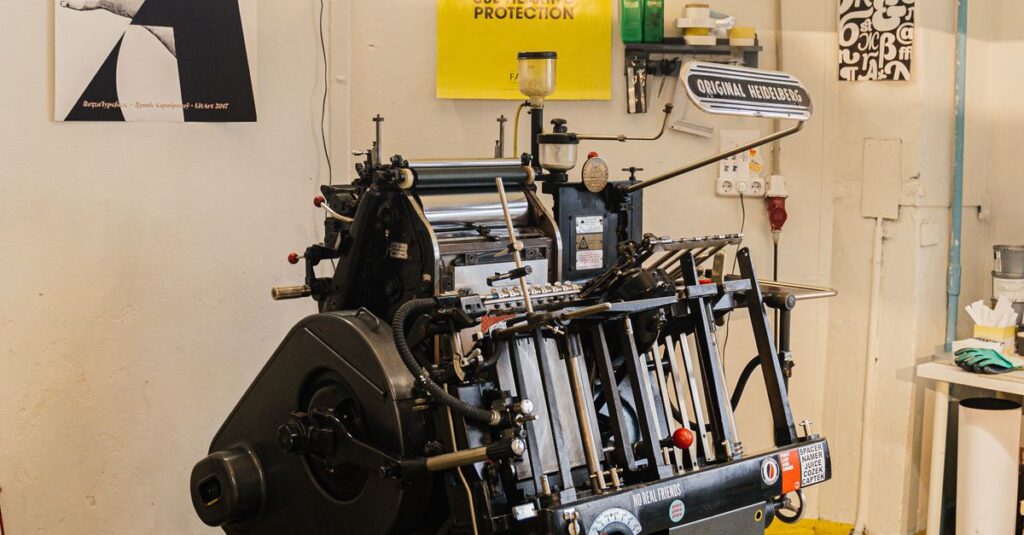
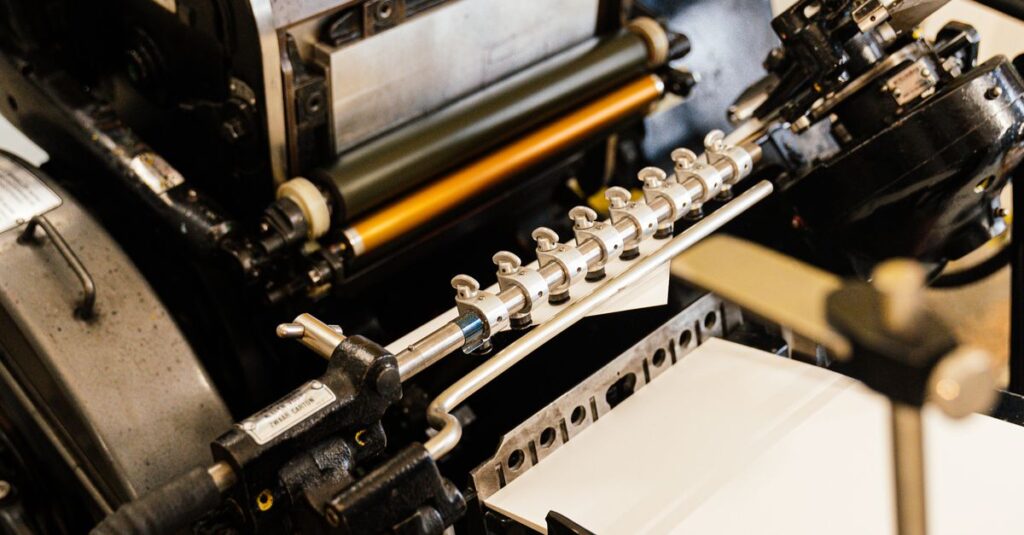
Let’s get practical. The term “color print” covers a massive range. Printing a poster. Printing a brochure. Printing a t-shirt. Printing a notebook cover or diary interior. The machinery, the ink formulations, the paper handling — they’re not the same.
A service that excels at photo prints or wedding invitations might not have the heavy-duty offset presses needed for crisp, consistent text on 54 GSM notebook paper. They might not understand how spiral binding affects the print alignment on the edge of a page. They might not stock the durable, non-smudge inks required for notebooks that get handled every day.
So your first filter shouldn’t be distance. It should be specialization. Ask directly: “Do you regularly print on notebook paper? Do you work with binding houses? Can you handle a bulk order of 10,000+ units with consistent color across multiple production runs?” Their answer — and the speed of it — tells you everything.
This is where dedicated stationery manufacturers have an edge. They live in this world. The print isn’t a separate service; it’s part of the manufacturing flow. It’s built for the product.
Color Print for Notebooks vs. General Commercial Print
Okay, let’s make this clearer. Here’s a quick table comparing what you typically get from a general commercial printer versus a printer embedded in a notebook manufacturing setup. It’s not about which is better overall — it’s about which is better for your specific need.
| Consideration | General Commercial Printer | Notebook Manufacturer Printer |
|---|---|---|
| Primary Focus | Marketing materials, photos, general documents | Notebook covers, diary pages, educational material |
| Paper Expertise | Varied stocks, often lighter weights | Specific knowledge of notebook-grade paper (54 GSM, 70 GSM, etc.) |
| Ink Durability | Optimized for visual impact | Optimized for handling, non-smudge, long-term wear |
| Bulk Run Consistency | Can vary; often batch-by-batch | Engineered for consistency across large, staggered orders |
| Binding Integration | Usually separate process | Printing planned around stitch, spiral, or perfect binding |
| Color Matching Precision | Good for digital proofs | Critical for brand consistency across product lines |
| Cost Structure | Per sheet, often with setup fees | Often bundled with manufacturing, volume-based |
The real question isn’t which service is cheaper per page. It’s which service understands that your pages are part of a bound, functional, daily-use product.
How to Vet a “Color Print Near Me” Service for Stationery
So you’ve got a list. Maybe three or four local options that seem plausible. Don’t just ask for quotes. Dig.
- Ask for physical samples of similar work. Not glossy brochures. Ask if they have samples of printed notebooks, diaries, or bound educational materials. Hold them. Feel the paper. Check the color on the spine or the edges.
- Ask about their ink. Specifically, ask about ink rub resistance and lightfastness (how it holds up under light). For notebooks that sit on shelves or in bags, this is a deal-breaker.
- Ask about batch consistency. “If I order 5,000 now and another 5,000 in three months, will the color match exactly?” Their answer should involve color profiles, Pantone references, and quality control processes.
- Ask about the full process. Where does the printing happen in relation to the binding? Do they do it all in one facility, or is it outsourced? One facility means fewer coordination errors.
- Talk about timelines realistically. A good service will tell you about drying times, curing times for certain inks, and binding schedules. They won’t just promise a fast turnaround; they’ll explain the realistic workflow.
And honestly? That last one is a huge filter. The services that can explain the realistic workflow are the ones that have done this enough times to know the hiccups.
The Location Trade-Off: Near Me vs. Right for Me
This is the tension. “Near me” implies convenience, easier communication, maybe quicker pickup. But if the right service for your specific notebook or diary print job is a few hundred kilometers away, does proximity still win?
In my experience working with schools and corporates, the answer is shifting. With reliable courier networks and digital proofing, physical proximity matters less for the actual production. What matters more is the specialization of the producer. A manufacturer in Rajahmundry who knows notebook printing inside out might be a better fit for a school in Bangalore than a local print shop in Bangalore that mostly does wedding cards.
The communication happens via email, WhatsApp, video calls. The samples get shipped. The bulk order gets delivered. The “near me” becomes less about geography and more about accessibility and understanding. Right?
Anyway. The point is, don’t let the search term limit your search. Think about what “near” really means for a complex, bulk print job. It might mean being near to your needs, not just near to your office.
What Most People Don’t Realize About Custom Color Print
There’s a hidden cost. It’s not in the invoice. It’s in the mismatch.
When you provide a digital design file, it looks perfect on your screen. But paper isn’t a screen. Ink isn’t pixels. The way a dark blue renders on 70 GSM cream diary paper is different from how it renders on white gloss brochure paper. A general printer might just run the file. A specialist printer will ask about the paper first. They might suggest a slight color adjustment to compensate for the paper’s base tone. They’ll think about how the ruling lines (if you have them) interact with the printed text or graphics.
This is the kind of thing that separates a decent job from a great one. And it’s almost never advertised. You find it by asking the right questions, or by working with people who live in the stationery world. It’s baked into the process when printing is part of manufacturing, not an add-on service.
Frequently Asked Questions
What does “color print near me” usually mean for businesses?
For most businesses, it means looking for a local printing service that can handle branded materials. But for those ordering custom notebooks, diaries, or stationery, it really means finding a printer who specializes in printing on notebook-grade paper and understands how the print integrates with binding and long-term use. The local part is about convenience, but the specialization part is about quality.
How important is paper quality when choosing a color print service?
It’s the most important thing, honestly. The printer needs to know exactly what GSM (weight) and finish your paper has. Printing on standard 54 GSM notebook paper requires different settings than printing on card stock or glossy paper. If they don’t ask about your paper specs upfront, they might not be the right fit for a notebook job.
Can any local print shop handle a bulk order of custom notebooks?
Technically, many can. Practically, you should look for shops that explicitly mention bulk stationery or book printing. The challenges with bulk orders are color consistency across batches and integration with binding processes. A shop that mostly does small-run marketing jobs might not have the systems for that.
What should I look for in a print sample before placing a big order?
Don’t just look at the color. Feel the ink. Try to smudge it lightly with your finger to check rub resistance. Check the edges and spine if it’s a bound sample. Look for any misalignment near the binding. And compare it side-by-side with your digital design to see how the paper tone affected the final color.
Is it cheaper to get printing done locally or by a dedicated manufacturer?
It depends on the volume and complexity. For small, simple jobs, local might be cheaper. For large, complex bulk notebook orders where printing, paper, and binding are bundled, a dedicated manufacturer often offers better value because they control the entire supply chain and can optimize the cost. Always compare the total cost per finished, usable unit, not just the cost per printed sheet.
Look, It’s About the Final Product
Searching for “color print near me” is a starting point. But your end point is a stack of finished, branded, durable notebooks or diaries that look and feel exactly as you envisioned. Every step in between — the paper choice, the ink formulation, the color matching, the binding — matters.
I don’t think there’s one perfect answer for every buyer. Probably there isn’t. But if you’ve read this far, you already know that the right service isn’t just about location or price. It’s about finding someone who sees your print job as part of a whole product, not as an isolated task. That mindset is harder to find than a printer.
If you’re sourcing custom notebooks or diaries and want to talk to a team where printing is part of the manufacturing DNA, not an afterthought, it might be worth a conversation. We don’t just print; we build the product around the print.