Look, Nobody Says This Out Loud
You know what it feels like. A new employee gets handed a stack of generic notebooks and a cheap pen. They look at it. They shrug. They stuff it in a drawer. The notebook lasts maybe a month. The pen gets lost in a week. And that’s it.
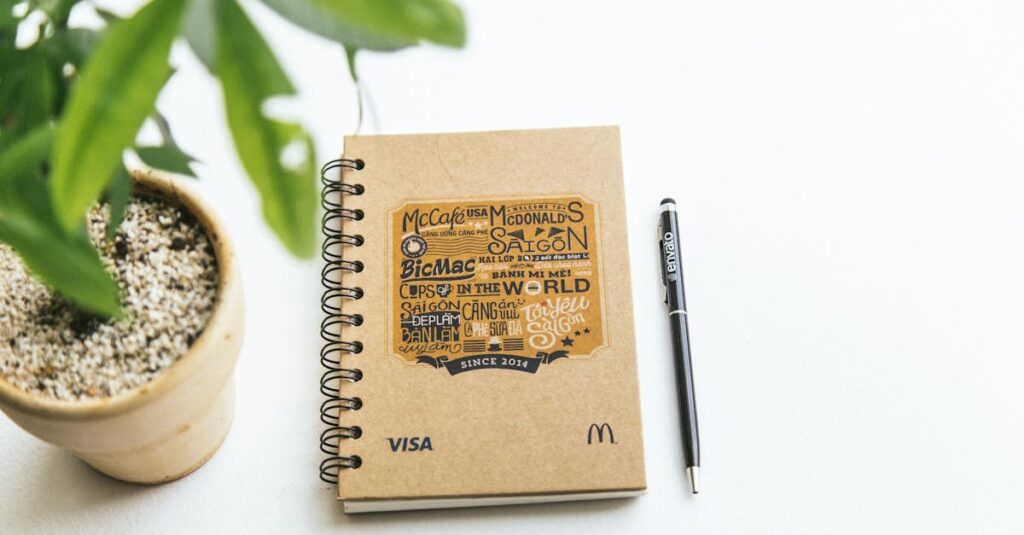
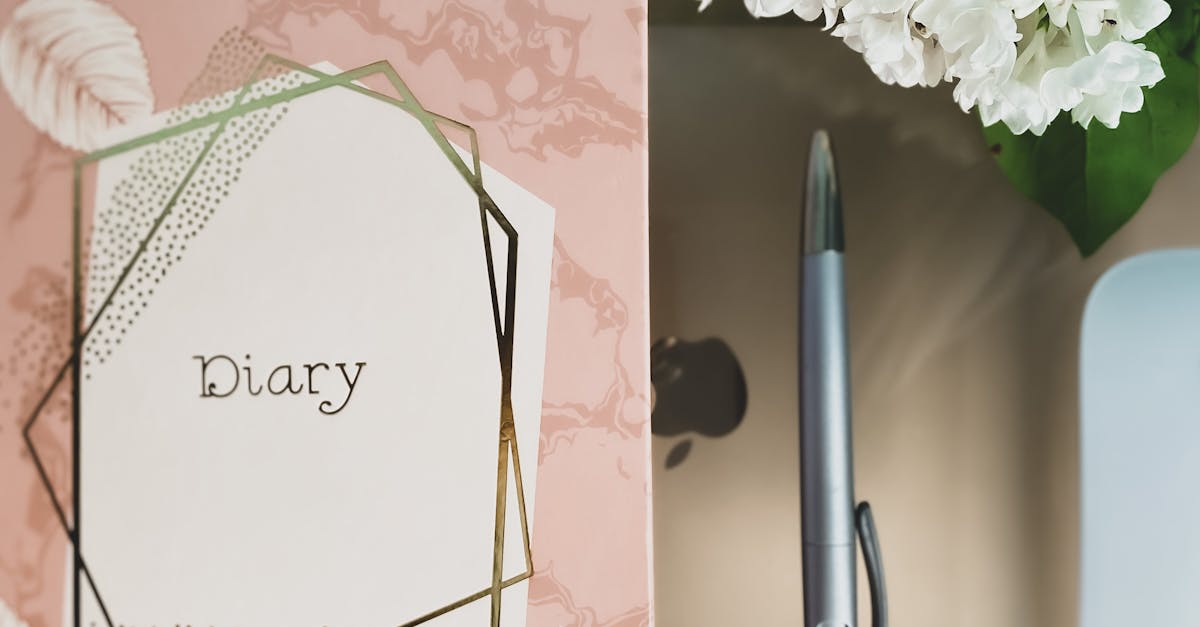
And then you see the other side. A company hands out a beautifully printed diary with their logo, a customised pen, maybe even a branded notebook set. People keep it. They use it. They actually bring it to meetings. It sits on their desk, visible. For a year. Sometimes longer.
The difference isn’t about cost. It’s about something deeper. It’s about making people feel like they’re part of something. That their work, and the tools they use, have a bit of weight. And honestly? Most procurement managers and corporate buyers already know this. They’ve seen the effect. But they’re figuring out if the investment is “okay”. Is it worth it? I think — and I could be wrong — that it’s the only thing that matters here if you want to build a real culture.
If this sounds familiar, our custom printing services might be worth a look. We’ve been doing this for longer than most people have been working.
What Actually Happens When You Give Branded Tools
This isn’t marketing fluff. I’ve talked to enough HR managers and procurement teams over the years. Three things happen when you switch from generic to customised diary and pen sets.
First, it stops being disposable. A plain notebook is a commodity. A branded one is an asset. People don’t lose it as easily. They don’t treat it as something temporary. Which is weird, right? But it’s true.
Second, it creates a silent, constant reminder. Every time someone opens that diary to jot down a meeting, or uses that pen to sign something, they see your logo. Your name. It’s not an aggressive ad. It’s a gentle, daily reinforcement. “I work here. This is my company.” That’s powerful.
And third — this is the part nobody says out loud — it builds a tiny thread of loyalty. It makes the professional relationship feel a bit more… personal. It shows you thought about the tools they use. That you didn’t just buy the cheapest bulk pack from a random wholesaler.
A Quick Story I Keep Thinking About
I was chatting with a procurement manager from a tech startup in Hyderabad last month. She’d ordered 500 custom diaries and pens for their new hires. She told me — over coffee, actually — that six months later, she saw one of the junior developers still using the diary. He’d even stuck a few extra notes on the cover. She asked him about it. He said, “It feels like my work notebook. The other ones just felt like… paper.”
I don’t have a cleaner way to put it than that.
The “How” — It’s Not Just About Putting a Logo On It
Okay, so you want to do this. The question isn’t whether you need a customised diary and pen. It’s how you do it right. Because if you do it badly, it feels cheap. Worse than generic.
You need to think about three things: the diary itself, the pen, and the pairing.
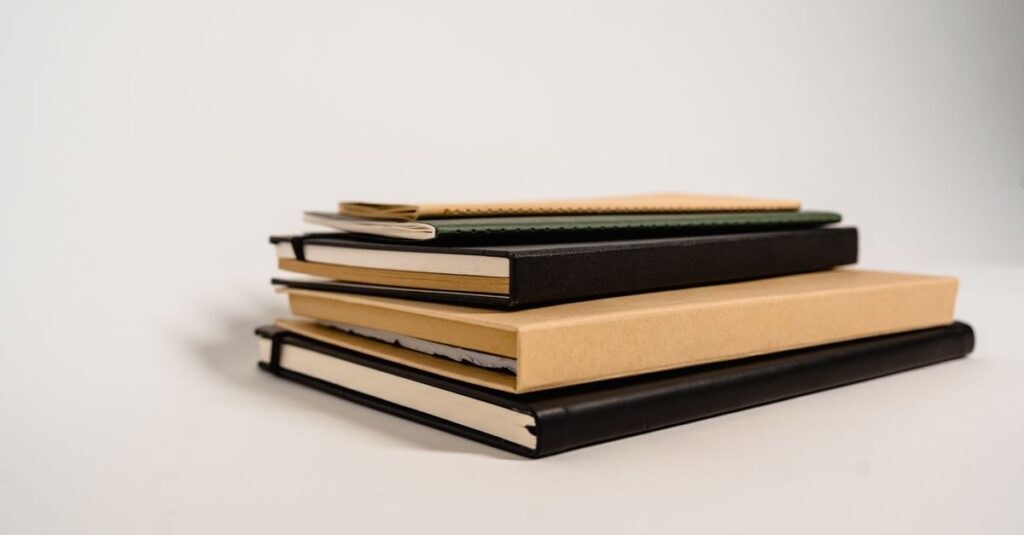
For the diary: paper quality is the only thing that matters here. 54 GSM writing paper is standard, but for a corporate diary that’s going to be used every day, you might want thicker. 70 or 80 GSM. It feels substantial. The binding — stitched or spiral — needs to survive a year of opening and closing. The cover material? Something that doesn’t scuff easily. A glossy finish can look great, but a matte finish often feels more professional.
For the pen: it needs to write smoothly. No skipping. The ink shouldn’t bleed. The branding shouldn’t just be a sticker that peels off. Imprint it. Engrave it. Make it part of the pen.
And the pairing: they should feel like a set. The diary and pen should look like they belong together. Same colour themes. Complementary designs. It’s a detail, but it’s the detail that makes it feel intentional, not accidental.
We’ve messed up on this before, early on. We printed a beautiful diary for a client and paired it with a pen that was… fine. But not great. The client called back. Said the pen felt like an afterthought. It was. We fixed it. Now we think about them as a single unit.
Who Needs This, Really? (It’s More Than Just Corporates)
Most people think: corporate offices. New year gifts. Employee onboarding. That’s true. But it’s not the whole picture.
- Schools and Colleges: Branded notebooks for alumni, or for specific departments. It builds institutional pride. A “Department of Physics” notebook feels different to a student.
- Government Institutions: Standardised, customised record books and diaries for different departments. It creates uniformity and a sense of official purpose.
- Distributors & Wholesalers: Creating their own private label line of stationery. A customised diary and pen set under their brand name can be a premium product line.
- Event Organizers: Conference diaries and pens. Instead of giving out random swag, give something useful, branded with the event logo.
- Retail Chains: Internal management tools. Store managers using company-branded planning diaries.
The use case is basically anyone who wants their name to be seen, daily, by the people who represent them.
Anyway. Where was I.
Customised Diary vs. Generic Notebook: The Real Differences
Let’s get practical. Here’s a table that breaks down what you’re actually comparing when you decide.
| Factor | Customised Diary & Pen Set | Generic Bulk Notebooks |
|---|---|---|
| Perceived Value | High. Seen as a branded asset. | Low. Seen as a disposable supply. |
| Daily Visibility | Your logo is seen constantly, reinforcing brand. | No brand presence. Just a tool. |
| Longevity & Usage | Used consistently, kept longer, often for a full year. | Used intermittently, replaced quickly, often lost. |
| Employee/User Sentiment | Builds a subtle sense of belonging and pride. | Functional. No emotional connection. |
| Cost Analysis | Higher per-unit cost, but much higher ROI per impression. | Lower per-unit cost, but virtually zero brand ROI. |
| Procurement Goal | Brand building, loyalty, long-term utility. | Basic supply fulfillment, cost minimization. |
The question isn’t about saving money on the initial purchase. It’s about what you’re buying. Are you buying paper? Or are you buying influence?
The Manufacturing Reality: What Goes Into Making Your Set
I’ll be direct. Making a customised diary and pen isn’t just printing. It’s coordination. It’s sourcing two different products — the diary from a notebook manufacturer, the pen from a pen supplier — and making them feel like one.
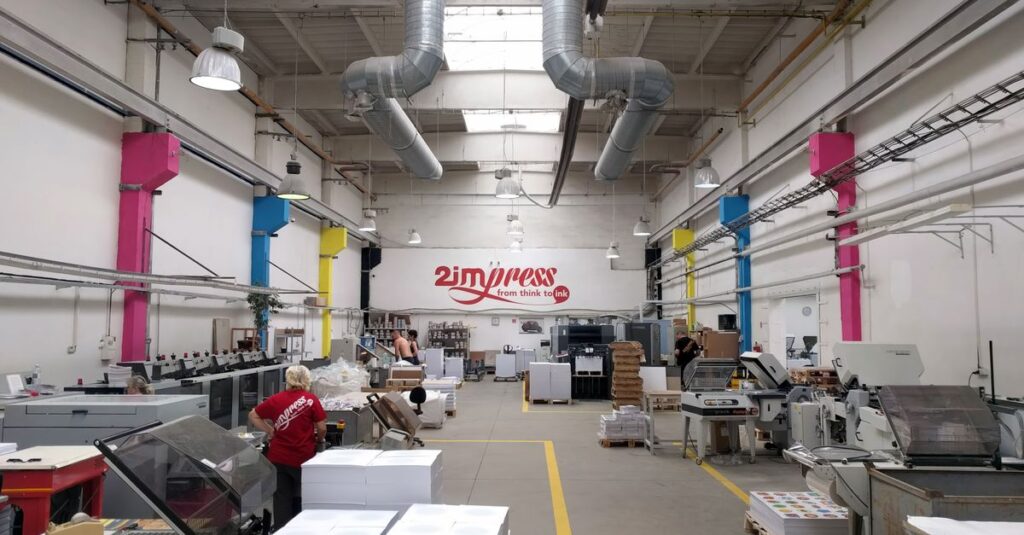
From our side, as the diary manufacturer, the process starts with your design. We take that, adjust it for printability on cover stock, choose the right paper inside (ruled? unruled? date planners?), decide on the binding. Spiral binding is great for lay-flat use. Stitched binding is more traditional and durable. We produce the diaries in bulk — our factory can do 30,000 to 40,000 bound notebooks a day, so scale isn’t a problem.
But then we have to work with the pen supplier. We need to ensure the pen branding matches. The colours are consistent. The delivery timelines sync up. So that when your order arrives, the diaries and pens are packed together, ready to distribute as a set.
This is where a lot of buyers get a headache, honestly. They try to manage two separate suppliers. The diaries come in week 3. The pens come in week 6. The set is broken. We’ve made it a point to handle that coordination for our clients. It’s part of the service. You give us the design, we deliver the complete customised diary and pen set, ready to go.
Expert Insight
I was reading something last month about organisational psychology. One line stuck with me. The researcher said something like — the objects we use daily become extensions of our identity at work. A generic tool reinforces anonymity. A personalised tool reinforces membership.
I think that’s the core of it. A customised diary and pen isn’t a gift. It’s a badge. A very quiet, very constant one.
So, Should You Do It?
Probably. If you’re ordering for a team, a school, an institution — and you want those people to feel a connection to the place, not just use its supplies.
But you need to do it right. Don’t cut corners on paper quality. Don’t pair a great diary with a terrible pen. Don’t treat it as just another procurement line item. Treat it as a tiny, daily piece of culture building.
It needs — and needs badly — to feel intentional. From the design to the paper weight to the pairing.
I don’t think there’s one answer here. Probably there isn’t. But if you’ve read this far, you already know what you’re looking for — you’re just figuring out if it’s okay to want it.
If you’re thinking about a customised diary and pen order, talking to a manufacturer who’s done this for decades might help. We’ve seen what works. And what doesn’t.
Frequently Asked Questions
What is the minimum order quantity for a customised diary and pen set?
It depends on the manufacturer, but typically, for a coordinated set like this, minimum orders start around 500 units. This allows for efficient production and sourcing of both items. For smaller trial runs, some suppliers might accommodate, but the per-unit cost will be higher.
How long does it take to produce a custom diary and pen order?
From design approval to delivery, a standard bulk order of 1,000-5,000 sets usually takes 4-6 weeks. This includes manufacturing the diaries, sourcing and branding the pens, and coordinated packaging. Always ask for a detailed timeline breakdown from your supplier.
Can we customize the inside pages of the diary, like adding a date planner?
Absolutely. That’s a big part of the value. You can choose ruled, unruled, or specialised layouts like weekly planners, fiscal year calendars, or even company-specific data pages. The inside content should be as custom as the cover.
What paper quality is best for a corporate diary?
For a diary that gets daily use, go thicker than standard school notebook paper. 70 GSM or 80 GSM paper provides a better writing experience and feels more premium. It also reduces bleed from pen ink and stands up to frequent use.
Do manufacturers handle the pen sourcing and branding as well?
Many full-service stationery manufacturers, like us, do. We manage the pen supplier coordination, ensure branding matches your diary design, and deliver the complete set. It saves you the hassle of managing two separate supply chains.