The Problem With Just Saying “Notebooks”
I get a lot of emails that start with: “We need notebooks for our company.” And then we get on a call, and I ask about their plans for these notebooks, and the conversation goes sideways. They’re thinking about one thing, I’m picturing another. It’s almost always because the words “journal” and “diary” have gotten all mixed up. Most procurement managers don’t have time to think about this, but here’s the thing — it’s not just semantics. Getting it wrong means wasted money, frustrated employees, and a product that doesn’t do the job you hired it for.
This isn’t an English lesson. It’s about buying the right tool for the right job. If this sounds familiar, seeing how a manufacturer defines them might be worth a look.
What Is a Diary? (Hint: It’s All About the Date)
Right. Let’s start with the one that causes the most confusion. When most corporate buyers say “diary,” they’re talking about a specific, date-driven planning tool. But the word gets thrown at anything with a cover.
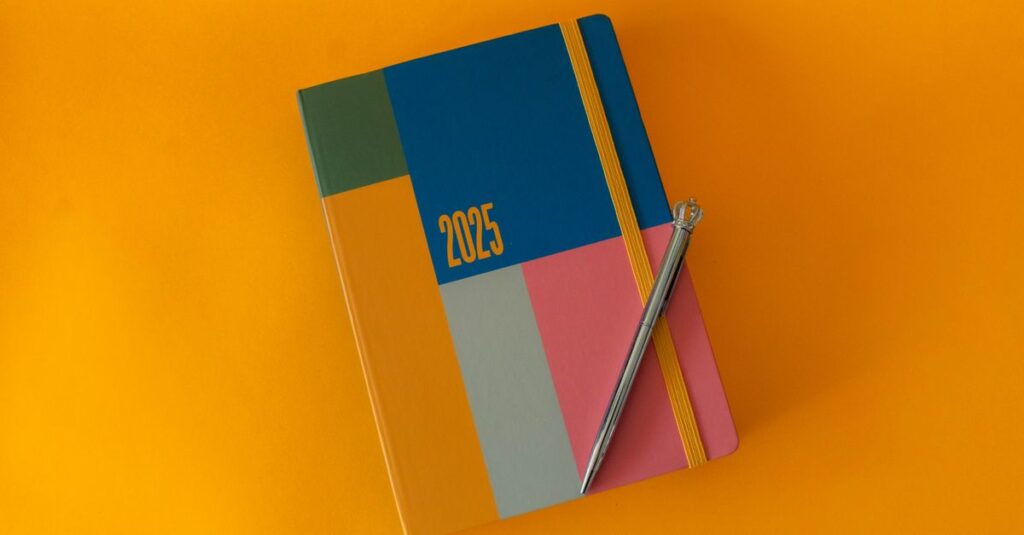
A diary, in our world, is a pre-dated book. Every page is assigned to a specific day. January 1st gets a page. March 15th gets a page. It’s a chronological cage. The whole point is to keep you moving forward in time. You can’t flip to a blank page on July 10th and start sketching a new product idea — that page is for July 10th’s meetings and to-dos. It’s for logging, not sprawling.
Think of it like this: A diary is a train running on a fixed schedule. You get on at the station marked “Today.”
Who Actually Uses Diaries & Why
I’ve been doing this since ’85. You learn to spot the patterns. Diaries aren’t for the free-thinkers first. They’re for the organizers.
- Corporate Managers & Executives: Their days are meetings, calls, deadlines. A dated diary is their external brain. It’s non-negotiable.
- Government Offices & Institutions: Procedure, protocol, dates. Everything needs a timestamp. A diary provides an audit trail in physical form.
- Schools (for Teachers & Admin): Lesson planning, parent meetings, term schedules. It’s all date-bound.
The emotional state here? Control. A need for structure. It’s about taming chaos. And honestly? Most people know this already. They just don’t connect it to the physical object they’re ordering 500 units of.
What Is a Journal? (The Blank Space to Think)
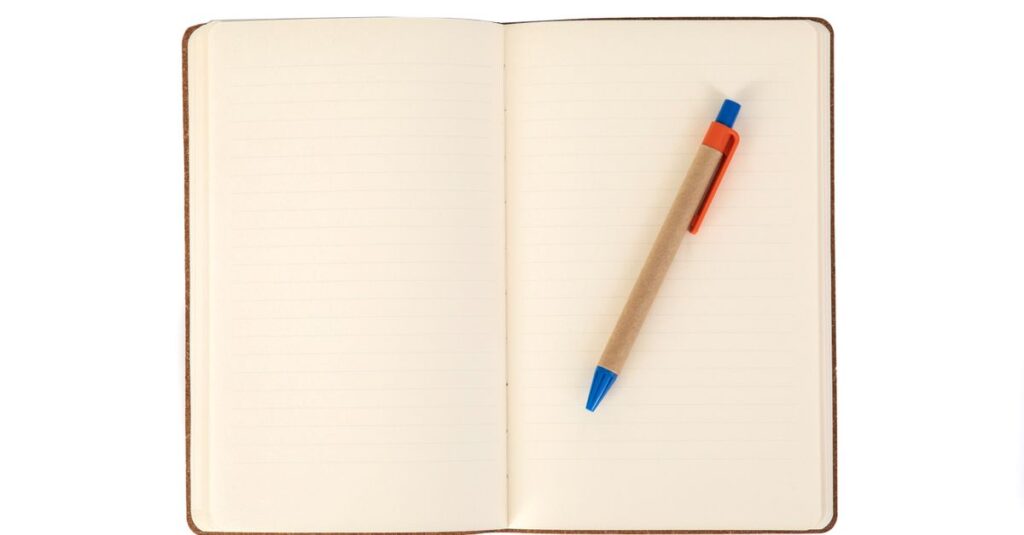
If a diary is a train schedule, a journal is a blank field. No dates. No pre-set structure. Just page after page of… potential. This is where the real work often happens, but it’s harder to justify on a procurement form.
A journal is for processing, not just planning. It’s where ideas get messy before they get clean. Meeting notes get connected to random inspirations from three weeks later. Sketches live next to budget calculations. It’s non-linear. The value isn’t in finding what you did on a specific Tuesday; it’s in stumbling across a half-formed idea that suddenly makes complete sense.
We make a lot of these for R&D teams. They’ll order 200 at a time. The cover is usually sturdier. The paper quality is a bigger conversation — will they use fountain pens? Markers? The binding needs to lay flat. It’s a completely different set of questions than the diary order.
The Real-Life User: A Quick Story
I was talking to a design lead from a tech company in Hyderabad last month. Priya, maybe 34. She ordered 50 unruled, A4 journals for her team. She said something that stuck with me: “The diary is where I manage my time. The journal is where I manage my mind. If I took my journaling and tried to force it into a dated diary, I’d stop doing it.” She drinks black coffee. Her team’s journals are covered in highlighter and sticky notes. That’s the difference, right there.
Side-by-Side: Diary vs Journal for Bulk Purchase
| Feature | Corporate / New Year Diary | Professional Journal |
|---|---|---|
| Primary Use | Daily planning, appointment logging, task tracking. | Idea generation, project notes, research, reflective writing. |
| Internal Structure | Pre-printed dates, often with timeslots, holidays marked. | Blank, unruled, or simply ruled pages. No dates. |
| User Mindset | Organization, efficiency, accountability. | Creativity, exploration, deep work, problem-solving. |
| Customization Focus | Company logo, cover material (leatherette common), inclusion of company data (charts, contacts). | Paper weight & type, cover durability, lay-flat binding, page style (dotted, grid, plain). |
| Bulk Order Trigger | New Year, corporate gifting, employee onboarding. | New project kickoff, team offsite, research initiative. |
| Our Production Note | Runs are large, standardized. Setup is for precise date printing. Speed is key. | More configuration options. Paper sourcing is critical. We move slower, more deliberately. |
Why Getting It Wrong Costs You (More Than Money)
Here’s the part nobody in procurement wants to talk about: wasted budget is obvious, but wasted potential is invisible. You can measure the cost of 500 unused diaries sitting in a storeroom. You can’t measure the cost of the ideas that were never captured because you gave an engineering team dated diaries instead of blank journals.
The mistake I see most often? A company wants to “promote creativity” and “innovative thinking.” So they decide to gift everyone a nice notebook. They go for the premium feel, the embossed logo. But they order the dated diary because it feels more “official” or “complete.” The result? Sales loves them. The innovation lab uses them as doorstops. The tool rejected the task.
It’s a headache, honestly. And it’s completely avoidable. The question isn’t just “what should we buy?” It’s “what do we want our people to DO with this?”
Expert Insight
I was reading something last month about tool affordance — what an object’s design suggests you do with it. One line stuck with me. A researcher said something like: a dated diary screams “fill me in,” while a blank journal whispers “think in me.” I don’t have a cleaner way to put it than that. The physical object you hand someone sets a boundary for their thoughts before they even open it. As a manufacturer, that’s a sobering responsibility. We’re not just binding paper; we’re enabling — or limiting — a certain kind of work.
How to Choose for Your School, Business, or Institution
Look, I’ll be direct. Stop starting with “we need notebooks.” Start with these three questions instead. I’ve heard this enough times now to know it works.
- Is this for tracking time or developing thought? Time = Diary. Thought = Journal.
- Will the user need to find info by date? If yes, you’re deep in diary territory. If they need to find info by project or theme, a journal with a good index page might be better.
- Is this a gift/perk or a work tool? Gifts often lean diary (useful, familiar). Dedicated work tools for specific teams lean journal.
And then talk to your manufacturer. I can’t tell you how many orders we’ve saved by just having a 10-minute call. We’ll ask about paper, ruling, binding. The answers tell us what you really need. Sometimes it’s a hybrid — a dated section in front for planning, blank pages in the back for notes. We do a lot of those. Custom printing exists for a reason.
What Most People Don’t Realize About Manufacturing
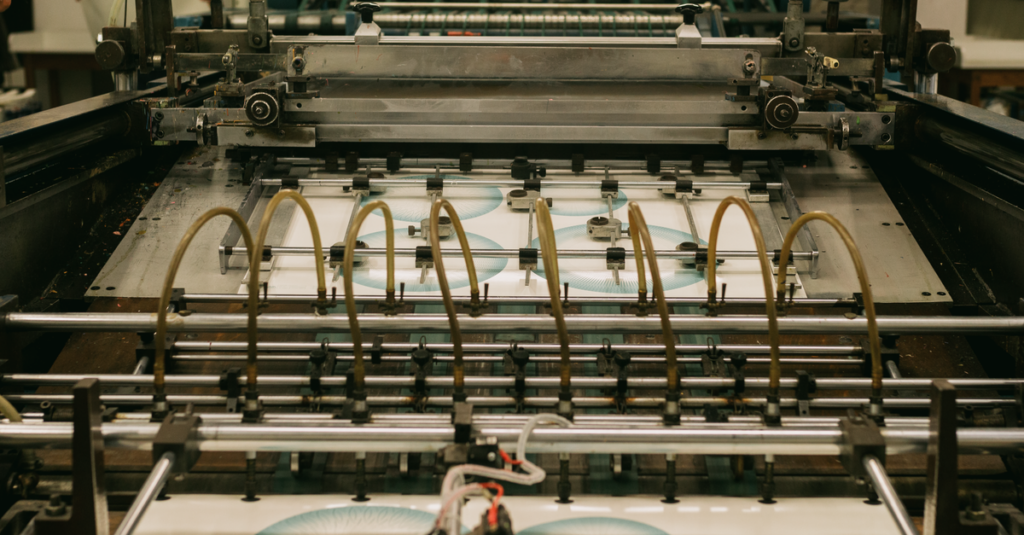
From our side of the factory floor, these are two different products. The diary run is about precision and calendar accuracy. One misprint on a date and the entire batch is scrap. The journal run is about texture and consistency. The feel of the paper, the way the ink sits on it — that’s what matters.
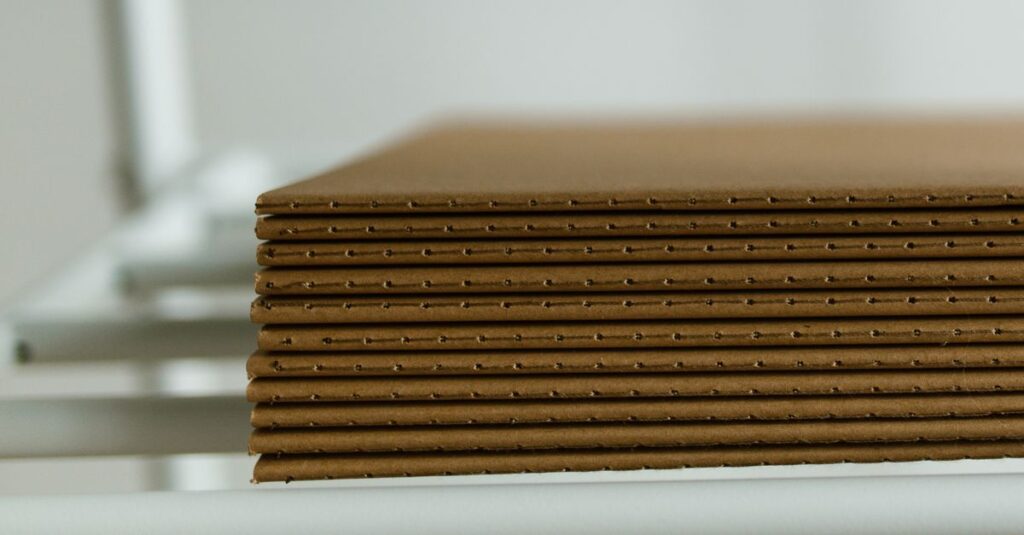
The binding is different. Diaries are often perfect-bound (glued spine) because they’re thicker and need to look formal on a desk. Journals for heavy use? We push for spiral or stitched binding so they can lay perfectly flat. It seems small. It isn’t.
Anyway. My point is this: when you’re ordering 5,000 units for schools across a district or 1,000 units for a corporate launch, these details are the difference between a product that’s used and one that’s discarded. And that’s the only thing that matters here.
Frequently Asked Questions
Can a notebook be both a journal and a diary?
Yes, but it’s a compromise. We often make “week-on-one-page” diaries with blank facing pages for notes. It works for people who need both structures in one book. For pure, focused work, separate books are usually better.
Which is more popular for corporate gifting: journals or diaries?
Traditionally, diaries win for New Year gifts. But I’m seeing a real shift. Tech companies, design firms, and consultancies are now choosing high-quality branded journals. It signals a focus on thinking, not just scheduling.
What paper quality is best for a journal?
For journals, go heavier. 70-80 GSM minimum if people might use markers or fountain pens. Our standard diary paper is 54 GSM — fine for ballpoint pens and daily logging. The journal paper needs to handle more.
How far in advance should I place a bulk diary order?
For dated diaries, especially for the New Year, talk to your manufacturer by July or August. Printing dates is a precise, sequential process. Rush jobs in December are a nightmare for everyone. Journals are more flexible.
Are journals or diaries better for student use?
It depends on the subject. For a structured class with daily assignments? A dated academic planner (a type of diary). For an art, design, or research project? A blank journal, every time. Schools should offer both.
Final Thought
I don’t think there’s one perfect answer here. Probably there isn’t. Some people thrive in the structure of a diary. Others need the wild open space of a journal. Most of us need a bit of both at different times.
But if you’re the person responsible for ordering these things for a hundred or a thousand other people, your job isn’t to guess. It’s to understand the work they do and match the tool to it. It sounds simple. It’s the part that most people get wrong because they never stop to think about the difference between logging time and building an idea.
The choice you make tells your team what you value. Make sure it’s the right message. If you’re figuring out the next step for your bulk order, starting a conversation is usually the best one.