Right. Let’s talk about binding.
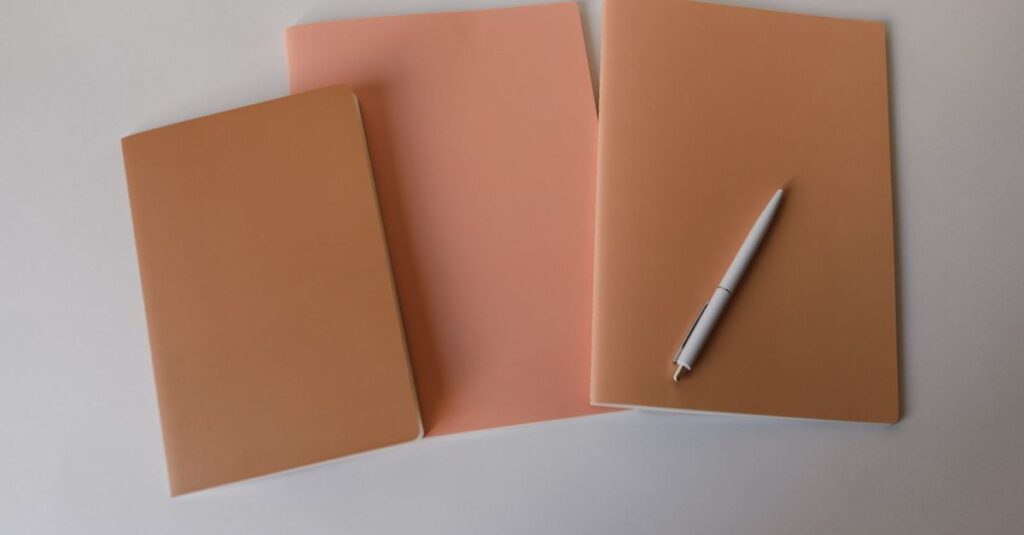
You’re probably searching ‘book binding shop near me’ because you need notebooks. A lot of them. And you’re probably a procurement manager, a school administrator, or someone who buys for a whole organization. You’re not looking for a cute little arts and crafts store — you’re looking for the place that makes the notebooks your entire staff, students, or customers will use.
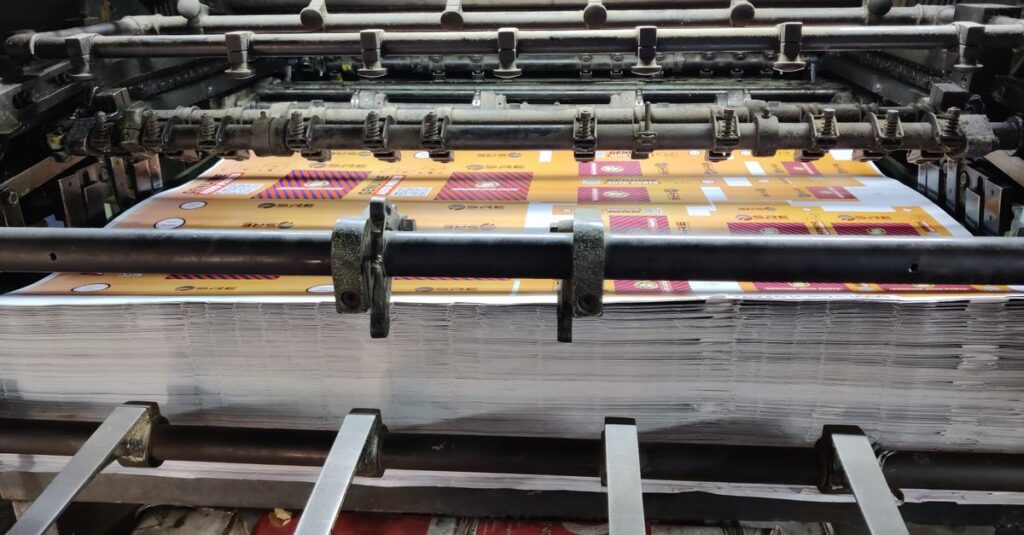
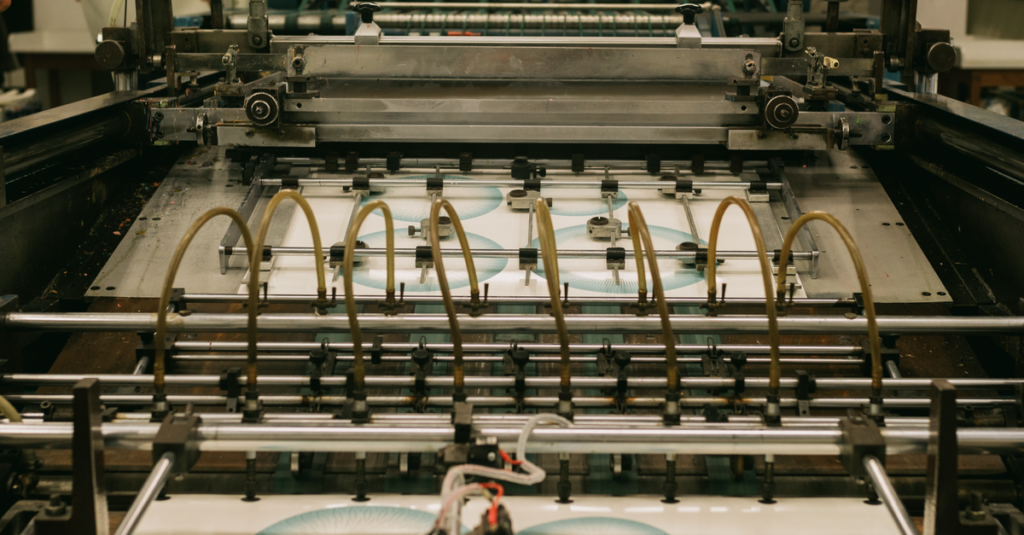
Here’s the thing — most people don’t even know what a ‘book binding shop’ actually is until they have to order in bulk. It’s not a retail shop you walk into. It’s a factory floor. It’s where raw paper becomes a finished product, thousands at a time. And the choice you make here? It’s the difference between notebooks that fall apart in a month and ones that last the whole academic year or fiscal cycle. If this sounds like the headache you’re trying to solve, our manufacturing process might be worth a look.
It’s Not a Shop. It’s a Production Line.
When you search ‘book binding shop near me’, you’re looking for a manufacturer. Let’s be clear about that. This isn’t about getting your grandma’s recipe book rebound. This is commercial, industrial-scale production.
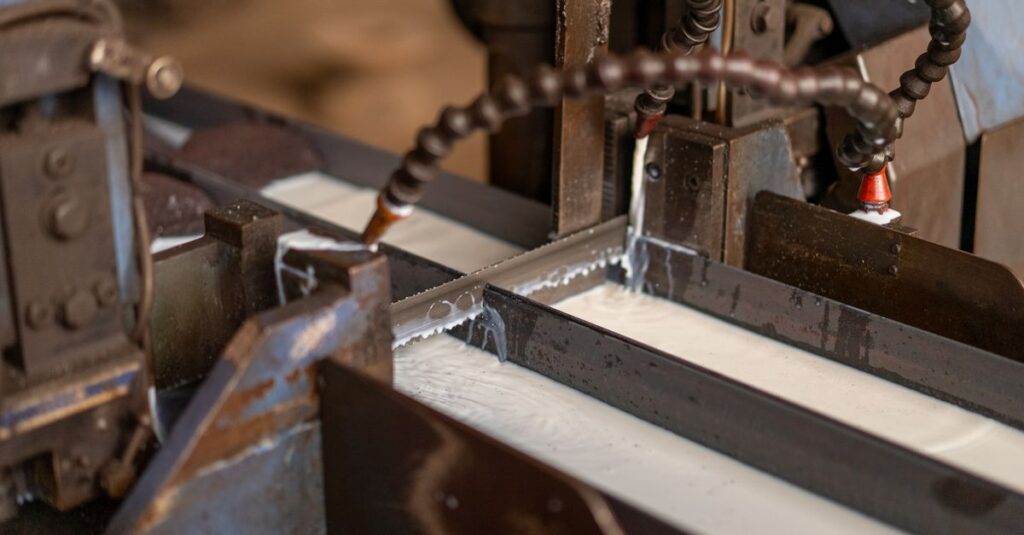
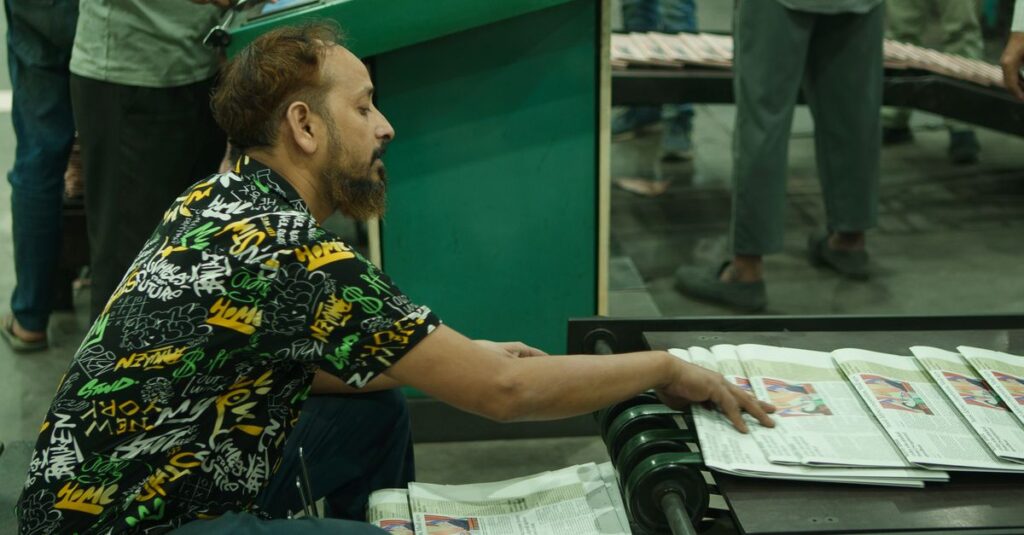
Think of it this way. A real binding ‘shop’ is the core of a notebook factory. It’s where stacks of printed or ruled paper get held together, covered, and turned into the product you recognize. The method they use — that’s everything. It decides how durable the notebook is, how flat it lies, and honestly, how professional it looks.
I was talking to a procurement officer for a chain of schools last week — over a very rushed coffee — and she said something that stuck with me. She said, “We used to buy on price alone. Then we had a whole batch of notebooks where the pages just… slid out. A kid would open it and *whoosh*. Total chaos. Now I don’t just ask for a quote. I ask, ‘How do you bind them?'”
That’s the shift. From buyer to specifier.
The Three Binding Types (And What They Mean For You)
Look, I’ll just say it. If you’re ordering more than a hundred units, you need to know this stuff. It’s not jargon; it’s your product’s backbone.
- Stitched Binding (Saddle Stitching): This is the classic. They fold the pages in half, staple them through the spine from the outside. It’s cost-effective, super common for standard school exercise books up to about 92 pages. You know those notebooks? That’s probably stitched. The limitation? You can’t really do it for very thick books. The spine gets bulky.
- Spiral Binding (Coil Binding): They punch holes along the edge of the pages and thread a plastic or metal coil through. The big benefit? The book lies completely flat. Perfect for drawing pads, manuals, anything where someone needs to use the whole page without fighting the spine. The downside? The coils can get bent if they’re not handled well, and it adds a bit to the cost.
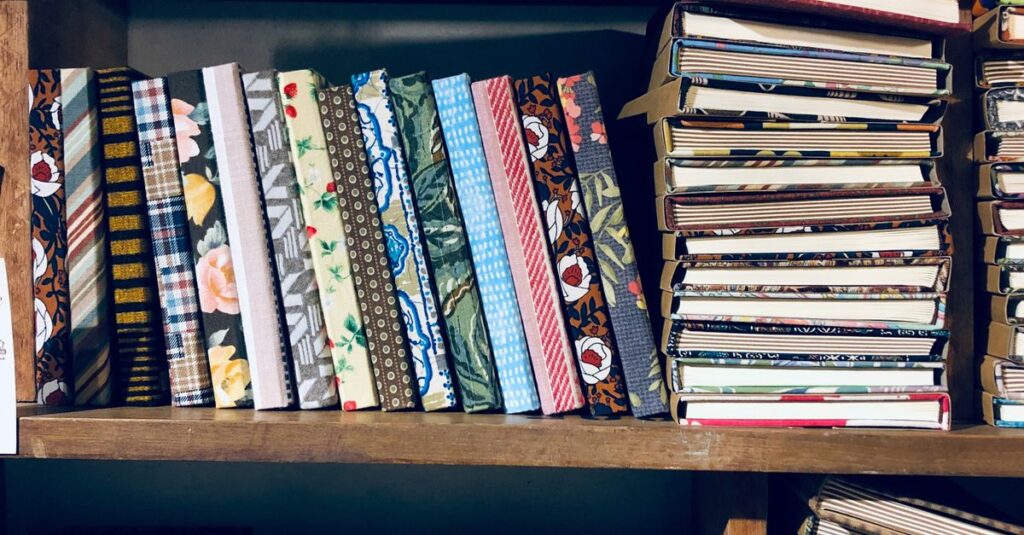
- Perfect Binding: This is what you see on thick corporate diaries or premium journals. The pages are gathered into a block, the spine edge is roughened, and a strong, flexible glue is applied before the cover is wrapped on. It gives a very clean, professional look. It’s what says “this isn’t a disposable item.” It’s for products you want to feel substantial.
The question isn’t which one is “best.” It’s which one is right for *your* use case. A student’s math book and an executive’s leather-bound diary have completely different jobs.
Why “Near Me” Matters Less Than You Think (And More)
Okay, let’s get into the ‘near me’ part. This is where intent gets messy.
You want someone local, right? Easier to visit, maybe quicker to ship, feels more accountable. That makes sense on the surface. But here’s the catch — notebook manufacturing, especially for bulk institutional orders, is incredibly specialized. There might be a dozen ‘printers’ in your city, but only one or two with the actual capacity to bind 30,000 notebooks a day on a production line.
So you’re often not searching for geographic proximity. You’re searching for *capability* proximity. Can this shop handle my volume? My customization? My deadline?
I think — and I could be wrong — that when a corporate buyer types ‘book binding shop near me’, they’re often just using shorthand for “a reliable manufacturer I can have a real relationship with.” They want someone who answers the phone, who understands that a misprint on 5,000 logoed diaries isn’t a small error, it’s a catastrophe.
Location still matters for logistics, of course. Shipping 10,000 heavy notebooks across the country adds cost and risk. But I’ve seen buyers work with a manufacturer three states away because their quality control was just that much tighter. They built the trust first.
Expert Insight
I was reading an industry report last month and one line stuck with me. It wasn’t even about technology. It said the most common point of failure in bulk notebook supply isn’t the paper or the glue. It’s communication. The manufacturer assumes one thing about ‘delivery’, the buyer assumes another. A detail on the cover proof gets missed because it was discussed in a chaotic email thread, not marked clearly on the artwork.
The researcher said something like — the more complex the order, the simpler the communication needs to be. I don’t have a cleaner way to put it than that. It’s why we moved to a checklist system for every single custom order, no matter how small. It takes the edge off.
The Real-Life Cost of Getting It Wrong
Let me tell you about Priya. She’s 42, handles procurement for a network of coaching centers in Hyderabad. Last year, she needed 15,000 custom notebooks for a new batch of students. She found a ‘shop’ that undercut every other quote by 15%. She went with them.
The notebooks arrived a week late. The spiral binding was so flimsy the coils started popping out within days. The cover logos were blurry. She spent the next two months fielding complaints, arranging pathetic partial refunds, and scrambling to source a replacement batch from someone else at triple the cost and double the stress. She looked tired when she told me this. Not sleepy-tired. Life-tired.
Her mistake wasn’t shopping on price. It was shopping on price *alone*. She didn’t ask about their daily production capacity. She didn’t ask for samples of the actual binding they’d use. She didn’t verify they had done an order of that scale before.
That story? It’s not rare. It’s the rule for people who treat manufacturing like retail shopping.
What To Actually Look For (Beyond The Search Bar)
So if ‘book binding shop near me’ is your starting point, here’s how to filter the results. This is the stuff you need to ask before you even talk numbers.
First, capacity. “Can you handle an order for 5,000 units and deliver within 30 days?” If they hesitate, they’re a job shop, not a manufacturer. Second, samples. Always, always get physical samples of the exact product you want. Don’t accept “something similar.” Feel the paper. Try to tear a page out. Open and close it 50 times.
Third, and this is the big one: customization. Is it just slapping your logo on a standard notebook? Or can they adjust the ruling, the page count, the cover material, the packaging? The best manufacturers don’t just sell products; they solve problems. They’ll say, “You need these to survive a year in a student’s backpack? Let’s talk about a thicker cover stock and reinforced stitching.” That’s the partnership you want. For a deeper dive on what that looks like, our customization services page breaks it down.
Nine times out of ten, the right choice isn’t the first Google result. It’s the one that asks the most questions back at you.
| Feature | Local Print Shop | Industrial Notebook Manufacturer |
|---|---|---|
| Order Volume | Best for 10-500 units | Built for 1,000 – 100,000+ units |
| Binding Methods | Maybe 1 or 2 (e.g., staple, basic spiral) | Multiple (stitched, spiral, perfect) with specialized machines |
| Paper & Material Sourcing | Buys retail/limited wholesale | Direct from paper mills, bulk pricing, quality control |
| Customization Depth | Logo print on existing templates | Full private label: size, page count, ruling, cover, packaging |
| Quality Control | Visual check per batch | Process-controlled at each stage (printing, binding, packing) |
| Typical Client | Small businesses, events | Schools, corporations, governments, wholesalers |
The Part Nobody Says Out Loud
THIS IS THE PART NOBODY SAYS OUT LOUD. When you’re responsible for buying thousands of anything, there’s a fear that sits in your stomach. It’s not fear of overspending — that’s manageable. It’s the fear of the thing being *wrong*. The fear that you’ll sign off, the truck will arrive, and you’ll open a box to find a mistake that’s now your mistake. A mistake that can’t be fixed in time.
A real book binding manufacturer understands that fear. Their job isn’t just to bind paper. It’s to provide certainty. It’s a system that removes the variables, so you can sleep the night before delivery.
That’s the only thing that matters here. Not location. Not even price, within reason. It’s the confidence that the product in the box will match the product in your specification, every single time.
And honestly? Most people know this already. They’re just figuring out who they can trust with that responsibility.
Frequently Asked Questions
What’s the difference between a book binding shop and a notebook manufacturer?
A ‘shop’ often implies small-scale, maybe rebinding existing books. A manufacturer, like us, produces new notebooks from raw paper on an industrial scale. We’re set up for bulk orders from institutions, not single projects.
Which binding type is most durable for school notebooks?
For standard school exercise books that get heavy daily use, stitched binding (saddle stitching) is the workhorse. It’s cost-effective and holds up well, especially for page counts up to 92. For thicker books or ones that need to lie flat, spiral binding is better.
Can I get custom-sized notebooks from a book binding shop?
A true manufacturer can. We regularly make notebooks in King Size, Long, Short, and Account sizes, and can adjust page counts and rulings. A small local print shop usually only offers a few standard sizes.
What should I ask when contacting a book binding shop for a bulk quote?
Ask for their production capacity per day, request physical samples, confirm their lead times, and detail exactly what you want customized (logo, size, pages, ruling). Don’t just ask for a ‘notebook quote’—be specific.
Do you export notebooks internationally?
Yes. We regularly supply bulk notebooks and custom stationery to buyers in the Gulf, Africa, USA, UK, and other regions. Export packaging and documentation are part of the service. You can see our full scope here.
Look — It’s a Partnership
At the end of the day, finding the right ‘book binding shop near me’ is about finding a partner, not a vendor. It’s about someone who sees your 10,000-notebook order not as a transaction, but as a commitment to your students, your employees, or your customers.
The real search isn’t for a location. It’s for reliability, transparency, and a shared understanding that what you’re buying isn’t just paper and glue. It’s a tool people will use to learn, to plan, to create. That deserves to be made well.
I don’t think there’s one perfect manufacturer for everyone. Probably there isn’t. But if you’ve read this far, you already know the specs you need — you’re just figuring out who can deliver them without the drama.