Here’s the thing. You’ve been tasked with ordering 10,000 notebooks for the upcoming school year, or maybe you need corporate diaries branded for your sales team. You get a quote that mentions “blank papers” and you pause. Right? Because that’s not a product on a shelf. It’s raw potential. And what you order here determines everything else: the feel of the pen, the durability of the notebook, and honestly, whether people enjoy using it or just tolerate it. That blank paper isn’t just a material. It’s the user’s first impression of your brand or institution. And most procurement folks get it wrong by focusing only on price per unit. Which is… a headache, honestly.
If you’re buying notebooks in bulk, this is probably where you need to start.
What “Blank Papers” Really Means (It’s Not Just Paper)
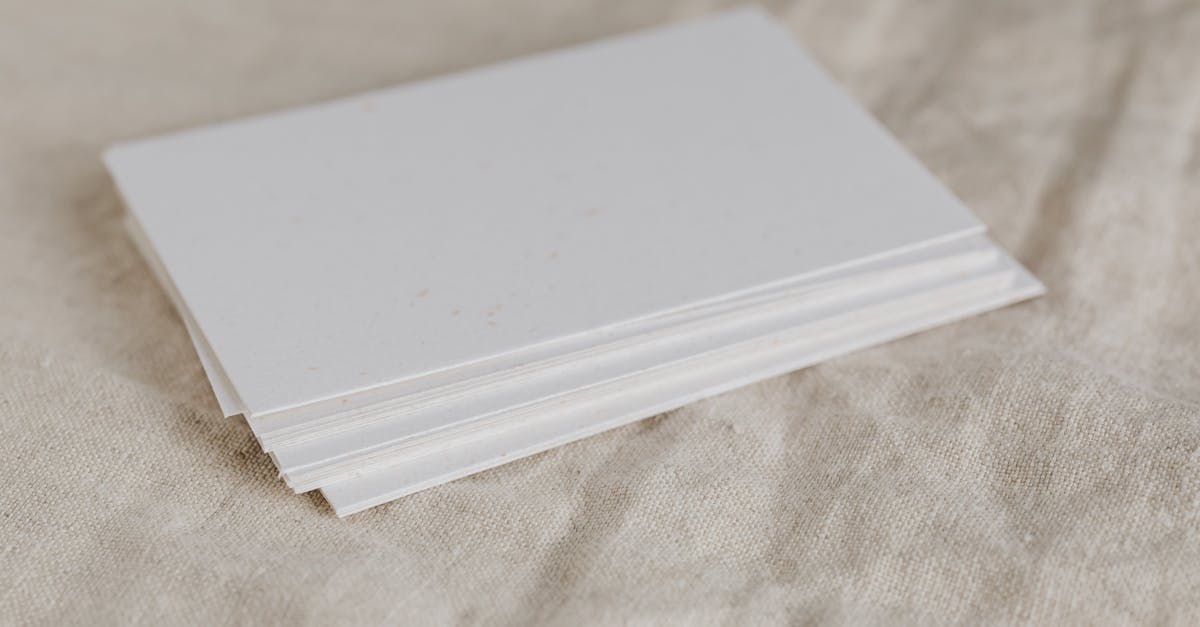
Look, I’ll be direct. In our industry, ‘blank papers’ is a manufacturing term. It refers to the large, unprinted, uncut sheets of paper that get fed into machines for ruling, cutting, and binding. It’s the raw canvas. But here’s where people trip up. They think all blank paper is the same. It’s not. It’s defined by three things that matter way more than you’d think: the weight (GSM), the finish, and the fiber content. The wrong choice makes a notebook feel cheap, causes ink to bleed, or results in pages that tear if you look at them wrong.
I was talking to a distributor last week — over the phone, actually — and he was furious. His last shipment of premium diaries had paper so thin you could see the next page’s writing. The supplier had swapped in a lower GSM paper to cut costs. It’s the kind of thing that kills a business relationship. And it starts with not knowing what to ask for when you hear “blank papers.”
The GSM Number: Why It’s The Only Thing That Matters Here
GSM stands for Grams per Square Meter. It’s the single biggest indicator of paper quality and feel. Higher GSM means thicker, more opaque paper. For standard school notebooks, we use around 54-58 GSM. It’s durable enough for pencil and pen, smooth for writing, and cost-effective for bulk. But for a corporate diary? You’re looking at 70-80 GSM minimum. It needs to handle a fountain pen without ghosting, feel substantial in the hand, and scream quality. The difference in cost is real, but the difference in perception is everything.
Most people don’t realize is that GSM also dictates how many pages you can physically bind into a book before it becomes a brick. A 700-page account book needs a specific, lighter-weight paper to be functional. Otherwise, you’re binding a doorstop.
Unruled vs. Single Ruled vs. Everything Else: The Layout Dilemma
Okay, so you’ve got your blank paper sheet. Now what? This is where the ruling type comes in — the lines on the page. “Blank papers” often means “unruled” to an end-user, but to a manufacturer, it’s the starting point before we print any lines. The ruling is a separate printing process. We offer SR (Single Ruled), UR (Unruled), DR (Double Ruled), Four Ruled for accounting… the list goes on.
The choice isn’t just aesthetic. It’s about function. Think about who’s using it.
- Students (Primary): Broad Ruled (BR) or Four Ruled (FR). Gives them space to form letters.
- College Students / Note-takers: Single Ruled (SR). Clean, efficient.
- Designers / Artists / Brainstormers: Unruled (UR) or Cross Ruled (CR). Freedom to sketch, diagram, think outside the lines.
- Accountants: Double Ruled (DR) or specific account book rulings. It’s about structure and ledger clarity.
Choosing the wrong ruling is like giving a carpenter a butter knife. They can maybe make it work, but they’ll hate every second of it. And they’ll blame the notebook — and by extension, you.
A Real-Life Story: Why Specs Matter
Let me tell you about Priya. She’s 38, a procurement manager for a chain of private schools in Hyderabad. Last monsoon, she ordered 50,000 “standard” long notebooks. The samples looked fine. The bulk order arrived. The paper felt okay, but within a week, teachers started complaining. The pages were coming unglued from the spine in the humid weather. The binding was failing. Why? The supplier had used a paper with a high pulp content and a smooth finish that the adhesive couldn’t bond to properly. It was a paper problem disguised as a binding problem. She had to replace the entire order mid-term. The cost was one thing. The trust was gone.
That’s the hidden cost of “blank papers.” It’s not just the sheet. It’s how it interacts with binding, with ink, with climate, with human hands.
Expert Insight
I was reading something last month from a print technician with decades of experience, and one line stuck with me. He said something like — paper has a memory. It remembers the tension of the mill rollers, the humidity of the warehouse, the pressure of the printing cylinder. A good manufacturer knows how to work with that memory, not against it. We source paper from mills that understand the Indian climate, that know their pulp blend needs to hold up in Rajahmundry’s heat and Mumbai’s humidity. I don’t have a cleaner way to put it than that. It’s not a commodity. It’s a living material.
Your Paper, Your Brand: The Customization Bridge
This is where it gets interesting for corporate buyers. When you order custom printed notebooks or diaries, you’re not just slapping a logo on a cover. You can customize the paper itself. Well, sort of. You’re choosing the GSM, the ruling, sometimes even adding a light watermark or a custom header on every page. That blank paper becomes a branded experience.
I think about this a lot. A tech company might want unruled, thick 100 GSM paper for their designers — a premium, sketch-friendly feel. A law firm might want classic, cream-colored, 80 GSM single-ruled paper for a traditional, authoritative vibe. The “blank paper” is the foundation of that entire brand gesture. It’s silent communication.
Blank Paper Types: A Quick Comparison for Buyers
| Feature | Standard Writing Paper (54-60 GSM) | Premium Diary Paper (70-90 GSM) |
|---|---|---|
| Best For | School notebooks, bulk orders, cost-sensitive projects | Corporate diaries, executive notebooks, art journals |
| Feel & Opacity | Lightweight, some show-through with markers | Substantial, high opacity, minimal ghosting |
| Writing Experience | Smooth for ballpoints & pencils | Excellent for fountain pens, gel pens; less bleed |
| Binding Consideration | Works with all binding types (stitched, spiral, perfect) | Best with stitched or premium perfect binding for lay-flat |
| Cost Implication | Most economical; the workhorse | Higher cost, but drives perceived value way up |
| Common Mistake | Using it for premium gifts — feels cheap | Using it for 500-page student books — too heavy/thick |
See? It’s not just paper. It’s a strategic choice.
The Practical Stuff: What to Ask Your Supplier
So you’re ready to talk to a manufacturer. Don’t just ask for “blank papers” or “notebooks.” That’s like walking into a car dealership and asking for “a vehicle.” Here’s what you need to specify. I’ve heard this enough times now to know it’s not coincidence. The buyers who get great results are the ones who ask these questions:
- “What GSM is the writing paper?” Get the number.
- “Can I see a swatch or a sample book of your paper options?” Feel it. Write on it.
- “Is this paper sized for pen or pencil?” (Sizing affects ink absorption).
- “What ruling types do you offer for this GSM?” Not all papers take all rulings well.
- “What’s the lead time on this specific paper?” Some papers are stock, some are mill-ordered.
This takes the edge off the whole process. It turns you from a price-shopper into a partner. And manufacturers like us love working with partners.
Frequently Asked Questions
What is the difference between blank paper and unruled paper?
In manufacturing, ‘blank paper’ refers to the raw, uncut sheets before any processing. ‘Unruled paper’ (UR) is the finished page inside a notebook that has no printed lines. So all unruled pages start as blank paper, but not all blank paper ends up unruled — it might be ruled, graphed, or printed on.
What GSM paper is best for school notebooks?
For most school notebooks, 54-60 GSM paper is the standard. It’s a sweet spot: durable enough for daily use, smooth for writing, and cost-effective for bulk orders. It handles both pencil and ballpoint pen well without being too bulky in a backpack.
Can I get custom-branded paper for my company diaries?
Absolutely. While you can’t custom-make the paper from scratch, you can select a specific GSM, color (like cream or white), and finish. You can also add custom watermarks, printed headers, or footers on every page during the ruling/printing stage. It’s a key part of creating a premium branded notebook.
Why does paper quality vary so much between suppliers?
Three main reasons: the source mill (paper quality), the pulp blend (more wood pulp vs. cotton content), and the sizing (chemical treatment for ink holdout). Cheaper suppliers often use lower-grade, recycled pulp with inconsistent sizing, leading to feathering ink and brittle pages. You get what you pay for.
How does climate affect blank paper for notebooks?
Paper is hygroscopic — it absorbs moisture. In humid climates, paper can expand, become wavy, and cause binding issues if not stored or treated correctly. In dry climates, it can become brittle. A good manufacturer sources paper and uses adhesives suited to the end destination’s typical climate.
Look, It’s Simple (But Not Easy)
Choosing the right blank paper comes down to understanding the user and refusing to see paper as just a cost line item. It’s the soul of the notebook. For bulk buyers, the pressure is to get the lowest price. I get it. But the real win is getting the right price for the right paper. That builds trust, ensures the product is used and appreciated, and gets you re-order after re-order.
I don’t think there’s one answer here. Probably there isn’t. But if you’ve read this far, you already know that the spec sheet matters. You’re just figuring out how to talk about it with your supplier. And that’s the whole game.
If you want to talk specs, samples, or just have a confusing quote you want a second opinion on, that’s what we’re here for. No jargon. Just paper.