Look, I'll Be Honest. You're Probably Searching for the Wrong Thing.
Right now, someone in procurement, or maybe a school administrator, is typing ‘binding store near me’ into Google. They need 5000 notebooks by next quarter. Or 2000 custom diaries for a corporate event. The image in their head is a little shop with a machine that binds documents.
Here's the thing — that's a retail solution for a B2B problem. A retail binding store is where you go to get your thesis bound, or a few reports spiral-bound. It's for tens of items, maybe a hundred. You're thinking bulk. You're thinking manufacturing. The frustration you feel when those local shop quotes come back sky-high, or they straight-up say ‘we can't do that volume’? That's the gap between what you searched for and what you actually need.
It's not about a store. It's about a source. If this sounds familiar, understanding the difference is the first step.
What a ‘Binding Store’ Really Is (And Why It Doesn't Scale)
Let me break down what you typically find. A local binding store, a print shop, a copy center — their core service is finishing. They take pre-printed pages you bring them and apply a binding: maybe spiral (coil), maybe thermal (perfect binding), maybe stapling. They charge per unit. The per-unit cost is high because their machine setup, labor, and overhead are spread over a tiny batch.
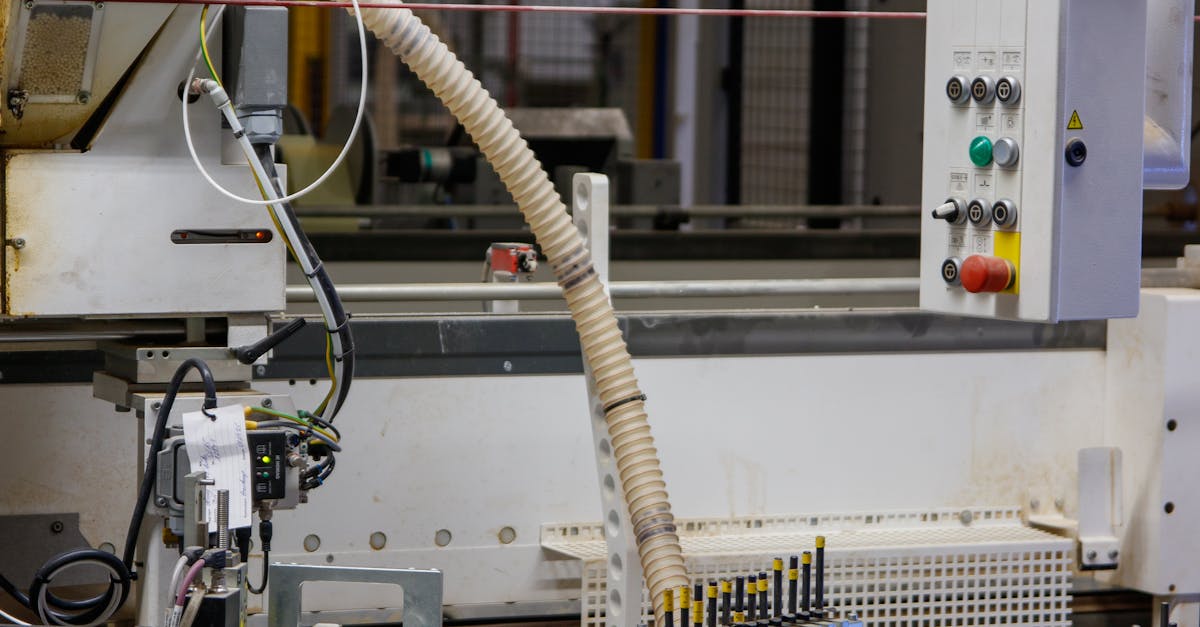
Now, think about your order. 10,000 school notebooks. Each notebook has a custom cover, 92 pages of specific ruling, and needs to be packed in bundles of 50. A retail store looks at that order and sees a thousand separate setups. A manufacturer looks at that order and sees one production run. The entire process — from cutting the parent paper reels, to printing, to folding, to gathering signatures, to binding, to trimming — is a continuous, optimized flow. The cost per unit plummets. The consistency skyrockets.
I was talking to a procurement manager from a college last month — over a very rushed phone call — and he said something that stuck with me. He said, “We used a local guy for years for top-ups. Then we got the tender for the entire freshman class. His quote was a heart attack. We didn't know there was another way.” Nine times out of ten, that's the moment people realize they need a manufacturer.
The Real-Life Shift: From Store to Factory Floor
Let me give you a picture. Not a metaphor — an actual scene.
Rohit, 42, is the operations manager for a mid-sized stationery distributor in Hyderabad. His biggest client, a chain of coaching institutes, just ordered 25,000 custom A4 notebooks. He used to source covers from one printer, get plain paper from a mill, and then ferry it all to a binding service in the industrial estate. The coordination was a nightmare. One late delivery from the cover printer shut down the whole binding line for a day. Lost money. Angry client.
Last year, he switched. He found a manufacturer that handled it soup to nuts. He sent the design file. They sourced the paper, printed, bound, packed, and palletized the entire order. His job went from logistics firefighter to quality checker. He showed me a photo on his phone — a warehouse floor with neat, shrink-wrapped stacks reaching the ceiling. “This,” he said, tapping the screen, “is peace of mind.”
That's the shift.
What You're Actually Looking For: A Manufacturer's Capabilities
So when you type ‘binding store near me,’ the intent is ‘I need things bound.’ But the deeper need is ‘I need a reliable, cost-effective way to produce finished, bound paper products at scale.’ That changes your checklist completely.
Forget location. You need to look for capabilities.
- In-House Printing: Can they print your custom covers and interior pages? Offset for long runs, digital for short? This eliminates your biggest dependency.
- Paper Sourcing & Inventory: Do they buy paper in parent reels directly from mills? This is where 40% of your cost and quality is decided.
- Binding Line Speed: A retail binder does hundreds a day. A manufacturing line does thousands. Our line, for instance, runs at 30,000-40,000 notebooks per day. That speed is what makes bulk pricing possible.
- Finishing & Packing: Automatic trimming, counting, bundling, shrink-wrapping. It sounds simple, but hand-packing 50,000 notebooks is a budget-killer.
And honestly? Most local shops have none of this. They're the last step in a broken chain. A manufacturer is the chain.
Expert Insight
I was reading an industry report last quarter — one of those dry, expensive ones — and a single line about procurement strategy jumped out. It said the most successful institutional buyers stop thinking of notebooks as a ‘supply item’ and start thinking of them as a ‘manufactured component.’ You wouldn't buy car parts from fifty different hobbyists and then look for an assembly shop. You'd go to a parts manufacturer. That reframe, from shopper to production manager, changes everything. It's not about finding a store. It's about commissioning a production run.
Spiral, Stitched, or Perfect? It's Not Just a Choice, It's a Cost Driver.
Okay, let's get into the weeds a bit. Because the type of binding isn't just about looks or function for the end-user. For you, the buyer, it's a major variable in your total cost and production timeline. A retail store might offer two options. A manufacturer offers a strategic recommendation.
| Binding Type | Best For | Durability | Lay-Flat? | Manufacturing Speed & Cost Impact |
|---|---|---|---|---|
| Stitched (Saddle-Stitched) | School notebooks, standard diaries, booklets up to 96 pages. | Good for regular use. | No | Fastest & most economical for high-volume runs. The workhorse of the notebook world. |
| Spiral (Coil) Binding | Drawing books, project reports, notebooks that need to fold back completely. | Excellent. Coil protects pages. | YES | Slower. Adds cost for the coil material and the manual/auto winding process. Price per unit goes up. |
| Perfect Binding | Thicker corporate diaries, annual reports, premium notebooks (200+ pages). | Very good, but can crack if abused. | No | Needs a dedicated machine. Great for a sleek, book-like finish, but not for low-cost, high-volume school items. |
See, a store will ask you “Which one do you want?” A manufacturer will ask, “What's the use case and budget?” and then tell you which one makes sense. For 90% of bulk school and office orders, stitched binding is the answer — it's durable enough and keeps the price where it needs to be. The choice isn't aesthetic. It's economic.
The Local Illusion vs. The National (or Global) Reality
This is probably the biggest mental hurdle. We're trained to think ‘local is better.’ For fresh bread, sure. For manufacturing 50,000 identical products, not necessarily. Your ‘local’ binding store is getting its paper, its covers, its coils from someone else, likely far away. You're just paying for all that transport and middleman markup in the final ‘local’ price.
A manufacturer situated in an industrial cluster — like Rajahmundry, which is a major hub for paper and printing — has the mills and raw material suppliers at its doorstep. The logistics are built into the supply chain from the start. So your notebooks might travel 1000km to you once, as a finished product, instead of the components traveling 500km each to a local binder who then adds his margin. The math almost always works in favor of the direct manufacturer, even with freight. That's why clusters exist.
It feels counterintuitive. But your search for ‘near me’ might be limiting you to the most expensive, least scalable option available.
So, What Should You Do Instead?
Three things. Simple.
- Change Your Search Terms: Stop searching for ‘binding store.’ Start searching for ‘notebook manufacturer,’ ‘bulk diary supplier,’ ‘custom stationery production.’ The results will be completely different.
- Ask About Minimum Order Quantity (MOQ): A true manufacturer will have one. For custom work, it might be 1000 pieces. For a retail binder, the MOQ is 1. That tells you everything about their business model.
- Request a Facility Tour or Video: Ask to see the production line. Not a shiny office. The factory floor. If they have a continuous line from paper reel to packed box, you're in the right place. If they show you a single machine in a room, you're back at a store.
Look, the need for something tangible, something you can visit, is real. I get it. But in our world, that visit is to a factory, not a storefront. The trust comes from seeing scale and process, not proximity.
Frequently Asked Questions
Can't a local binding store just outsource my big order?
They can, and often do. But that's the problem. They become a middleman, adding their margin on top of the manufacturer's price. You also lose direct control over quality, timing, and communication. You're paying extra for someone to forward your emails.
What if I only need a few hundred custom notebooks?
Then a local digital print and bind shop might be perfect! The ‘store vs. manufacturer’ question is about scale. For short runs, prototyping, or urgent small batches, a local service is the right, agile choice. The crossover point is usually around 1000-2000 units for standard items.
How do I know if a company is a manufacturer or just a reseller?
Ask specific technical questions: “What GSM paper do you stock in-house?” “Can I see your stitching machine line?” “What's your daily output capacity for A4 single-ruled notebooks?” A reseller will give vague answers or talk about their “partners.” A manufacturer will know the specs and invite you to see it.
Isn't shipping from a manufacturer far away expensive and slow?
It's factored into the FOB price. A manufacturer's unit cost is so much lower that even with freight, your total landed cost is often cheaper. They're also experts at logistics; we ship containers internationally every week. For a bulk order, the shipping cost per notebook becomes negligible.
What's the lead time for a bulk order from a manufacturer?
It depends on the order complexity, but for a standard design, a manufacturer with a running production line can typically turn around 50,000 notebooks in 2-3 weeks from order confirmation. A local store trying to assemble that would quote months or decline. Speed at scale is a core advantage.
Wrapping This Up
That search for a ‘binding store near me’ comes from a real need — you have a project, a tender, an annual requirement that needs to get done. It's a practical problem. But the solution isn't geographical. It's industrial.
The shift is from thinking like a shopper to thinking like a production manager. You're not buying a service; you're commissioning a product run. The relationship isn't transactional; it's strategic. That's the quiet realization that saves procurement heads countless headaches and budgets every year.
I don't think there's one perfect answer for every single order. But if you're reading this because that search term didn't give you what you needed, you're already on the right path. You're figuring out that the scale of your problem requires a different kind of solution. Sometimes, the right next step is just a different conversation.