Look, You’re Probably Overthinking This
You need to order stationery. Could be notebooks, could be pads. And you’ve typed in “writing pads” because the procurement portal says that, or your vendor asked, or you just saw it on a quote. Right? But here’s the thing — most people who aren’t in the stationery game don’t actually know the difference between a notebook, a legal pad, a scribbling pad, and a writing pad. And honestly? That’s fine. It’s our job to know.
I’ve been making these things since 1985. I’ve seen a million orders come through, and I can tell you the confusion is real. A school principal wants “writing pads” but actually needs single-ruled notebooks. A corporate manager orders “notepads” for a conference and gets the wrong binding. It happens all the time. The problem isn’t you — it’s that the terms get thrown around like confetti. If you’re a procurement manager or a buyer trying to figure out what you actually need, let’s just talk it out. No jargon. No fluff. Because getting this wrong means wasted money and a lot of annoyed employees or students. We’ve sorted this out for hundreds of clients, and it usually starts with a simple chat.
So, What Exactly Is a Writing Pad?
Let’s clear this up first. In the industry, “writing pad” is a bit of a catch-all. It can mean a few things, but at its core, it’s a stack of paper sheets held together at one edge — usually the top — designed for temporary or rough work. The key difference from a bound notebook? The sheets are meant to be torn off. That’s the whole point.
Think about the last time you were on a customer service call. The agent scribbled notes on a pad on their desk. That’s a writing pad. Or the supervisor on a factory floor, jotting down a quick measurement. Or the waiter taking your order. It’s for notes you need right now, but don’t necessarily need to archive forever in a bound book.
Three things happen when you get the right pad: efficiency goes up (no fumbling), costs go down (you’re not using expensive bound books for quick notes), and organization gets easier (tear off the sheet and file it, pass it on, or trash it). The wrong pad? It’s a small headache that happens twenty times a day.
The Main Types You’ll Encounter
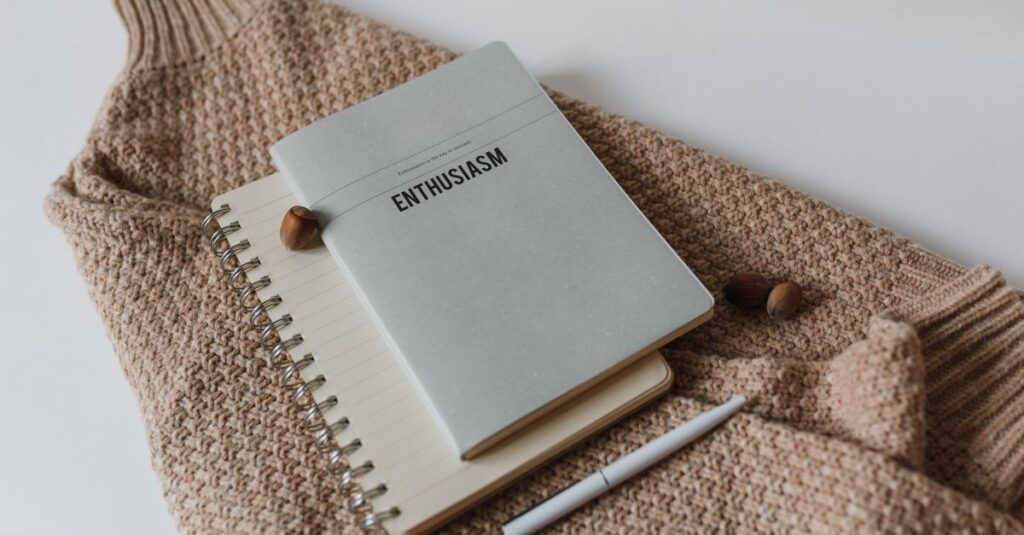
- Top-Spiral Pads: The classic. A metal or plastic spiral at the top. Durable, lays flat, easy to tear. This is probably what most people picture.
- Glue-Bound Pads (or “Padded”): Sheets glued together at the top with a strip of adhesive. Simpler, often cheaper. The tear-off is clean, but sometimes you get that little fringe of paper left behind. You know the one.
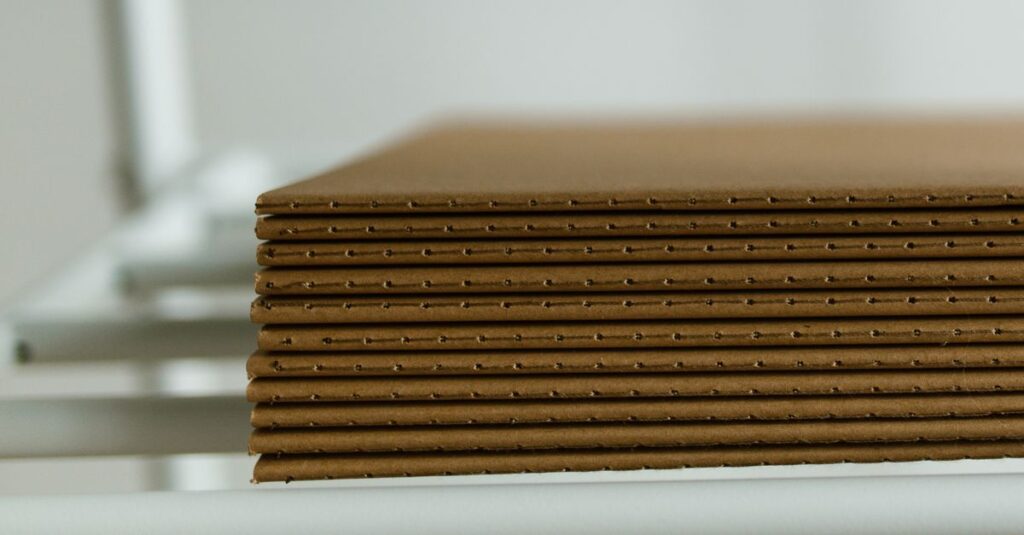
- Stitched Pads: Less common for tear-aways, but we do it. A few stitches at the top. Extremely secure, but the tearing isn’t as clean. Used for more formal memo pads sometimes.
- Legal Pads: A subtype. Longer sheets (legal size), usually yellow, with a gummed top edge and that distinctive margin line down the side. For longer-form notes.
The choice isn’t about which is “better.” It’s about what disappears fastest from your storage room because people actually use it.
The Real-Life Test: A Micro-Story
Let me tell you about Anika. She’s 38, procurement head for a chain of 12 private schools in Hyderabad. She ordered 5,000 “writing pads” last July from a new supplier. What arrived were beautiful, thick, perfect-bound notepads — basically slim notebooks. Teachers hated them. They couldn’t tear out a page to give to a student or stick on the notice board. They were using scissors, which looked ridiculous. The pads sat in cupboards, and teachers went back to buying cheap local pads themselves. Anika’s budget was spent, her trust was broken, and the waste was visible every day. She called us, frustrated, and said, “I just wanted something they could tear a page from. Why is that so hard?” It isn’t. But you have to say the quiet part out loud: “I need sheets that tear off.” That simple phrase changes everything.
Writing Pad vs. Notebook: The Battle No One Asked For
This is where most bulk buyers get tripped up. You’re comparing apples and… well, bound apples. Let’s break it down so you can look at your quote and know instantly if it’s right.
| Feature | Writing Pad | Notebook |
|---|---|---|
| Primary Use | Temporary notes, messages, quick drafts. | Permanent record, journaling, subject notes. |
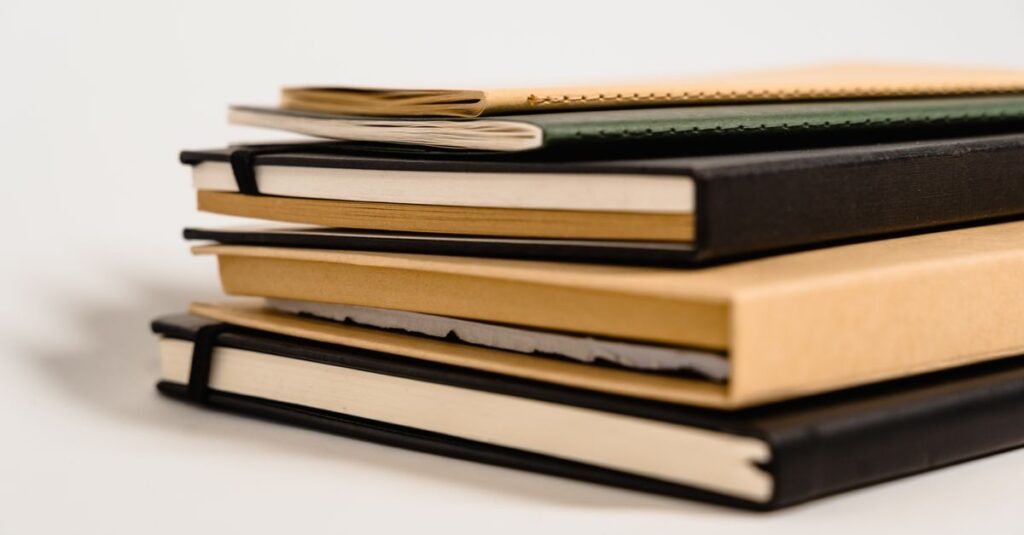
| Sheet Binding | Spiral or glue at TOP edge only. | Stitched, spiral, or perfect binding on the SIDE. |
| Sheet Fate | Designed to be torn off and removed. | Designed to stay bound permanently. |
| Perception | Disposable, functional, utilitarian. | Durable, archival, personal. |
| Ideal For | Reception desks, call centers, retail counters, factory floors, quick meeting notes. | Student subjects, corporate meeting minutes, project journals, personal diaries. |
| Cost (Bulk) | Generally lower per sheet. Less binding work. | Generally higher. More durable materials & binding. |
If your staff are archiving their notes in a filing cabinet, give them a notebook. If their notes are on a clipboard for the day and in the bin by evening, give them a pad. It’s that straightforward.
What to Specify When You Order (The No-Nonsense List)
Okay, so you know you need pads. Don’t just send an email saying “Quote for writing pads.” You’ll get fifty different options and a headache. Be specific. Here’s what we need to know to give you the right thing:
- Size: Crown Size (like A4), King Size, or something custom? Measure the desk space or clipboard.
- Sheet Count: How many sheets per pad? 50? 100? More sheets = thicker pad, but sometimes harder to write on at the bottom.
- Paper Quality (GSM): This is weight. 60-70 GSM is standard for writing. Go thinner (50 GSM) for ultra-cheap, disposable pads. Go thicker (80+ GSM) if you’re using marker pens that might bleed.
- Ruling: Plain (unruled), single-ruled (SR), or squared (graph)? Most corporate pads are plain. Schools might want ruled.
- Binding: Top spiral or glue-bound? Spiral lasts longer if the pad gets heavy use.
- Cover: A simple cardboard back? A printed front cover with your logo? This is where branding comes in.
I was talking to a distributor from Gujarat last month — over the phone, actually — and he said the biggest mistake his clients make is ordering the same pad for the accounts department and the warehouse floor. The accounts team needs a nicer feel, maybe a logo. The warehouse needs something rugged that can get a bit dirty. Ordering one type for both means someone’s unhappy. And unhappy users don’t re-order.
Expert Insight
I was reading an old trade magazine once, and this line stuck with me from a facilities manager at a big bank. She said, “The stationery that works best is the stationery you don’t notice.” It doesn’t jam the printer, the pen doesn’t skip, the page tears cleanly. It just… works. That’s the goal. For writing pads, that means the glue isn’t so weak the pad falls apart, or so strong you need a knife. The spiral doesn’t snag on clothes. The paper takes ink without feathering. It’s not glamorous. It’s functional. But when it’s wrong, you notice it all day long. The irony is, the better we manufacture them, the less you think about them.
The Customization Game: Why Your Logo on a Pad Matters
This is where it gets interesting for corporate buyers. A writing pad with your company logo isn’t just stationery; it’s a tiny, daily billboard. It’s on desks, in meeting rooms, in client offices when your rep takes notes. It signals professionalism. But — and this is a big but — the customization has to be done right.
We see two extremes: companies that spend too much on lavish pads for every single employee, and companies that stamp a pixelated logo on the cheapest possible pad and wonder why it looks shabby. The middle path is what works. A clean, sharp logo print on a durable cover. Good quality paper inside that doesn’t feel like it’ll disintegrate. It’s about perceived value. A client sees your employee using a well-made pad, and it subtly reinforces that you pay attention to detail. It’s a small thing. But in business, small things add up.
Getting the print right is its own art — alignment, colour matching, cover stock. Don’t just send a JPEG and hope. Work with a manufacturer who asks questions about the finish. Because that pad might be the first tangible thing a new client sees from your company.
Bulk Buying: The Pitfalls and How to Avoid Them
You’re ordering 10,000 pads. Price is a thing, obviously. But the cheapest quote can be the most expensive mistake. Here’s what they might be cutting corners on:
- Paper Quality: Sub-par paper feels rough, causes pen drag, and shows ink on the other side (show-through). It demotivates people from using it.
- Binding Strength: Weak glue means sheets fall out. An overly tight spiral makes the pad hard to flip.
- Cut Consistency: If the sheets aren’t cut evenly, the pad looks and feels sloppy. It’s a sign of poor manufacturing control.
- Moisture Content: Paper stored in a damp warehouse can warp or get wavy edges. It feels old before its time.
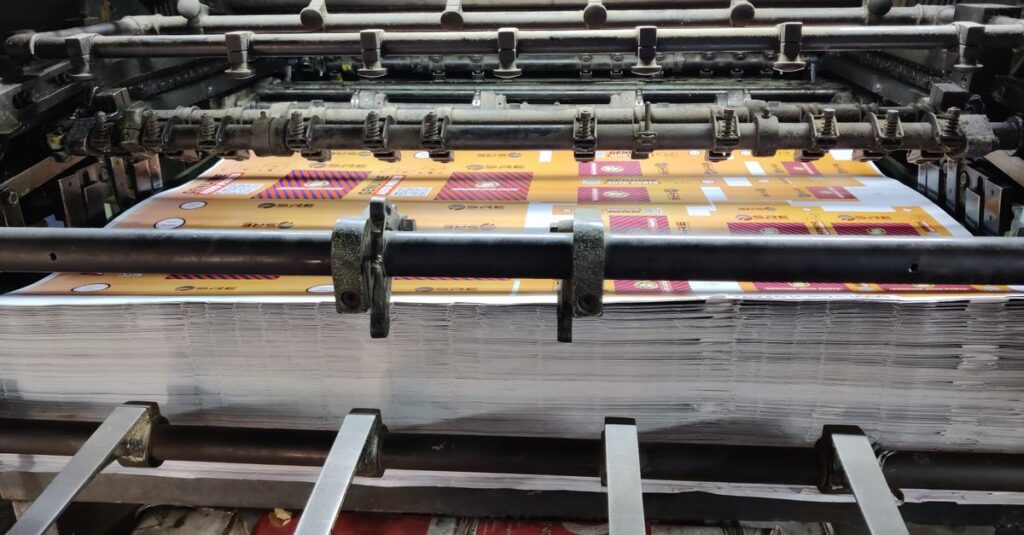
The truth is, a reliable manufacturer has consistent processes. We’ve been doing this for 40 years in Rajahmundry — we know how the humidity in July affects paper stock, how to adjust the glue for different weights, which spiral wire works best for 100-sheet pads. That knowledge doesn’t show up in a spec sheet, but it shows up on the desk of every person who uses the pad. Ask for samples. Always. Feel them, write on them, tear a page. Then decide.
Frequently Asked Questions
Frequently Asked Questions
What is the standard size for a writing pad?
There’s no single standard, but the most common in India is Crown Size (roughly A4, or 21 x 29.7 cm). For corporate desks, King Size (23.6 x 17.3 cm) is also popular. It really depends on the use case. We always recommend getting a sample to see if it fits the intended space.
Are writing pads cheaper than notebooks in bulk?
Generally, yes. Writing pads usually have simpler binding (just glue or a top spiral) and fewer pages than a comparable notebook. This often makes them more cost-effective for high-volume, temporary note-taking needs in offices or schools.
Can I get custom-branded writing pads for my company?
Absolutely. Most manufacturers, including us, offer custom printing for writing pads. You can print your logo, company name, or even specific headers (like “Memo From” or “Meeting Notes”) on the cover or each sheet. It’s a great tool for branding and uniformity.
What paper GSM is best for everyday office writing pads?
For daily use with ballpoint pens, 60-70 GSM paper is the sweet spot. It’s opaque enough to prevent show-through, has a good writing feel, and remains cost-effective. If you’re using fountain pens or markers, consider moving to 75-80 GSM.
How long does production take for a bulk order of custom pads?
It varies, but for a standard custom order of a few thousand pads, expect about 2-3 weeks from finalizing the design to dispatch. This includes printing, binding, drying time, and quality checks. Always factor this into your procurement timeline.
Wrapping This Up
Choosing writing pads isn’t rocket science, but it’s not something to just click through on a procurement portal either. It’s about understanding the simple, physical job it has to do: hold paper, let people write, and let them tear a sheet off cleanly. Everything else — size, paper, binding, logo — is just fine-tuning that basic function.
I think the biggest takeaway is this: the people using these pads know what works. Ask them. The receptionist who goes through three pads a month knows which one doesn’t snag her sleeve. The warehouse manager knows which paper can survive a dusty environment. Their frustration — or lack of it — is your best quality report. Don’t buy in a vacuum.
If you’ve read this far, you’re probably trying to get an order right, or fix one that went wrong. You’re past the basic search. You’re looking for someone who gets the details. Maybe that’s us, maybe it’s not. But the next step is to talk specifics. Tell us what you need them for, and let’s figure out the actual thing that’ll disappear from your stockroom because it’s useful, not because it’s broken.