The Urgent Search That’s Often a Wrong Turn
You’re probably sitting at your desk right now. An email just landed: you need 5000 notebooks for the upcoming academic year. Or maybe you’re a procurement manager staring at a budget spreadsheet, realizing the corporate diaries for 2023 need to be ordered — yesterday.
Your first instinct? Google. You type “copy shop near me open now”.
It’s a panic move, honestly. A desperate hope that a local shop can somehow handle a bulk order that’s meant for a factory. Because you need a solution now, and “near me” and “open now” feel urgent, controllable. But nine times out of ten, that search is a detour. A local copy shop can print a few flyers or bind a report. They cannot, I promise you, manufacture 10,000 durable school notebooks with custom covers in two weeks. The question isn’t whether you need notebooks. It’s whether you’re ready to admit that your need is industrial, not retail.
If you’re in that spot — staring at a bulk order that feels overwhelming — looking at the source is probably the smarter first step.
The Real Problem: Your Need Isn’t Retail, It’s Industrial
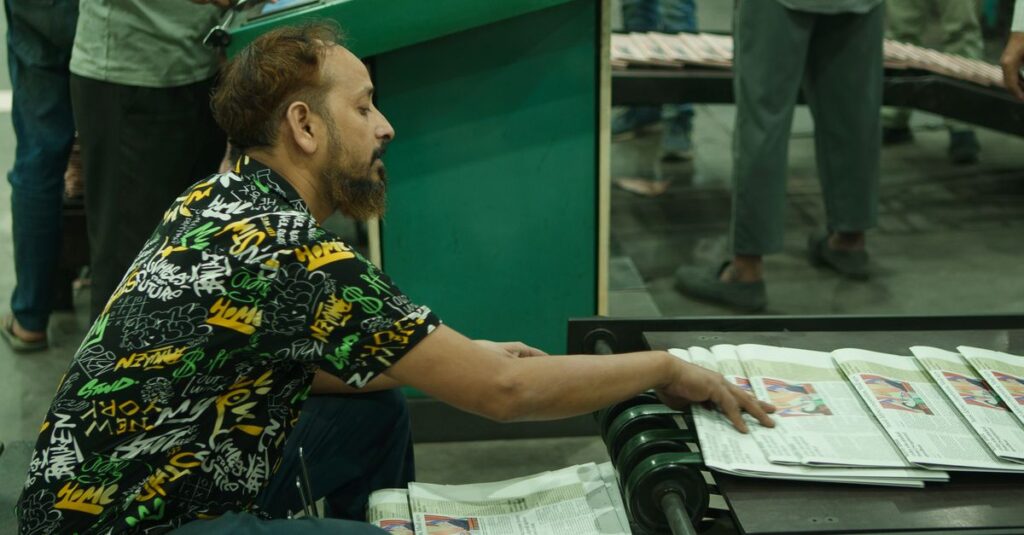
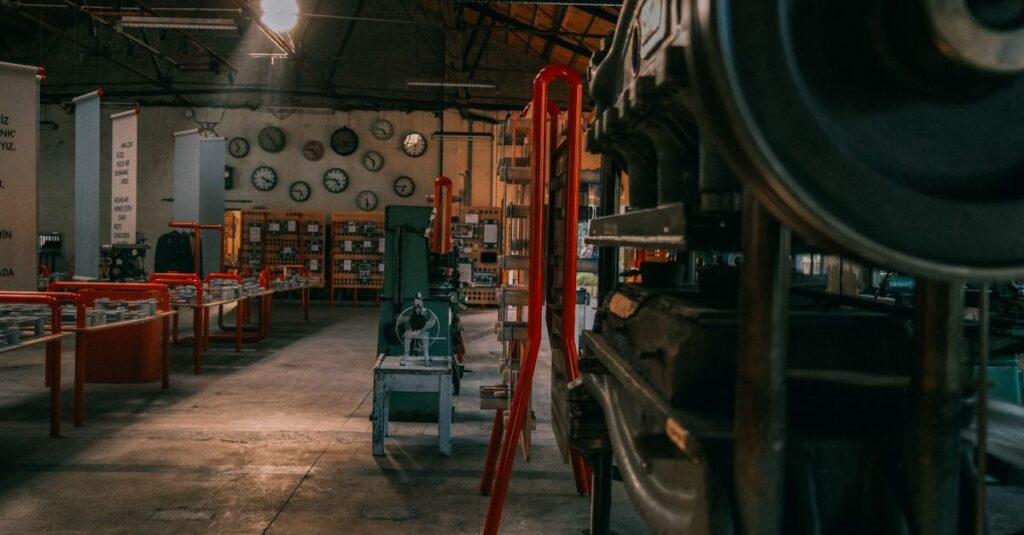
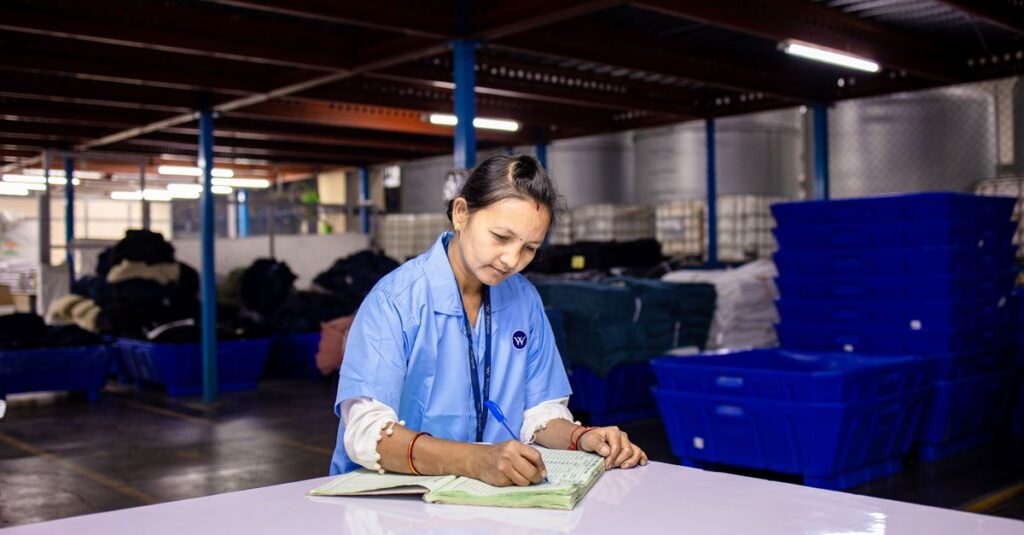
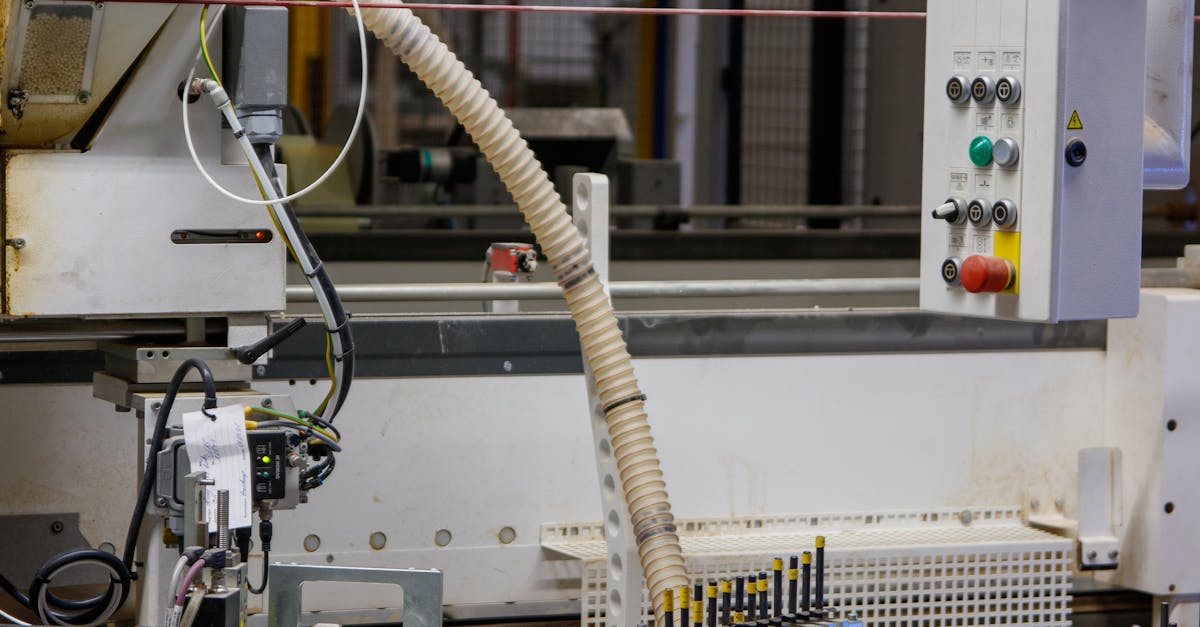
Let’s be clear about what you’re actually searching for. When a school, a corporation, or a government institution needs notebooks, they aren’t looking for a quick photocopy. They’re looking for a manufactured product. This involves sourcing paper, designing layouts, choosing binding, printing covers, collating pages, and packing for distribution. A copy shop has a digital printer and a laminator. A notebook manufacturer has a factory floor.
Think about it this way. If you need to feed a hundred people, you don’t go to a street-side snack vendor. You contact a catering service. The scale changes everything. The machinery, the process, the pricing, the timeline — it all shifts from a retail transaction to a production project. Searching for a “copy shop” in that moment is like looking for a snack vendor when you need a caterer. You’ll get a polite “we can’t do that” or a quote so high it makes your eyes water.
Here’s the thing most procurement officers eventually learn: the real urgency isn’t about finding a shop that’s open now. It’s about finding a partner who can be ready now, for the scale you actually require.
A Quick, Real-Life Scene
Rohit, 42, is a procurement manager for a chain of private schools in Hyderabad. He got the directive on a Tuesday morning: 15,000 notebooks across four different rulings (Single Ruled, Double Ruled, Unruled, Four Ruled) for the new term. His first Google search was exactly that — “copy shop near me open now”. He called three places. One said they could maybe do 200. Another quoted a price per notebook that was triple his budget. The third just laughed and said, “Sir, this is a printing job, not a binding job.” He spent the whole afternoon on those calls. By 5 PM, he realized he’d been looking for the wrong solution entirely.
He didn’t need a shop. He needed a pipeline.
The Anatomy of a Notebook: Why Manufacturing is Different
When you walk into a copy shop, you see printers, maybe a small binding machine. What you don’t see is the industrial process behind a simple notebook. Let me break down what you’re actually buying when you order in bulk.
- Paper Sourcing & Quality: It starts with rolls of paper — 54 GSM, 70 GSM, or more — bought in tonnes, not sheets. This paper is cut into specific sizes: King Size (23.6×17.3 cm), Long (27.2×17.1 cm), Account (33.9×21 cm). A copy shop buys pre-cut A4 sheets.
- Printing & Ruling: The inside pages are printed with rulings — SR, DR, FR — using large-scale offset printing machines that run thousands of sheets per hour. A copy shop’s digital printer might do 50.
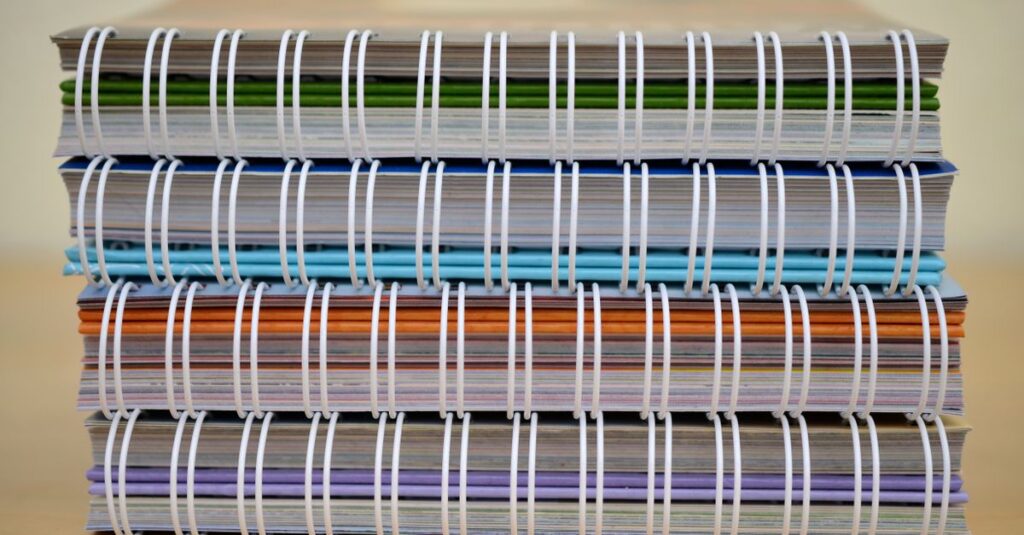
- Binding: This is where it gets real. Spiral binding, perfect binding, or stitched binding requires dedicated, heavy machines. We have machines that can bind 30,000-40,000 notebooks a day. A copy shop might have a desktop spiral binder.
- Cover Production: Custom covers with logos, school emblems, corporate designs — these are printed on cover stock, often laminated, and then glued or bound. This is a separate production line.
- Packaging: Bulk orders are packed in cartons, labeled, and prepared for shipping — often directly to multiple schools or offices.
Every single step here is industrial. The “near me open now” search misses this entire reality. You’re not looking for a service; you’re looking for a production capacity.
What You Actually Need (And What You Don’t)
Okay, let’s get practical. If you’re searching for that phrase, you likely fall into one of these categories:
- A school or college admin needing notebooks for the next academic year.
- A corporate office manager ordering branded diaries or notepads for employees.
- A government institution procuring record books or account books.
- A distributor looking to stock up for the season.
Your needs are specific: bulk quantities, consistent quality, durability for daily use, customization options, and a price that makes sense for volume. What you don’t need is a retail service that charges per page, offers 10 binding options for your single report, or has a “walk-in” counter.
I was talking to a stationery distributor from Gujarat last month — over a phone call, actually — and he said something that stuck. He said, “The moment my order size crosses 5000 units, my search term changes from ‘supplier’ to ‘manufacturer’. Because only a manufacturer has the machinery to not just print, but to produce.”
Right. That’s the shift. From buying a product to commissioning a production run.
Expert Insight
I’ve been in this industry for a long time, and the confusion is understandable. The line between “printing” and “manufacturing” is blurry until you see the factory floor. One thing I read a while back — I can’t remember the exact source — was a study on procurement habits. It said that buyers often use retail search terms for industrial needs because the retail terms are more familiar, more immediate. The problem isn’t knowledge; it’s language. You know you need notebooks, but you don’t know that the solution is a notebook manufacturing plant, not a copy shop. And that gap — between knowing the product and knowing the source — costs people a lot of time and budget.
Copy Shop vs. Notebook Manufacturer: A Side-by-Side Look
Let’s make this crystal clear. Here’s what you get from each, and why one is built for your actual problem.
| Factor | Local Copy Shop (“Near Me Open Now”) | Notebook Manufacturer (Like Sri Rama Notebooks) |
|---|---|---|
| Primary Service | Digital printing, small-scale binding, laminating, photocopying. | Industrial-scale notebook manufacturing from raw paper to finished product. |
| Scale Capacity | Usually limited to hundreds of units, not thousands. | Capable of producing 30,000-40,000 notebooks per day. |
| Customization Depth | Can print your logo on a pre-made notebook cover. | Can create custom cover designs, choose paper GSM, select ruling types (SR, DR, FR, etc.), and tailor binding (spiral, stitched, perfect). |
| Paper & Material Control | Uses standard, pre-cut paper stocks available to retailers. | Sources paper in bulk, controls GSM quality, and cuts to exact notebook sizes (King Size, Long, Account, etc.). |
| Binding Technology | Desktop spiral binders, simple stapling. | Industrial stitching machines, automated spiral binding lines, perfect binding equipment. |
| Pricing Model | Retail pricing per page, per binding, high per-unit cost. | Bulk manufacturing pricing, cost-efficient per unit, lower overall project cost. |
| Turnaround Time for Bulk | Slow for large orders, as it’s outside their normal workflow. | Built for bulk; faster turnaround as it’s the core business. |
| Best For | Urgent small jobs: printing reports, binding a few presentations. | Bulk institutional needs: school notebooks, corporate diaries, government record books, distributor stock. |
THIS IS THE PART NOBODY SAYS OUT LOUD: If your order is above 1000 units, a copy shop is not just a bad choice — it’s an impossible one.
How to Actually Find What You Need (A Practical Shift)
So, if “copy shop near me open now” isn’t the right search, what should you do? The shift is simple but mental.
First, acknowledge the scale. Is your need for 500 notebooks or 5000? If it’s the latter, your search term must change. Think “notebook manufacturer,” “bulk notebook supplier,“ “custom notebook printing,” or “stationery production.”
Second, look for capability, not location. The “near me” part is comforting but irrelevant. With logistics today, a manufacturer in Rajahmundry can supply notebooks to a school in Delhi faster than a local shop can produce them. What matters is the factory’s daily output capacity, its binding options, and its paper quality. You need to see what they can actually produce.
Third, think long-term. A copy shop is a one-time transaction. A manufacturer can be a supply partner for years — for every academic year, every corporate diary cycle, every distributor stock-up. That relationship saves you the panic search every single time.
And honestly? Most people figure this out after one failed attempt with a local shop. The frustration of that wasted day teaches you the difference.
The Specifics of Notebook Manufacturing You Should Know
If you’re now thinking, “Okay, I need a manufacturer,” here’s what you should be looking for. These are the industrial details that matter.
- Paper GSM: For school notebooks, 54 GSM writing paper is standard. It’s smooth, durable enough, and cost-effective. Higher GSM is thicker, more premium — for corporate diaries maybe.
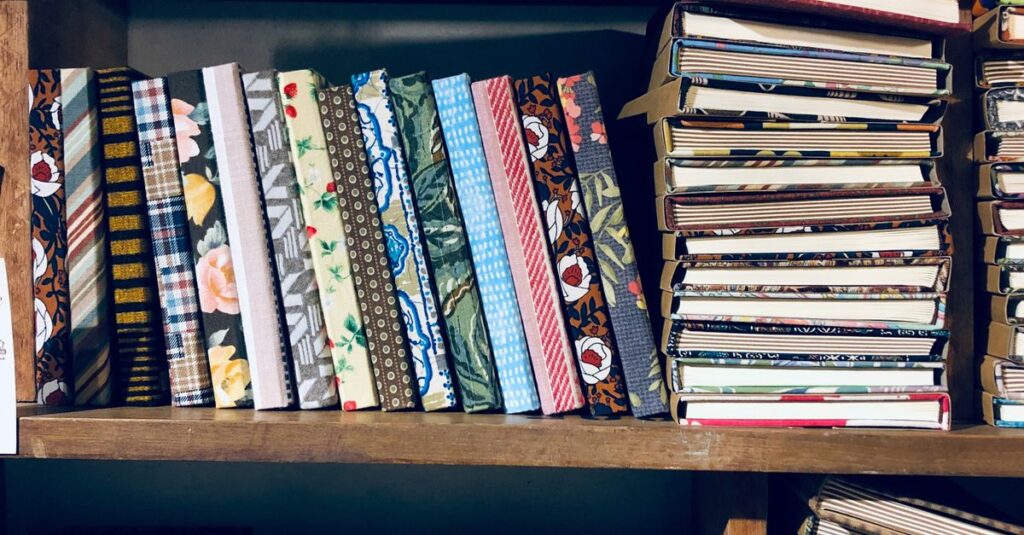
- Binding Types: Stitched binding is classic and strong for standard notebooks. Spiral binding allows the notebook to lie flat — good for drawing books. Perfect binding gives a clean, book-like edge for premium diaries.
- Ruling Options: This is crucial for schools. Single Ruled (SR), Double Ruled (DR), Four Ruled (FR) for younger kids, Unruled (UR) for drawing. A manufacturer offers these as standard choices; a copy shop would have to custom-print each page.
- Customization: Can they put your school logo, your corporate brand, your specific design on the cover? Not just print it, but integrate it into the cover material?
- Export Capability: If you’re an international buyer, can they handle shipping, documentation? We supply to the Gulf, Africa, the USA — because the production is here, but the logistics are global.
Look, I’ll be direct. When you understand these details, the phrase “copy shop near me open now” feels like asking a bicycle shop to build you a truck. It’s not just about scale; it’s about the fundamental nature of the product you need.
Conclusion: Stop Searching for a Shop, Start Looking for a Source
The panic search is natural. The deadline is real. But the solution isn’t local; it’s industrial.
If you’re a procurement manager, a school administrator, a distributor — your need isn’t for a quick print job. It’s for a reliably manufactured, bulk-supply, customized stationery product. That comes from a factory, not a shopfront.
I don’t think there’s one perfect answer for everyone. But if you’ve read this far, you already know the mismatch. You’re searching for “copy shop near me open now” because it feels urgent and close. What you actually need is a notebook manufacturer who is ready, capable, and built for your scale — even if they’re not “near you” in the traditional sense.
Maybe the next search should be different. Maybe it’s time to look at what a manufacturer actually does.
Frequently Asked Questions
Can a local copy shop really make 5000 custom notebooks?
No, almost never. A copy shop’s equipment is for small-scale, digital printing jobs like reports or flyers. Producing 5000 notebooks involves industrial paper cutting, large-scale ruling printing, specialized binding, and bulk cover production — which is a factory operation, not a retail service.
What should I search for if I need bulk notebooks urgently?
Switch your search terms to “bulk notebook manufacturer,” “custom notebook printing company,” or “stationery production supplier.” Look for companies that list their daily production capacity (like 30,000 notebooks/day) and offer specific notebook sizes and ruling options.
What’s the main difference between a copy shop and a notebook manufacturer?
The core difference is scale and process. A copy shop provides a printing service on existing materials. A notebook manufacturer runs a production line: they source raw paper, print rulings on massive sheets, bind thousands of units daily, and produce custom covers from scratch.
Is it more expensive to order from a manufacturer than a local shop?
For bulk orders, it’s significantly less expensive. A local shop charges retail per-unit prices for a job outside their normal work, making the cost skyrocket. A manufacturer’s pricing is based on bulk material costs and efficient production lines, resulting in a lower cost per notebook for large quantities.
How long does it take a manufacturer to produce a bulk order of notebooks?
It depends on the manufacturer’s capacity. A factory like ours can produce 30,000-40,000 notebooks per day. So, an order of 10,000 notebooks might be completed in a matter of days, not weeks. This is often faster than a copy shop struggling with a large order outside its scope.