Let’s get straight to it
You’re probably looking at this because you’ve been given a task: get diaries for the team, or the whole school, or the entire district. And you’ve looked at generic ones, and they just… don’t fit. Wrong color. Wrong logo placement. The dates start on the wrong day. You need something yours.
That’s a custom diary. And the whole process — ordering 500, 5000, or 50,000 of them — can feel like a black box if you’ve never done it. What does “custom” actually mean? How much control do you really get? What are you paying for, beyond the paper?
Here’s the immediate truth. When you order a true custom diary, you’re not just buying a product. You’re commissioning a small-scale manufacturing run. That means every decision — size, paper, binding, what’s printed on page 23 — is yours. It’s not decoration; it’s creation. And honestly, that’s where most of the confusion happens. If you want to see how a real manufacturer approaches this, this is where it all starts.
The “custom” part — it’s more than a logo stamp
When most corporate buyers think of custom, they think branding. They’re right, but they’re only scratching the surface. Branding is the obvious layer. The real custom work — the stuff that makes the diary useful and not just branded — happens in the guts of the thing.
So, let’s break down what a manufacturer can actually change for you:
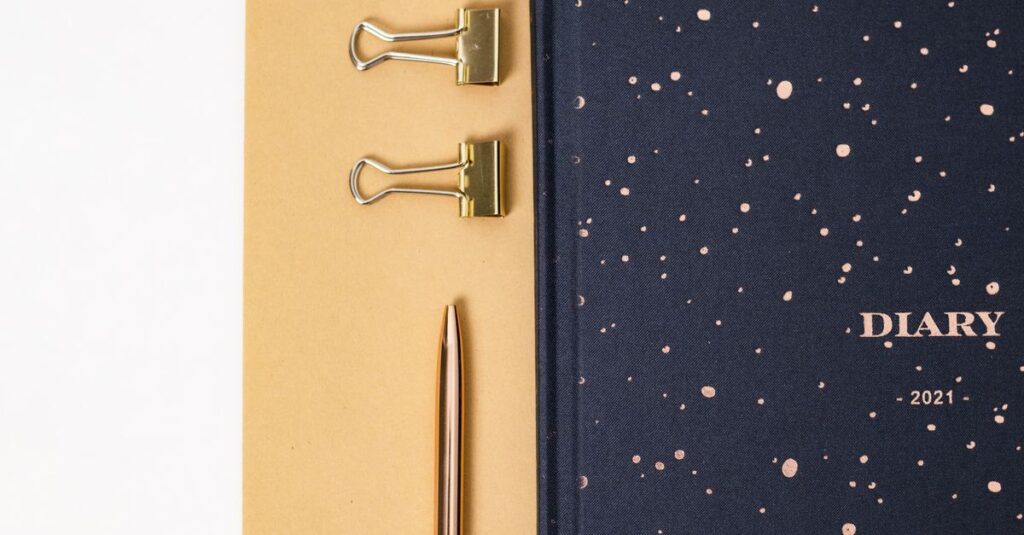
- The Cover: Obvious, yes. But beyond slapping on a logo, this is about material (hardbound, soft-touch leatherette, PVC), finish (matte, gloss, embossed), and design. You can put anything there.
- The Calendar Grid: This is big. Does your financial year start in April? Your diary should too. Do you need week-to-view on a spread? Month-to-view? Both? The grid is the skeleton.
- The Inside Pages: This is where you move from “custom” to “bespoke.” Do you want project planning sheets? Expense trackers? Key contact pages for the team? A specific quote on every page? It’s all printable.
- The Paper: GSM (weight), texture (smooth vs. rough), and color (bright white, cream, recycled look). This choice changes the writing feel and the perceived quality. Instantly.
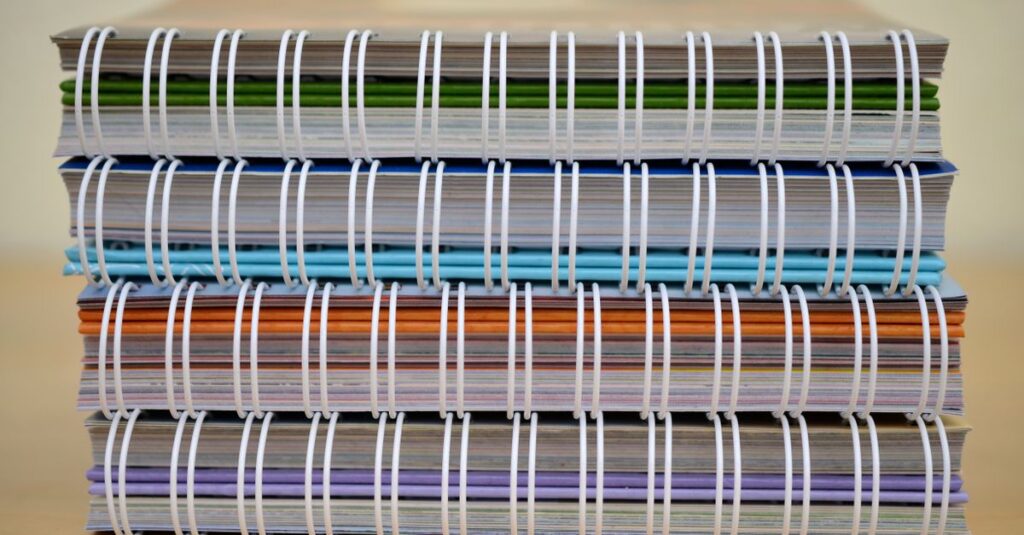
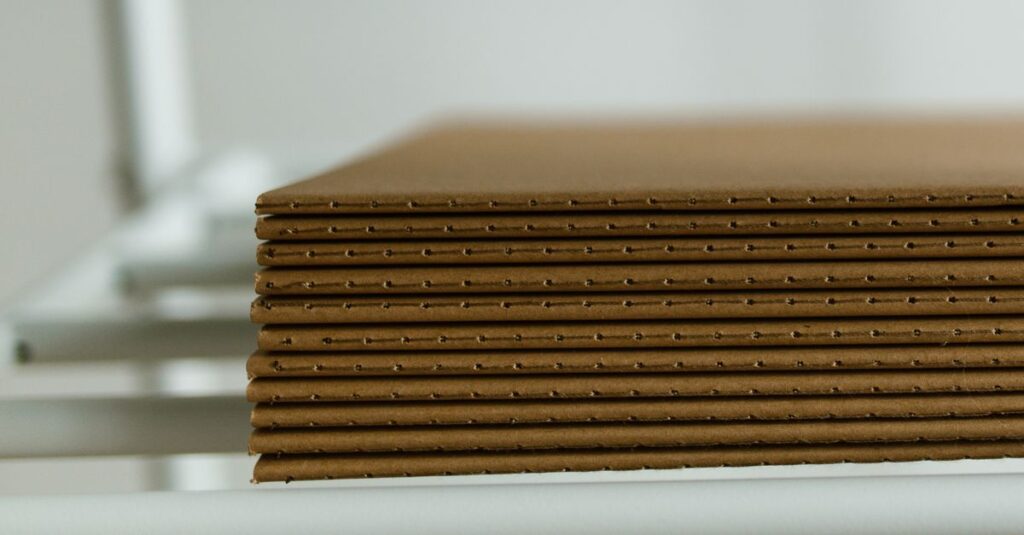
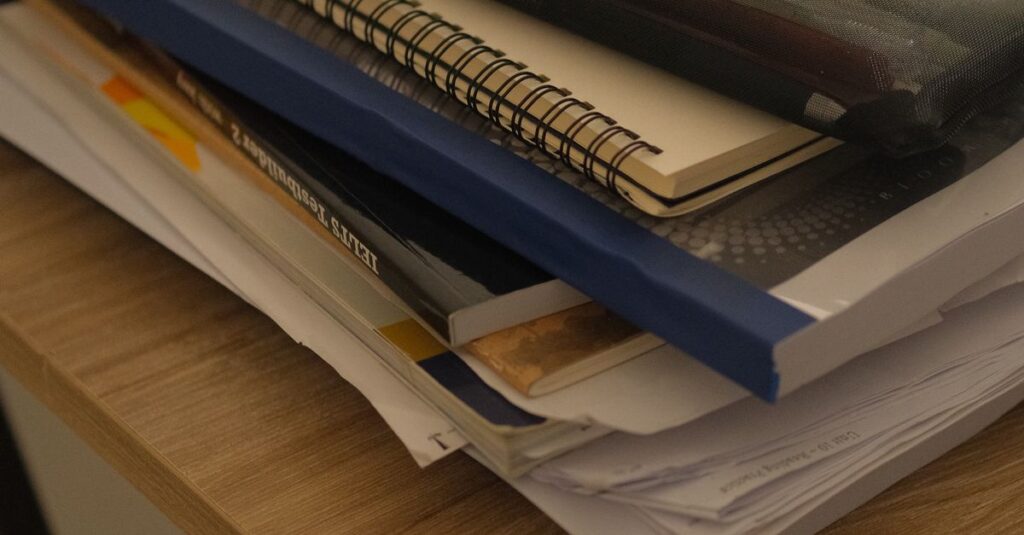
- The Binding: Stitched, spiral, or perfect bound. This isn’t just about looks; it’s about whether the diary lies flat, lasts a year, or can be easily torn out.
I was talking to a procurement manager for a chain of schools last year — over a very rushed phone call — and she said something that stuck with me. She said, “We don’t just want our logo. We want the school timetable pre-printed on the inside cover. We want term dates and exam schedules already there. We want it to feel like it was made for a student here, not just bought for them.”
That’s the difference. It’s functional customization. And it’s not about making things fancy; it’s about making them disappear into usefulness.
Why companies and schools actually go custom
The reason isn’t just vanity. There’s a real, practical, and often unspoken logic here. Three things happen when you get it right.
First, it builds a tangible sense of identity. A salesperson carrying a diary with the company’s ethos printed on the first page, or a student using one with the school crest, sees themselves as part of something. It’s a small, daily reinforcement. I think it’s the only piece of branded material people actually keep with them for a full year. Not a pen, not a mug. This.
Second — and I think this is the real business reason — control. You control the quality. You know exactly what paper it’s on, how the binding will hold up, that the dates are correct for your fiscal cycle. You’re not at the mercy of a generic supplier’s “close enough” stock.
Third? Bulk economics. It sounds counterintuitive — custom should be more expensive, right? It can be, for tiny runs. But if you’re ordering in the thousands, the unit cost plummets. You’re paying for the setup once, then it’s just efficient, large-scale production. It becomes cheaper than buying high-end generic diaries, and infinitely more fit for purpose.
The goal is utility, not just a souvenir. If the custom features aren’t used daily, you wasted your budget.
A short story about Priya: Priya, 42, is the admin head for a mid-sized architecture firm in Hyderabad. Last November, she was tasked with sourcing diaries. She got samples. The generic ones felt flimsy. The expensive branded ones had useless inspirational quotes. She found a manufacturer who listened. They made a diary with a heavier 90 GSM paper (for sketch-quality feel), a blank grid page opposite every weekly spread (for quick sketches and notes), and a custom section at the back for client and site codes. She told me, slightly amazed, “They actually use them. They don’t just sit on the desk.” The diaries were a tool, not a gift. That shift — from gift to tool — is everything.
Expert Insight
Look, I’ve been doing this a long time. The thing I’ve learned is that the best custom diary order comes from the buyer who knows what their people actually do with a diary. Not what they wish they’d do. The most successful ones come from a brief that says: “Here’s the problem. My sales team hates tracking expenses separately. My teachers need to see the week and the month at once.” That practical need is the blueprint. I was reading an old production log once and saw a note from a manager: “Client didn’t want pretty. They wanted durable and logical.” We made a brilliant diary that year. The more specific the pain point, the better the product. Don’t start with colors. Start with the headache.
Getting the manufacturing process right
Okay, so you know what you want. How do you make sure the factory doesn’t mess it up? It all comes down to one document: the proof. This is the non-negotiable step that sits between your idea and 10,000 units landing at your office.
Here’s how a serious manufacturer will walk you through it:
- Digital Mock-up: You’ll get a PDF that shows every single page spread. This is your chance to check everything. Dates. Spelling. Logo placement. Font sizes. Check it like your job depends on it. Because it kind of does.
- Physical Dummy: This is a non-printed version, but with the correct paper, binding, and cover material. You feel the weight. You test if it lies flat. You see if the spiral binding snags. This step catches the feel problems the PDF can’t.
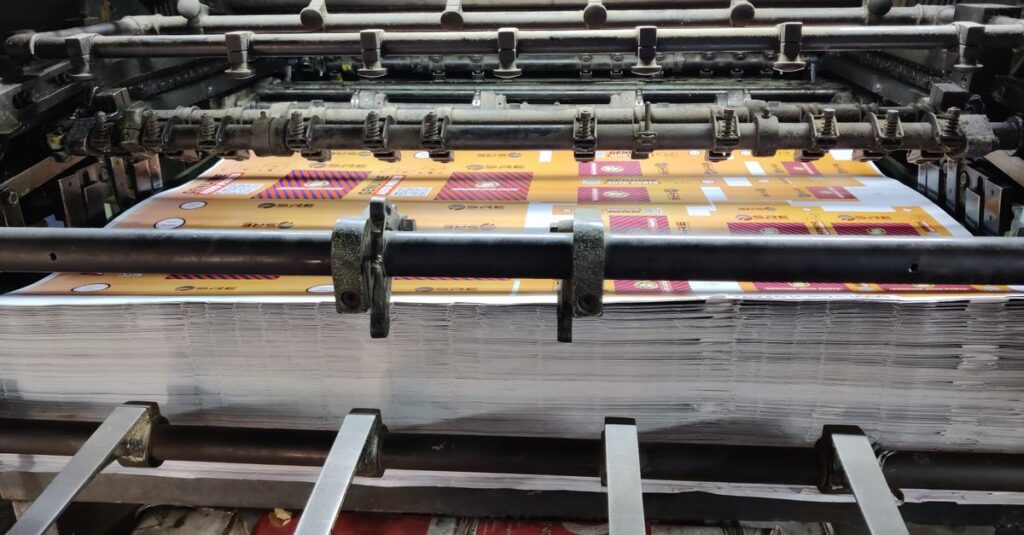
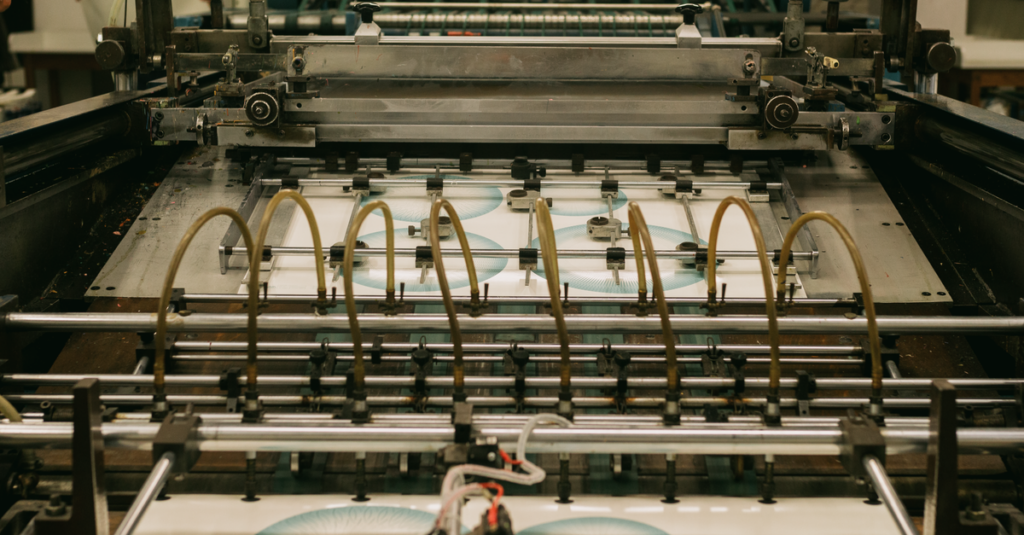
- Printed Proof: A single, fully-printed copy off the actual press. The color match is critical here. Is your corporate blue the right shade? This is your last stop before the train leaves the station. Sign this off only when you’re 100% satisfied.
I’ll be direct. The biggest mistake I see? People rush the proof stage to “meet a deadline.” They gloss over it. And then they’re stuck with 5,000 diaries where the logo is 2mm too low. The deadline you save now is nothing compared to the headache you create later. A good manufacturer will insist you take your time here. A bad one will rush you. That’s your first red flag.
If this sounds like a process you want to understand from the ground up, you might want to look at how a factory with decades of experience actually operates. It takes the mystery out of it.
Custom Diaries vs. Generic Stock Diaries
| Aspect | Custom Diary | Generic Stock Diary |
|---|---|---|
| Branding & Design | Complete control over cover, inside layout, colors, and any printed content. | Limited to pre-set designs. Logo addition may be a crude stamp or sticker. |
| Functionality | Built around your specific workflow (custom calendars, data pages, layouts). | One-size-fits-all layout. May not align with your fiscal year or planning needs. |
| Minimum Order Quantity (MOQ) | Higher MOQ (often 500+ units) due to setup costs. | Very low or no MOQ. You can buy one if you want. |
| Lead Time | Longer (4-8 weeks) for design, proofs, and production run. | Very short (often in stock, ready to ship). |
| Cost per Unit | Higher for small quantities, but becomes very cost-effective at scale (1000+ units). | Consistent per-unit price, but often higher quality comes at a premium with no customization. |
| Quality Assurance | You specify and approve every material (paper GSM, binding type). | You get what the brand offers. Limited ability to change specifications. |
| Perceived Value | High. Signals investment in team/students and attention to detail. | Varies. Can be high if it’s a premium brand, but it’s not uniquely yours. |
See? It’s not better or worse. It’s a different tool for a different job. If you need 50 diaries tomorrow, go generic. If you’re planning for next year for 500 people, the math — and the impact — shifts entirely.
What to look for in a manufacturer (and what to run from)
You’ve decided to go custom. Great. Now you have to pick who makes it. This is where trust gets manufactured along with the paper. Here’s what actually matters.
Look for a manufacturer that asks more questions than you do. They should want to know about your end-users, the daily use, the environment (will it sit on a desk or get thrown in a site bag?). If they just ask for your logo file and a quantity, they’re a printer, not a partner. Walk away.
Insist on seeing real samples of their past work. Not just glossy photos. I mean a physical diary they’ve made for someone else. Feel the binding. Check the print alignment. See how it’s aged. A confident manufacturer has a closet full of these samples. A hesitant one will email you JPEGs.
They must have a clear, documented proofing process. If they can’t explain steps 1, 2, and 3 of how you’ll see and approve the product before mass production, you are gambling. Don’t.
And here’s the subtle thing — transparency on paper and binding jargon. A good partner will explain what “54 GSM writing paper” or “perfect binding” means for your use, in plain language. They educate you. A bad one uses jargon to confuse you.
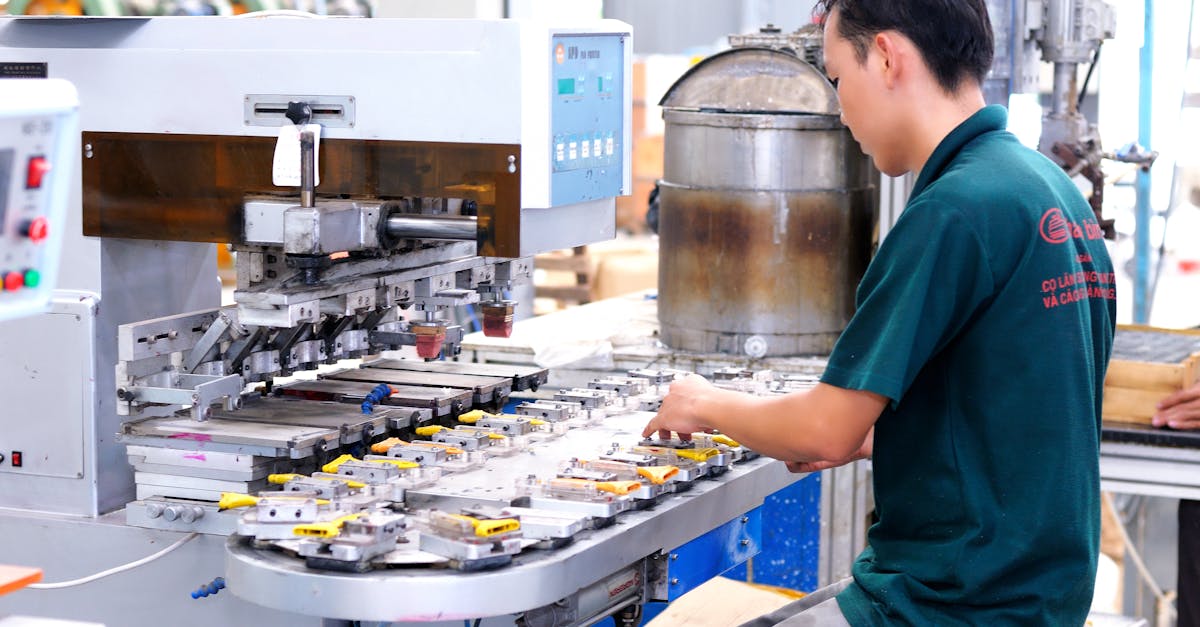
Finally — and this is just my opinion based on four decades in Rajahmundry — there’s no substitute for a factory that does it all under one roof. Design, printing, binding, finishing. When every step is in one place, communication is faster, quality control is tighter, and problems get solved before they become your problem. The more hands a product passes through, the more chances for error. Simple as that. You can see the kind of integrated operation I mean by looking at a company’s history.
Frequently Asked Questions
What is the minimum order quantity (MOQ) for a custom diary?
It varies a lot by manufacturer, but for a truly custom job (not just a stamped logo), you’re typically looking at a minimum of 500 units. The reason is the setup cost for plates, proofs, and specific paper cuts. For smaller runs, ask about “semi-custom” options where you modify an existing template.
How long does it take to produce custom diaries?
From final approved proof to delivery, allow 4 to 8 weeks. The timeline isn’t just printing; it’s paper sourcing, binding, and quality checks. Rushing it is the surest way to get errors. Always plan for the next year’s diaries by mid-year.
What are the most important specifications to decide on?
Focus on three core specs: 1) Paper GSM (70+ for a premium feel, 50-60 for standard), 2) Binding (spiral for lying flat, stitched for durability, perfect bound for a book-like look), and 3) Calendar Grid (must match your operational year). Get these right, and the rest follows.
Can I get samples before placing a full order?
Any reputable manufacturer will provide physical samples of similar work. They should also create a “dummy” (blank version with your specs) and a final printed proof for you to approve. Never approve a job based on a digital file alone.
Is it cheaper to buy generic premium diaries in bulk?
For very small quantities, yes. But once you cross a threshold (often around 1000 units), custom becomes competitive or even cheaper than buying branded generics. Plus, you get a product designed for you, not the mass market. You’re paying for utility, not a brand name.
The real point of it all
So, here’s what this all comes down to. A custom diary isn’t a stationery item. It’s a piece of operational infrastructure. It’s a tool you give to your team or your students that’s designed to make their specific job or day slightly easier, slightly more organized, and a lot more connected to the group they’re part of.
The process of making it teaches you what you actually need. The proofing stage forces you to pay attention. The end result, if you do it right, doesn’t just sit on a shelf. It gets used. Scuffed. Filled up. That’s the only metric that matters.
I don’t think every organization needs a custom diary. But if you’ve read this far, you’re probably weighing a real need against the perceived complexity. The complexity is manageable with the right partner. The need — for a tool that truly fits — is the only thing that matters here. If you’re ready to talk specs and samples, the next step is a conversation. It starts with a sample and a question.