So, You’re Looking for an A4 Size Notebook?
Right. Let’s talk about paper. Because honestly, if you’re a procurement manager, a stationery distributor, or someone in charge of ordering for a school, you’ve probably typed “classmate A4 size notebook” into a search bar and gotten, what? A hundred product listings. And half of them are probably the wrong thing.
The frustration is real. You need a specific standard. You need bulk quantities. You need it to be exactly what you ordered, not a “close enough” version that causes chaos in a classroom or looks unprofessional in a boardroom. I’ve been in this industry for decades, and I can tell you — the gap between what people search for and what they actually get is often a matter of millimeters. And those millimeters matter.
This isn’t just about buying notebooks. It’s about sourcing a tool that thousands of people will use every day. If this sounds familiar, understanding what a true A4 notebook is and where it comes from is probably the best place to start.
What is an A4 Size Notebook, Actually?
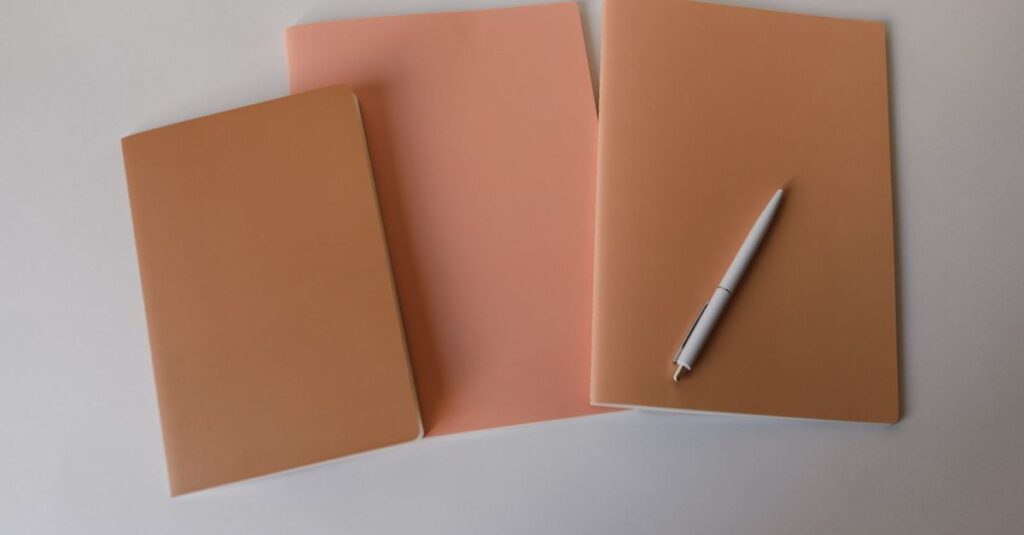
Here’s the thing — A4 is an ISO standard. It’s not a suggestion. It’s a very specific dimension: 210 mm by 297 mm. That’s about 8.27 inches by 11.7 inches. The “A” series is brilliant in its simplicity: each size is half the area of the previous one. A3 is twice the size of A4. A5 is half the size. It’s a global language for paper.
But. And this is a big but. In India, we have a deep-rooted history with other, slightly different sizes. Crown Size. Long. Short. Account. When someone searches for “classmate A4 size notebook,” they’re often looking for that familiar, slightly larger-than-A5 page that fits comfortably in a school bag and feels right for notes. It gets confusing. Most of the time, the popular “Classmate” brand notebooks you see are Crown Size (around 24 cm x 18 cm), which is not standard A4.
What you’re most likely wanting is a notebook that follows that international A4 footprint. One that fits perfectly in standard folders, binders, and presentation covers designed for A4 paper. That’s the real need, hiding behind the search term.
Why A4? The Business Case No One Talks About
Look, from a manufacturing and procurement standpoint, A4 makes sense on a global scale. If you’re exporting, your customers in Europe, the Gulf, or Australia are thinking in A-series terms. Supplying a non-standard size is a headache for them. It means custom folders, mismatched filing systems, and general annoyance.
For corporate diaries and training manuals, A4 is the professional standard. It’s the size of most printed documents, reports, and charts. When a notebook aligns with that, it creates a seamless workflow. You can tear out a page and slot it straight into a project file. No trimming, no awkward folding.
For schools and universities, it’s about practicality and cost. A4 sheets of paper are ubiquitous. Photocopied handouts are A4. Having notebooks in the same size means students can staple or glue sheets directly onto a page. It’s a small detail that saves a lot of messy, torn edges.
The real question isn’t ‘why A4?’. It’s ‘why are we still settling for almost-A4?’.
The Anatomy of an A4 Notebook: More Than Just Size
Let’s get technical for a minute, but I’ll keep it simple. When a bulk buyer orders A4 notebooks, they’re ordering a system. The size is just the box it comes in.
- Paper GSM: This is the weight. For a decent A4 writing notebook, you’re looking at 54-70 GSM paper. Too light, and ink bleeds through. Too heavy, and the notebook becomes a brick and cost skyrockets. 54 GSM is our sweet spot for standard bulk orders — it balances quality, writability, and economics perfectly.
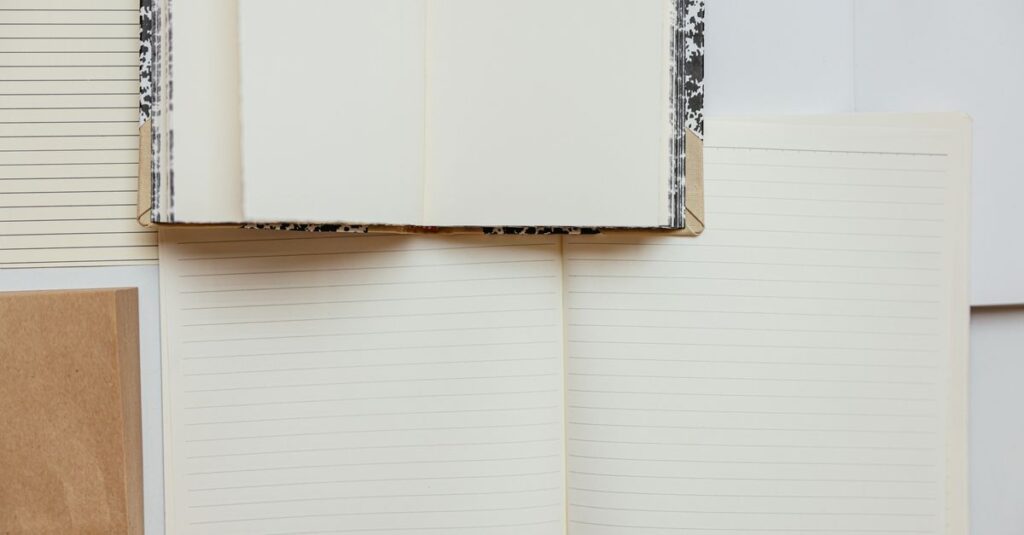
- Ruling: Single Ruled (SR) is the classic. But for businesses, you might want Unruled (UR) for sketching or meeting mind-maps. For accounting or specific note-taking, Double Ruled (DR) or Four Ruled (FR) comes into play. It defines the notebook’s function.
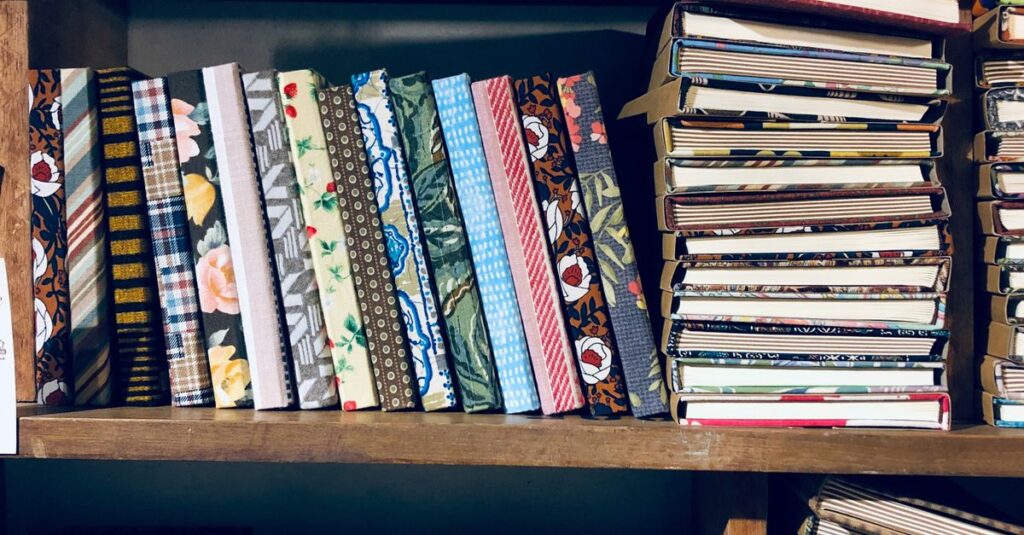
- Binding: This is durability. Spiral binding lets it lie flat — great for training sessions. Perfect binding (glued spine) gives a cleaner, more formal look for corporate diaries. Stitched binding is the classic, rugged workhorse for school notebooks that get thrown in bags every day.
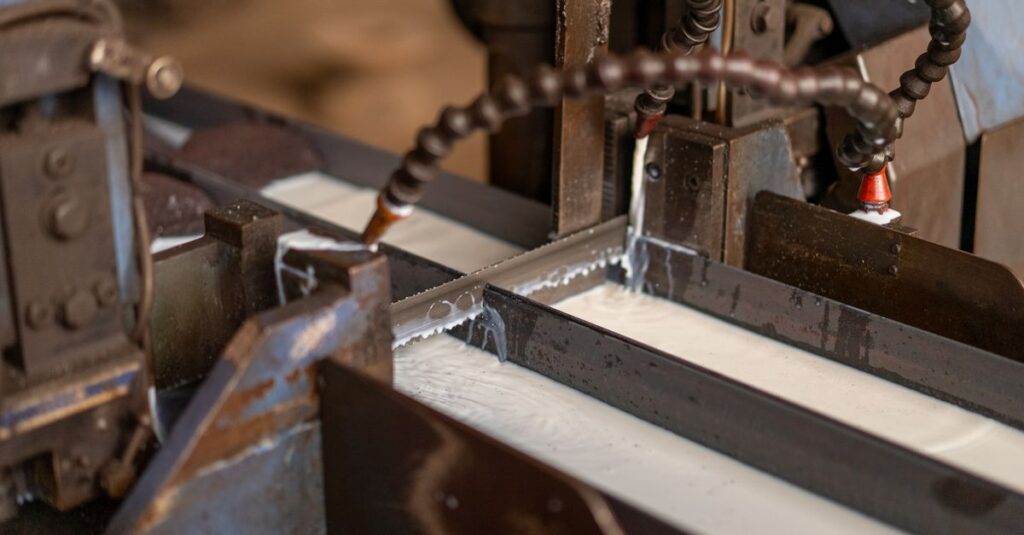
I was on the factory floor last Tuesday. Watching a stack of 70 GSM paper get trimmed to that exact 210mm width. That precision — that’s what you’re paying for. Not just paper, but the guarantee that the 10,000th notebook in the order is identical to the first.
A4 vs. The “Usual” Indian Notebook Sizes
This is where most confusion happens. Let’s clear it up. Here’s how A4 stacks up against the common Indian notebook sizes we’ve been making for 40 years.
| Feature | Standard A4 Notebook | Common Indian Crown Size |
|---|---|---|
| Dimensions | 210mm x 297mm (8.27″ x 11.7″) | ~240mm x 180mm (varies) |
| Global Recognition | International Standard (ISO 216) | Primarily an Indian market standard |
| Best For | Export orders, corporate diaries, universities, professional use | Primary & secondary school notebooks, general retail |
| Filing Compatibility | Fits standard A4 binders & folders perfectly | Requires custom or oversized folders |
| Manufacturing Mindset | Precision-cut for global consistency | Optimized for high-volume, cost-effective domestic supply |
See the difference? It’s a different product for a different need. When a corporate buyer from the UK asks for A4, they have a filing cabinet in mind. When a local distributor orders Crown Size, they have a school backpack in mind. Both are valid, but mixing them up is where orders go wrong.
Expert Insight
I was talking to a procurement head from a large IT company in Bangalore a while back. Over a rushed coffee, he said something that stuck with me. He told me their old ‘corporate notebooks’ were a mix of sizes from different vendors. “It looked sloppy,” he said. “New hires from Europe would get this tiny flicker of confusion on their first day — where do I file this?” That tiny flicker, he said, was a brand impression they didn’t want to give. It wasn’t about the paper. It was about signaling professionalism and attention to detail from minute one. I don’t have a cleaner way to put it than that.
How a Real Manufacturer Makes Your A4 Notebooks (The Inside View)
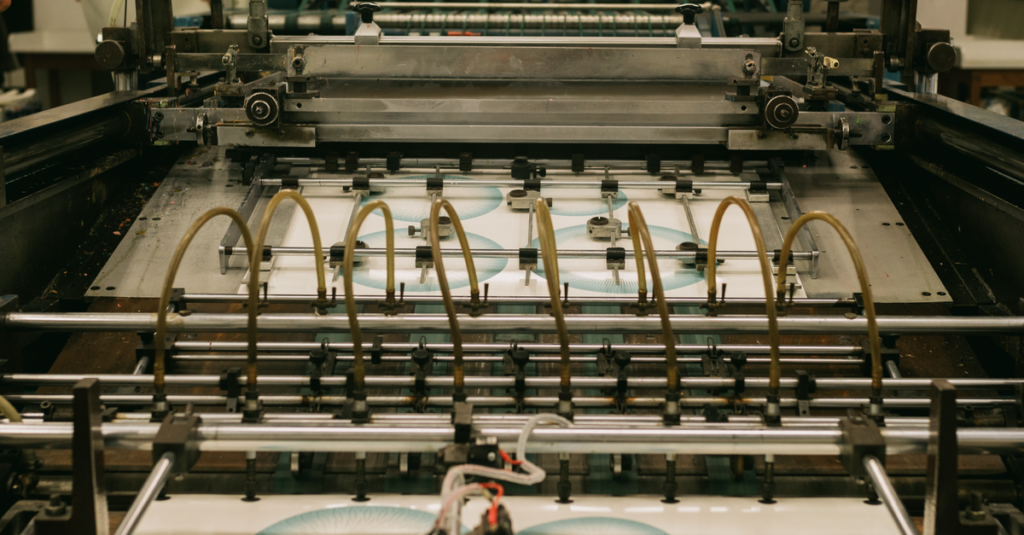
People think manufacturing is just big machines. It is. But it’s also about flow. To make, say, 50,000 custom A4 notebooks for a university, the entire factory floor recalibrates. The paper reels we source are specific — the width has to yield minimal waste when cut to 297mm. The printing plates for a custom cover are set for that exact dimension. The binding wire or glue is calculated for the spine thickness of 92 pages versus 200 pages.
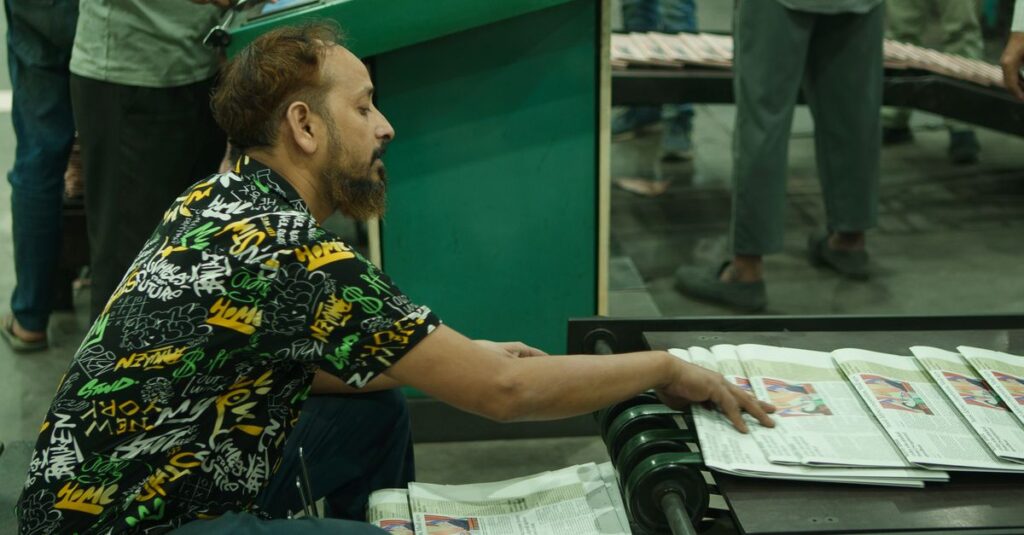
Let me give you a real-life snapshot. Amit, who runs our rotary press section — he’s been with us for 22 years — he doesn’t just load paper. He listens to the machine. A slight hum means the tension on the A4-sized web is off by a hair. He’ll adjust it before the first imperfect notebook is even cut. That kind of thing? You can’t automate that. It comes from doing this every single day with the same intention: consistency at scale.
The final step is quality check. Every batch, we pull random notebooks. We measure them. We check the stitching. We write on a page to test for feathering. It sounds basic, but when you’re committing to a client that their logo will look perfect on 50,000 covers, there’s no room for “mostly right.”
Who Actually Orders A4 Notebooks in Bulk? (The Real Users)
You might be surprised. It’s not one type.
First, international buyers. From the Gulf, Africa, Europe. Their entire stationery ecosystem is A-series. They order by the container load, and the spec sheet says A4. No debate.
Second, large Indian corporations and BPOs. Especially those with global clients or offices. Their internal branding demands a standardized, professional look. Custom-printed A4 diaries for managers, A4 notepads for training rooms and conferences.
Third, premier educational institutions. IITs, IIMs, private universities. Their study material, their international collaborations — it all flows through the A4 format. They need student notebooks that match that ecosystem.
Fourth, government tenders for specific projects or departments that follow international documentation standards.
The common thread? They all need volume, exact specifications, and a supplier who won’t treat a 20,000-unit order as a novelty, but as Tuesday. Honestly, that last part is probably the most important.
Common Mistakes When Sourcing A4 Notebooks
Let’s be blunt. Here’s where procurement trips up.
- Assuming All “Big” Notebooks are A4: This is the big one. They see a large notebook and assume. Always ask for the exact dimensions in millimeters. Always.
- Not Specifying Paper Quality: Just saying “A4 notebook” isn’t enough. Is it 52 pages or 200? Is it 54 GSM or 70? That difference changes the price and the product.
- Overlooking Binding for Use Case: Ordering perfectly bound notebooks for students who need to tear out pages easily. Or ordering spiral-bound for a formal executive diary. Match the binding to the actual daily use.
- Not Getting a Physical Sample First: Never, ever approve a bulk order based on a spec sheet or a picture. Get a sample. Write in it. Feel it. Throw it in a bag. Test it.
Anyway. I see these patterns all the time. The goal isn’t to just buy notebooks. It’s to buy the right notebooks.
Frequently Asked Questions
Is a Classmate notebook A4 size?
No, typically it’s not. Most popular Classmate brand notebooks are Crown Size (approx. 24cm x 18cm), which is slightly different from the international A4 standard (21cm x 29.7cm). If you need true A4, you need to specify that exact size to your manufacturer.
What is A4 size notebook for students?
For students, especially in higher education, an A4 size notebook is ideal because it matches the size of most printed handouts, textbooks, and assignment sheets. It allows for neat filing and easy attachment of materials without excessive trimming, creating a more organized study system.
Which is bigger: A4 or A5 notebook?
A4 is bigger. An A4 sheet is 210x297mm. An A5 sheet is exactly half that size, at 148x210mm. So an A4 notebook is roughly the size of two A5 pages side-by-side. A4 is standard report size; A5 is a popular size for personal journals and smaller notepads.
Can I get custom-branded A4 size notebooks?
Absolutely. This is a core service for manufacturers like us. You can customize the cover with your logo, corporate design, or specific artwork, and choose the internal ruling, page count, and binding type. It’s a common order for corporate gifting, training programs, and university merchandise.
What is the standard page count for a bulk A4 notebook?
There’s no single “standard,” but for bulk school and office supply, the most common counts are 92 pages and 200 pages. We also regularly produce 52-page (lighter use), 240-page, and 320-page versions. The choice depends on how long the notebook needs to last and the overall weight/budget for the order.
Final Word: It’s About Fit, Not Just Paper
At the end of all this — the specs, the comparisons, the manufacturing talk — sourcing an A4 notebook is about solving a practical problem. You’re not just filling a purchase order. You’re equipping a team, a classroom, or an entire organization with a tool that should make their work easier, not harder.
The right A4 notebook disappears into the workflow. The wrong one is a constant, tiny frustration. It doesn’t fit. It feels cheap. The ink bleeds. Those are the failures we try to engineer out of existence on our production line every single day.
I don’t think there’s one perfect notebook for everyone. Probably there isn’t. But if you’ve read this far, you already know what you’re looking for — you’re just figuring out who can deliver it at scale, precisely as promised.