Look, nobody cares about the cover until it falls apart in their hands
You’ve been there. Opening a box of new notebooks for the school term, or handing out branded diaries at a corporate event, and the first one you pick up feels flimsy. The cover bends. The corner tears. It’s not even been used yet. That little moment — where confidence turns into a question — costs you more than you think. It’s the silent part of every bulk order decision, the thing procurement managers whisper about but don’t always know how to ask for: what exactly makes a good notebook cover, and why does it matter so damn much?
I’ve seen it from both sides of the factory floor for decades. The cover isn’t just decoration. It’s the first promise you make about what’s inside. Get it wrong, and everything that follows feels cheap. Get it right — and I mean actually right for the job — and the notebook does its work without anyone noticing. That’s the goal. If you’re ordering in bulk for a school, a corporation, or as a distributor, understanding the cover is probably the single most practical thing you can do.
It’s Not Just Cardboard. It’s The First Line of Defense
Okay, let’s break it down. When people say “cover in notebook,” what are they actually picturing? A stiff piece of paper? Sure. But that’s like saying a car is just a metal box. The real story is in the layers, the weight, and the intent. A notebook cover exists to do three things, and it has to do all of them at once: protect the pages, survive daily handling, and communicate something (even if that something is just “school notebook, Class 5”).
Think about a school kid’s bag. It’s a warzone in there. Lunchboxes, water bottles, other books. The cover needs to be a shield. For a corporate diary on a manager’s desk, it needs to look and feel authoritative — to withstand a year of meetings, travel, and coffee rings without looking tired. These are completely different fights. Using the same cover for both is a mistake I see all the time. It’s not about cost per unit; it’s about cost per unit that actually lasts.
Here’s what most people don’t realize: the cover’s job starts the moment the notebook is made. The binding — whether it’s stitched, spiral, or perfect bound — attaches directly to that cover. A weak cover means the binding pulls away. The whole structure fails. You’re not just replacing a notebook; you’re dealing with the impression that your entire order was poorly made.
Expert Insight
I was talking to a procurement head for a chain of private schools last month. Over chai, actually. He said something that stuck with me: “We stopped buying on page count and price alone. We started buying on the guarantee that the cover would last the academic year. The complaints dropped by eighty percent.” He wasn’t quoting a brochure. He was talking about parent phone calls. The cover’s durability translated directly into trust in the institution. I don’t have a cleaner way to put it than that.
The Types You’ll Actually Encounter (And Which One to Pick)
Let’s get practical. You’re looking at a supplier’s catalog or a manufacturer’s sample kit. You’ll see a few standard options. Knowing what they are — and what they’re really for — changes everything.
- Standard Paperback / Single Card Cover: This is your basic school notebook. Usually 250-300 GSM art card. It’s economical, does the job for light use. But — and this is a big but — it’s prone to curling at the edges if the paper quality isn’t balanced right. Good for bulk school orders where the lifespan is one academic year.
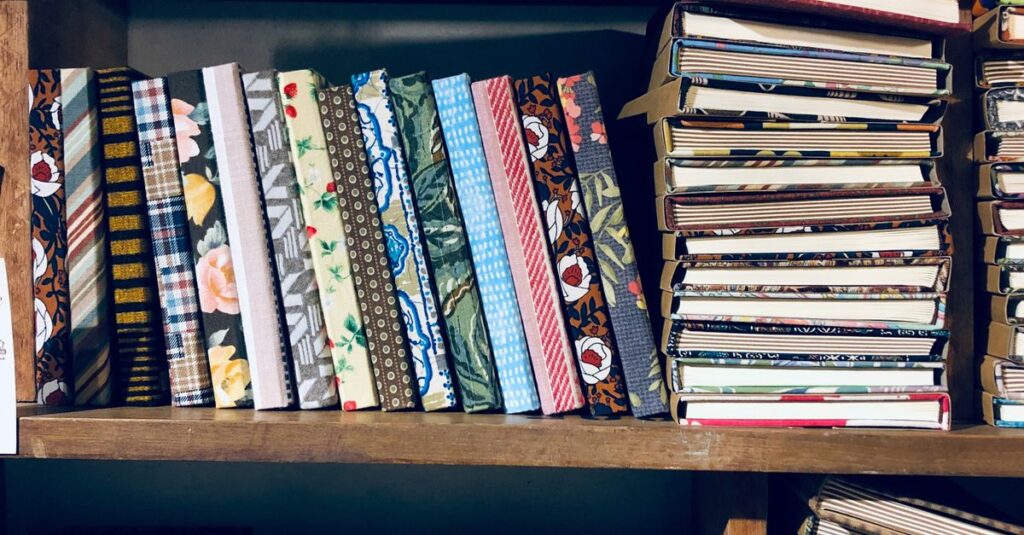
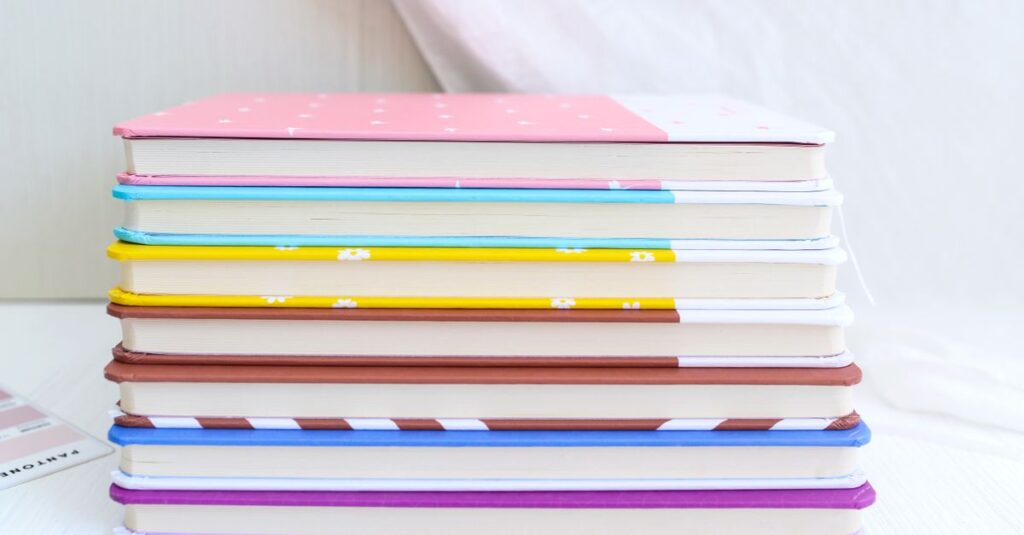
- Hardboard / Laminated Board Cover: This is the upgrade. A rigid board (think chipboard) wrapped in a printed art paper laminate. It doesn’t bend. It feels substantial. This is what you want for corporate diaries, account books, anything that needs to project permanence or survive a lot of travel. It costs more, obviously, but it redefines what “durable” means.
- Spiral Bound Plastic Cover: Common for notepads, refill pads, or specialized notebooks. The cover is a thicker, flexible plastic (PVC). Its superpower is weather resistance — a splash of water won’t ruin it. Great for outdoor use, warehouses, field staff. Its weakness is that it can feel less formal.
- Custom Printed / Branded Covers: This is where function meets marketing. You can print anything on these — logos, safety instructions, motivational quotes, complex artwork. The key here is the printing method. Offset printing gives you vibrant, exact colors for large runs. Digital printing is better for smaller batches where you might change the design. The cover becomes your billboard.
I remember a client, a pharmaceutical distributor in Hyderabad. They needed notebooks for their sales reps with drug classification charts printed on the inside covers. The cover wasn’t just a cover; it was a quick-reference tool. We used a laminated hardboard so it could be wiped clean. The reps used them for three years. That’s the kind of thinking that moves you from being a supplier to being a partner.
The Hidden Link: How Binding Decides Your Cover’s Fate
This is the part nobody says out loud enough. You can’t talk about the cover without talking about how it’s held on. The binding type is the marriage. A bad match, and the relationship falls apart — literally.
Stitched Binding (Saddle Stitched): Pages are stapled through the spine. The cover is usually the same as the inner pages, just folded over. It’s simple, cheap, and works for thin notebooks (up to about 92 pages). But the cover is vulnerable at the staples. If the notebook is thick, those staples tear right out. I see this mistake with budget bulk orders all the time — too many pages on a stitched binding. The cover gives up first.
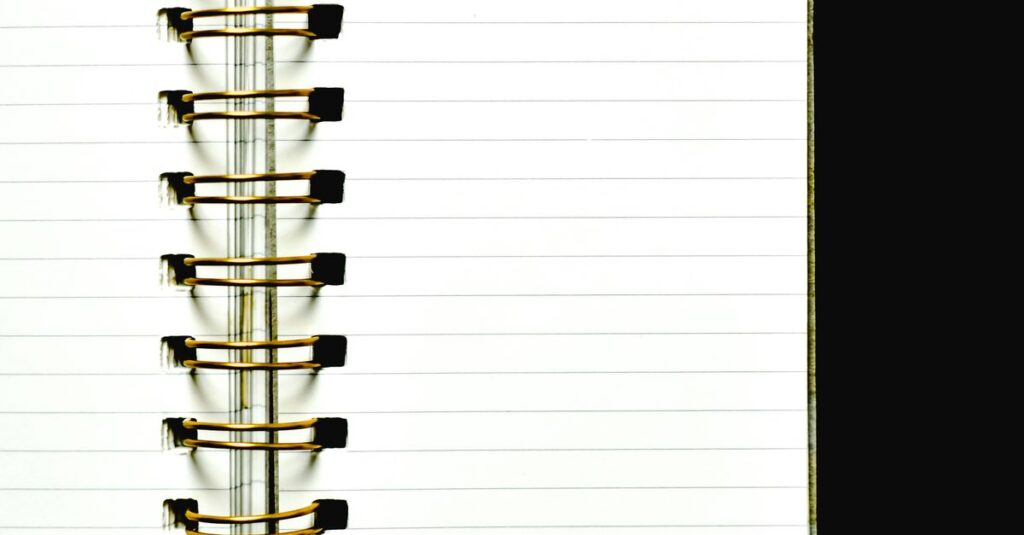
Spiral / Wire-O Binding: Metal or plastic coil is punched through the cover and pages. The cover needs to be tough enough to handle the punching without tearing around the holes. A flimsy cover will fray here in weeks. This binding lets the book lie flat, which is fantastic, but it puts unique stress on the cover material.
Perfect Binding: This is the glue. Pages are gathered into a “block,” the spine is roughened, and adhesive binds it to the cover. This is what most corporate diaries and thicker books use. It creates a clean, square spine you can print on. THE CRITICAL THING: the adhesive quality and the cover’s inner layer must be compatible. A cheap glue on a glossy cover? It will crack and the pages will detach. This is a manufacturing step you can’t afford to cheap out on. The right binding service knows this instinctively.
Anyway. The point is, you have to ask. Don’t just say “hardcover.” Ask, “What binding method do you use for this hardcover, and how do you ensure the adhesion lasts in humid conditions?” (A very real question for anyone supplying to coastal regions like ours). The answer tells you everything.
| Feature | Standard Card Cover (School Use) | Laminated Hardboard (Corporate Use) |
|---|---|---|
| Primary Material | 250-300 GSM Art Card | Rigid Chipboard + Laminated Art Paper |
| Durability | Moderate. Lasts one academic year with care. | High. Designed for 2-3 years of daily desk/travel use. |
| Key Advantage | Lowest cost per unit for high-volume orders. | Premium look & feel, exceptional resistance to wear and bending. |
| Best Binding Match | Stitched or Thin Perfect Binding. | Robust Perfect Binding or Screw Post. |
| Customization | Full-color offset printing for large runs. | High-quality printing, foil stamping, embossing, spot UV. |
| Ideal For | Bulk school supplies, short-term project notes. | Executive diaries, branded client gifts, official record books. |
Why Your Custom Cover Design Probably Isn’t Working
So you’ve decided to put your logo on it. Great. But slapping a JPEG in the center of a template is where most custom projects die. A cover design has to live in the real world of manufacturing constraints and human hands.
First, the bleed area. This is the extra design that gets trimmed off. If your designer doesn’t account for it, your logo ends up weirdly close to the edge after cutting. It looks amateurish. Every proper printer needs a 3-5mm bleed. It’s non-negotiable.
Second, spine thickness. For a perfect-bound book, the spine has width. Your design needs to account for that. A title on the spine that’s off-center is a tiny, screaming signal of poor quality control. A good manufacturer will calculate the spine width for you based on page count and paper GSM.
And third — this is the big one — finishing. Lamination isn’t just one thing. There’s glossy lamination (shiny, vibrant, but shows fingerprints), matte lamination (smooth, professional, hides scratches), and soft-touch lamination (feels like velvet, incredibly premium). Then there’s spot UV, where a glossy layer is applied only to parts of the design for texture and contrast. Or foil stamping. These aren’t just “nice to have.” They are tools that change how the cover survives. A matte laminate is far more scratch-resistant than a glossy one for a notebook tossed in a bag.
I think the mistake people make is treating the cover as a graphic design project first. It’s not. It’s an industrial design project that happens to have graphics on it. The material, the binding, the finish — they dictate what the design can be. Start there.
The Question You’re Not Asking Your Manufacturer (But Should)
Here’s a direct piece of advice from the factory floor. When you’re evaluating a notebook manufacturer, especially for a large or custom order, stop asking only about price and delivery time. Ask them this: “Can you walk me through your cover quality control process?”
The reaction tells a story. A good manufacturer will immediately talk about:
- Incoming Material Check: Testing the GSM and rigidity of the board/paper before it goes to print.
- Print Alignment Check: Ensuring the design is centered and the color matches the proof.
- Binding Stress Test: Physically opening and closing the notebook dozens of times to check for spine cracking or glue failure.
- Corner and Edge Durability: Simulating the wear from being packed and transported.
If they can’t describe this, or if they fumble, you’re buying on hope. For a bulk school order, a 5% failure rate on covers (bent corners, torn spines) means hundreds of complaints. For a corporate gift, it means your brand looks careless. The cover is the most visible, most handled part. Its quality control isn’t a step; it’s the entire philosophy of the maker.
At our unit, we have a guy, Ravi, who’s been doing this check for 20 years. He can feel a slight warp in a board just by picking it up. That kind of experience doesn’t show up in a brochure, but it’s the only thing that guarantees your order lands perfectly. That’s the kind of detail you’re really paying for.
Frequently Asked Questions
What is the best cover material for school notebooks?
For most school notebooks, a 280-300 GSM art card cover, laminated with a matte or glossy film, hits the sweet spot. It’s durable enough for a year of backpack use, cost-effective for bulk orders, and takes printing well for different class labels and designs. Hardboard is overkill and adds unnecessary weight and cost for this use.
Can you print full color on a notebook cover?
Absolutely. Most modern manufacturers use offset printing for large runs (1,000+ units) for the most vibrant, color-accurate results. For smaller batches or highly customized designs, digital printing is the go-to. The key is to provide a high-resolution file (300 DPI) with the correct bleed and safe areas outlined by your printer.
What’s the difference between paperback and hardcover notebooks?
It’s all in the core. Paperback uses thick, flexible cardstock. It bends. Hardcover uses a rigid board (like chipboard) wrapped in paper. It doesn’t bend. Hardcover is far more durable and professional but costs 40-60% more. Choose paperback for disposable or short-term use, hardcover for items meant to last multiple years or convey premium quality.
How do I choose a cover for a corporate diary?
Think about the user and the message. For executive gifts or daily-use planners, a laminated hardboard cover is the standard. It feels authoritative and lasts. Then, enhance it: use embossing or foil stamping for your logo, a matte laminate for a sophisticated feel, and consider a rounded corner treatment to prevent wear. The cover is your brand’s handshake.
Why do some notebook covers warp or curl?
Usually, it’s a moisture or material imbalance. If the paper on one side of the board absorbs humidity differently than the other, it expands and causes a curl. Poor-quality, unbalanced board is the main culprit. A good manufacturer sources board that’s conditioned for the local climate and uses lamination on both sides to seal it, preventing this issue.
You already know what a bad cover feels like
We started with that moment of disappointment — the flimsy feel, the torn corner. The truth is, you’re not just buying paper bound together. You’re buying the integrity of that first impression, the durability that saves you from complaints, and the silent confidence that comes from a tool that works without announcing its weaknesses. The cover is the guardian of all that. It’s the most overlooked, yet most critical, specification in your entire order sheet.
I don’t think there’s one perfect cover for every job. Probably there isn’t. But if you’ve read this far, you’re not just looking for a notebook; you’re looking for the assurance that your investment — whether it’s for a thousand students or a hundred executives — won’t be undermined by the very thing meant to protect it. You’re figuring out if it’s okay to demand more than just a low price per piece. And it is. It always is.