So What’s The Deal With Unruled Notebooks?
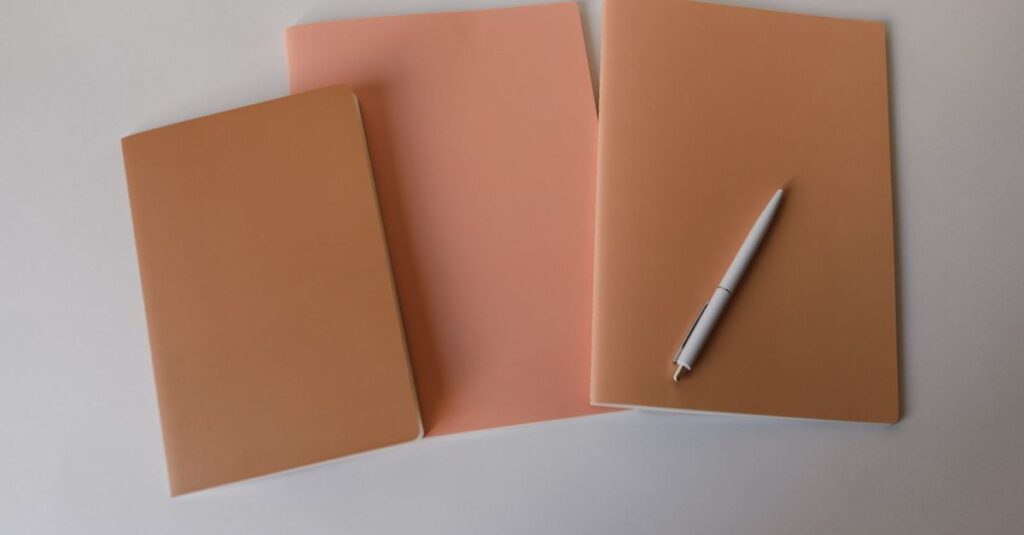
You know the standard ruled notebooks — single ruled, double ruled, four ruled. They’re everywhere. But an unruled notebook? It’s just a blank, empty page. No lines, no margins, no guides. It feels almost wrong. A notebook without rules.
And that’s exactly why a lot of people buy them.
Look, if you’re a procurement manager sourcing notebooks for a corporate office, or a school principal ordering for next term, you probably have a list of specs. Page count. Size. Binding type. And ruling — SR, DR, UR. Unruled sits at the bottom, a weird outlier. But here’s the thing: it’s not a weird outlier. It’s a specific tool. And the people who need it know exactly what they’re looking for.
When someone searches for “classmate notebook unruled,” they’re not just browsing. They’re confirming a specification. They’re checking if a manufacturer can supply it. They’re comparing GSM, binding, and bulk pricing. The intent is commercial, but layered with a need for clear, technical information. They want to know how it’s made, why it’s made, and who makes it best.
This isn’t about stationery for fun. It’s about procurement. And if that’s where you’re at, this might be worth a look.
Who Actually Orders Unruled Notebooks In Bulk?
Right. Let’s get specific.
Unruled notebooks aren’t for everyone. In a school, you’d hand a ruled notebook to a student for notes. But unruled? You hand it to the art teacher. Or the design student. Or the architect sketching a quick concept. The blank page is a canvas, not a document.
From my desk, watching orders come in for forty years, the pattern is clear. The bulk orders for UR notebooks come from three places.
- Creative Departments & Agencies: Advertising firms, design studios, architecture offices. They need pads for freehand sketching, layout brainstorming, quick mock-ups. They don’t want lines interfering.
- Technical & Engineering Teams: You’d think they’d want graph paper. Sometimes they do. But for freeform diagrams, circuit sketches, or mechanical layouts that don’t fit a grid, an unruled page is the only thing that works.
- Specific Educational Programs: Not the whole school. Specific classes. Art programs, drafting courses, even some advanced math classes where students need to draw geometric figures without pre-drawn lines.
The volume is smaller than ruled notebooks, but the orders are consistent. And the buyers are precise. They know the GSM they want (usually a bit heavier, around 70-80 GSM, to handle ink and pencil without bleeding). They know the binding they need (spiral bound, often, so pages lie flat). They’re not guessing.
I remember a conversation with a procurement manager from a big tech campus in Hyderabad. He wasn’t ordering for the whole office. He was ordering 500 unruled, spiral-bound notebooks for the “innovation lab.” That’s it. The rest of the 10,000 employees got standard ruled diaries. The specificity is the whole point.
The Manufacturing Specs That Actually Matter
Okay, so how is an unruled notebook different from a ruled one in the factory?
It sounds simple: just don’t print the lines. But that’s only the start. The paper choice changes. The binding preference shifts. The cover design often needs to be more robust because these notebooks get used differently — tossed in bags with tools, opened on drafting tables.
Paper Weight & Quality
For a standard Classmate single-ruled notebook, we use 54 GSM paper. It’s fine for writing. For an unruled notebook meant for sketching or drafting, that paper feels thin. Pencil pressure shows through. Marker bleeds. So the spec usually upgrades to 70-80 GSM. It’s still smooth, but has enough body to feel substantial. This isn’t a minor detail — it’s the first thing bulk buyers ask about.
Binding
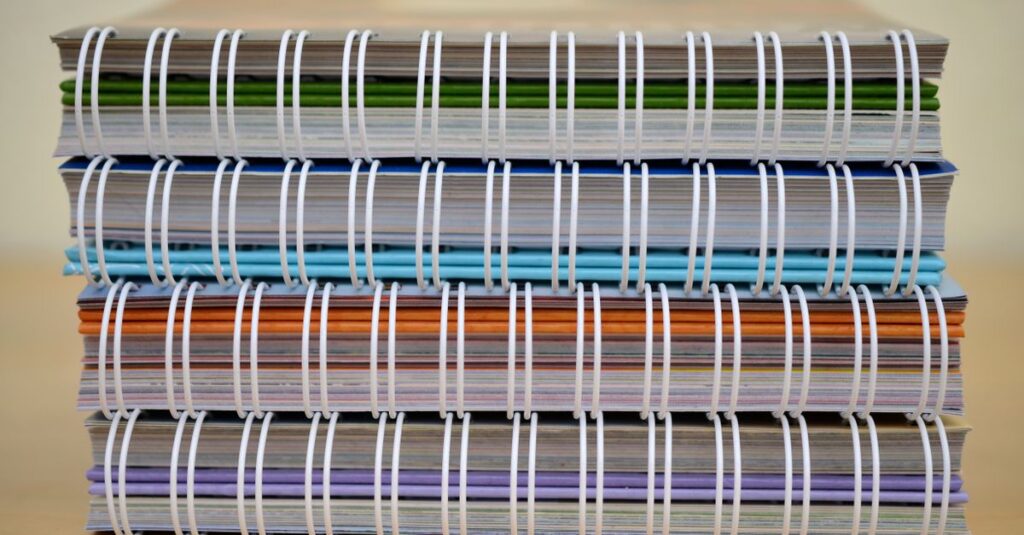
Ruled notebooks are often stitch-bound or perfect-bound. Fine for writing. Unruled notebooks, in my experience, are more often requested with spiral binding. Why? Because when you’re drawing, you need the page to lie completely flat. No crease in the middle. A spiral binding allows that. It also lets you tear pages out cleanly without damaging the book. If you’re sourcing these, ask about binding options upfront. The capability varies by manufacturer.
Cover Durability
A notebook that sits on a desk has a different life than one that gets shoved into a toolbox or carried to a site. Unruled notebook covers, for bulk corporate orders, often need to be thicker — maybe 250 GSM art card instead of 180 GSM. And the finish? Matte, often. Glossy covers can smudge when handled with dirty hands. These are the small, practical things you learn after making them for decades.
Ruled vs. Unruled: A Procurement Comparison
Let’s put this side-by-side. If you’re evaluating options, this table isn’t just academic. It’s your checklist.
| Feature | Unruled Notebook (UR) | Single-Ruled Notebook (SR) |
|---|---|---|
| Primary Use Case | Freehand drawing, sketching, technical drafting, diagramming. | Note-taking, writing, journaling, standard documentation. |
| Typical Paper GSM | 70-80 GSM (heavier, to prevent bleed-through). | 54-60 GSM (standard writing weight). |
| Preferred Binding | Spiral binding (for flat-laying pages). | Stitched or perfect binding (for desk use). |
| Cover Design Need | Durable, often matte finish, thicker card. | Standard, can be glossy or matte, lighter weight. |
| Bulk Order Frequency | Niche, consistent, smaller volumes per order. | High-volume, regular, large quantities. |
| Customization Focus | Cover robustness, paper weight, binding functionality. | Logo placement, ruling style, page count. |
| Price Point per Unit | Generally higher (due to heavier paper & special binding). | Lower (standard materials, mass production). |
The choice isn’t about which is better. It’s about which is right for the job. And if the job is creative or technical, the unruled notebook isn’t a luxury — it’s a requirement.
The Real-Life Order: A Micro-Story
Let me tell you about Ravi. He’s 42, procurement head for a mid-sized automotive design firm in Pune. His office has about 200 engineers and designers.
Every quarter, he orders standard office supplies. But once a year, he places a separate, specific order: 150 unruled, A4-size, spiral-bound notebooks. 92 pages. 80 GSM paper. Matte black cover with the company logo embossed, not printed.
He doesn’t call it a “notebook order.” He calls it “the sketchpad supply.” It goes directly to the prototyping workshop. The notebooks live on drafting tables, get stained with coffee, have pages torn out and pinned to walls. They’re tools, not stationery.
Last time he ordered, he asked for a sample first. He tested the paper with a charcoal pencil — not a pen. He checked if the spiral binding snagged when flipped quickly. These are the tests you don’t see in a catalog. They’re the real ones.
Anyway.
Expert Insight
I was reading an old industry report a while back — something from a paper consortium — and one line stuck with me. It said that the demand for unruled paper products (not just notebooks, but sheets, pads) grows at a steady 4-5% a year, even when the overall stationery market fluctuates.
The reason they gave was interesting. They said it’s tied to the growth of “visual professions.” Not just traditional art, but everything that requires diagramming, prototyping, visual planning. UX designers, product managers, architects, even educators using more mind maps.
The insight wasn’t about volume. It was about consistency. The need for a blank page is a professional need, not a stylistic choice. And that need is growing slowly, steadily, predictably. Which means if you’re sourcing these, you’re not dealing with a fad. You’re dealing with a tool that has a permanent place.
Don’t quote me on the exact percentage. But the trend feels right.
How Bulk Production Actually Works For A Niche Product
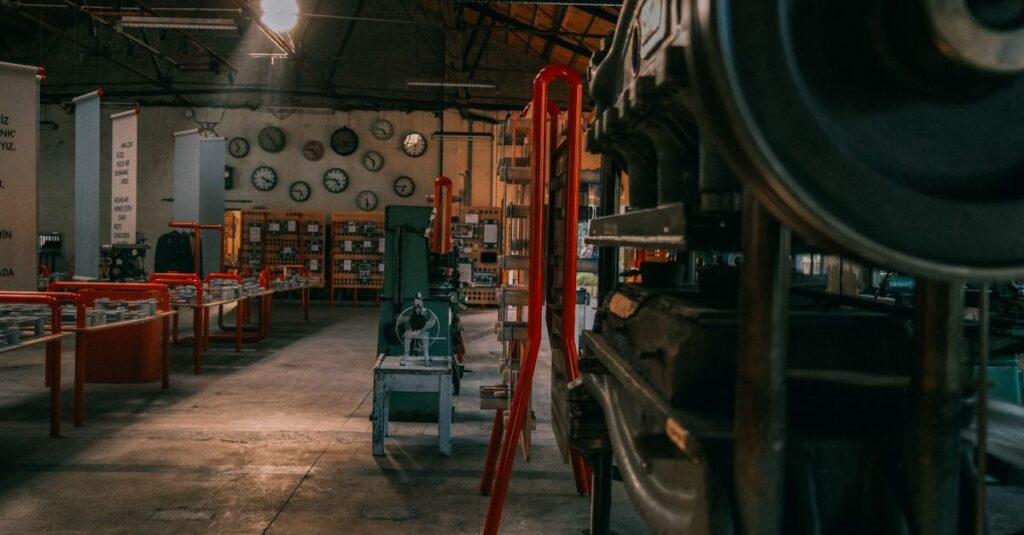
Here’s something most buyers don’t see: producing a niche item like unruled notebooks in bulk isn’t just about running the same machine without the ruling print. It changes the flow.
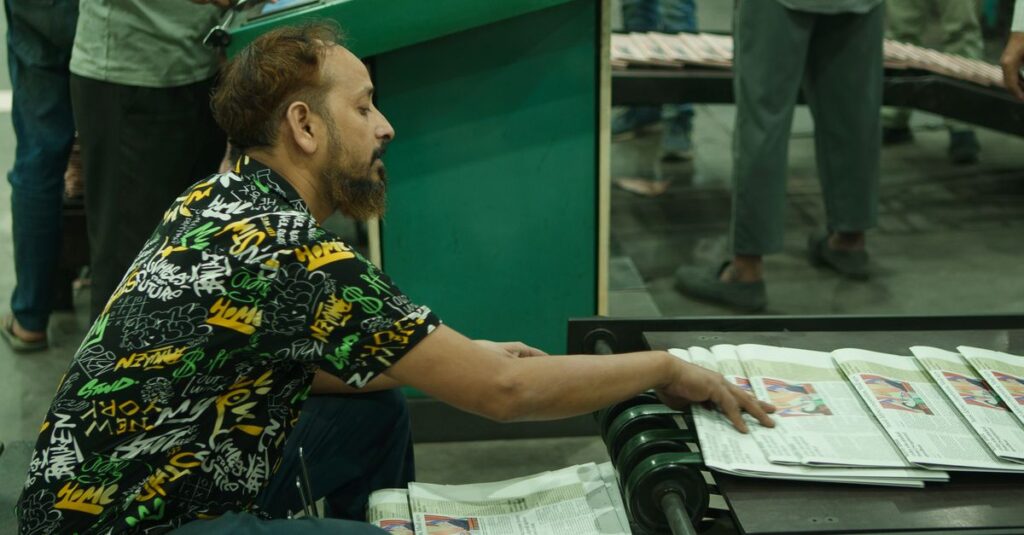
In our factory, the ruling is printed on the paper before it’s cut and bound. For unruled, we skip that entire stage. That means the paper moves faster through that section. But then it often goes to a different binding line — the spiral binding line, which is slower than the stitching line. So the overall production time per notebook? It can be similar, or sometimes longer.
Then there’s the paper stock. Heavier GSM paper comes from different rolls, stored in a different part of the warehouse. It’s handled differently. The cutting blades need a slight adjustment because the thickness is different.
These are tiny operational details. But they matter when you’re promising a delivery date for 5,000 unruled notebooks to a corporate client. You can’t just slot it into the standard schedule. You need a separate run. That affects cost, and honestly, it affects your willingness as a manufacturer to take on the order. Some factories will say no to small niche orders because it disrupts their mass-production flow.
We’ve done it for forty years. So we have the lines set up for it. But I tell every buyer this: if you’re looking for a bulk supplier for unruled notebooks, ask about their production flexibility. Not just capability. Flexibility. Can they slot in your 500-piece order without pushing it to “the next available slot” three months away? That’s the real question.
What To Ask When You’re sourcing
So you’re a procurement manager, and you’ve got a request from the design team for unruled notebooks. What do you ask the manufacturer?
Don’t start with price. Start with specs.
- Paper GSM exactly: “Is this 70 GSM or 80 GSM? Can I get a sample to test with our pens/markers?”
- Binding type available: “Do you offer spiral binding? Is it metal or plastic spiral? Can pages be torn out cleanly?”
- Cover material: “What’s the cover card weight? Is it matte or glossy? How does it handle abrasion?”
- Customization limits: “Can you emboss a logo instead of printing it? What’s the minimum order quantity for custom covers?”
- Production lead time: “If I order 1,000 units, is this on a standard schedule or a special run? What’s the realistic delivery window?”
These questions turn a generic inquiry into a professional sourcing conversation. They show you know what you need. And they help you filter manufacturers who just sell notebooks from those who actually understand the product.
Look, I’ll be direct. A lot of bulk notebook suppliers will happily sell you ruled notebooks. When you ask for unruled, they might just give you the same notebook but without lines. That’s not what you want. You want the notebook built for the purpose. The difference is in the details.
Frequently Asked Questions
What is the main advantage of an unruled notebook over a ruled one?
The main advantage is freedom of layout. Ruled notebooks guide writing. Unruled notebooks allow for freeform drawing, sketching, diagramming, and visual note-taking without the constraint of lines. They’re used by designers, engineers, artists, and anyone who needs to think visually on paper.
Are unruled notebooks more expensive than ruled notebooks?
Typically, yes. They often use heavier paper (70-80 GSM vs. 54 GSM) to prevent ink bleed-through, and they may require specialized binding like spiral binding for flat-laying pages. These material and process differences add to the cost, especially in bulk orders.
Can I get custom-branded unruled notebooks for my company?
Absolutely. Most manufacturers, like us, offer private label and custom printing services. You can add your company logo, choose cover colors and materials, and specify page count and binding. The key is to discuss the paper GSM and durability needs for your specific use case.
What binding is best for an unruled notebook?
For most uses—like sketching or drafting—spiral binding is preferred. It allows the notebook to lie completely flat, making drawing easier, and lets pages be torn out cleanly. Stitched or perfect binding is fine for more general use, but for active creative work, spiral is the professional choice.
What is the typical bulk order quantity for unruled notebooks?
It varies. For corporate customization, minimum orders often start at 500 units. For standard, non-customized unruled notebooks, bulk orders can be as low as 200-300 units from specialized suppliers. It’s a niche product, so minimums are often lower than mass-produced ruled notebooks.
Final Thought
The unruled notebook isn’t a mystery. It’s a tool with a clear, professional purpose.
If you’re sourcing it, you’re not buying stationery. You’re buying a workspace. The specs matter more than the price. The feel of the paper matters more than the color of the cover. And the right supplier isn’t just someone who sells notebooks — it’s someone who understands why those blank pages exist.
I don’t think there’s one perfect answer for every buyer. Probably there isn’t. But if you’ve read this far, you already know what your team needs. You’re just figuring out who can deliver it without treating it as just another item on a list.
If that sounds like your situation, maybe start with a conversation. Ask the questions. Test the samples. Get the right tool.