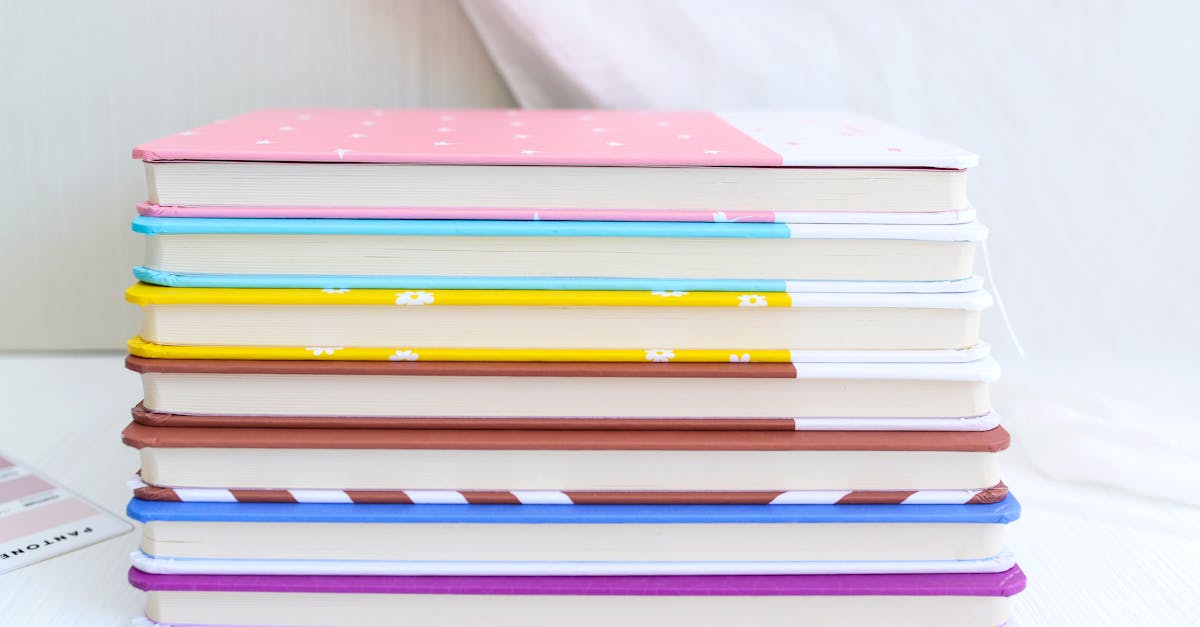
So, What's the Deal with a 100 Page Notebook?
Right. Let's talk about the 100 page notebook. You're probably looking at it because you need to order a few hundred — maybe a few thousand — of them. You're thinking about price per unit. Paper quality. Will they fall apart? Will the writing bleed through? The last thing you want is a classroom full of kids with pages falling out, or a corporate client complaining about flimsy diaries.
It's not just a stack of paper with a cover. It's a piece of utility. A tool. And when you're buying in bulk, every single specification matters. The weight, the binding, the ruling. You're not just buying a notebook; you're buying reliability. If you're looking for that kind of no-nonsense breakdown, from someone who's been making these things for decades, this is a good place to start.
The Raw Numbers: 100 Pages Means Something Specific
Here's where most people get tripped up. A 100 page notebook doesn't mean 100 individual sheets. It means 50 sheets. Because each sheet, when you fold it in half and bind it, gives you two pages — a front and a back. So 100 pages = 50 leaves = 25 folded sheets of paper, if you want to get technical about the manufacturing process.
This matters more than you think. It changes the thickness. It changes the spine. It directly impacts how the notebook feels in your hand. A 100-pager with good 70 GSM paper will feel solid, substantial. A textbook. The same page count with thin, cheap paper feels like a pamphlet. It's flimsy. It's disappointing. And for a procurement manager handing these out to an entire department or school, that disappointment is your problem.
I was talking to a school administrator from Visakhapatnam last month. He said they used to buy based solely on the lowest quote. They got notebooks where the covers curled after a week and the pages tore if you erased too hard. The complaints from teachers and parents were constant. He stopped looking at the price first. He started looking at the specs. The headache just… vanished.
Paper Quality: The Only Thing That Actually Matters
Look, I'll be direct. You can have the prettiest cover in the world, but if the paper is trash, the notebook is trash. The soul of a 100 page notebook is its paper. And paper is all about GSM — Grams per Square Meter. It's the weight.
- 54-60 GSM: This is your standard, workhorse writing paper. For most school exercises, office notes, general use. It's smooth enough, opaque enough that ink won't ghost through to the other side. This is what we use for probably 80% of our bulk school and corporate orders. It's the sweet spot.
- 70-80 GSM: Premium territory. This is for important record books, executive diaries, anything that needs to feel authoritative. Thicker. More durable. Pencil erases cleaner. It costs more, obviously. But for a corporate gift or a ledger that needs to last? It's the only choice.
- Below 50 GSM: Tread carefully. It starts to get translucent. You can see the writing from the other side. It feels cheap. It tears. For bulk institutional supply, I'd avoid it unless the budget is impossibly tight and you're fully aware of the trade-off.
The question isn't just about thickness. It's about what the notebook needs to do. A student scribbling math problems needs something different from an accountant recording transactions. You have to match the tool to the job. Most people don't. They just look at the cover.
Expert Insight
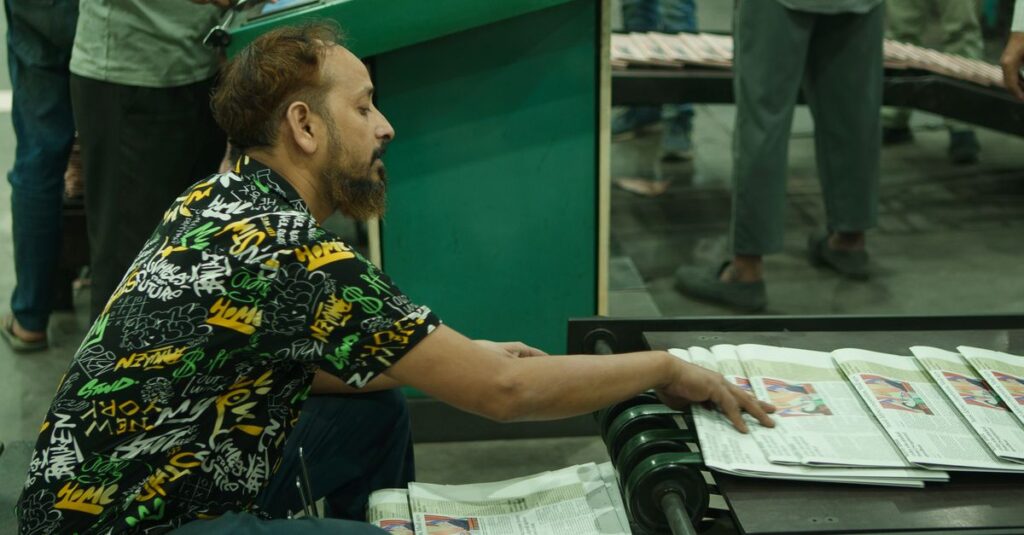
I was reading a trade journal a while back — paper industry stuff, pretty dry — and one manufacturer said something that stuck. He said the difference between a good notebook and a bad one isn't in the fancy printing or the binding machine. It's in the mill that produced the paper reels. The consistency of the pulp. The coating. A high-quality paper reel runs through the cutting and binding process without jamming, without curling. It just… works. We've sourced from the same mills for years. Not because they're the cheapest. Because when you're running 40,000 notebooks a day, you can't afford a batch of paper that behaves unpredictably. That's the real cost.
Binding: What Holds It All Together (Literally)
Okay. So you have 50 good sheets of paper. Now you have to keep them together. This is where notebooks die. The binding fails. Pages come loose. The whole thing becomes useless.
For a 100 page notebook, you've got three main options. Each has a personality. A purpose.
| Binding Type | Best For | How It Works | The Reality Check |
|---|---|---|---|
| Stitched (Saddle Stitch) | School notebooks, standard diaries, bulk orders. | Staples through the spine fold. Simple, strong, cost-effective. | Classic for a reason. It lays flat-ish. For 100 pages, it's perfect. It's what we run most of. |
| Spiral (Wire-O) | Notebooks that need to lay completely flat, sketchbooks. | Plastic or metal coil punched through the edge. Allows 360-degree rotation. | More expensive. Can snag on bags. But for artists, architects, anyone who needs that flat surface? Non-negotiable. |
| Perfect Binding | Premium corporate diaries, thicker books. | Pages glued together at the spine with a flexible adhesive. Looks very clean. | Feels high-end. Not as durable for rough, daily abuse. If it's going to be tossed in a backpack every day, maybe not this. |
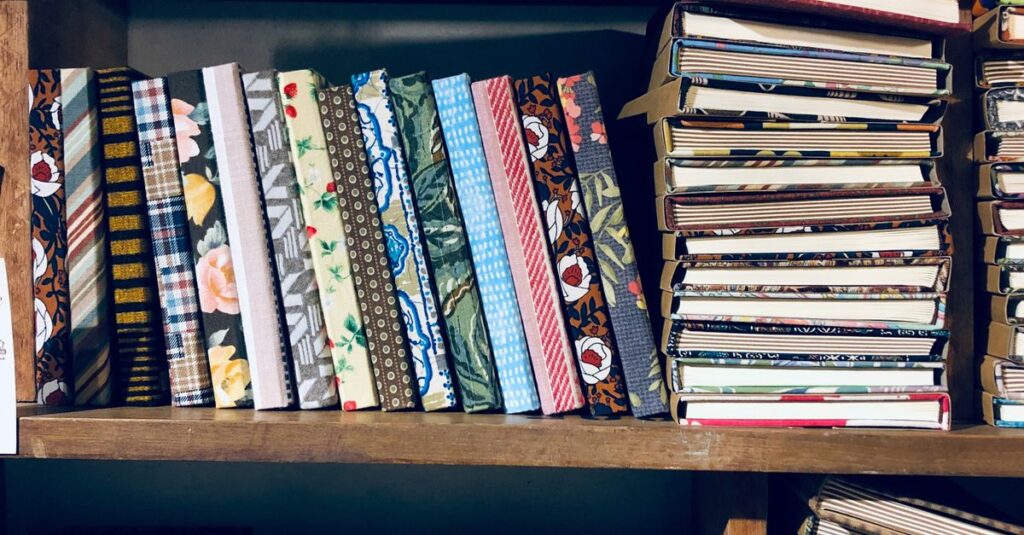
My advice? For 90% of bulk needs — schools, corporate giveaways, general office supply — stitched binding is your friend. It's proven. It's tough. It won't let you down. The fancier options have their place, but they're solving a specific problem. If you don't have that problem, don't pay for the solution. Seeing the different binding types in actual products helps make this click.
The Bulk Buyer's Dilemma: Custom vs. Stock
This is the big one. You need 5,000 notebooks. Do you take a standard, off-the-shelf 100 page notebook, or do you customize it? Private label it? Put your school logo, your company motto, a custom cover design?
Think about it this way. A stock notebook is a commodity. It's functional. It gets the job done. A custom notebook is a brand extension. It's a walking advertisement. It builds identity. For a school, a custom notebook with the crest on the cover creates a sense of belonging. For a company, it's a subtle, useful piece of marketing that sits on someone's desk for months.
But — and this is a big but — customization needs lead time. It needs artwork. It needs a conversation about pantone colors and cover finishes (matte? gloss?). It costs more per unit. The math changes. It's no longer just about the cheapest cost per page. It's about value per impression.
I've seen companies spend a fortune on fancy pens as corporate gifts that get lost in a week. A well-made, custom 100 page diary? That gets used. Every day. The brand reminder is constant. It's quiet. It's effective. It's just paper and thread, but it works harder than most of the flashy stuff.
The Checklist Before You Place That Big Order
Don't just send an email asking for a quote on '100 page notebooks'. You'll get a number, but it might be for a product that doesn't fit. Get specific. Be that person. It saves everyone time and frustration later.
- Page Count Confirmation: 100 pages / 50 sheets. Confirm this.
- Paper GSM: What weight? 54? 70? Get a sample if you can.
- Paper Ruling: Single Ruled (SR)? Double Ruled (DR) for accounting? Unruled (UR) for drawing? This is a huge one. A mismatch here makes the whole batch useless.
- Cover Material: Standard art card? Thick laminated board? Soft-touch finish?
- Binding Type: Stitched, Spiral, or Perfect?
- Dimensions: Long size? Short size? Crown size? A notebook that doesn't fit in the desk or bag is annoying.
- Customization: Logo? Custom text? Special colors?
- Packaging: How are they bundled? In dozens? In shrink wrap? This affects your handling and storage.
Write this down. Send it. Any manufacturer worth dealing with will appreciate the clarity. It means you know what you're doing. And if they can't answer these questions clearly… find someone else. Really.
Frequently Asked Questions
Is a 100 page notebook enough for a whole school year?
Usually, no. For a single subject, maybe. But most schools order multiple 100-page or 200-page notebooks per student per year. It depends on the curriculum and writing volume. We often supply sets — one 100-pager for each subject.
What's the price difference between 52-page and 100-page notebooks?
It's not linear. The paper cost goes up, but the cover and binding costs are similar. So a 100 page notebook isn't twice the price of a 52-pager. It's more cost-effective per page in bulk. You get more value for the binding and cover you're already paying for.
Can I get a mix of rulings in one bulk order?
Absolutely. This is common. Schools might want Single Ruled for languages and Double Ruled for math. Factories run different rulings in batches. You just need to specify the quantities for each type clearly in your order.
How long does it take to manufacture a custom 100 page notebook order?
From final approved artwork? For an order of, say, 10,000 units, expect about 2-3 weeks. That includes paper cutting, printing, binding, and quality checks. Rush jobs are possible but cost more. Plan ahead.
What's the minimum order quantity (MOQ) for custom notebooks?
It varies by manufacturer. For us, to make the setup for custom printing worthwhile, we usually start at 500-1000 pieces for a 100 page notebook. For standard, non-custom stock, you can order smaller quantities, but the per-unit price is better in bulk.
The Simple Truth About Notebooks
At the end of all this — the GSM, the binding specs, the bulk quotes — a good 100 page notebook is just a reliable tool. It shouldn't be something you have to think about. It should just work. The paper should take ink cleanly. The pages should stay bound. The cover shouldn't embarrass you.
That's what forty years in this business comes down to. Not the fanciest machine, but the consistency to make a simple product perfectly, thousands of times a day. So when a school in Rajahmundry or a corporate office in Hyderabad opens that box, they get exactly what they expected. No surprises. Just a good notebook.
If you're figuring out the specs for your next big order and want to talk to someone who's seen it all, the conversation usually starts with a simple question.