Here's what happens when you type “book printing near me”
You're not looking for a library. Or a novel. You're probably sitting at a desk, staring at a procurement list. School notebooks. Corporate diaries. Account books for the office. A thousand units, maybe ten thousand. And you need them printed, bound, and delivered — yesterday. The 'near me' part? That's about logistics. Cost. Being able to pick up the phone and talk to someone who actually makes the thing you're ordering. If that's where you are, this might be worth a look.
Most people get this wrong from the start
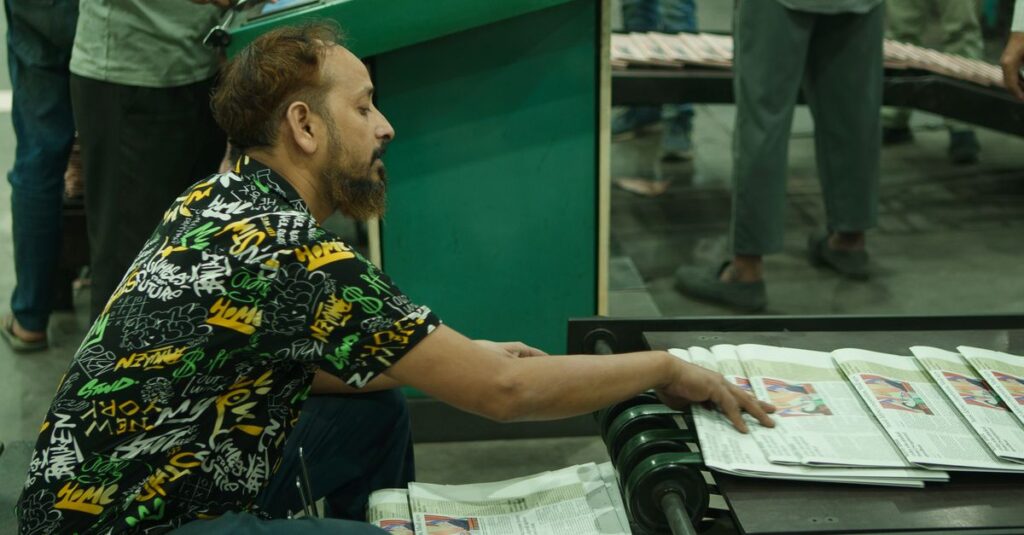
They think “book printing” means one thing. It doesn't. There's a canyon between a guy with a digital printer doing 50 custom journals and a factory running three shifts to punch out 40,000 school notebooks a day. You’re almost certainly searching for the second one. You need bulk. Consistent quality. Reliable binding that won't have pages falling out when a kid shoves it in a backpack. The local part? It's not just geography. It's about supply chain simplicity. Fewer customs forms. Trucks, not ships. A timezone you can argue with if something goes wrong.
I was talking to a procurement manager from a college chain last week — over a terrible video call, the audio kept cutting out — and she said the same thing. “I don’t need ‘artisanal’. I need 20,000 identical 200-page notebooks delivered to four different campuses by July. And I need to know exactly what GSM paper I’m getting.” That’s the search. That’s the intent.
Let's break down what you're really buying
You're not buying paper and glue. You're buying time. Your time. The time it saves your team from managing ten different suppliers. You're buying reputation. A notebook with your school logo that falls apart in a month makes you look cheap. You're buying predictability. Knowing the order you place in March will be the same quality as the one you place in November.
Right. So what should you look for?
- Capacity First: Can they handle your volume? Not “we can try,” but “here’s our daily output.” A real number.
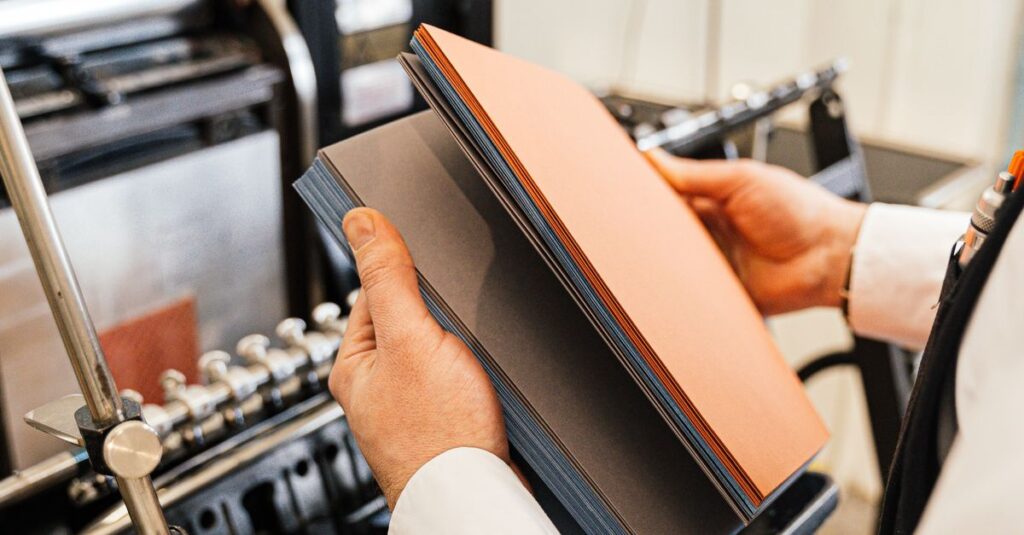
- Paper Clarity: “Good quality paper” is meaningless. You want a number. 54 GSM writing paper. 70 GSM cover stock. Specifics.
- Binding Reality: Stitched binding for textbooks that need to lie flat. Perfect binding for sleek corporate diaries. Spiral for art pads. They should know the difference and tell you why.
- The Customization Trap: Everyone says they do it. Few can do it at scale without the price tripling. Ask for samples of their bulk custom work.
Expert Insight
I was reading an industry report last month — one of those dry PDFs you skim for one useful line — and it stuck with me. The analyst said something like: “The most reliable indicator of a manufacturer’s stability isn’t their client list. It’s their raw material pipeline.” If they own or have locked-in contracts for their paper supply, they’re not going to call you in a panic when there’s a shortage. They’ll just make your notebooks. I don’t have a cleaner way to put it than that. The boring stuff is what keeps the lights on.
A real-life scenario (because theory is useless)
Meet Arjun. He's 42, the procurement head for a network of private schools in Hyderabad. His job: outfit 15,000 students with uniform notebooks every June. Last year, his “reliable” supplier in Delhi missed the deadline by three weeks. Paper quality was inconsistent between batches. The principal of one school called him personally, furious. This year, he's searching “notebook manufacturers near me” but widening the “near” to mean “within one state, with proven bulk transit.” He doesn't need a salesman. He needs a production manager who answers the phone.
Anyway.
Printing isn’t the hard part. This is.
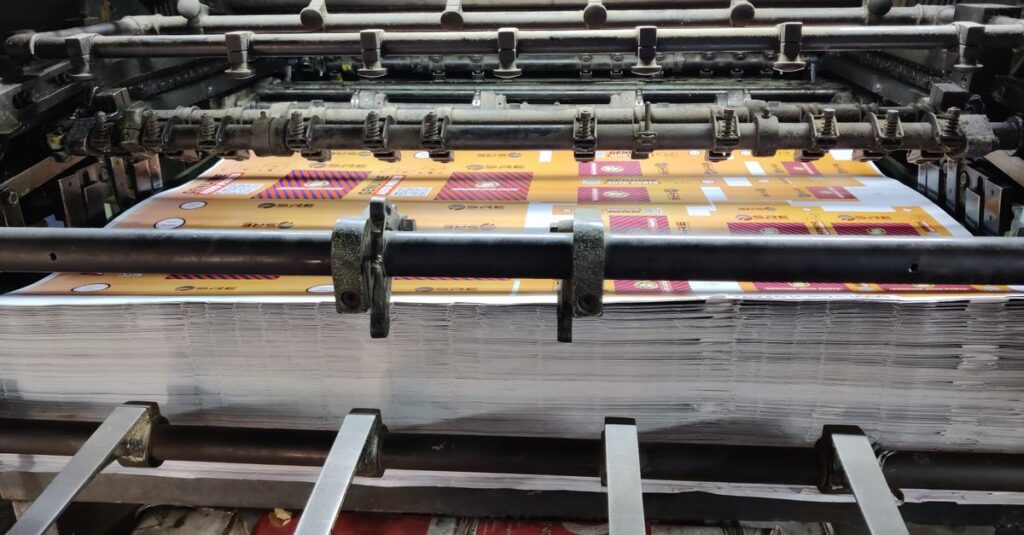
Binding. Consistent, durable binding is the single biggest point of failure in bulk notebook manufacturing. A bad stitch line means a whole batch gets returned. A weak spiral wire snaps. A perfect binding that hasn’t been glued right sheds pages like autumn leaves.
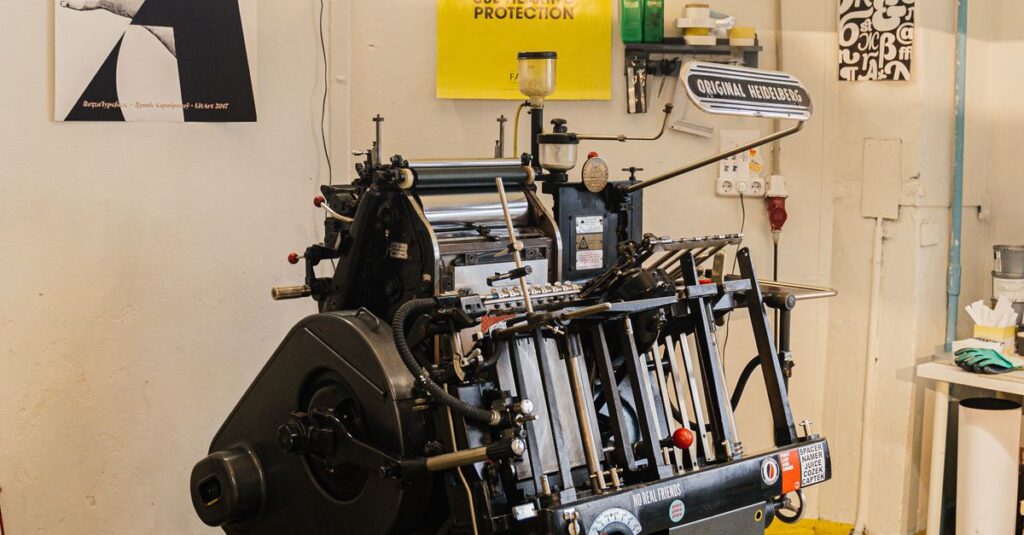
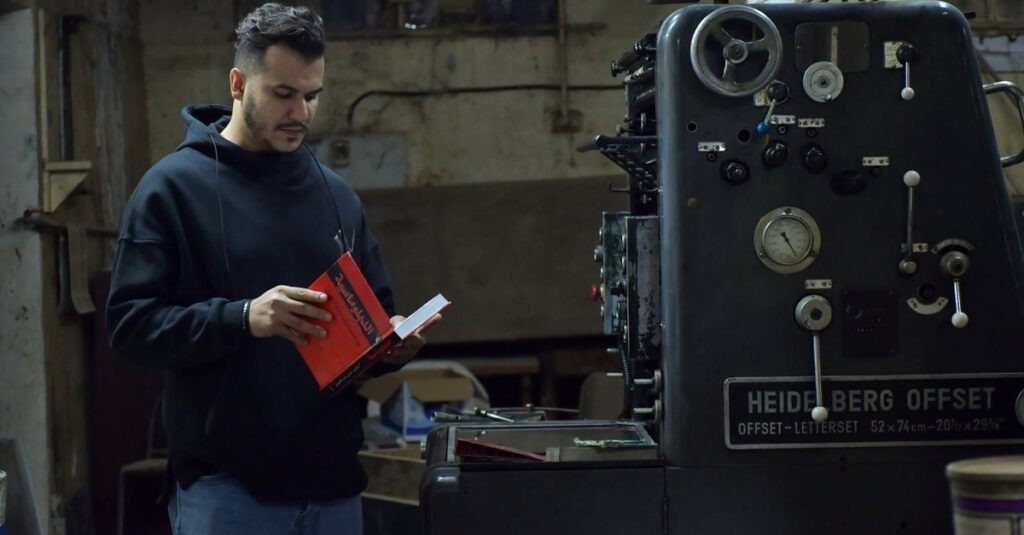
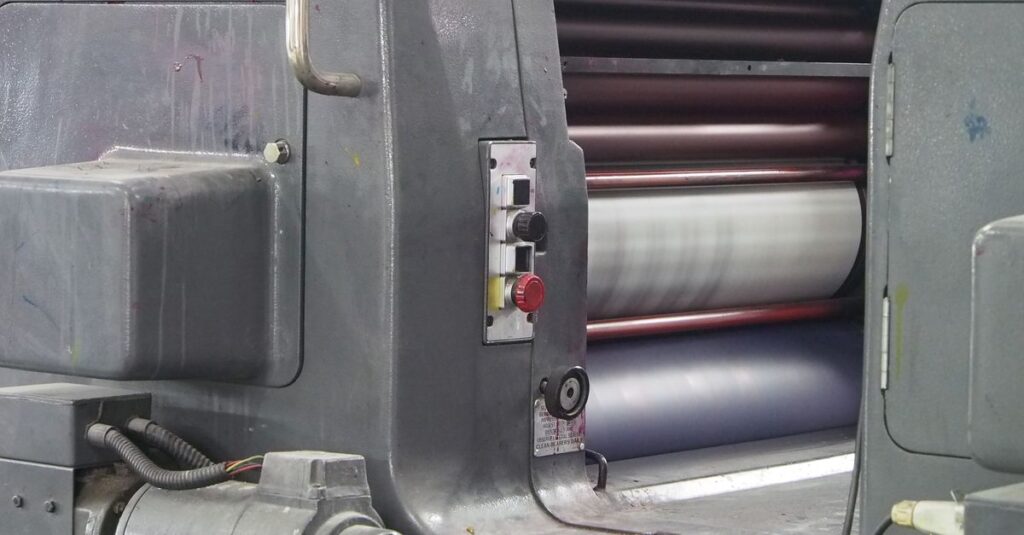
This is where you separate the real manufacturers from the resellers. A real manufacturer will talk to you about the machine. The stitching head capacity. The glue drying time. They’ll have opinions on thread thickness. A reseller will just send you a price list.
Your options, laid out brutally
When you search locally, you’ll generally find three types of “book printing” services. Most of you need Option 3.
| What You'll Find | Good For | Bad For | Red Flag Phrase |
|---|---|---|---|
| Digital Print Shops | Small batches (1-500), one-off custom gifts, photo books. | Bulk orders, cost-per-unit efficiency, heavy-duty use. | “We can scale up!” (They almost never can.) |
| Commercial Printers | Flyers, brochures, magazines. High-quality color printing. | Notebook binding. They outsource it, adding cost and time. | “We partner with a binder.” (Means you manage two suppliers.) |
| Integrated Notebook Manufacturers | Everything you need. Paper sourcing, printing, binding, packaging. Bulk scale. Institutional supply. | Printing one single book. They have minimum order quantities for a reason. | No red flag. Just ask for their daily production capacity and a factory tour. |
The table makes it obvious, right? If you’re ordering for a school, a corporation, a wholesaler — you’re looking for the third column. The one that does it all under one roof. That’s what “near me” should mean: a full-cycle factory, not a middleman.
So, how do you actually find one?
Forget Yelp reviews. You're not looking for a restaurant. This is B2B. Your search needs to shift.
- Change your keywords: Stop searching “book printing.” Start searching “notebook manufacturer,” “bulk notebook supplier,” “school notebook factory.” The intent is different. The results will be different.
- Ask for the process, not the product: When you call or email, don’t just ask for a price. Ask: “Walk me through your manufacturing process from paper roll to packed box.” Their answer tells you everything.
- Demand physical samples: Of the exact paper, binding, and print quality you want. Not glossy brochure samples. Real production samples.
- The location test: “Near me” is good, but “has a reliable shipping corridor to me” is better. A manufacturer in Rajahmundry with daily trucks to Hyderabad and Chennai is more “local” to a buyer there than a printer in your city who can’t handle volume.
Look, I’ll be direct. The goal isn't to find a printer. It's to find a partner who removes this task from your worry list for the next five years. That's the actual ROI. Companies that have been doing this for decades think in those terms.
Frequently Asked Questions
What does “book printing near me” usually mean for businesses?
It almost never means printing novels. For 90% of business searchers, it means finding a local manufacturer for bulk, customized stationery: school notebooks, corporate diaries, account books, or branded notepads. The “near me” is about minimizing shipping cost, simplifying logistics, and having direct access to the factory floor for quality control.
What's the minimum order quantity for bulk notebook printing?
It varies wildly. A digital print shop might do 50. A real integrated manufacturer typically starts at 500 to 1,000 pieces per design/specification to make the setup cost worthwhile. For large institutions ordering tens of thousands, the per-unit cost drops significantly. Always ask for a tiered price list.
How long does bulk notebook manufacturing take?
From final approval of design and sample? For an order of 10,000 standard notebooks, a capable factory needs 2-4 weeks. This includes paper procurement, printing, binding, curing/drying time, and packing. Always build in a buffer. Rushed jobs cost more and risk quality.
Can I get custom logos and designs on bulk notebooks?
Absolutely. This is a core service for manufacturers working with schools and corporates. It’s called private label or OEM production. You supply the logo/artwork, and they print it on the cover and sometimes on every page header. This is where checking their actual printing capabilities matters—some are better at complex color work than others.
What paper quality should I choose for school notebooks?
For everyday student use, 54-60 GSM (grams per square meter) writing paper is the standard. It’s opaque enough to prevent ink bleed-through, smooth for writing, and durable enough for erasing. Thinner paper feels cheap and tears; thicker paper is overkill and makes the notebook heavy. A good manufacturer will guide you based on the end user.
The takeaway is simpler than it seems
You need notebooks. Lots of them. You need them to be good, to arrive on time, and to not create more work for you. The search “book printing near me” is just the first, slightly clumsy step toward solving that.
The real step is identifying the local manufacturer who treats your bulk order like it’s routine — because for them, it is. Who has the machinery, the paper stocks, and the binding lines already humming. Who doesn't see your 5,000-diery order as a crisis, but as Tuesday.
I don’t think there’s one perfect supplier for everyone. Probably there isn’t. But if you’ve read this far, you already know the specs you need — you’re just figuring out who can deliver them without the drama. Sometimes, starting a conversation with someone who's been making them since 1985 is the easiest way to find out.