You’re Probably Overthinking This
Look, I hear this question a lot from procurement managers. Someone in marketing says, ‘We need image notebooks for the conference,’ and the buyer just… stares. What does that even mean? Are they talking about a picture on the cover? A photo album? A notebook made of images? It’s one of those industry phrases that gets thrown around but nobody really stops to explain. Right. Let’s fix that.
An “image notebook” isn’t a special product you order from a magic catalog. It’s just the term we use for a notebook where the image — your logo, your school crest, a brand graphic — is the main point. It’s a custom printed notebook, but the focus is squarely on that visual identity. The whole thing is built around making that image look good, feel premium, and represent whoever’s giving it out. You’re not just buying stationery; you’re buying a branded experience. Which, honestly, is way more important than most people think. If you’re trying to figure this out for your school or company, seeing how it’s done can clear things up fast.
What An Image Notebook Actually Is (And Isn’t)
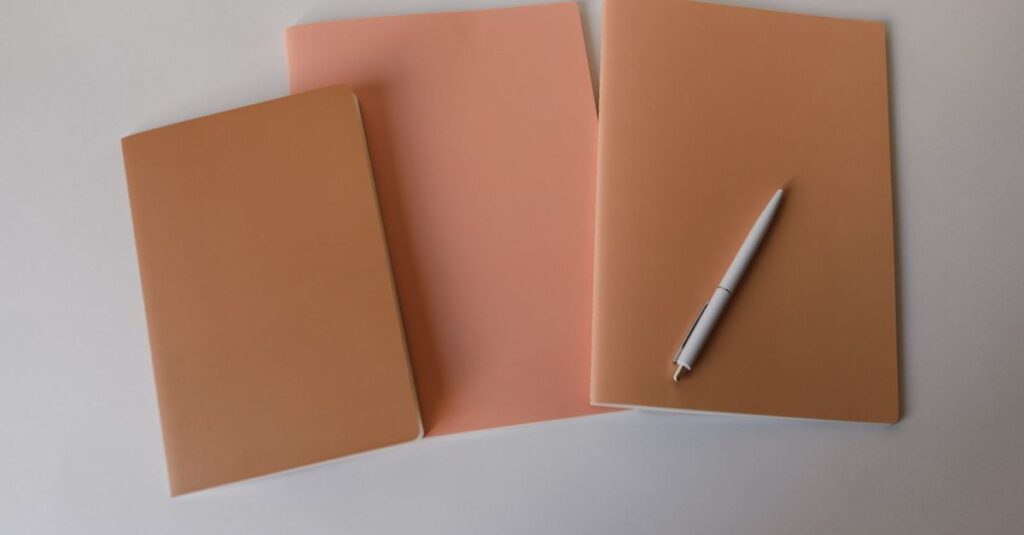
Okay, let’s get specific. I think people imagine some complex, over-engineered thing. It’s not. At its core, an image notebook is a standard notebook — ruled pages, good binding, decent paper — that has been customized with a specific image on the cover. Sometimes inside, too. That’s it. The “image” part refers to the customization.
But here’s where it gets interesting. The choice isn’t just about slapping a JPEG onto cardboard. It’s about the conversation that image starts. A corporate logo on a sleek diary tells an employee or client, “We pay attention to detail.” A vibrant school mascot on a notebook tells a student, “This is your team.” A simple, elegant pattern on a journal sold at a boutique says, “This is quality.” The notebook stops being a generic tool and becomes a touchpoint. A reminder. The mistake most first-time buyers make is treating it like a commodity purchase, when it’s really a branding exercise. You’re manufacturing a feeling.
Common Uses You Might Recognize
Just to make it concrete, here’s where these notebooks usually live:
- Corporate Gifting & Conferences: That branded notebook in the welcome kit. It’s not just for notes; it’s a walking ad.
- School & University Branding: Uniform notebooks with the institution’s emblem sold at the campus store or given to new students.
- Promotional Merchandise: For trade shows, product launches, or as a premium giveaway.
- Retail & Private Label: A bookstore chain putting its curated brand on beautiful journals.
- Internal Company Use: Standardized notebooks for all departments to foster a unified culture.
See? You’ve definitely held one before. The question is whether you were the one ordering them.
The Anatomy of a Well-Made Image Notebook
This is the part I love. Because anyone can print a logo. Making it look and feel right — that’s the craft. It breaks down into three big pieces, and if you get one wrong, the whole thing feels cheap.
First, the Cover. This is your image’s home. You’ve got options: glossy lamination (bright and shiny), matte lamination (sophisticated and smooth), or even textured finishes that you can feel under your thumb. The printing itself is usually offset for bulk runs — it’s sharper and more color-accurate. For smaller batches, digital printing works. I always tell people: choose a finish that matches your brand’s personality. A tech startup might want sleek gloss; a law firm probably wants understated matte.
Second, the Paper. This is the silent partner. If someone opens the book and the paper is gray, thin, and bleeds through, your beautiful cover is a lie. For most writing, a 54-70 GSM paper is the sweet spot. It’s opaque enough, has a good hand-feel, and takes ink without ghosting. For drawing or premium feels, you go thicker. The ruling matters too — single ruled for general notes, unruled for sketchers, four-ruled for younger students. The inside has to earn the trust the cover promises.
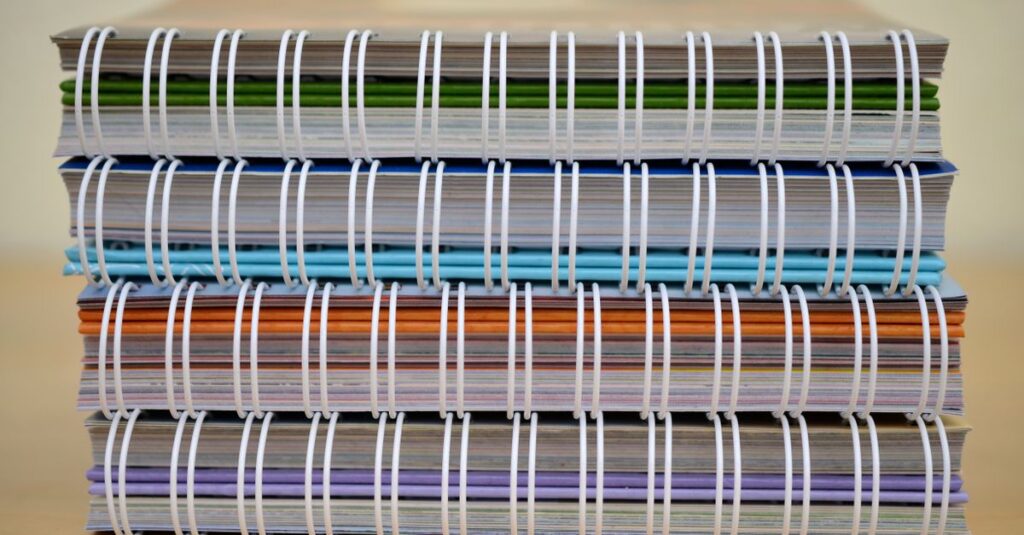
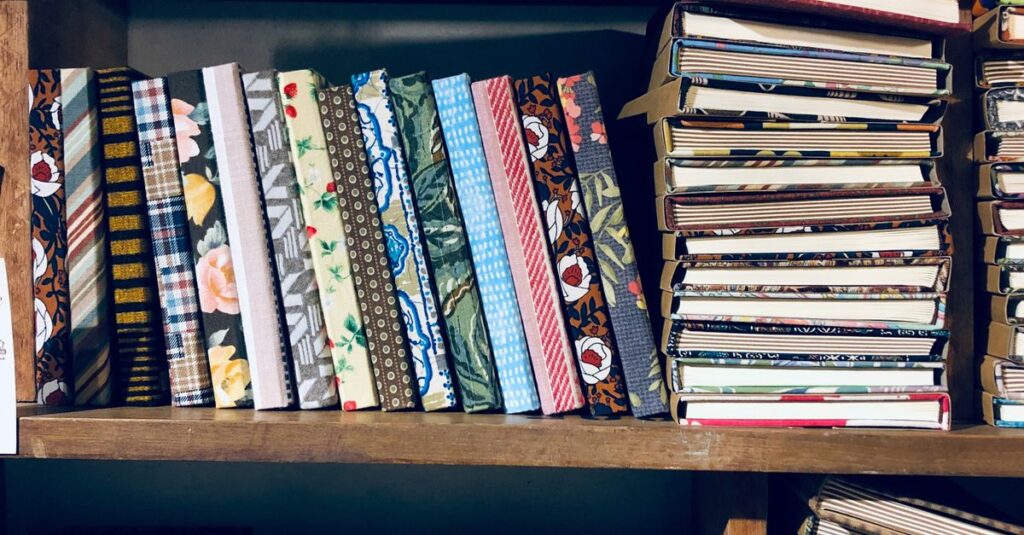
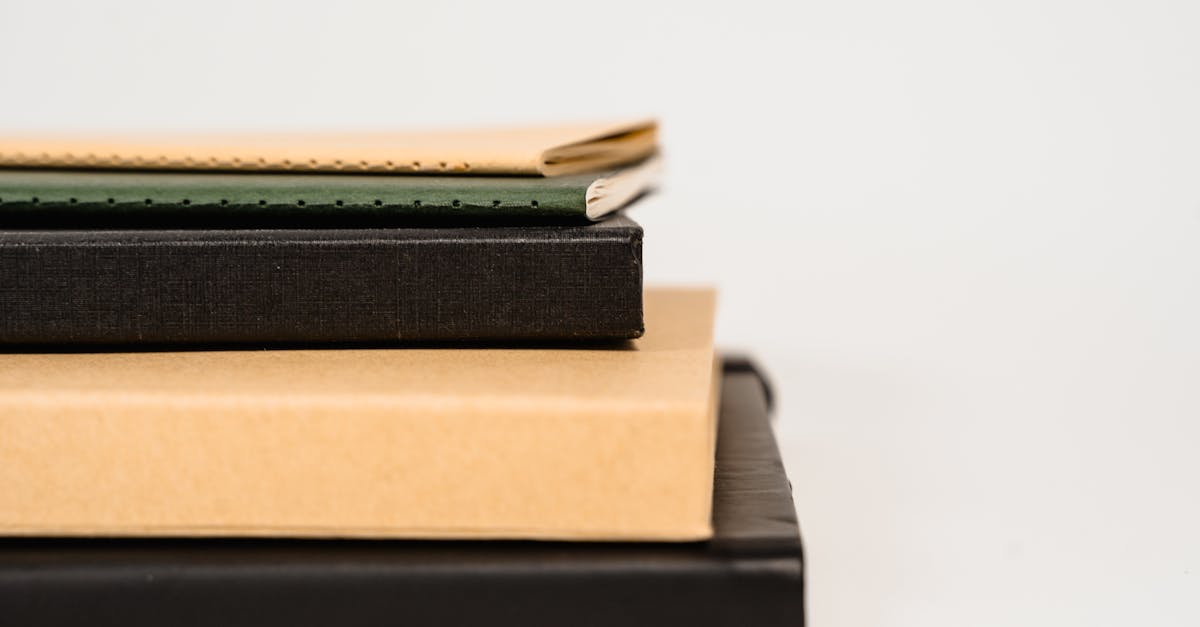
Third, the Binding. This is about durability and lay-flat ease. Stitched binding is classic and sturdy for standard notebooks. Spiral binding (wire-o or plastic coil) lets it fold completely flat, which is huge for artists or people who hate fighting the spine. Perfect binding gives that clean, book-like edge but doesn’t always lay flat. Your choice here dictates how the notebook will be used, not just how it looks on a shelf.
I was talking to a client last week — a college admin from Hyderabad — and she said something that stuck. “We used to buy the cheapest bound notebooks for the freshman pack. They’d fall apart by mid-terms. Now we spend a little more on stitching. The notebooks last the year, and the kids actually associate our logo with something that doesn’t disintegrate.” Right. The binding isn’t an engineering detail. It’s a reputation.
Bulk Ordering: The Real-World Math
Let’s be practical. You’re not buying one. You’re buying five thousand. Or fifty thousand. The whole game changes.
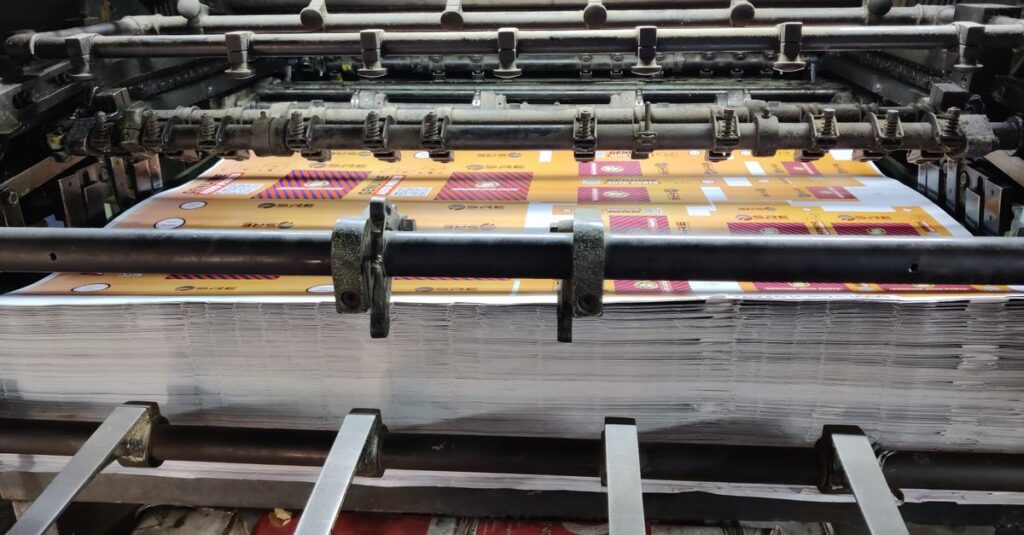
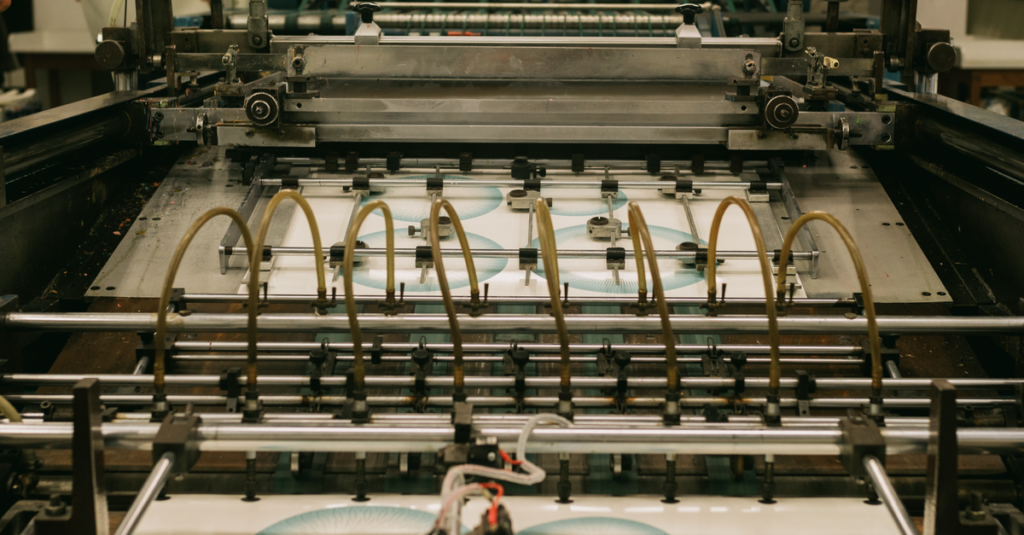
The biggest shift is in production. For a true bulk order of image notebooks, we move from digital printing to offset printing plates. This has a higher setup cost, but the per-unit cost plummets after a certain point. The paper is ordered in truckloads, not reams. The binding machines run for shifts, not minutes. The efficiency is insane, but it requires planning. Lead times stretch out because you’re not just in a queue; you’re on the factory schedule.
Here’s what most procurement managers need to have locked down before they even get a quote:
- Final, print-ready artwork. High-resolution, correct color mode (CMYK), with bleed margins. Changes after the plate is made? That’s a new plate. And a new cost.
- Exact Specifications. Not “a medium-sized notebook.” Exact dimensions (e.g., Long Size: 27.2cm x 17.1cm), page count (92 pages? 240?), paper GSM, ruling type, binding type.
- Quantities per SKU. If you want 10,000 total but in four different cover designs, that’s four separate production runs. It changes everything.
- Packaging & Delivery. How are they bundled? In cardboard boxes? Shrink-wrapped? Delivered to one central warehouse or multiple school branches?
Getting this right means you leverage the economies of scale. Getting it wrong means expensive delays and panic. I’ve seen both. The smooth orders are always the ones where the buyer treated the notebook like the custom-manufactured product it is, not like ordering pens from an office supply website.
Image Notebooks vs. Standard Bulk Notebooks
This is the heart of it. Why go custom when you can grab plain notebooks off the shelf for less? Let’s lay it out clearly.
| Aspect | Image / Custom Notebooks | Standard Bulk Notebooks |
|---|---|---|
| Primary Goal | Branding, Identity, Premium Experience | Cost-Effective Utility, Basic Function |
| Cover | Fully customized with specific image/logo; multiple finish options. | Generic, pre-printed designs or solid colors. |
| Cost Drivers | Setup (plates), custom materials, lower volume per unique design. | Pure volume of identical units; streamlined, repetitive production. |
| Minimum Order Quantity (MOQ) | Higher. Often 1,000+ units per design to justify setup. | Can be lower, especially for common, in-stock items. |
| Lead Time | Longer. Time for design approval, plate creation, and dedicated production run. | Shorter. Often ready for shipment or on a faster, standard production line. |
| Perceived Value | High. Seen as a deliberate, quality choice from the issuing organization. | Functional. Seen as a basic, no-frills supply item. |
| Best For | Corporate gifting, branded merchandise, school identity, retail products. | Internal office supplies, large-scale student distribution where brand isn’t key. |
The table makes it obvious, I think. You’re solving for different problems. One is a branding tool; the other is a commodity. Trying to use a standard notebook for a corporate gift is a missed opportunity. Trying to use a fully custom image notebook for internal scrap paper is a waste of money.
A Story About Getting It Right (And Wrong)
Let me tell you about Amit. He’s a procurement manager for a chain of coaching institutes in Pune. Two years ago, he ordered 20,000 notebooks for the new academic year. He went with the cheapest option: standard long notebooks with a tiny, poorly printed logo sticker on the front. The books were fine, but the stickers peeled. Kids picked at them. The brand looked… tacky. He told me later it felt like a missed connection with the students.
Last year, we worked together. We did a proper image notebook: the institute’s logo beautifully offset printed in two colors on a matte blue cover, 92-page, 70 GSM paper. The cost per unit was higher. Obviously. But when he visited a center, he saw students actually using them — and keeping them. The principal mentioned parents noticing the “quality study materials.” The notebook went from being a cost line-item to a part of their marketing. Amit’s takeaway wasn’t about rupees saved. It was about value created. He got a promotion, by the way. Not just because of notebooks, but because he started thinking about procurement as impact, not just expense.
That shift in mindset — that’s the real secret.
Expert Insight
I was reading an old industry report once — boring stuff, mostly — but one line from a brand consultant jumped out. He said, “In a digital world, the physical artifacts you choose to create become more meaningful, not less. They are deliberate. Every one is a statement of what you think your audience deserves.” I keep coming back to that. When you hand someone a cheap, flimsy notebook with your name on it, the message is ‘You deserve a cheap, flimsy thing.’ When you hand them a well-made image notebook, the message is ‘We value this interaction, and we value you.’ It’s that simple. And that complicated.
Starting Your Own Image Notebook Project
So you’re convinced. How do you start without getting overwhelmed? Break it into steps.
1. Define the ‘Why’ Clearly. Is this a gift? A mandatory supply? A retail product? The answer dictates your budget and quality tier immediately.
2. Gather Your Assets. Get the highest resolution logo file you have. If your marketing department doesn’t have a vector file (like an .AI or .EPS), get one. Pixelated images make for pixelated notebooks.
3. Spec It Out Realistically. Use the common sizes: Long, Short, King Size, A4. Choose a page count that matches usage (52 pages for short-term notes, 200+ for project books). Pick a paper that suits the writing tool (ballpoint, gel, fountain pen?).
4. Talk to a Manufacturer Early. Don’t just email for a price. Have a conversation. A good manufacturer, like us at Sri Rama Notebooks, will ask you about your goals and might suggest alternatives you haven’t considered — a different binding that costs less but works better, a paper GSM that’s more cost-effective for your volume. We see hundreds of projects; your first one is unique to you, but the patterns are familiar to us.
5. Order a Physical Sample. Always. Do not — I repeat, DO NOT — approve a print run based on a PDF proof on your computer screen. Colors shift. Paper feels different. The sample is your final safety check. It’s non-negotiable.
The process isn’t hard. It just requires moving step-by-step, not trying to solve everything at once. Most of the headaches I see come from someone trying to skip to step five.
Frequently Asked Questions
What’s the minimum order quantity for custom image notebooks?
It varies, but for a custom offset print run with a unique cover image, you’re typically looking at a minimum of 1,000 to 2,000 pieces per design. For smaller batches, digital printing is an option, but the per-unit cost is higher. It’s always best to discuss your specific needs directly.
How long does it take to produce bulk image notebooks?
From final approved artwork to delivery, plan for 4 to 8 weeks for a standard bulk order. This includes plate making, paper sourcing, printing, binding, and packing. Rush jobs are sometimes possible but add significant cost. Planning ahead is the biggest cost-saver.
Can you print different images inside the notebook, not just on the cover?
Absolutely. We can print logos, motivational quotes, instructional material, or even branded header/footer on every page. This is common for school notebooks with lesson schedules or corporate manuals. It adds to the setup but creates a fully cohesive product.
What file format do you need for the cover image?
We need a high-resolution vector file (like .AI, .EPS, or .PDF with fonts outlined) for the best quality. If you only have a high-res JPEG or PNG (300 DPI at the final print size), we can work with that, but vectors ensure crisp, scalable logos without any pixelation.
Do you handle the graphic design of the cover as well?
We can. Our printing services often include basic design layout—placing your provided logo and text professionally on the cover template. For complex, from-scratch design work, we usually recommend you work with your own designer to get the vision exactly right first.
Wrapping This Up
At the end of all this, an image notebook is a simple idea made powerful by execution. It’s about taking something ordinary and imprinting your identity on it, in a way that’s tangible and useful. For businesses and institutions, it’s one of the most cost-effective, long-lasting forms of branding you can invest in. It sits on desks, gets carried in bags, and is used in moments of focus and creativity.
I don’t think the value is in the paper or the ink. It’s in the statement it makes every single time it’s opened. The question isn’t whether you need notebooks. It’s whether you’re ready for those notebooks to actually say something about you. If you are, then the conversation about specs and quantities is just the necessary, practical next step. And that’s a conversation we’ve had for almost forty years.
If the idea of turning your logo or image into a tangible, well-made tool sounds like what you’ve been looking for, it’s worth starting that conversation.