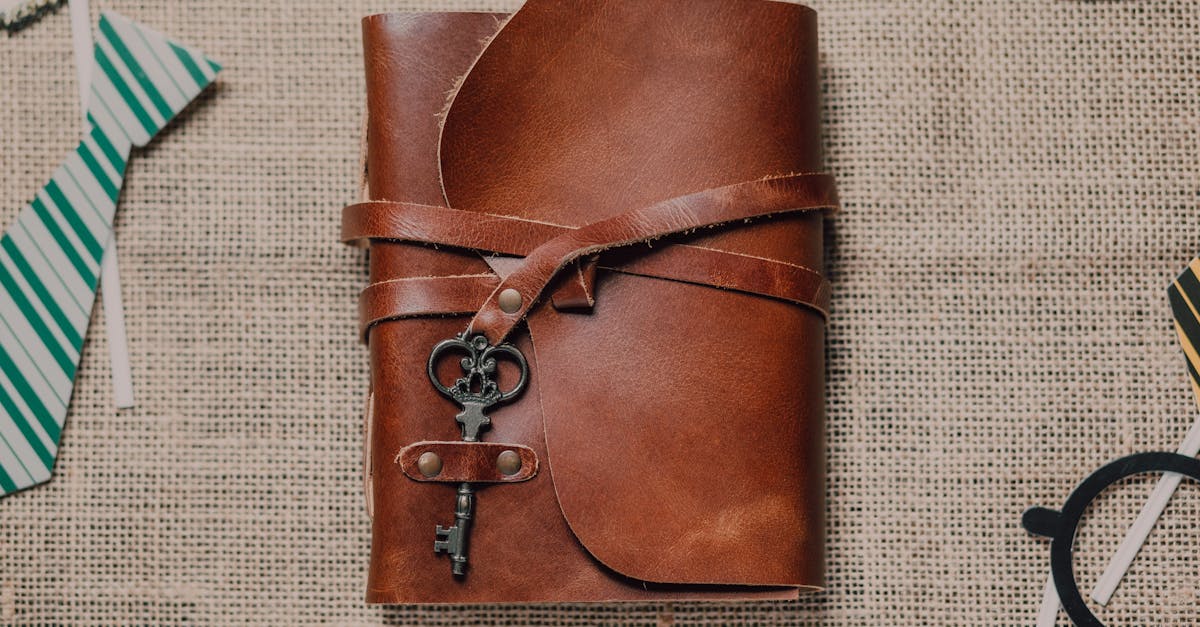
Why a Handmade Diary Feels Different (And Why That Matters)
You pick it up. There’s a slight give in the binding that says it wasn’t slammed shut by a machine a thousand times an hour. The cover grain feels alive, not laminated into plastic perfection. For corporate gifting or executive planners, that’s the whole point. It’s not about being fancy; it’s about being substantial. A mass-produced diary gets the job done. A handmade diary communicates value before a single word is written. And in a world of digital noise, that tangible signal of quality is what people remember. If you’re sourcing for a corporate program or a high-end client gift, this difference isn’t marginal — it’s central.
We’ve been making notebooks and diaries since 1985, and I can tell you this: the conversation around the boardroom table changes when the stationery on it feels considered. It’s a small detail, honestly. But those are the details that stick. You can explore some of our custom stationery options here, if you’re curious about what that actually looks like.
The Anatomy of a Handmade Diary: It’s in the Seams
So what makes a diary handmade? It’s not one big magic trick. It’s a series of small, deliberate choices that automated lines skip.
The Signature: The Binding
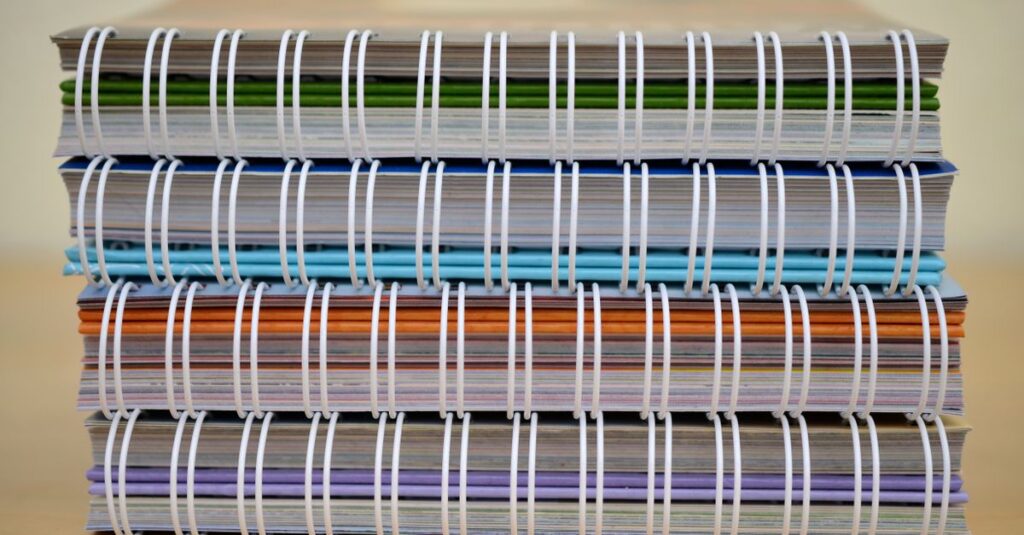
This is where it starts. Machine binding is about speed and uniformity — punch, glue, clamp, next. Hand binding, like the stitched work we do, is about tension and longevity. An artisan pulls each thread to a consistent tightness, feeling the resistance of the paper signatures. This creates a lay-flat spine that a perfect-bound glue job can’t. It means the diary will open fully on a desk in January and still open fully in December, without the crackling sound of adhesive giving up. That’s not a feature you list; it’s one your users discover.
The Paper: Not Just a Weight
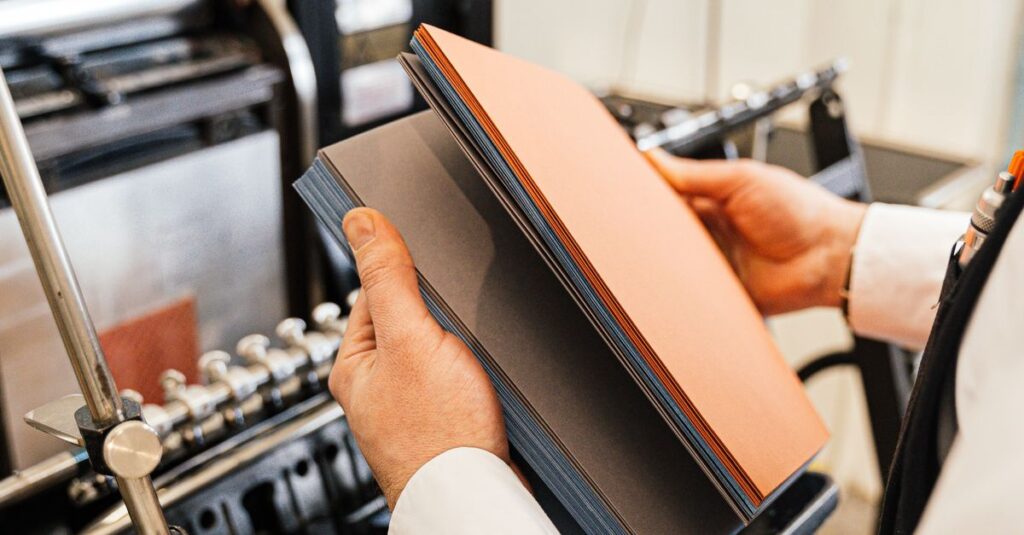
Everyone talks about GSM. 70 GSM, 80 GSM, 100 GSM. But handmade diaries pay attention to the feel of the sheet. It’s about how the paper accepts ink — does it bleed, does it feather? We use a 54 GSM writing paper that’s smooth but has just enough tooth for a fountain pen or a bold marker to feel controlled. The edges are often deckled or softly trimmed, not razor-cut. It sounds minor until you’re the person signing off on a thousand-unit order that should feel premium. Then it’s the only thing that matters.
Corporate Gifting: Where Handmade Diaries Outperform
Let’s talk about the real-world use. You’re not buying these for yourself. You’re procuring them for a brand, a team, a milestone.
Client Gifts: A generic diary says “we remembered the holiday.” A handmade, custom-embossed diary says “we value this relationship.” The recipient feels the difference immediately. It moves from a promotional item to a personal tool. I’ve seen clients keep these for years, long after the logoed mug is gone.
Executive Onboarding: Giving new leadership a handmade planner sets a tone. It implies careful thought, attention to detail, and a long-term investment. It’s a physical artifact of the company’s culture.
Conference & Event Swag: In a sea of USB drives and cheap totes, a well-crafted diary stands out. It gets used on-site for notes, and it travels home. It has staying power.
The ROI isn’t just in the cost per unit; it’s in the perceived value per impression. Which, frankly, is much higher. If you’re evaluating options for a corporate printing program, the binding choice is your first strategic decision.
Handmade vs. Machine-Made: A Side-by-Side Look
It’s not that one is “better” in all cases. It’s about what you need. For bulk school notebooks, speed and consistency win. For a premium corporate diary, the calculus flips.
| Feature | Handmade Diary | Machine-Made Diary |
|---|---|---|
| Binding Durability | Hand-stitched or sewn; lies completely flat, lasts years. | Glued perfect binding; spine may crack with heavy use. |
| Paper Edge Finish | Often deckled or softly sanded; feels organic. | Precision-cut; sharp, uniform edges. |
| Cover Feel & Detail | Natural materials; embossing/debossing has deeper dimension. | Laminated covers; printing is flat, texture is simulated. |
| Production Consistency | Each piece has slight, natural variations — it’s unique. | Every unit is virtually identical. |
| Lead Time & Customization | Longer; highly flexible for custom page layouts, inserts. | Shorter; best for standard layouts in high volume. |
| Perceived Value | High; seen as a premium, thoughtful product. | Functional; seen as a mass-produced utility item. |
The Reality of Sourcing Handmade Diaries in Bulk
Here’s the part people don’t talk about enough: scale. Can you get true handmade quality for a 5000-unit order? The answer is yes, but it doesn’t look like an assembly line. It looks like an orchestrated workshop.
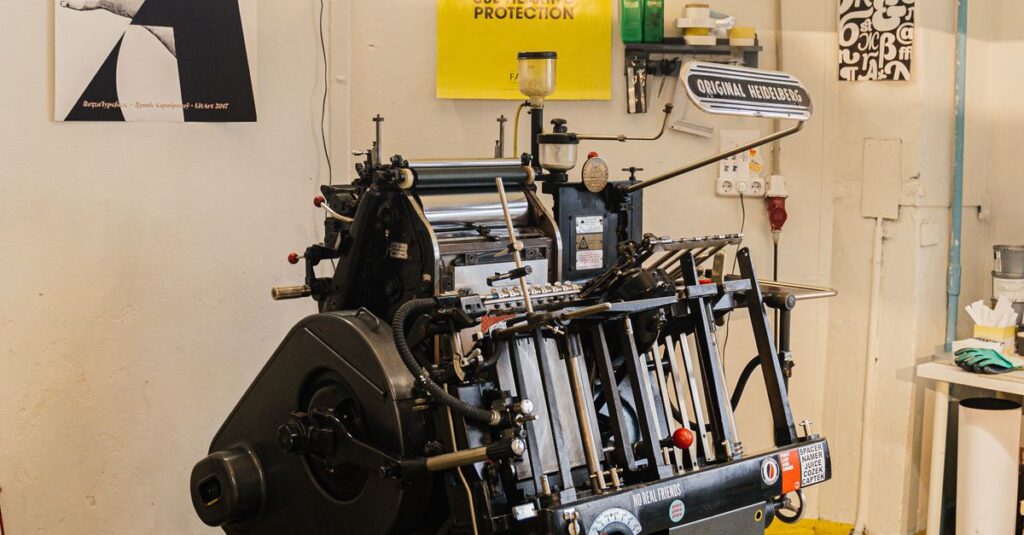
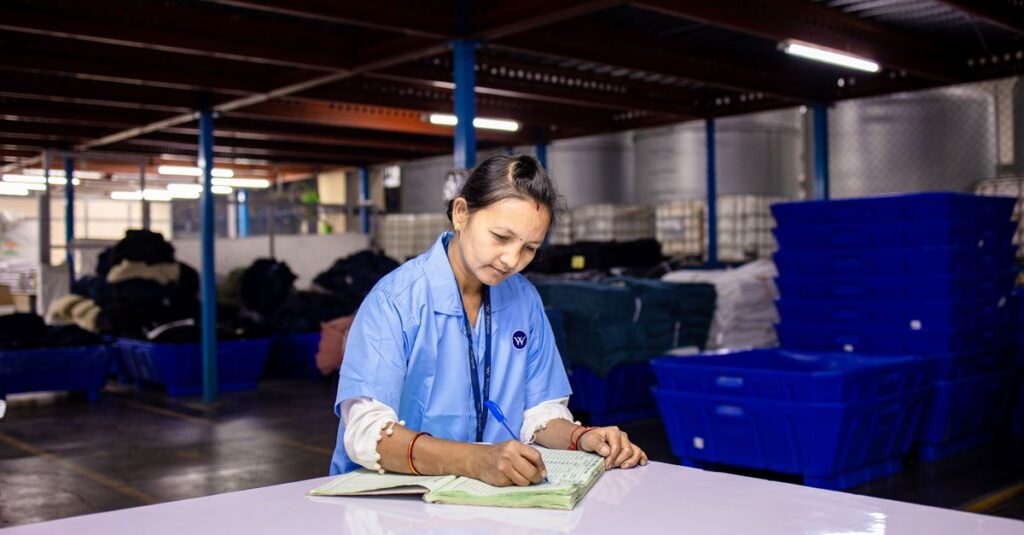
At our facility, a bulk order of handmade diaries moves in batches through specialized stations: cutting, folding, sewing, covering, finishing. It’s slower than a fully automated line producing 40,000 notebooks a day, but it’s deliberate. The capacity constraint is real — you can’t decide you need another 10,000 units next week. Planning is everything. You need a manufacturer, like us, who understands both the craft and the logistics of bulk institutional supply. It’s a different kind of partnership. You’re not just sending a PDF and waiting for a container; you’re collaborating on grain direction and thread color.
Expert Insight
I was talking to a procurement manager for a large bank last year. He was frustrated. They’d been using the same machine-made corporate diaries for a decade — good quality, fine. But zero impact. We shifted him to a handmade line with a custom-debossed leatherette cover. The unit cost was higher. But he told me later the feedback from recipients was the first positive comment they’d ever gotten on stationery. The re-order was three times the size. The lesson wasn’t about spending more; it was about spending where the user actually feels it. That’s the gap most companies miss.
A Quick, Real-Life Scenario
Anita, 42, heads procurement for a law firm in Hyderabad. Her firm wants 300 year-end gifts for top clients. The brief: “elegant, durable, not flashy.” She initially specs a standard A5 diary from a catalog. Then she gets a sample of a handmade one — the stitching, the paper weight. She presses her thumb into the spine, fans the pages. She realizes the catalog option feels disposable. The handmade one feels like an heirloom. She approves the upgrade. The cost is 40% more per unit, but the gifting budget isn’t cut. Why? Because the value proposition changed from “item” to “experience.” She wasn’t buying diaries anymore; she was buying a specific feeling for their most important clients.
Common Questions (And Straight Answers)
Frequently Asked Questions
Are handmade diaries practical for large corporate orders?
Absolutely, but with planning. They’re ideal for orders from 500 to 5,000 units where perceived value is critical, like executive gifts or client rewards. The lead time is longer, but the impact justifies it for the right audience.
What’s the main cost driver in a handmade diary?
Labor and material selection. Hand-stitching a binding takes skilled time. Premium cover materials (linen, leatherette) cost more than standard laminated board. You’re paying for durability and sensory quality that machines can’t replicate.
Can you customize every part of a handmade diary?
Almost. Cover material, stamping/foiling, page layout, ribbon markers, even the endpaper design. The flexibility is much higher than with automated runs. It’s why they’re perfect for flagship brand programs. Want a specific ruling for left-handed accountants? We can do that.
How do you ensure consistency in a handmade product?
Through controlled batches and skilled artisans, not robotic precision. There will be tiny, natural variations — the grain on a leather cover, the shade of dyed thread. That’s the point. It proves it’s not factory-made. Consistency comes in structural integrity: every diary lies flat, every page is securely bound.
Is a handmade diary just for aesthetics?
Not at all. The functional benefits are real. A sewn binding lasts decades. Higher-quality paper reduces ink bleed. A well-balanced cover makes writing comfortable for hours. It’s built to be used hard, not just look good on a shelf.
The Bottom Line on Handmade Diaries
It comes down to intention. A machine-made diary is a transaction. A handmade diary is a communication. It tells the recipient that thought went into the object they’ll use every day. For corporate buyers, that’s a powerful layer of messaging that no brochure can provide. The question isn’t really about cost per unit. It’s about value per impression. And sometimes, paying a bit more upfront gets you a lot more in return — in brand perception, in user satisfaction, in sheer durability. In the end, you’re not just ordering stationery. You’re choosing what your brand feels like in someone’s hands.
If the idea of a custom, hand-finished diary for your next corporate program sounds like the right kind of problem to have, let’s talk about what’s possible. We’ve been solving that problem since 1985.