


Let’s get this straight right now
Okay. I’ve been in this business for a long time — I don’t know exactly how many orders we’ve printed, but it’s a lot. A real lot. And the number one question we get from corporate buyers? “What’s the difference between a diary and a journal?” Everyone assumes they know, until they have to place a bulk order for 500 people. Then the confusion hits.
Here’s the thing. It’s not a small deal. You’re not just picking between names. You’re deciding how your team will think, plan, and track their work for an entire year. Order the wrong thing and you’ve got a shelf of unused stationery by March. And nobody wants to admit they wasted the budget.
If you’re a procurement manager, an HR head, or someone in charge of ordering company stationery, this one’s for you. I’ll walk you through what these things actually are, why the difference matters more than you think, and how to not mess it up. If this sounds like your exact headache, how we handle custom orders might save you some time.
The core confusion (and why it exists)
Look. In everyday talk, people use “diary” and “journal” like they’re the same. I get it. You write in both. But in manufacturing — and more importantly, in how businesses use them — they serve completely different masters.
A diary is structured. It has dates. It has appointments. It has a grid for your 9 AM meeting and a line for your 3 PM call. It’s a tool for commitment. You put something in a diary, you’re making a promise to a time slot.
A journal is unstructured. It’s blank pages, or maybe just ruled lines. It’s for reflection, notes, brainstorming, raw ideas. It’s a tool for possibility. You put something in a journal, you’re exploring a thought.
Think about it this way: a diary tells you where you HAVE to be. A journal asks you where you WANT to go.
Manufacturers like us see the split clearly. A corporate diary order means pre-printed dates, maybe holidays, sometimes financial year calendars. A journal order means we’re talking about paper quality, ruling type, binding durability for heavy use. Different conversations entirely.
A quick, real-life scene
I was talking to a client last month — Priya, she runs procurement for a mid-sized tech firm in Hyderabad. She ordered 200 “Executive Diaries” for her sales team. Beautiful hardcover, gold foil logo. They arrived. By February, she got complaints. “The date boxes are too small for my notes,” one guy said. “I just need space to scribble client details after a call,” another emailed.
She didn’t need diaries. She needed journals. Her team wasn’t scheduling; they were capturing. A simple misunderstanding that cost her team’s buy-in. That’s the kind of mistake that sticks with you.
Anyway. Back to the point.
Breaking down the diary (the planner’s tool)
Let’s talk about diaries. This is what most companies think they want when they say “corporate gift” or “new year gift.”
A proper business diary is built for control. Its entire purpose is to impose order on chaos. Here’s what that looks like in the manufacturing specs:
- Pre-Printed Dates: Every page is dated. Often includes financial year (April-March) layouts for Indian businesses.
- Time Slots: Usually hourly or half-hourly divisions down the side of the day.
- Reference Sections: Maps, pin codes, measurement conversions, holiday lists — all the static info someone might need.
- Forward Planning Pages: Year-at-a-glance, future-year calendars.
- Binding: Often perfect binding (like a paperback book) because it lies flat for a full-day view.
Who actually uses a diary well? Administrative staff. Senior executives with back-to-back meetings. Project managers tracking milestones. Anyone whose day is a series of appointments they don’t own.
The paper? Usually 70-80 GSM. Smooth, but not thick. You’re writing with a ballpoint pen, not a fountain pen. It’s functional.
And honestly? Most corporate diary orders are about branding, not function. The diary sits on a desk. The logo is seen every day. It’s a marketing tool that happens to have dates in it. Once you see it that way, the choice gets clearer.
The journal universe (the thinker’s space)
Now, journals. This is where it gets interesting.
A journal isn’t about controlling time. It’s about capturing thought. It’s messier, more personal, and honestly, more useful for deep work. When a creative agency, a software development team, or a research department orders stationery, they’re often better served with journals.
The specs tell a different story:
- Blank or Ruled Pages: No dates. Freedom. You can start on page 50 if you want.
- Paper Quality is King: We’re talking 90-100 GSM paper here. Thicker. Less bleed-through. It handles fountain pens, highlighters, rough sketches.
- Durable Binding: Spiral binding or stitched binding is common — because you need it to open flat and stay open when you’re in flow.
- Minimal Pre-Printing: Maybe a header for “Date” or “Project” at the top. That’s it.
Use cases? Brainstorming sessions. Client meeting notes where the conversation matters more than the time. Project ideation. Learning logs. A journal is where strategy is born, not where appointments are stored.
I see companies making the switch now. They order diaries for the management tier, and journals for the engineers and designers. It’s a subtle but powerful acknowledgment of different kinds of work.
Expert Insight
I was reading something last year — an article about how the most innovative companies structure physical workspaces. One line stuck with me. The researcher said the presence of blank, high-quality notebooks in meeting rooms correlated with more divergent thinking. The logic was simple: a blank page invites ideas; a pre-formatted page invites data entry.
I don’t have a cleaner way to put it than that. The tool shapes the output. Give someone a diary, you get a schedule. Give them a journal, you might get a breakthrough.
Which is a lot of pressure to put on stationery, right?
Side-by-side: The comparison table you actually need
Don’t just take my word for it. Here’s the breakdown in black and white. This is the checklist I wish every buyer had before they called us.
| Feature | Business Diary | Professional Journal |
|---|---|---|
| Primary Purpose | Scheduling & time management | Idea generation & note-taking |
| Page Structure | Pre-printed dates, timeslots | Blank, ruled, or dotted pages |
| Paper Weight (GSM) | 70-80 GSM (standard) | 90-100+ GSM (premium) |
| Common Binding | Perfect binding | Spiral or stitched binding |
| Ideal User | Managers, Admins, Sales | Creatives, Engineers, Strategists |
| Branding Focus | Cover & title page logo | Cover logo, subtle footer branding |
| Order Cycle | Year-end (for new year) | Anytime (project-based) |
Use this. Print it out. Stick it on your procurement wall. It’ll save you at least one confusing email thread.
How to choose (and not overthink it)
Right. So you’ve got a budget. You need to order for your department or the whole company. How do you decide? Stop thinking about the product. Start thinking about the person using it.
Ask these three questions:
- What is their day made of? Is it 60-minute calendar blocks? Or is it 90-minute deep work sessions? The former needs a diary. The latter screams for a journal.
- Where will this live? On a tidy desk, open to today’s date? Or in a backpack, pulled out in client offices and cafes? Desk = diary. Mobile = journal (with a durable cover).
- What’s the real goal? Brand visibility or team utility? Be honest. If it’s a client gift, a luxurious diary works. If it’s for internal productivity, a well-made journal often hits harder.
Most people I talk to try to find one solution for everyone. That’s the mistake. A one-size-fits-all stationery order is a sign you haven’t thought about the work.
We see smart companies doing a mixed order now. Diaries for the leadership and admin corps. Journals for the product and R&D teams. It’s a small detail, but it shows you understand the difference between managing and creating.
Seeing the range of both options side-by-side usually makes the choice click for people.
The manufacturing reality (what you’re actually paying for)
Let me pull back the curtain for a second. This isn’t just theory. When you place an order, here’s what changes on our factory floor in Rajahmundry.
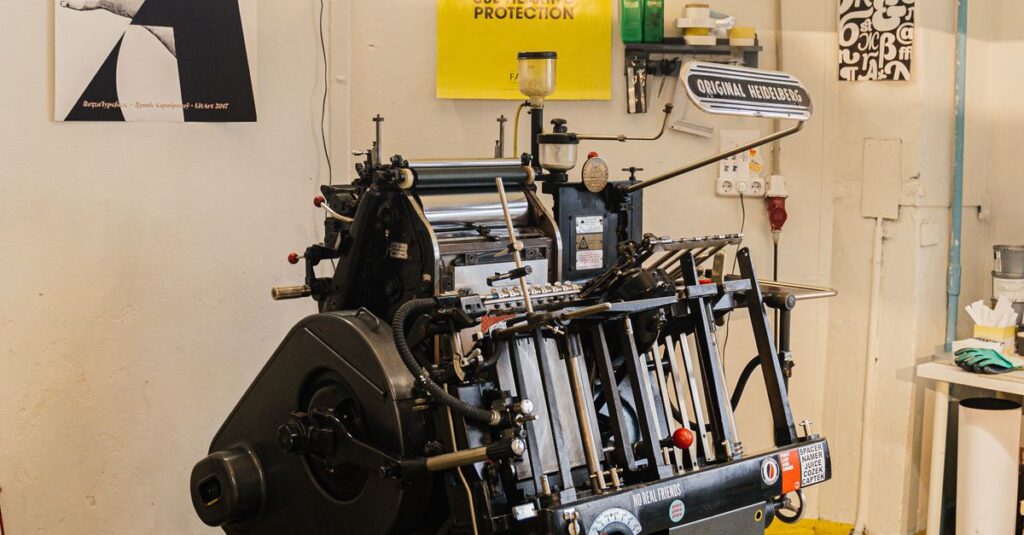
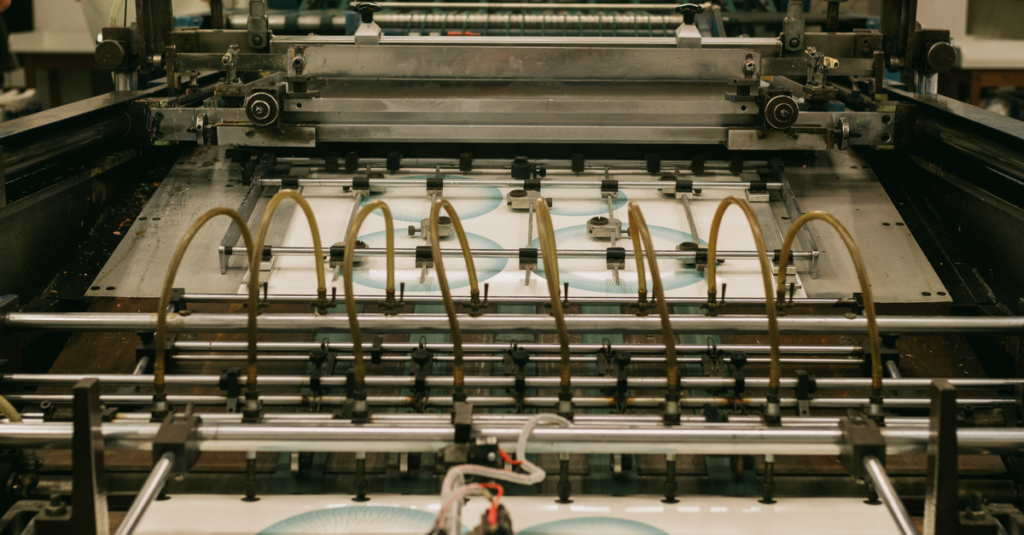
A diary run means setting up the offset printer for date grids. It’s about precision. Aligning the financial year calendar perfectly. Getting the holiday list right for your region — Maharashtra has different days off than Tamil Nadu. It’s a logistics puzzle.
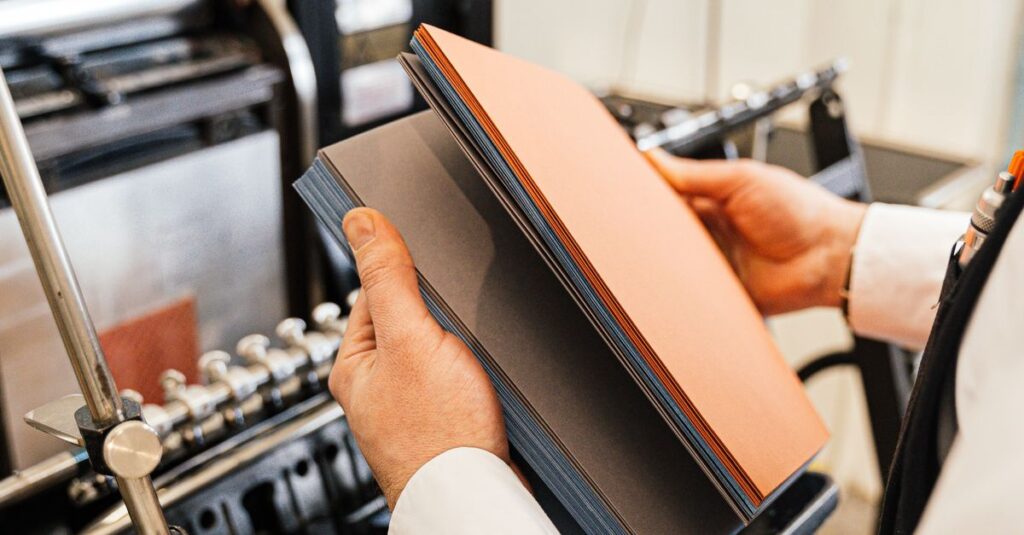
A journal run is about paper. Selecting the right GSM from the mill. Testing the ruling — single ruled, double ruled, dotted grid? The binding machine is set for spirals or thick stitching. The focus is on tactile feel and durability, not information accuracy.
The cost drivers are different. Diaries cost in the pre-printing complexity. Journals cost in the material quality. Neither is “cheaper” universally — it depends on your specs.
I mention this because buyers often negotiate on price without knowing what they’re negotiating about. You can’t get journal-quality paper at diary prices. The physics of pulp and ink won’t allow it.
FAQs (The questions we actually hear)
Frequently Asked Questions
Can we have a hybrid — a dated diary with blank pages in the back?
Absolutely. We do this all the time. It’s called a “planner-journal” combo. The front half has the dated weekly spreads for scheduling, the back half has 50-100 blank or ruled pages for notes. It’s a popular choice for consultants and project managers who need both structure and freeform space.
What paper GSM is best for everyday journal writing?
For most office use with ballpoint or gel pens, 90 GSM is the sweet spot. It feels substantial, prevents ink bleed-through, and doesn’t make the book too heavy. If your team uses fountain pens or does a lot of sketching, bump it to 100-120 GSM. It’s one of those details we guide buyers on based on actual use.
Are corporate diaries only for January-December cycles?
Not at all. In India, probably 40% of our corporate diary orders are for the April-March financial year. We also print “academic year” diaries (June-May) for schools and colleges. The dates are entirely customizable. Tell us your start date, we’ll build the calendar.
Which lasts longer, spiral or stitched binding?
For a journal that gets opened and closed hundreds of times, spiral binding (wire-o or plastic coil) usually outlasts stitching. The pages can rotate 360 degrees without stress. Stitched binding is more elegant and lies perfectly flat, but if abused, the threads can snap. For a desk diary that’s opened once a day, stitched is fine. For a field journal, go spiral.
How far in advance should we place a bulk custom order?
For a smooth process and the best pricing? At least 8-10 weeks before you need delivery. That gives time for sample approval, paper sourcing, printing, binding, and quality check. Rush orders in 3-4 weeks are possible, but you limit your paper choices and pay a premium. Plan ahead. Your future self will thank you.
Wrapping this up
Look. At the end of all this, the difference between journal and diary writing comes down to intent. Are you trying to contain your time, or are you trying to liberate your thoughts? The answer tells you what to buy.
For businesses, this isn’t a stationery decision. It’s a workflow decision. It’s a culture decision. The notebook you give someone silently tells them what kind of work you value.
I don’t think there’s one perfect answer for every company. Probably there isn’t. But if you’ve read this far, you’re not just buying paper. You’re trying to equip your people with the right tool for their specific kind of labor. And that’s the part that actually matters.
Get that right, and the logo on the cover is just a bonus. Need a second opinion on your specific team’s needs? Drop us a line. We’ve seen enough use cases to give you a straight take.