It's 2024. And Your Corporate Diary is Still a Physical Book
You've been on the fence about it for years. Every budgeting meeting, someone from IT pipes up: “Can we just go digital?” The promise is there: cheaper, no paper, no shipping, no clutter. So why does your team — and every serious team you know — still order hundreds, sometimes thousands, of physical diaries every single year? The digital promise feels hollow. The screens we spend our lives on? They're where the noise is. The physical diary is where the quiet, actual thinking gets done.
It's not about resisting technology. It's about knowing where your people actually work. If you're responsible for ordering corporate gifts, stationery for schools, or bulk diaries for institutions, you've probably felt this pressure. The demand for custom printed diaries hasn't gone away — it's just changed shape.
The Reality Check: Screens vs The Page
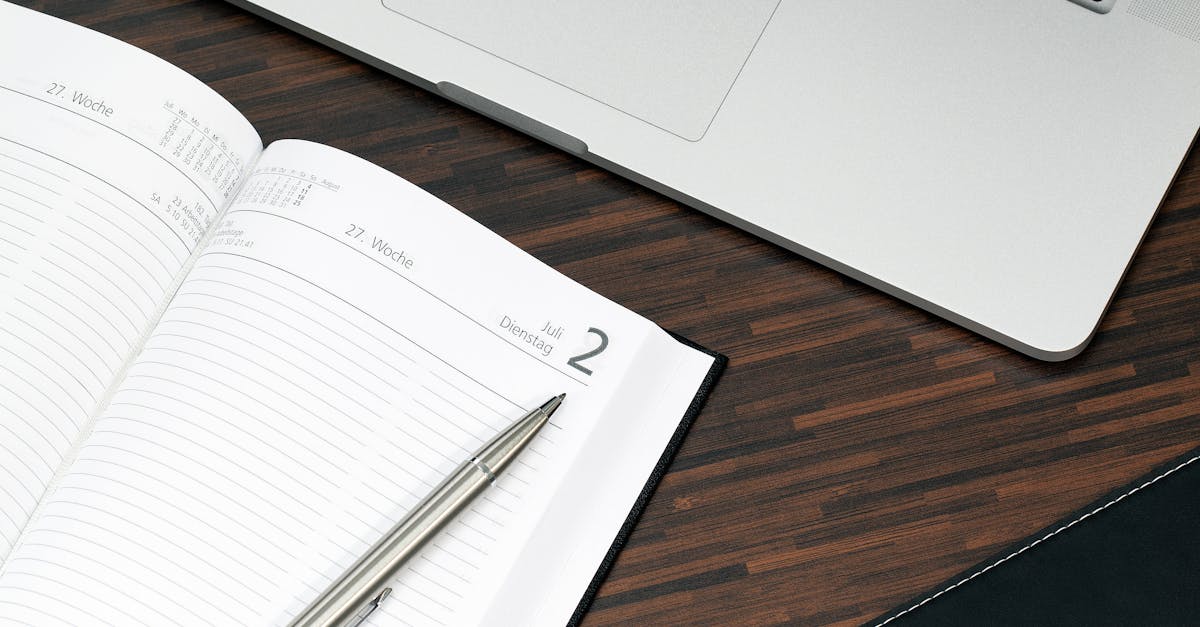
Let's start with the obvious. A digital diary is an app, a file, a tab. It's one more thing fighting for your attention between notifications, emails, and that Slack message that just pinged. Opening a notebook is a physical act. You turn off the screen. The shift in focus is immediate and — honestly — a relief.
Most people I talk to about this say the same thing. The meeting notes they scribble in their desk diary? They remember them. The same notes typed into a phone? Gone. Lost in the digital swamp. Something about the hand moving across paper makes the information stick.
Here's a story. I spoke to a procurement manager from a college in Kerala last month — Priya, 42. She orders 5000 diaries annually for faculty. She told me about a new professor who insisted on a digital-only system. By December, the professor had bought three different paper planners. “He said he just couldn't think straight,” Priya laughed. “His brain needed the page.”
Expert Insight
I was reading something about cognitive load and the way it fragments on screens. The researcher said something like — the brain doesn't just process information. It processes the medium. A page is a single, bounded medium. A screen is an infinite, linked one. Every digital entry carries the weight of everything else on that device. I don't have a cleaner way to put it than that. It's exhausting before you even start.
Bulk Order Logic: The Tangible Return on Investment
Alright, business talk. When you're ordering for a corporation, a school district, or a government office, you're not buying stationery. You're buying a tool. And the ROI on a tool is measured in how well it's used, not how cheaply it's acquired.
A digital diary subscription? It's a line item in a software budget. Forgotten. A custom printed diary with the company logo, the school crest, the department name? It's on someone's desk every day. For a year. It's a walking billboard of institutional identity. You can't put a price on that kind of daily brand reinforcement.
- Adoption Rate: Hand someone a quality diary. They use it. Email them a link to a shared digital planner. What's the uptake? Maybe 30%? If you're lucky.
- Perceived Value: A well-made diary feels like an investment in the employee or student. A digital login feels like… another login.
- No IT Support: Zero training. Zero compatibility issues. Zero password resets. The headache you avoid is massive.
And the thing about training costs — nobody factors those in when they pitch the digital solution. But you're the one who has to manage the fallout when people can't figure it out.
The Customization Gap: What Digital Can't Deliver
This is where it gets real for procurement. You need diaries for the sales team. The finance department. The engineering group. Their needs are different. Sales needs client meeting templates. Finance needs fiscal year planning pages. Engineering needs graph paper for sketches.
Try doing that with a one-size-fits-all digital app. You can't. Not really. Not without paying for enterprise-level customization that costs more than the paper ever did.
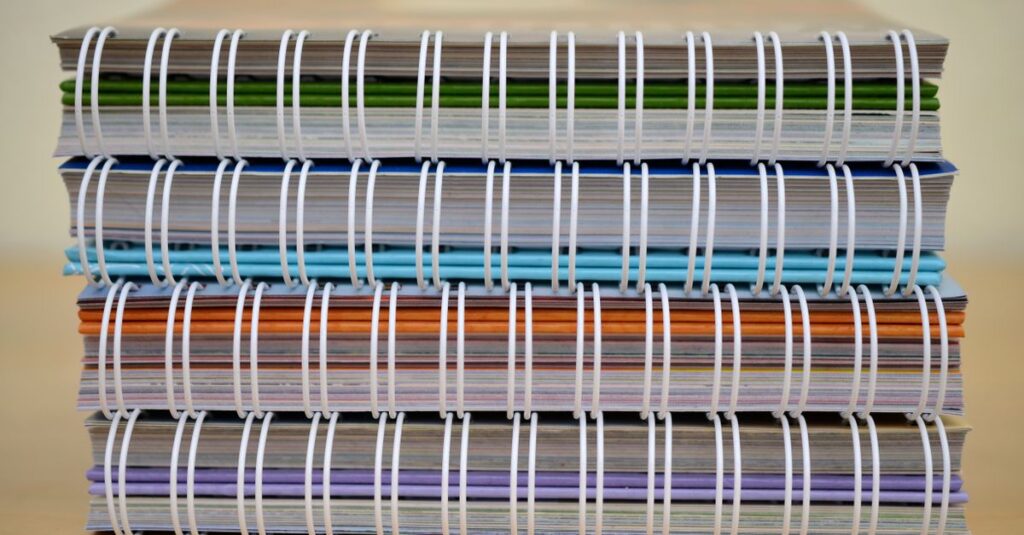
With a physical diary manufacturer? You send the layouts. You choose the ruling — single, double, unruled, cross-ruled. You pick the paper weight so fountain pens don't bleed through. You design a cover that actually means something to your team. The diary becomes part of the company culture, not just another piece of software they're forced to use. For a manufacturer like us, this is the core of the job — turning your needs into a physical object that works.
| Feature | Generic Digital Diary App | Custom Printed Physical Diary |
|---|---|---|
| Branding | Maybe a logo on a login screen | Full cover design, embossing, spot UV — daily visibility |
| User Customization | Limited to app settings | Choose page layouts, rulings, sections per department |
| Offline Reliability | Zero (without internet/data) | One hundred percent. Always. |
| Long-Term Cost | Recurring annual subscription (forever) | One-time production cost. Done. |
| Team Adoption | Requires training & enforcement | Instant. It's a book. People know how to use it. |
| Data Privacy | Stored on third-party servers | Stays on the employee's desk. Full stop. |
“But What About The Environment?” — A Complicated Answer
Look, I'll be direct. This is the biggest pushback. And it's a fair question. The paper industry has a footprint. Nobody's denying that.
But here's the other side of it — and it's messy. The digital cloud isn't powered by good intentions. It's powered by massive, energy-hungry data centres. That phone or tablet you use to access your digital diary? It gets replaced every 2-3 years, creating e-waste that's a nightmare to recycle. A well-made diary lasts a year, then gets recycled as paper — one of the most recycled materials on the planet.
Earlier I said digital was cheaper. That's not quite fair — it just moves the cost. The environmental cost moves too, from a managed forestry and recycling chain to a less visible, more complex digital infrastructure chain. It's not a clean win for either side. The most sustainable choice is often the durable, recyclable tool that people actually use until the end, not the digital alternative they abandon in February.
The Manufacturing Reality: Why Quality Physical Diaries Still Have a Place
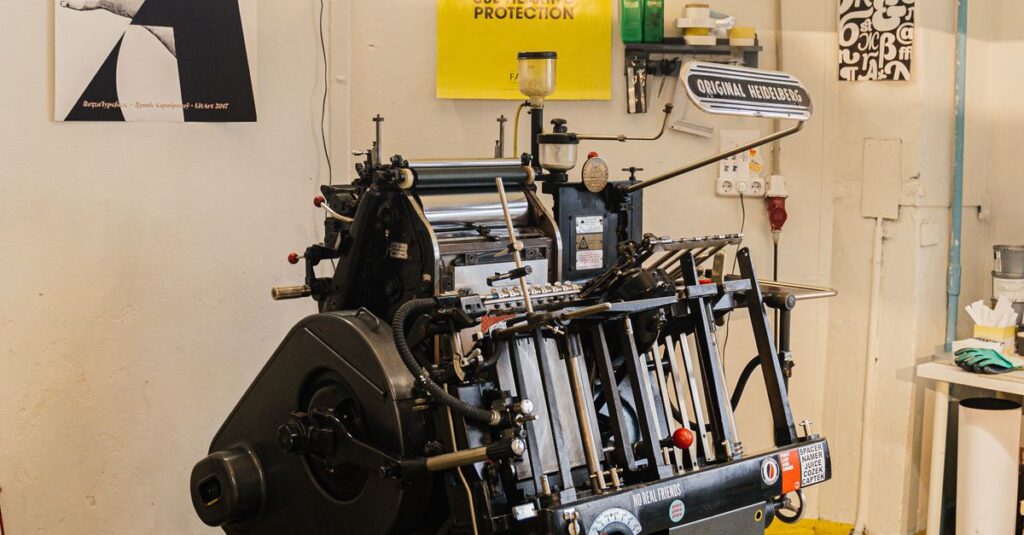
I've been in this business a long time. Since 1985, to be exact. And the trend I see isn't the death of the paper diary. It's the death of the *cheap, disposable* diary. The demand has shifted upstream.
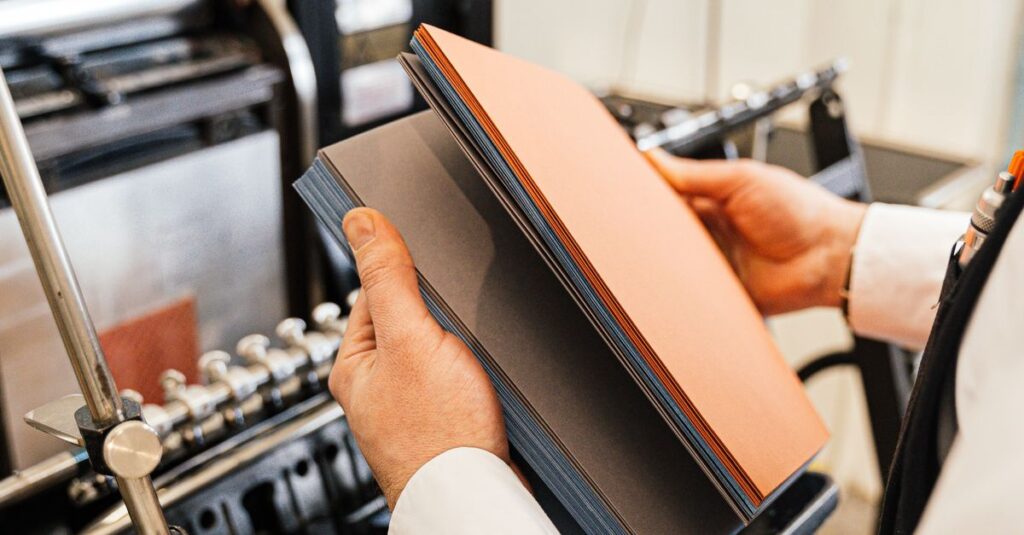
Procurement managers don't want flimsy junk that falls apart by March. They want a product that justifies its existence. That means better binding — stitched or spiral that lays flat. It means thicker, smoother paper (we use 54 GSM as a standard, but go up to 100 GSM for premium lines). It means thoughtful manufacturing: rounded corners that don't wear out in a bag, covers that resist daily coffee spills.
When you're ordering in bulk — whether it's 500 for a corporate office or 50,000 for a school district — you're not just buying a product. You're buying a year's worth of someone's organizational sanity. That deserves a good tool. The shift in our own production has been towards these higher-quality, purpose-built diaries. Because that's what people are actually asking for.
Frequently Asked Questions
Isn't a digital diary more efficient for a modern office?
On paper, yes. In reality, efficiency is about what people actually use consistently. Digital tools suffer from low adoption, constant distractions, and a learning curve. A physical diary has 100% adoption the moment you hand it out. The efficiency is in the universal, zero-training usability.
How can a physical diary be customized for different departments?
This is where physical wins. You can have different page rulings (graph for engineers, broad rule for writers), different section templates (sales pipelines, project timelines), and even different start dates (fiscal year vs calendar year) all within the same bulk order. A manufacturer can mix and match based on your exact specs.
What's the real cost difference between digital and physical diaries?
Digital has a recurring, forever subscription fee per user. Physical has a one-time production cost. For a team of 100, a $10/user/year app costs $1000 every year. A quality custom diary might cost $5 once. Over 3 years, you've spent $3000 on digital vs $1500 on physical. And the physical diaries are tangible assets.
Are there eco-friendly options for bulk printed diaries?
Absolutely. Look for manufacturers using paper from sustainable, managed forests (FSC-certified is a good marker). Opt for recyclable binding (like spiral wire) and avoid plastic laminates. The diary itself, being paper, is fully recyclable at end-of-life, which is more than can be said for most e-waste.
How do I ensure quality when ordering bulk diaries from a manufacturer?
Ask for samples first — always. Check the paper weight (GSM), test if ink bleeds through, see if the binding lies flat. Ask about their production capacity and lead times. A reputable manufacturer will be transparent and proud to show you their process. Don't just go for the cheapest quote; go for the partner who understands your need for a durable tool.
So, What Are You Actually Buying?
At the end of the day — and I mean this — you're not choosing between paper and pixels. You're choosing between a focused tool and a distracted one. Between a one-time cost and a forever subscription. Between a branded artifact and a generic login screen.
The digital diary promised freedom. It delivered fragmentation. The humble paper diary never promised the moon. It just promised a clean page, today, with no notifications. And maybe that's the only promise that still matters for getting real work done.
I don't think there's one answer here. Probably there isn't. But if you've read this far, you already know the friction your teams feel with digital tools. The question isn't whether physical works. It's whether you're ready to trust the simpler, quieter, more tangible solution that people have been using successfully for centuries. If you want to see what a modern, custom-built physical diary can look like for your organization, the conversation starts with a sample.