Let's talk about the person with the strangest job title in procurement.
You're scrolling through LinkedIn or an email signature and you see it: Diary Executive. And for a second, you think — wait, is that a thing? A whole person, an executive, just for… diaries?
Right. It sounds almost silly until you're the one responsible for ordering 5,000 branded notebooks for a national sales conference, or sourcing 20,000 custom diaries for your bank's new year corporate gift. Then it doesn't sound silly at all. It sounds like a massive, detailed headache waiting to happen.
The panic starts small. Paper quality. Binding that won't fall apart. Delivery dates that don't slip. A logo print that looks cheap. Suddenly, the title 'Diary Executive' makes perfect, stressful sense. It's the person who stands between corporate chaos and a smooth, professional stationery supply chain. If you're in that role, or you've just been handed the task, you know exactly what I mean.
So, what does a diary executive actually do?
It's not just ordering notebooks. Let me break it down. Think of them as the bridge between what the marketing team dreams up and what a factory can actually produce on time and on budget.
Their job, in my experience talking to dozens of them, usually involves these five things:
- Budget Guardian: They get a number. Maybe it's Rs. 200 per diary. Their job is to make a diary that feels like Rs. 500 without breaking that limit. It's a constant negotiation between quality and cost.
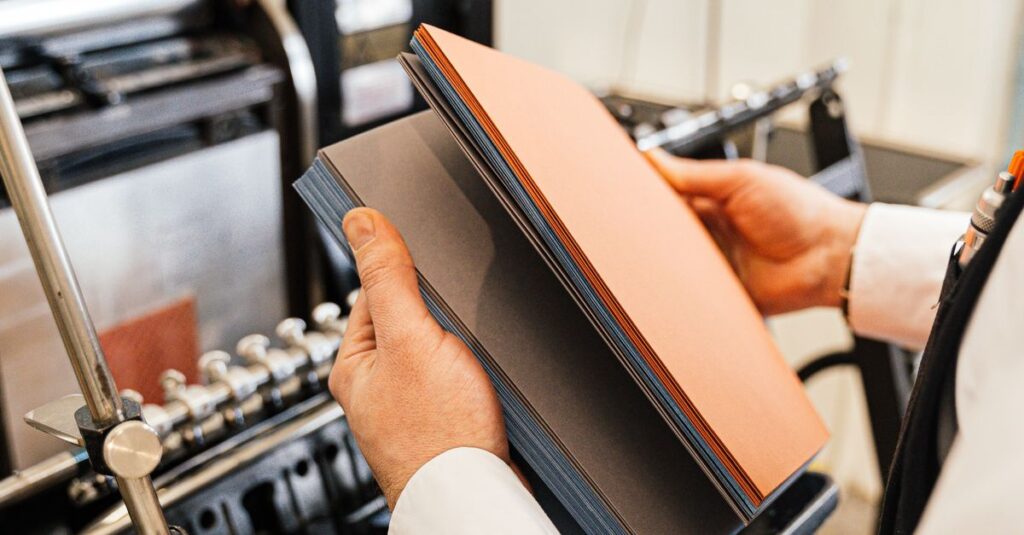
- Specification Whisperer: They translate 'we want it to feel premium' into actual, factory-ready specs. That means GSM (paper weight), binding type (stitched, spiral, perfect), cover material (art card, laminated, leatherette), and ruling style.
- Supplier Vet: This is the big one. Finding a manufacturer who won't disappear after the first sample. Who has the capacity for 50,000 units. Who understands export paperwork if needed. Who answers their phone.
- Timeline Enforcer: Corporate diaries have a deadline: the new financial year, a conference, a product launch. The diary executive owns the calendar from design sign-off to delivery at ten different regional offices.
- Quality Checkpoint: They're the last line of defense before 10,000 badly printed logos land on the CEO's desk. Approving samples, checking color matches, testing the binding — it all falls to them.
Look, I'll just say it. Most people think it's a simple purchase order. It's not. It's a mini-project management nightmare wrapped in a stationery cover.
A Tuesday in Mumbai
Let me give you a picture. Priya, 34, is a procurement manager for a large insurance firm in Nariman Point. Her 'diary executive' duties land on her desk every October. This week, she's comparing quotes from three different notebook manufacturers. One quote is suspiciously low — she knows the paper GSM will be lower than promised. Another manufacturer has great quality but their delivery timeline has a two-week 'buffer' she doesn't trust. The third one, an older manufacturer from Rajahmundry, sent a sample with the wrong Pantone color. She’s on her third coffee. The corporate branding guidelines document is open on one screen, a spreadsheet on the other. Her boss wants an update by 4 PM.
This isn't a case study. This is Tuesday.
The biggest headache? Finding the right manufacturer.
This is where the real work happens. Anyone can take an order. But a diary executive needs a partner, not just a vendor. And the difference between the two is enormous.
I've heard this enough times to know the pattern. The wrong vendor promises the moon to get the purchase order, then starts cutting corners. The paper feels flimsy. The spiral binding snags on suit jackets. The delivery gets split into three partial shipments because their production line couldn't handle the volume.
The right manufacturer — and I'm biased here, but it's true — operates differently. They ask questions upfront. "What's the primary use for these diaries?" (Sales team vs. board members need different things). "Where will they be distributed?" (Humid climates need different paper). They're realistic about timelines. They send a physical sample without being asked, because they know you need to *feel* the product. The relationship feels less like a transaction and more like… well, a partnership. It takes the edge off the whole process.
And honestly? Most people don't realize how much the manufacturing side matters until they get it wrong. Once.
Diary Executive vs. Stationery Buyer: What's the difference?
People use these terms interchangeably. They shouldn't. It's the difference between a generalist and a specialist.
| Factor | Diary Executive / Specialist | General Stationery Buyer |
|---|---|---|
| Focus | Deep expertise in diaries/notebooks: Paper grades, binding durability, custom print techniques, bulk logistics. | Broad range: Pens, files, desk organizers, along with some notebooks. |
| Order Volume | Typically high-volume bulk orders (1,000 to 100,000+ units) for corporate gifting or internal use. | Lower-volume, repeat orders for office supply replenishment. |
| Customization | Core to the role. Managing custom cover designs, logo embossing, tailored page layouts (financial calendars, specific rulings). | Limited. Usually ordering standard SKUs with maybe a simple logo stamp. |
| Supplier Relationship | Long-term, project-based partnership with a manufacturer. | Transactional relationship with a distributor or wholesaler. |
| Biggest Risk | Project failure: A single batch flaw can ruin an entire corporate gift program or launch. | Supply disruption: Running out of staples or printer paper. |
See the difference? A diary executive's mistake is visible, expensive, and brand-damaging. The pressure is different.
Expert Insight
I was talking to a procurement head from a Hyderabad tech company last month. We got onto this topic. He said something that stuck with me — he called his diary executive a 'brand guardian.' Not a buyer. "That diary sits on a client's desk all year," he said. "If the gold foil peels, or the pages yellow in two months, that's not a notebook problem. That's a reflection on our company's attention to detail. It's a silent salesman, and a bad one if we get it wrong." I don't have a cleaner way to put it than that. The job isn't about stationery. It's about perception.
How to be a better diary executive (or hire one)
If you're doing this job, or assigning it, here's the practical part. The stuff nobody writes in the job description.
First, get physical samples every single time. Do not approve from a PDF. Test the paper with the pens your team actually uses. Try to tear a page out from the spiral binding. Leave it in a sunny spot for a week. Be annoying about it. That's your job.
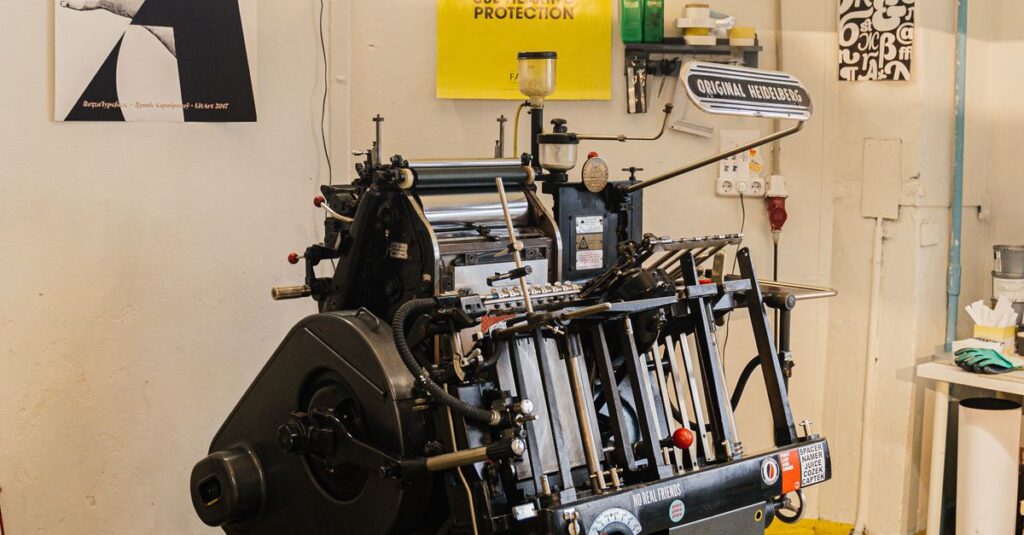
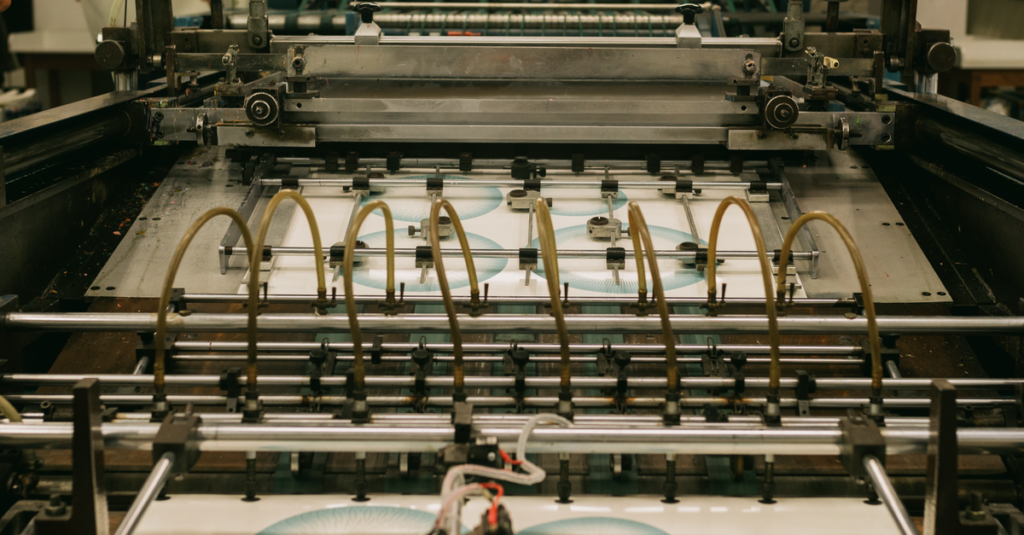
Second, visit the factory if you can. At least once. A video call works, but walking the production line tells you more. You can see the inventory of raw paper. You can gauge the scale. You get a feel for whether they're a small shop overpromising or an actual production house. When we have clients visit us in Rajahmundry, that's usually the moment the trust gets locked in. They see the binding machines, the stacks of paper, the pallets ready for shipment. It becomes real.
Third, and this is probably the biggest one, plan backwards from your drop-dead date. You need the diaries by December 20? Work back. Shipping/logistics: 7 days. Production: 21 days (minimum for quality bulk). Sample approvals and revisions: 14 days. Design finalization: 7 days. Suddenly, your October 1st 'early' start feels tight. Most delays happen in the sample approval loop — too many decision-makers, too little time.
Anyway. The point isn't to make it sound impossible. It's to say that the skill is real, and when it's done well, it's invisible. Nobody calls to congratulate you on perfect diaries. They only call when there's a problem.
Frequently Asked Questions
What skills does a good diary executive need?
It's a mix. You need project management to handle timelines, an eye for detail to catch quality flaws, negotiation skills to manage budgets, and enough technical knowledge to talk specs with a manufacturer. Communication is key — you're translating between creative, finance, and factory floors.
How far in advance should I order corporate diaries?
For a standard custom diary order of, say, 5,000 units? A minimum of 90 days before you need them in hand. For complex orders (special binding, imported materials) or huge volumes (50,000+), start talking to manufacturers 4-6 months out. Rushing this process is the main cause of cost overruns and quality issues.
What should I look for in a diary manufacturer?
Three things beyond price. Proven capacity: Can they handle your volume? Sample quality: Does their standard sample impress you? And responsiveness: Do they answer questions clearly and quickly? A manufacturer that educates you on options is often better than one that just says yes to everything.
What's the most common mistake in diary procurement?
Choosing a supplier on unit price alone. The cheapest diary often has hidden costs: poor durability leading to re-orders, delays that require expensive air freight, or bad printing that forces you to discard stock. The real cost is the total cost of ownership, not just the invoice.
Can a diary executive manage international orders?
Yes, but it adds layers. You need a manufacturer experienced with export documentation (commercial invoices, packing lists), knowledge of shipping Incoterms (FOB, CIF), and an understanding of destination country regulations. It's crucial to work with a supplier with export experience to navigate this smoothly.
The quiet part, out loud.
So, 'Diary Executive.' It's a real job with a weird name. It's about managing expectations, mitigating risk, and finding partners you can trust to deliver a product that represents a company's brand, silently, on thousands of desks.
It's not about buying notebooks. It's about buying confidence. Confidence that the product will arrive, will work, and will make the right impression. When you break it down, that's a pretty critical role for any business that cares about its image.
I don't think there's one perfect way to do it. Probably there isn't. But if you've read this far, you're either deep in the trenches or about to be. And you already know the weight of it — you're just figuring out how to carry it without dropping anything. If you want to talk specs, samples, or just run a timeline by someone who's been on the manufacturing side since 1985, that's what we're here for.