You know the feeling. It’s 4pm and your desk looks like a paper avalanche. Three different to-do lists, post-its everywhere, and that urgent email you were supposed to send before lunch is now… somewhere. You spend more time organizing your work than actually doing it. Right?
I see this all the time. Corporate managers, school principals, procurement guys — they all come to us with the same, slightly desperate look. They don’t just need notebooks. They need a system. A physical thing that holds the chaos of a workday in one place. They need a proper daily planner diary. And honestly, most of the cheap ones they buy in bulk fall apart by March.
If you’re ordering for a team or an entire institution, you need to know what you’re buying. Let’s talk about what a real one is — not the flimsy souvenir, but the tool that gets used until it’s dog-eared and full.
It’s Not Just a Notebook. It’s a Command Center.
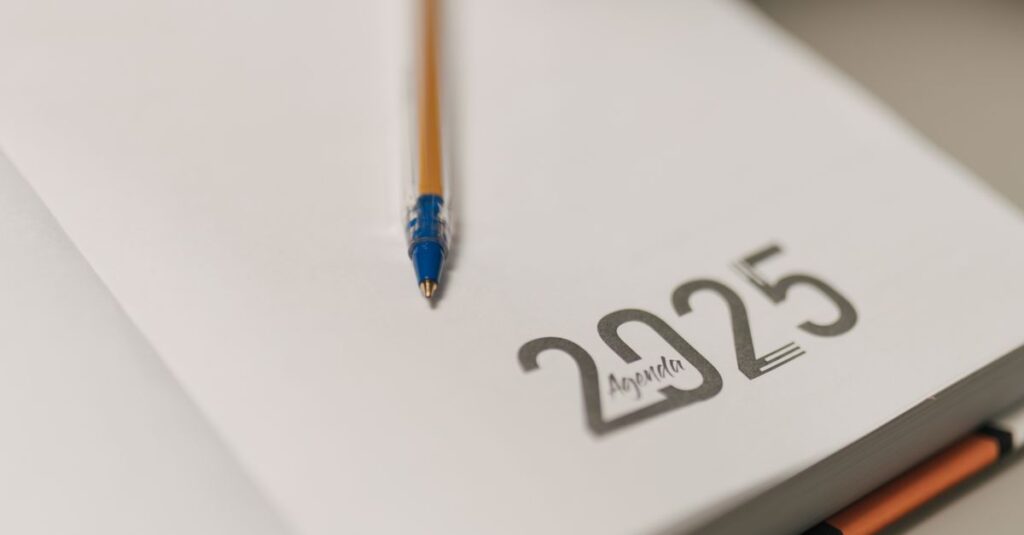
Okay. So what is it? A daily planner diary is a bound notebook, usually with a page or a spread dedicated to each day of the year. But that description is like calling a Swiss Army knife ‘a piece of metal.’ It misses the point completely. The real function is control. Or at least, the illusion of it.
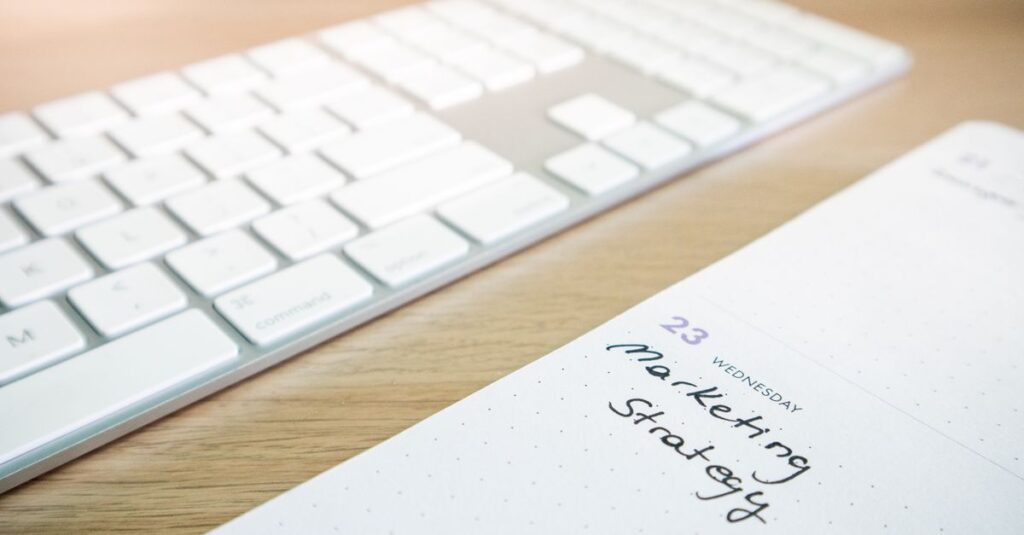
Think about the flow. Morning: you glance at the monthly calendar view on the first page. Afternoon: you’re in the daily page, blocking out hours for meetings, scribbling notes next to the 3pm slot. End of day: you quickly check off what got done and migrate the rest to tomorrow. It’s a physical ritual that digital apps can’t replicate — the weight of the paper, the scratch of the pen. It makes planning feel concrete.
And I’ll just say it: the people who use these seriously are usually the busiest people in the building. The ones who can’t afford to drop a ball.
Who Actually Uses These Things? (Spoiler: It’s Everyone)
When we get bulk orders, they come from places you might not expect.
- Corporate Managers & Execs: For tracking KPIs, project milestones, and one-on-one notes. It’s a legal pad that doesn’t get lost.
- School & College Admins: Lesson planning, staff meetings, parent call logs. A year’s worth of academic logistics in one book.
- Government Departments: Case files, public hearing notes, daily schedules for officers. There’s a formality to paper that digital logs sometimes lack.
- Medical Reps & Field Officers: Client visits, travel logs, sales targets. These books live in briefcases and car seats.
I was talking to a procurement manager from a tech firm in Hyderabad last month. He ordered 500. He said they tried switching to apps. Lasted six weeks. People started printing their digital calendars and stapling them into old notebooks. The need was physical. It was about writing it down to remember it.
Here’s the thing — it’s not about being old-fashioned. It’s about cognitive load. Your brain uses a different pathway when your hand forms the letters. It sticks.
Real Life. Real Book.
Let me give you a picture. Meena, 42, procurement head for a chain of private schools in Vizag. Her day starts at 6:30 AM. By 7:30, she’s at her desk with a coffee, her planner open. Today’s page: a 9 AM call with a uniform supplier, a 11:30 site visit to a new campus, a 3 PM budget review. She writes \”ORDER SCIENCE CHARTS\” in the margin and circles it twice. The book is a4 size, spiral bound so it lies flat. The cover is the school’s logo — navy blue with gold foil. It’s not stationery. It’s her job, in book form. She goes through one every year, and the old ones line a shelf in her office, a physical archive.
You don’t need me to explain why that works. You can see it.
The Make-or-Break Details Most Buyers Miss
So you’re sold on the idea. Now you’re looking at suppliers. This is where most bulk buyers get it wrong. They look at the unit price and nothing else. And then they get angry in June when the binding fails.
The three things that actually matter:
- The Paper: It needs to be thick enough (at least 70 GSM) so ink doesn’t bleed. But also smooth. Ever tried writing on cheap, fuzzy paper? It’s like dragging your pen through sand. You want a coated writing paper.
- The Binding: This is the biggest point of failure. Perfect binding (glued) looks clean but cracks if you open it fully. Spiral binding is durable and lies flat, but the coils can snag. Stitched binding is the gold standard for heavy use — it’s how hardcover books are made. It’s also the most expensive.
- The Layout: This is the silent killer. Are the date lines too small? Is there enough space for 8pm notes? Are weekends squeezed into a corner? A bad layout makes the tool useless. You need to see a physical sample and actually use it for a fake week.
I’ve seen companies spend lakhs on custom-branded diaries with a beautiful cover and paper that feels like tissue. It’s a waste of money and a waste of logo. The user gets frustrated and abandons it by February, and your brand is now associated with a frustrating object.
Expert Insight
I was reading an article about productivity tools last year, and one line stuck with me. The researcher said something like — the most effective tools aren’t the ones with the most features. They’re the ones that disappear. You stop thinking about the tool and start thinking with it. A good daily planner diary does that. It becomes an extension of your thinking, not an obstacle. The binding doesn’t fight you, the paper accepts your ink, the layout guides you without shouting. When we manufacture, that’s the quiet goal. Not just making a book. Making a tool that gets out of the way.
Custom vs. Off-the-Shelf: A Procurement Manager’s Dilemma
This is the big question for anyone ordering in bulk. Do you grab a generic one from a wholesaler, or do you get it custom-made? It’s not a small decision. Let’s lay it out.
| Feature | Off-the-Shelf Planner | Custom Daily Planner Diary |
|---|---|---|
| Cost Per Unit | Lower upfront cost. | Higher initial cost due to setup. |
| Branding | Usually a generic or distributor logo. | Your company logo, colors, and messaging. |
| Paper & Layout | Standard. Take it or leave it. | You choose the GSM, ruling, and daily page layout. |
| Binding Durability | Often a cost-cutting point. May not last the year. | You specify stitching or heavy-duty spiral for daily use. |
| Lead Time | Fast. Ready to ship. | Longer. Requires design, proofing, and production run. |
| Perceived Value | A commodity. Functional. | A premium corporate gift. Builds brand loyalty daily. |
The table makes it obvious, but the real choice is about intent. Are you checking a box on a stationery list? Or are you investing in a tool that represents your brand to your employees or clients every single day? For a small team, off-the-shelf might work. For a corporate rollout or a high-value client gift, custom is the only way. The math changes when you factor in the year-long brand impression versus the cost difference. It’s worth getting a quote just to see the gap.
How a Manufacturer Actually Builds One
Look, I’ll be direct. Most buyers have no idea what goes into making 5,000 identical, durable planner diaries. They think it’s just printing and stapling. It’s not. It’s a headache, honestly.
From our factory floor in Rajahmundry, here’s the condensed version:
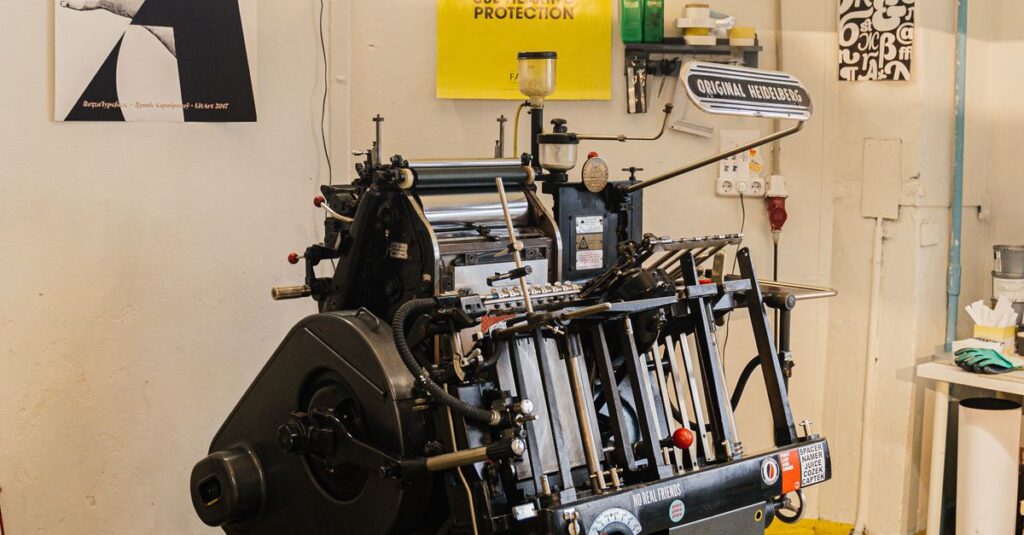
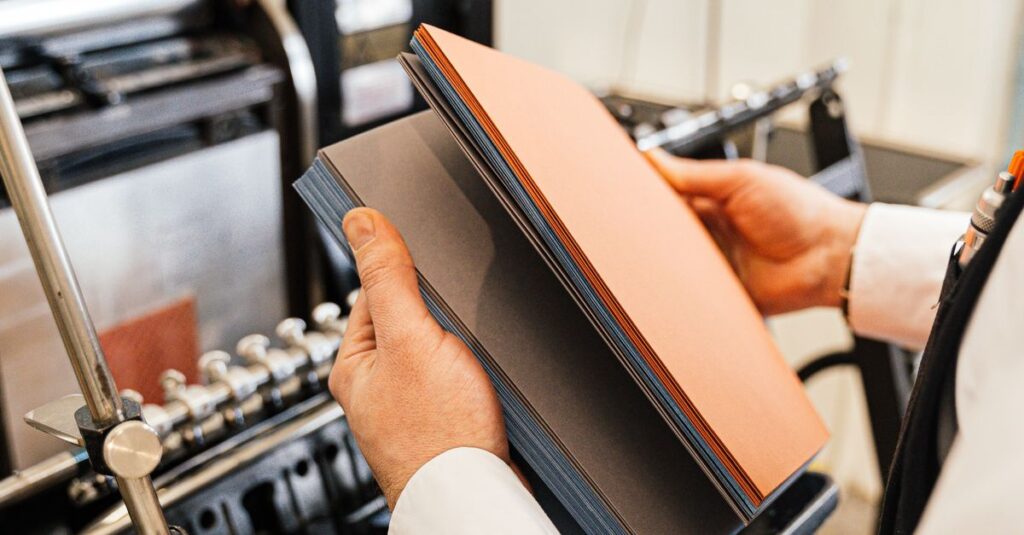
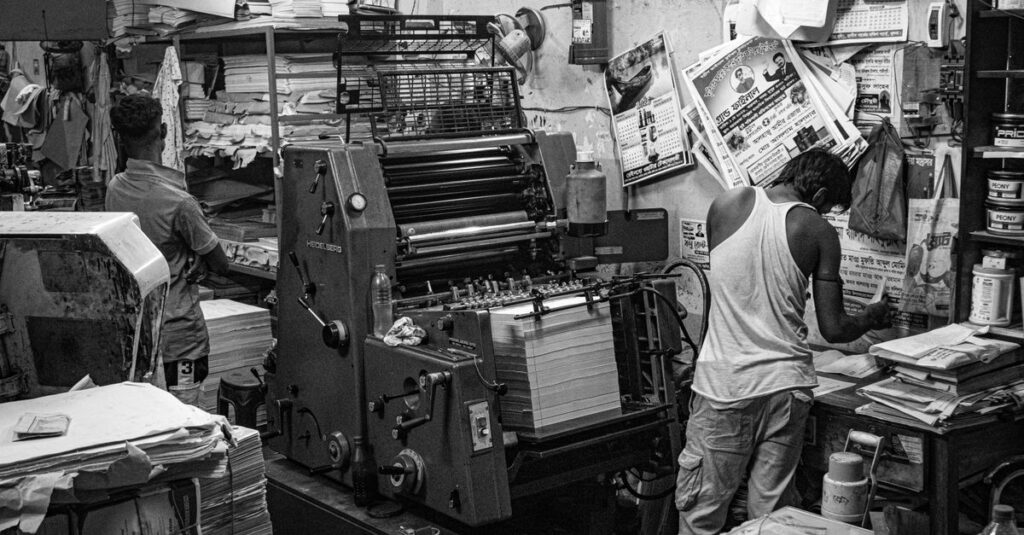
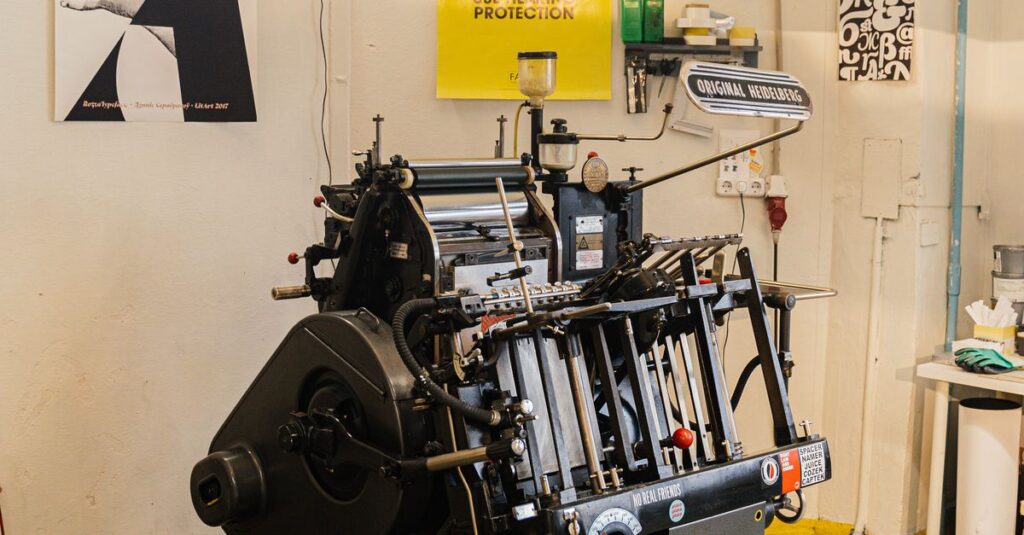
First, the paper comes in massive rolls. It’s cut down to the exact size — maybe A5, maybe that weird ‘crown size’ some corporates love. Then it goes through the offset press. This is where your custom layout gets printed. Every line, every date, every \”Notes\” header. Precision here is everything. A misalignment of a millimeter means every daily page is wrong. Then the sheets are collated — January, February, all in order. Then binding. For a planner meant to last, we’d use section stitching. Groups of pages are sewn together into signatures, then those signatures are sewn to each other and to the cover. It’s a slower process than just slapping on glue. The cover board gets wrapped with your branded material. Then it’s trimmed, quality checked (we flip through every single page of a sample from each batch), and packed.
The whole thing needs a rhythm. And it needs someone on the floor who knows that a planner with 365 pages needs a spine that can flex that many times without breaking. That’s the forty years of experience part. You can’t Google that.
Frequently Asked Questions
What’s the difference between a diary and a daily planner?
A diary is for reflection — writing about what already happened. A daily planner diary is for projection — organizing what will happen. It’s forward-looking, with time slots, to-do lists, and goal sections. It’s a working document, not a memoir.
What paper weight (GSM) is best for a planner used every day?
Don’t go below 70 GSM. 80 GSM is ideal. It’s thick enough to prevent bleed-through from most pens, feels substantial, and can handle erasing without tearing. Standard notebook paper is around 54 GSM — that’s too flimsy for a premium planner that gets constant handling.
Can we get our company’s fiscal year dates in a custom planner?
Absolutely. That’s the main point of going custom. You’re not stuck with a Jan-Dec calendar. You can start the daily pages in April for your fiscal year, include your company’s specific holiday list, and even add internal deadline reminders in the monthly overviews.
What’s the minimum order quantity for custom daily planners?
It varies by manufacturer. For a complex custom job, most serious factories (including ours) have an MOQ around 500 pieces. It’s about the setup cost for printing your unique layout. For simpler logo-stamping on an existing design, it can be lower.
How far in advance should we place a bulk order?
If you want them by January, talk to your manufacturer by July. No joke. Design and proof approval takes time. Paper sourcing for a specific GSM and finish takes time. Production and binding for thousands of units takes time. Rush jobs are possible, but you pay a premium and risk quality. Plan ahead.
The Real Choice on Your Desk
So here’s what it comes down to. You can buy a stack of generic planners. They’ll be fine. They’ll get the job done, kind of. Or you can provide a tool. A well-made, thoughtfully designed daily planner diary that actually supports the work it’s meant to organize. The difference is in the details your users will feel every time they open it — the lie-flat binding, the smooth paper, the layout that makes sense.
I don’t think there’s one perfect answer for every company. Probably there isn’t. But if you’re responsible for ordering these, you’re not just buying stationery. You’re buying a year’s worth of someone’s organizational sanity. That’s worth getting right.
See what a manufacturer who thinks about this stuff actually makes. Get a sample. Feel the paper. Try to break the binding. Your team will thank you by July.