Here’s What a Day Book Really Is
You hear “day book” thrown around a lot. In offices, in schools, by distributors ordering stock. It sounds official, maybe a bit old-fashioned. But nine times out of ten, when someone asks for a “day book,” they’re not asking for a magical new product. They’re asking for a specific kind of notebook designed for a very specific job.
It’s a record keeper. A daily log. The place where things that need to be tracked, get tracked. I think about this a lot because we’ve made thousands of them over forty years for schools, government offices, and businesses. The request comes in, and the conversation always starts the same way: “We need a day book for our accounts department.” Or “Our school needs day books for the attendance register.” And honestly? That makes complete sense.
Here’s the thing — a day book isn’t just a notebook. It’s a tool. And if you’re a procurement manager or a distributor looking to buy them in bulk, you need to know exactly what you’re buying, why it matters, and what the good ones look like. Otherwise, you end up with stacks of books that don’t do the job they were meant for. Which is… a waste of money and paper.
Anyway. If you’re looking to understand day books for a bulk order or just to get your head around what they are, this might be worth a look. We’ve been making them since 1985.
The Different Lives of a Day Book
Most people I’ve spoken to say they need a “day book” without realizing there are different types, built for different jobs. It’s like asking for a “vehicle” when you actually need a truck, not a sedan. The function dictates the form.
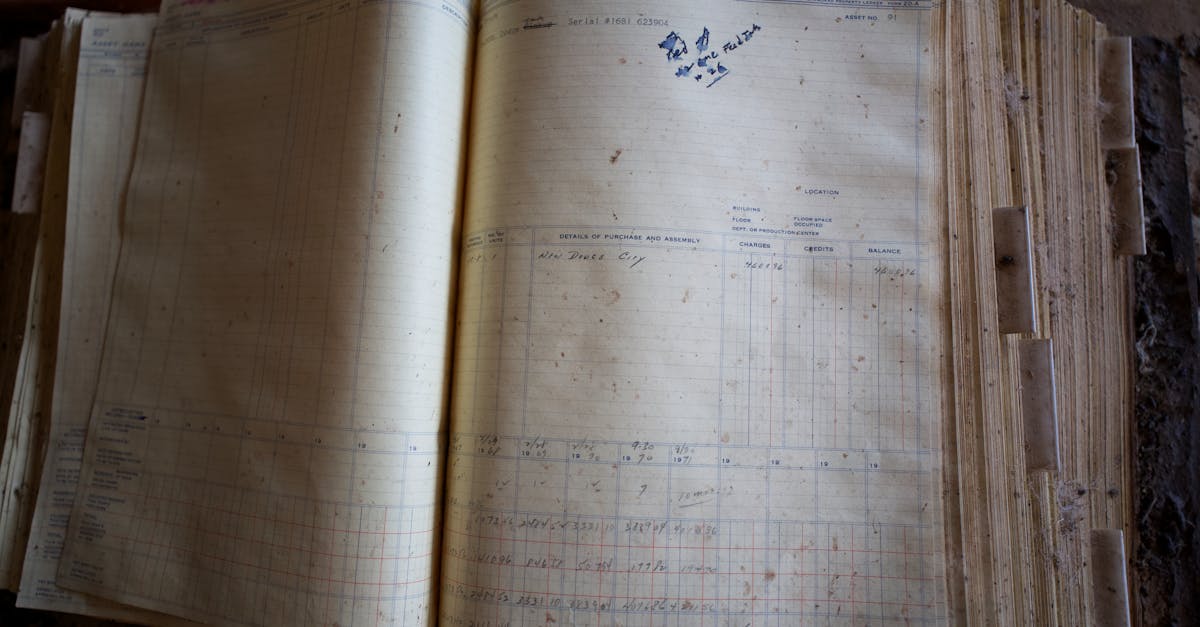
In the corporate world, a day book is often a daily diary or a logbook. Think of it as the physical backbone of daily record-keeping. Managers use them to jot down meetings, tasks, and notes. Accountants use them for preliminary transaction entries before things get posted to ledgers. It’s the first draft of the day’s business.
For schools and colleges, it’s something else entirely. A teacher’s day book might be the attendance register, the lesson plan log, or the disciplinary record. It’s not glamorous. It’s functional. It needs to withstand being opened and written in every single day, often for years.
And for distributors and wholesalers? The day book can be the stock ledger. The running tally of what came in, what went out. The heartbeat of the inventory.
Expert Insight
I was talking to a procurement manager from a government institution in Hyderabad last month — over a surprisingly good cup of tea, actually — and he said something that stuck with me. He said, “The day book we order isn’t just paper. It’s the official memory of the department. If it falls apart or the ink bleeds, the memory is corrupted.” I don’t have a cleaner way to put it than that. The quality of the book directly affects the integrity of the record. Which is a lot of pressure for a notebook.
Let me give you a real example. Say you’re running a corporate office in Bangalore. You need 200 day books for the new fiscal year. You’re not just buying 200 notebooks. You’re buying 200 tools that your team will use to build their daily work upon. If the paper is too thin and pens tear through it, or the binding fails after a month, you’ve introduced a problem into your workflow. Not just a broken product.
The Anatomy of a Proper Day Book
Okay, let’s get practical. What should you look for when you’re evaluating or ordering day books in bulk? It’s not just about picking a size. You need to match the book to the job.
- Size & Format: An Account Book size (roughly 34cm x 21cm) is typical for financial day books because it offers ample space for columns and figures. For corporate diaries or teacher logs, a Long Notebook size (27cm x 17cm) is often more portable and sufficient.
- Paper Quality: This is probably the biggest reason day books fail. Standard 54 GSM writing paper is good for everyday pencil or ballpoint pen use. But if the entries are going to be in fountain pen or need to last decades, you’re looking for a heavier GSM — maybe 70 or 80. The paper has to take the ink without bleeding or feathering.
- Ruling: Single Ruled (SR) is the classic for narrative logging. But for accounting? You likely need Double Ruled (DR) or even Four Ruled (FR) to create clear columns for debit/credit entries. Unruled (UR) might work for sketching or free-form notes. The ruling guides the use.
- Binding: Stitched binding is robust for books that will be opened and closed hundreds of times. Spiral binding allows the book to lay flat completely, which is great for someone constantly referencing it while working on a desk. Perfect binding looks cleaner but might not withstand the same level of daily abuse.
- Page Count: A 92-page book might suffice for a quarterly log. A 320-page or even 700-page book is for the annual record, the master ledger that doesn’t get replaced for a full cycle.
And look, I’ll be direct: the cheapest option usually misses on one of these points. You save money on the order but pay for it in frustration later.
A Day Book vs. A Standard Notebook: Why The Difference Matters
People confuse them. A day book and a regular notebook often look similar on a shelf. But they’re built for different lives.
A student’s notebook gets used for a semester, maybe a year. It’s carried in a bag, written in with a pencil, and then archived or discarded. The wear is predictable.
A day book in a municipal office gets opened every morning by the same clerk, written in with the same pen, stored on the same shelf, and referenced by multiple people over maybe five years. The stress points are different — constant opening at the same page, pressure on the same sections, environmental exposure from just sitting on that shelf.
The manufacturing has to account for that. The cover needs to be more durable. The binding thread needs to be stronger. The paper needs a higher quality finish to resist the slow deterioration from daily handling. It’s a subtle thing, but it’s the thing that separates a product that lasts from one that becomes a headache.
I’ve heard this enough times now to know it’s not coincidence. A school principal in Chennai told us their old supplier’s “day books” for attendance would start splitting at the spine by mid-term. They switched to a stitched binding with reinforced covers from us, and the same books are now used for two full academic years without issue. The cost per book was slightly higher. The cost per year of service was half.
The Real-Life Use: A Micro-Story
Rohit, 42, is a procurement manager for a chain of private colleges in Pune. His office is on the third floor of an old building that somehow always feels warm. He orders stationery for twelve campuses. Last year, he ordered 1500 “day books” for teacher lesson planning from a new online wholesaler. The books arrived. Looked fine. But by November, teachers started complaining. The pages were too slick — pen ink would smudge if you brushed against it. The spiral binding was weak; pages were tearing out at the perforations. He had to place an emergency mid-year re-order, which blew his budget.
He told me this over a call, sounding tired. Not annoyed-tired. Resigned-tired. “I thought I was saving the system money,” he said. “I was just creating more work.”
Right.
Choosing a Day Book Supplier: What You Should Actually Care About
If you’re buying in bulk — for corporate, schools, or distribution — your relationship with the manufacturer matters almost as much as the product specs. Because you’re not buying a one-off item. You’re entering a supply chain.
Here’s what most people don’t realize: consistency is everything. The first batch of 500 books needs to be identical to the tenth batch of 500 books two years later. The paper feel, the colour of the cover, the alignment of the ruling — all of it. If your day book is part of an official process, inconsistency in the tool introduces errors in the process.
So, when you evaluate a manufacturer, ask about their production control. Can they guarantee that GSM weight across batches? Is the ruling printed with the same offset printing plates to ensure line uniformity? How do they handle customizations — like adding your institution’s logo or a specific header on each page — without compromising the core quality?
Think about it this way: you’re not just sourcing a product. You’re sourcing a reliable partner for your operational memory. That’s a different conversation than just comparing price lists.
In my experience working with institutions and bulk buyers, the ones who focus on this partnership aspect end up with fewer headaches down the line. The ones who just hunt for the lowest per-unit cost often end up like Rohit.
Day Book Options: A Quick Comparison
Not all day books are the same. Here’s a breakdown of two common types we make, based on what they’re used for.
| Feature | Corporate Diary / Daily Log Book | Accounting / Ledger Day Book |
|---|---|---|
| Primary Use | Daily notes, meeting logs, task tracking | Financial entries, transaction recording, column-based logs |
| Typical Size | Long Notebook (27.2 cm x 17.1 cm) | Account Notebook (33.9 cm x 21 cm) |
| Paper GSM | 54-60 GSM (smooth writing) | 60-70 GSM (prevents ink bleed for permanent records) |
| Ruling Type | Single Ruled (SR) or Unruled (UR) | Double Ruled (DR) or Four Ruled (FR) for columns |
| Binding Recommended | Spiral or Stitched (for flat opening & durability) | Stitched (for heavy use and long-term integrity) |
| Page Count Typical | 92 pages or 200 pages (quarterly/annual) | 240 pages or 320 pages (annual master ledger) |
| Customization Common | Logo imprint, dated covers, header pages | Pre-printed column headers, financial year imprint |
THIS IS THE PART NOBODY SAYS OUT LOUD: choosing the wrong type for the job doesn’t just mean a suboptimal tool. It can subtly undermine the very process it’s meant to support.
FAQs About Day Books
What is the main purpose of a day book?
A day book is designed for daily record-keeping. It’s not a general notebook. It’s the place where ongoing, sequential entries are made — like daily transactions in accounting, attendance in schools, or task logs in offices. Its structure (ruling, size, binding) is meant to support that specific, repetitive use.
What size day book is best for accounting?
For accounting, you usually need a larger format to accommodate columns. The Account Notebook size (around 34cm x 21cm) is standard because it gives enough horizontal space for debit/credit columns and detailed entries. Smaller sizes force cramped writing, which leads to errors.
Can day books be customized with our company logo?
Yes, absolutely. Most manufacturers like us offer custom imprinting. For corporate day books, adding your logo, company name, or even the financial year on the cover is common. For internal use, it adds legitimacy; for client gifts, it becomes branded merchandise.
What binding is most durable for a day book?
For heavy, daily use, stitched binding is often the most durable. The threads hold the pages and cover together through thousands of openings. Spiral binding is great for laying flat but can be vulnerable if the book is roughly handled. Perfect binding is more for looks than daily abuse.
How many pages should a school attendance day book have?
It depends on the term. For a single academic term (3-4 months), a 92-page book is often sufficient. For a full year, you’d look at 200 or 240 pages. You need to account for daily entries for every student, plus any additional notes or remarks pages.
Final Thoughts
At the end of the day — sorry, I know that phrase is cliche, but it fits here — a day book is a simple tool with a complicated job. It has to be reliable, consistent, and tailored to the task. If you’re ordering them in bulk, that’s the only thing that matters here: getting the right tool, not just the cheapest notebook.
I don’t think there’s one perfect answer for every situation. Probably there isn’t. But if you’ve read this far, you already know what you need the book to do — you’re just figuring out who can build it for you without the compromise.
If you want to talk specifics — sizes, paper, ruling, custom prints for your institution — it’s worth having a conversation. We’ve been solving these exact problems since 1985.