You know that stack of sticky notes and half-finished to-do lists?
It’s Tuesday morning, maybe Wednesday, and your desk looks like a paper storm hit it. Important client names scribbled on napkins. Meeting notes buried under invoices. You think you’ll remember what the procurement guy said about the bulk paper order — until you don’t. I’ve talked to dozens of corporate managers and business owners, and the story is almost always the same. The chaos is quiet, but it’s there. Eating away at time you don’t have. You’re looking for a way to bring order back. You’re probably thinking about a diary, a daily journal, something that feels more official than a random notepad. But here’s the thing — you’re not just buying a notebook. You’re buying a system. A weapon against the daily scramble. It starts with the right one.
What a real corporate diary is supposed to do
A diary daily journal isn’t just a fancy name for a dated book. That’s the first thing most people get wrong. It’s not a planner. It’s not a simple log. It’s a tool designed to capture the flow of your workday in a way that makes it retrievable. Think about the last time you needed a detail from a meeting three weeks ago. Did you have it? Or did you spend twenty minutes scrolling through emails? Exactly. A proper daily journal gives every day its own space. A place for notes, action items, follow-ups, and — this is key — a place for that one fleeting thought you had at 3 PM that turned out to be the solution to the problem you woke up with. The difference is between recording and reacting.
Here’s what actually goes in one
I’m talking to procurement managers, office admins, project leads. You’re the ones ordering these in bulk. You need to know what makes them work. So look for these sections in a corporate diary:
- A dedicated daily page: Dated, with clear sections for appointments, tasks, and notes. No more cramming.
- Project trackers: A simple grid or space to monitor ongoing initiatives week-by-week.
- Contact pages: Not just for names and numbers, but for notes on the last interaction.
- Goal-setting at the front: Quarterly or annual goals, so every daily entry has a direction.
- Reference material in the back: Company holidays, important internal codes, travel policies. The stuff you look up ten times a month.
The physical object matters, too. It needs to open flat. The paper can’t bleed through. The binding has to survive a year in a bag, on a desk, in meetings. Otherwise, it’s just another thing that falls apart by March. Which feels like a metaphor, honestly.
Why generic stationery doesn’t cut it for institutions
You can walk into any store and buy a diary. So why do schools, corporations, and government offices come to manufacturers like us for bulk orders? It’s not just about slapping a logo on the cover. That’s part of it, sure — branding is visibility. But the real reason is control. Control over the layout, the paper quality, the sections that actually match your workflow. An accountant needs a different diary layout than a sales manager. A school principal’s journal is different from a college professor’s. A generic one-size-fits-all diary asks the user to adapt to it. A customized one is built to fit the user’s actual day.
Let me give you an example. I was talking to a procurement manager from a college in Visakhapatnam last month. They’d been using off-the-shelf diaries for faculty, but the teachers were just using the first ten pages and then ignoring them. We sat down and asked one simple question: “What do you need to track every day?” Turns out, lesson plans, student attendance marks, and parent meeting notes all needed separate, quick-access spots. We designed a diary with those three sections on every daily spread. They ordered 500 units. The feedback was simple: “Finally, this works.” It wasn’t magic. It was just listening.
Expert Insight
I was reading something a while back about organizational psychology — I can’t remember the exact study — but the researcher made a point that stuck with me. He said physical writing, as opposed to typing, creates a different kind of memory pathway. It’s slower, which forces prioritization. The act of writing a task down by hand in a dedicated space makes it more real, more likely to get done. I think about that a lot when we’re designing diary layouts. It’s not just about putting lines on paper. It’s about creating a structure that turns intention into action. A blank page can be intimidating. A page with the right prompts? That’s an invitation.
The hidden costs of not having a system
This is the part nobody likes to talk about, because it feels abstract. But it’s real. Let’s say you have a team of fifty people. Each person loses fifteen minutes a day looking for information, re-asking for details, or trying to remember what was decided. Do the math. That’s over twelve hours of lost productivity every single day. In a month, you’ve lost what amounts to a full-time employee’s worth of time. To disorganization. To not having a central, consistent place to put things. A corporate diary daily journal, when adopted as a standard practice, isn’t an expense. It’s a plug for a leak. It’s a small thing that stops a big drain.
And it’s not just about time. It’s about continuity. What happens when someone goes on leave, or — let’s be realistic — moves to another company? Their knowledge, their contacts, their pending tasks, are all in their head or scattered across their inbox. If it’s in their journal, there’s a handover document. A record. That’s invaluable. For a school, it’s the same. A teacher’s daily journal with lesson notes and student observations is a goldmine for the substitute teacher, or for the teacher taking over the next year. It’s institutional memory, made physical.
Diary vs. Planner: Picking the right tool for your team
Okay, so you’re convinced you need something. But here’s where people get tripped up. They see “diary” and “planner” and think they’re interchangeable. They’re not. A planner is future-focused. It’s about scheduling what’s going to happen. A diary daily journal is retrospective and active. It’s about recording what did happen, what was learned, and what needs to happen next. Most professionals need both, but in a corporate or institutional setting, the journal is the workhorse. The planner tells you where to be at 10 AM. The journal tells you what you need to bring to that meeting, based on what was discussed last week.
| Aspect | Corporate Diary / Daily Journal | Standard Planner |
|---|---|---|
| Primary Focus | Recording & reflecting on daily events, tasks, and notes. | Scheduling future appointments and deadlines. |
| Best For | Project tracking, meeting minutes, client notes, idea logging. | Calendar management, time-blocking, setting reminders. |
| Layout | More free-form space for notes, often with dedicated sections for different types of entries. | Grid-based or time-slotted, focused on hours and days. |
| Institutional Value | Creates a searchable record of decisions, actions, and institutional knowledge. | Coordinates team schedules and ensures meeting attendance. |
| Customization Need | High. Should be tailored to the specific note-taking needs of the role (e.g., teacher vs. manager). | Low to Medium. A standard calendar layout often suffices. |
| Bulk Order Purpose | To standardize record-keeping and knowledge management across departments or an entire institution. | To ensure everyone is aligned on schedules and key dates. |
The takeaway? If you’re ordering in bulk for a business or school, you’re probably looking for a diary journal. The planner function can be part of it — a monthly calendar overview is useful — but the daily note-taking space is non-negotiable. It’s the core.
What to look for when ordering corporate diaries in bulk
Right. So you’re ready to place an order for your team or institution. Don’t just send an email asking for “200 diaries.” You’ll get something, but it might not be what you need. Here’s what actually matters, from a manufacturer’s perspective. The things that make the difference between a product that gets used and one that collects dust.
- Paper Quality: This is the biggest one. It needs to be smooth, around 70-80 GSM at least, so it feels good to write on and doesn’t ghost. 54 GSM might be fine for a student’s rough book, but for a daily tool? No. You need substance.
- Binding: Will it lay flat on a desk? Perfect binding looks clean but can crack. Spiral binding is functional but can snag. Thread-sewn binding is the gold standard for durability and flat-opening. Ask.
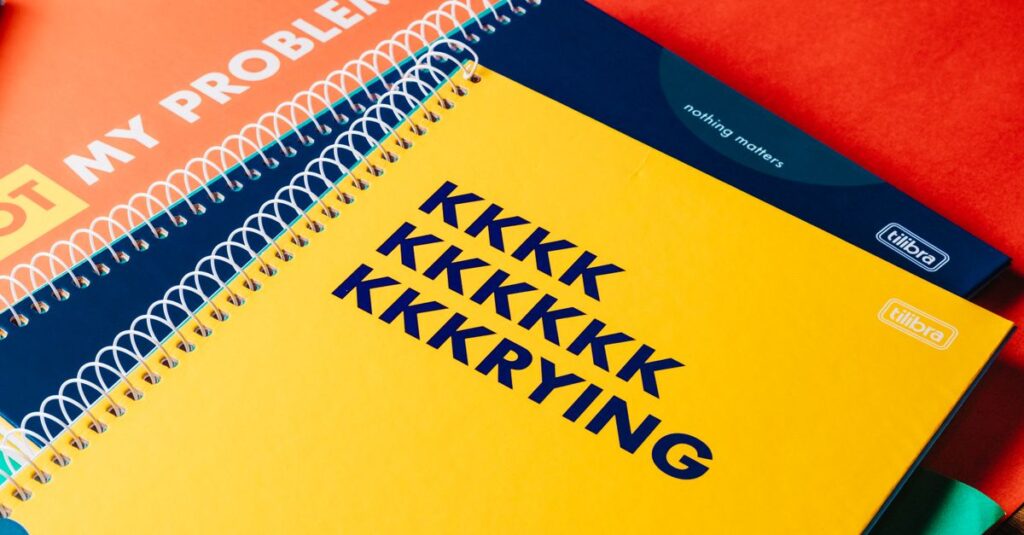
- Cover Material: Is it leatherette, hardboard, or art paper? For a corporate diary meant to last a year, you want something sturdy. A soft cover won’t survive.
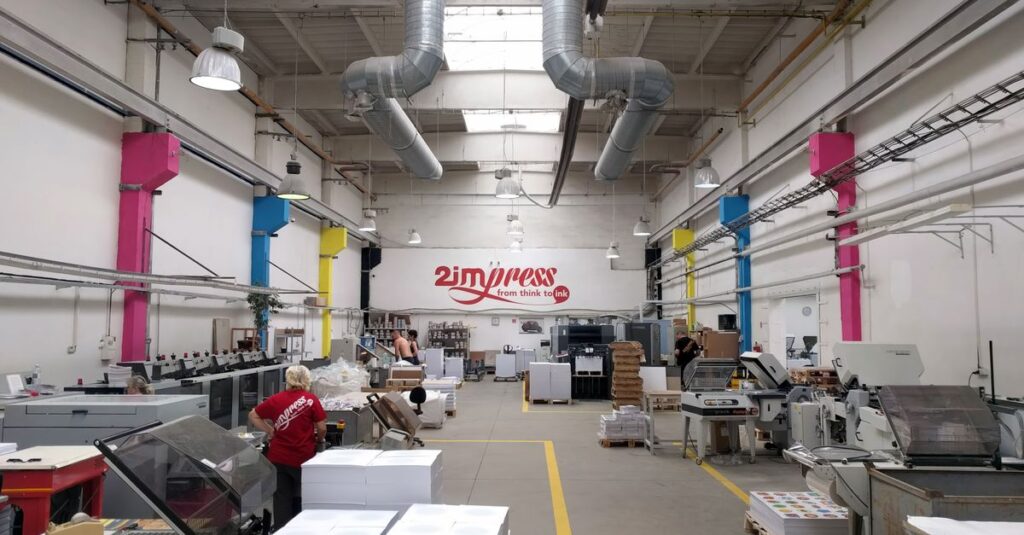
- Customization Depth: Can you change the internal layout? Add your company’s yearly calendar? Put department-specific reference pages in the back? This is where a real manufacturer adds value over a reseller.
- Lead Time & Quantity: Be realistic. Good manufacturing takes time, especially for a custom design. For an order of 500+ units, you’re looking at a 4-6 week production cycle, minimum.
I’ve seen too many businesses rush this. They get a cheap quote, get a generic product, and then the diaries just… sit there. It’s a false economy. Spend the time upfront to get it right. The right partner makes all the difference.
The real-life impact of a simple tool
Let me tell you about Anjali. She’s a procurement manager for a mid-sized IT firm in Hyderabad. 38. Drinks black coffee, three cups before noon. Her desk was, in her words, a “graveyard of good intentions.” She ordered custom daily journals for her team of twenty last year as a trial. Just a simple design: company logo on the cover, a weekly task view on the left, open notes on the right, and a small monthly calendar at the top. Nothing revolutionary. Six months in, she told me the change was quiet but profound. Fewer “I forgot” emails. Meeting recaps were just a page flip away. Onboarding new hires meant handing them a journal and last quarter’s notes. The cost per unit was higher than a stack of notepads, she said. But the time saved? It wasn’t even close. She’s re-ordering for the whole company this year.
That’s the thing. It’s never about the diary itself. It’s about what it allows you to stop thinking about. It externalizes the clutter. You don’t have to remember everything. You just have to remember to write it down in the right place.
Frequently Asked Questions
What’s the difference between a diary and a daily journal?
In common use, they’re often the same thing. But in a corporate context, a diary usually implies dated daily pages, while a journal might have more free-form note space. For bulk orders, we usually design a hybrid: dated daily sections for appointments and tasks, with plenty of blank space for notes, sketches, and meeting minutes. It’s the best of both worlds.
What paper quality is best for a corporate diary daily journal?
Don’t skimp here. For a tool that’s used every day, you want paper that feels good and doesn’t bleed. We recommend a minimum of 70 GSM paper. It’s thicker, more durable, and provides a much better writing experience than the standard 54-60 GSM used in student notebooks. It signals quality to the user, too.
Can we add our company logo and branding?
Absolutely. That’s one of the main reasons businesses come to us for custom diary manufacturing. We can print your logo on the cover, add your corporate colors, and even customize the inside layout with your company’s mission statement, calendar, or internal contact lists. It turns a generic product into a professional company asset.
How many pages should a corporate diary have?
It depends on use. A standard one-year diary typically has 200-240 pages (one page per weekday, plus extra sections). For heavier use, or for project-specific journals, we go up to 320 or even 700 pages. Think about how much your team writes each day. It’s better to have extra pages than to run out in October.
What’s the minimum order quantity for custom diaries?
For a fully custom design with your own layout and branding, we usually start at 500 units. That allows us to set up the printing plates and binding process efficiently. For larger orders—think 1000+ for a big corporation or a school district—the per-unit cost comes down significantly. It’s worth consolidating needs across departments.
Look, it’s not about stationery
I know how this sounds. You’re a busy professional, a manager, someone responsible for budgets and outcomes. Talking about paper and binding can feel trivial. But it’s not. It’s about giving your team, or yourself, a fighting chance against the chaos of information overload. A diary daily journal is a simple, tactile anchor in a digital storm. It’s a place to think, not just react. Ordering them in bulk is a statement. It says, “Our work matters enough to be recorded properly.” I don’t think there’s one perfect system for everyone. Probably there isn’t. But if you’ve read this far, you already know the problem. You’re just figuring out if it’s time for a real solution. Maybe it is.