You’re Probably Ordering The Wrong Thing
Here’s something I’ve seen a thousand times — a procurement manager sends us an email asking for a quote on “corporate diaries.” We get on a call. They describe what they want. And nine times out of ten, they don’t actually want a diary. They want a custom-branded notebook. Or a journal. It’s not their fault. The words get thrown around like they’re the same thing. They’re not. And if you’re ordering in bulk for your company or institution, getting it wrong costs money, time, and a whole lot of frustration. The wrong binding falls apart. The wrong paper bleeds through. The wrong size feels awkward in a briefcase. You know the feeling.
I’ve been in this notebook manufacturing game for decades, at Sri Rama Notebooks. We’ve printed millions of these things. And the single biggest point of confusion for buyers — from schools to Fortune 500 companies — is this journal/diary/notebook mess. So let’s cut through it. Not from a poet’s perspective, but from the factory floor. What are you actually buying?
The Factory Floor Definition: What Are We Even Making?
Right. Let’s start basic. When you send a specification sheet to a manufacturer, these aren’t just fancy words. They’re blueprints. They tell us which machine to use, which paper roll to load, which binding wire to thread.
The Notebook: The Workhorse
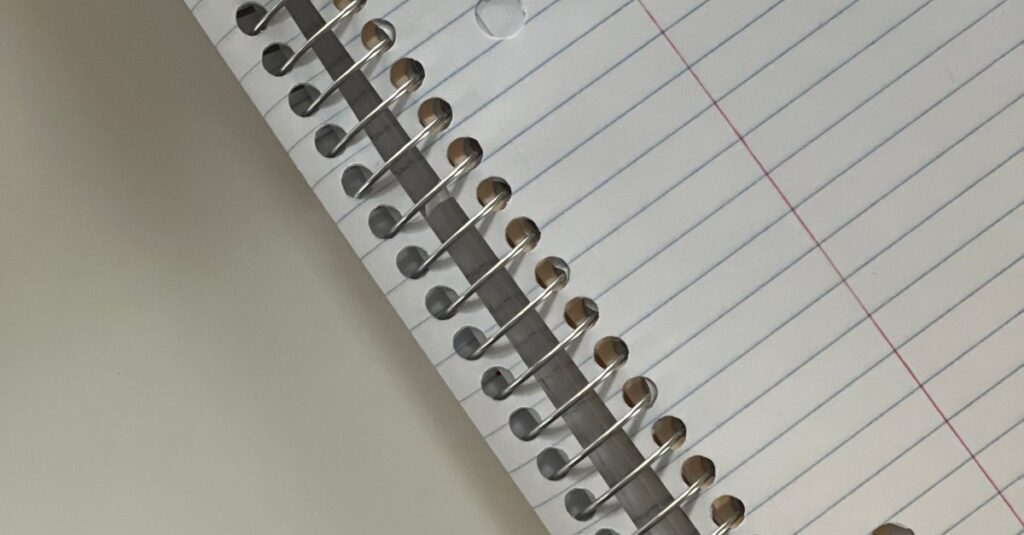
This is your blank slate, your utility player. A notebook, in manufacturing terms, is a bound collection of plain or ruled paper, primarily for freeform writing, notes, and sketches. Its job is to be versatile. We make them in every size — from the Short Notebook (19.5 x 15.5 cm) for quick jots to the massive Account Notebook (33.9 x 21 cm) for ledgers. The paper is usually 54-70 GSM — sturdy enough for a ballpoint pen, maybe a gel pen, but not meant for heavy ink. Binding? Often stitched or spiral. The cover is functional. It’s a tool. Think of the notebooks we supply to thousands of schools — they get beaten up in backpacks, written in with pencils, and are meant to be affordable and replaceable. That’s a notebook.
Anyway. Where was I.
The Journal: The Intentional Space
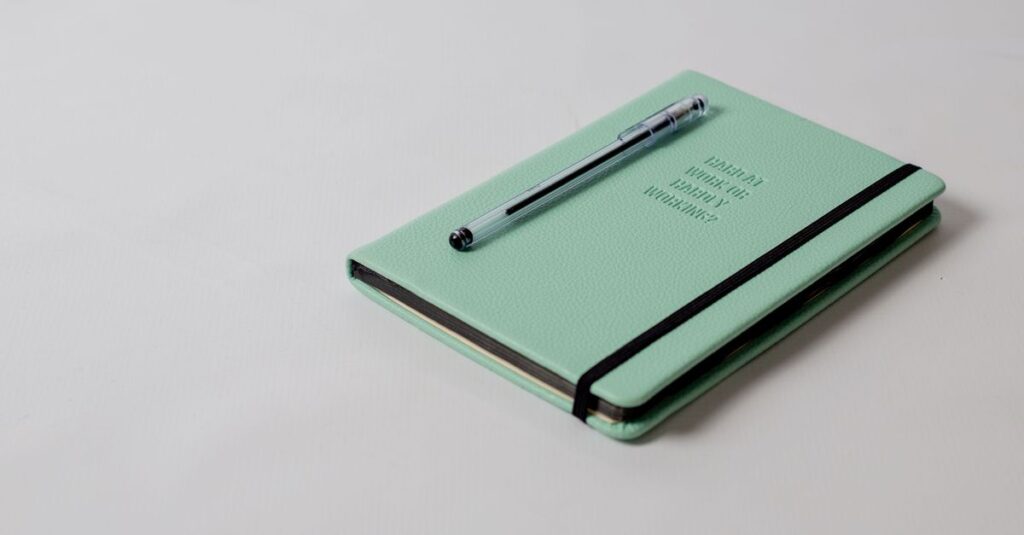
Now, a journal is a type of notebook, but with a different intent baked into its design. The manufacturing specs shift slightly. It’s for sustained, sequential writing. This means we often use thicker paper — 80 GSM or more — because people use fountain pens, markers, or stick in mementos. Lays flatter. Perfect binding is common for that book-like feel. The cover is thicker, often hardbound. It’s built to last, to become an object. When a corporate client says they want “leadership journals” for an executive retreat, they’re not just buying paper. They’re buying a experience. The weight of the paper, the lie-flat binding, the embossed logo — it all signals that what goes inside is meant to be important. The production line slows down a bit for these. More hand-finishing.
The Diary: The Structured Calendar
This is the one everyone mixes up. A diary, in the strictest manufacturing and stationery sense, has pre-printed dates. It’s a calendar first, a writing space second. My team spends months pre-printing date grids, holidays, maybe even time slots. The paper can be thinner because the entries are often short. Binding needs to survive being opened to the same spot every day for a year. We make tons of these as corporate New Year gifts — every page has the company logo at the top, a date below. It’s a planner. If it doesn’t have pre-formatted dates, it’s not a diary. It’s a journal or a notebook. This is the hill I will die on with our sales team.
A Real-Life Mix-Up (That Costs Thousands)
Let me tell you about Anya. She’s a procurement lead for a big tech firm in Hyderabad. They wanted a premium gift for top clients. Anya’s brief said “luxury leather diary.” Her designer sent us gorgeous artwork. We quoted for a 2025 dated diary, hardbound, gilt-edged pages. Sample approved. We ran 2000 units. They arrived. A week later, my phone rings. It’s Anya, stressed. “Our clients love the look,” she says. “But they’re complaining they can’t use it for project notes. The date boxes are too small. They want blank pages.”
She’d ordered a diary. Her clients wanted a journal. We had to reprint the entire order. 2000 beautiful, useless diaries. That’s a mistake that lives in a warehouse — and in a budget spreadsheet. The silence on that call had weight. I don’t tell you this to scare you. I tell you because this happens all the time. The difference isn’t semantic. It’s structural. And it’s expensive.
Side-by-Side: The Specification Sheet Breakdown
Don’t just take my word for it. Here’s what your RFQ should look like. This table is basically what runs through my head when I read an inquiry.
| Feature | Notebook | Journal | Diary |
|---|---|---|---|
| Primary Purpose | General notes, sketches, lists | Sustained writing, reflection, records | Daily scheduling, appointment logging |
| Paper Quality (Typical GSM) | 54 – 70 GSM (Standard Writing) | 80 – 100+ GSM (Premium, Ink-Proof) | 60 – 80 GSM (Balance of bulk & quality) |
| Usually just rulings (SR, DR, UR) | Sometimes prompts or minimalist layouts | ||
| Common Binding | Spiral, Saddle-Stitched, Perfect Bound | Lay-Flat Perfect Binding, Case Bound | Perfect Binding, Thread-Sewn for durability |
| Cover Thickness | Light to Medium (200-250 GSM) | Medium to Heavy (Hardcovers common) | Medium (Often with reinforced spine) |
| Bulk Order Mindset | Cost-effective, functional, replaceable | Perceived value, longevity, brand prestige | Time-based utility (annual use), gift item |
How to Know What YOU Need (A 60-Second Checklist)
Okay, practical bit. Before you send that next enquiry, ask these three questions. Out loud. To yourself.
- Is this for capturing planned time or free thought? Time = Diary. Thought = Journal or Notebook.
- Will the user need to turn back to old pages frequently? If yes, you need a durable, lay-flat binding (common in journals). Spiral works too, but feels less premium.
- What’s the writing instrument? Pencil/Ballpoint? Notebook is fine. Fountain pens or heavy markers? You’re in Journal territory with thicker paper.
I think — and I could be wrong — that most corporate needs break down like this:
Employee Onboarding/Meetings: Custom Notebooks.
Executive Gifts/Leadership Programs: Branded Journals.
Client Gifts/Annual Planners: Corporate Diaries.
See the difference? It’s about user intent. Not just what you call it.
Expert Insight
I was reading an interview last month with the head of procurement for a large university chain. One line stuck with me. She said, “We stopped asking departments what they wanted. We started asking what the students would do with the product in the third week of a tough semester.” That changed everything for them. They moved from flimsy single-stitched notebooks to double-wire spiral bound for STEM students who needed to lay pages flat for formulas. They ordered heavier, unruled paper for art students. The question shifted from price-per-unit to cost-per-use. From a manufacturing standpoint, that’s the only question that matters. Are you buying a commodity or a tool? The answer changes the production line completely.
The Customization Crossroads: Where Your Brand Lives
This is where it gets fun for me. When you want to put your logo on it, the choice between notebook, journal, or diary dictates how we print it. A logo on a softcover notebook? Usually a simple foil stamp or screen print on the front. But a logo on a leather journal cover? That’s a deboss. It’s pressed in, feels expensive. For a diary, your brand sits right there next to the date on every single page — a constant, subtle reminder. The manufacturing process for each is different. The diary requires pre-press work on every page layout. The journal allows for a beautiful endpaper print. The notebook is about clean, bold visibility on the front. Knowing your end product helps us guide you to the most impactful — and cost-effective — way to make your brand look good. If you’re exploring this, our custom printing services page shows the possibilities.
Look, I’ll be direct. A lot of manufacturers will just take your order and run with whatever word you used. They’ll make a diary when you needed a journal because it’s easier than having the conversation. We’ve made that mistake early on. It feels bad. Now, we ask the annoying questions upfront. It saves everyone a headache later.
Your Questions, Answered (No Jargon)
Frequently Asked Questions
Can a notebook be used as a journal or diary?
Absolutely. You can write daily entries in a notebook. But from a manufacturing and buying standpoint, if you’re ordering 5000 units for a specific purpose, you should get the product designed for that purpose. A dedicated journal will have better paper for long-form writing. A diary saves the user from having to write dates.
Which is more cost-effective for bulk school orders: notebooks or journals?
Notebooks, every time. Journals use heavier paper and more complex binding, which increases unit cost. For school work where the goal is practice and note-taking, a sturdy, standard-rule notebook is the practical and economical choice. We supply millions of these to schools across India for this exact reason.
What binding is best for a corporate diary that will be used all year?
You need a binding that can withstand being opened to the same spot repeatedly. Thread-sewn binding or a strong perfect binding is best. Avoid spiral for a formal corporate diary — it can snag and doesn’t look as premium on a desk. Durability over flexibility is the key here.
We want to give a branded writing product as a gift. Should we choose a journal or a diary?
It depends on the message. A diary says “We value your time and schedule.” It’s useful, functional. A journal says “We value your thoughts and ideas.” It’s more reflective and permanent. In my experience, journals are perceived as higher-value gifts because they aren’t tied to a single year and invite more personal use.
What paper weight (GSM) should I choose for a notebook vs. a journal?
For a general-use notebook, 54-70 GSM is standard and prevents bleed-through for most pens. For a journal where people might use various inks or paste things in, go for 80 GSM or higher. Thicker paper feels more substantial and handles wear and tear better, justifying the “specialness” of a journal.
So, What Are You Actually Looking For?
At the end of the day — no, scratch that. Let me rephrase. When you strip away all the words, you’re looking for a tool that won’t fail your people. Whether it’s a student, an employee, or a client. The wrong choice feels cheap. It falls apart. It frustrates. The right choice just… works. It feels good in the hand. It does its job without calling attention to itself.
I don’t think there’s one perfect answer for every situation. Probably there isn’t. But if you’ve read this far, you’re not just buying paper. You’re sourcing a part of someone’s workflow, or a token of your brand’s appreciation. That’s a pretty big deal. Getting the foundation right — knowing if you need a notebook, a journal, or a diary — is the first, most important step. The rest is just specs on a sheet, and we can help you with that.
If you’re trying to figure out the best fit for your next bulk order or corporate gift, talking to someone who makes them all can save you a lot of guesswork. It’s what we’re here for.