What Exactly Is Private Label Notebook Manufacturing?
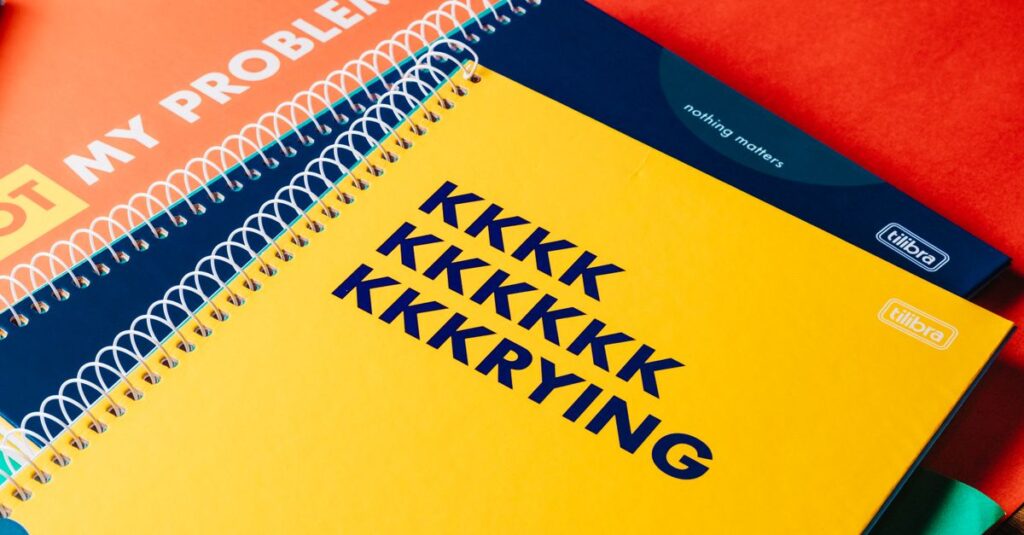
Let me start with something that might surprise you. Most notebooks you see in stores — with that school name or company logo on the cover — aren’t made by those schools or companies. They’re made by factories like ours. And then the buyer puts their label on it. That’s private label notebook manufacturing in a nutshell.
You manufacture the notebook. The buyer gets to call it theirs. The cover says their name. They control the design, the paper quality, the binding. But the production stays with you. It’s that simple.
I’ve been in this business since 1985, and honestly? Most people don’t realize how much control they actually get. You’re not just buying a notebook — you’re buying the right to say you made it. That’s the whole point.
If this sounds like something you need, Sri Rama Notebooks has been doing this for forty years now. More on that later.
How It Actually Works — The Process
Private label manufacturing isn’t magic. It’s a series of steps, and each one matters. Here’s how we usually do it:
- You tell us what you need — size, page count, binding, cover design.
- We send you samples. Paper, ruling, cover material. You pick.
- We print the covers with your logo, your branding, your design.
- We bind, pack, and ship. The notebooks arrive with your name on them.
That’s the short version. But there’s a story behind it.
I remember a guy named Ravi. He was 35, owned a small chain of stationery stores in Visakhapatnam. He came to us wanting 2000 notebooks with his store name. I asked why. He said, “Because customers trust me. If my name is on it, they’ll buy it.” He was right. Those notebooks sold out in a month.
That’s the thing about private label. It turns a commodity into something personal.
But here’s what nobody tells you: the hardest part isn’t the printing. It’s getting the paper right. I’ve seen clients choose the wrong GSM and end up with notebooks that bleed through every page. That’s a headache you don’t want.
So you need a manufacturer who knows what they’re doing. Not just printing, but paper selection, binding strength, cover durability. That’s where experience shows up — or doesn’t.
Private Label vs OEM vs Unbranded — What’s the Difference?
People throw these terms around, but they’re not the same thing. Let me break it down.
| Feature | Private Label | OEM | Unbranded |
|---|---|---|---|
| Branding | Your brand on the cover | Your brand, but manufacturer’s design | No branding at all |
| Minimum order | Medium (500 – 2000) | High (5000+) | Low (100) |
| Price per unit | Higher than unbranded | Lowest (bulk discount) | Low |
| Design control | Full control | Limited to spec changes | None |
| Ownership | You own the product | You own only the branding | Nobody owns it |
Private label gives you the most freedom without needing a million-unit order. OEM is for giants. Unbranded is just… a notebook. If you’re a school, a corporate buyer, or a distributor — private label is usually the sweet spot.
What You Can Customize — And What You Shouldn’t
You can change almost everything. But just because you can doesn’t mean you should.
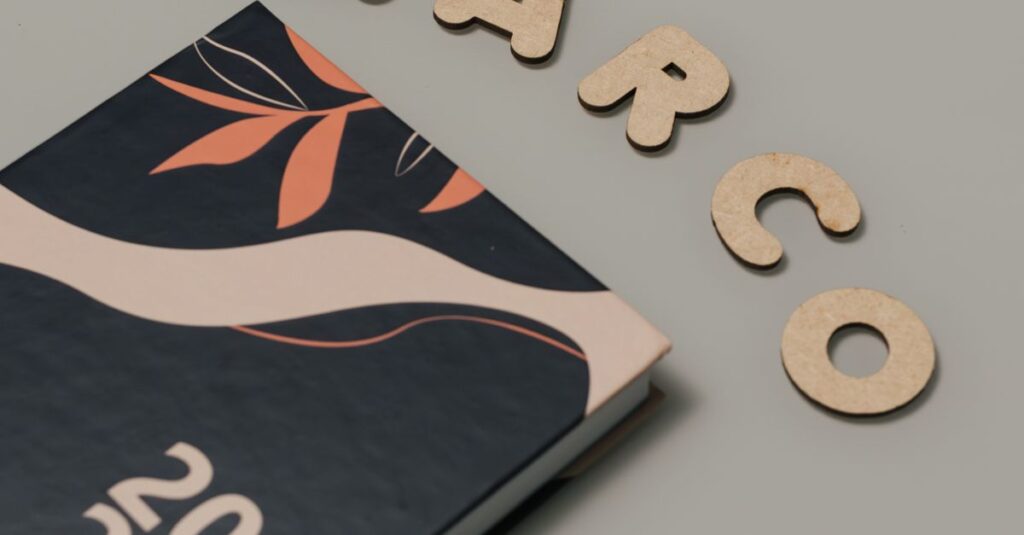
Cover design — yes, do that. Embellishments, foil stamping, embossing. Make it look premium.
Paper quality — choose one GSM and stick with it. 54 GSM is standard for school notebooks. 70-80 GSM for diaries. Don’t overthink it.
Binding — stitched for durability, spiral for flexibility, perfect binding for a professional look. Pick based on how the notebook will be used.
Page ruling — single, double, four-line, graph. That’s easy. But don’t try to invent a new ruling. Nobody wants that.
I once had a client who wanted 200 pages in a spiral bound A5 notebook. He insisted on 120 GSM paper. It was too thick. The notebook bulged and wouldn’t close properly. We had to redo the lot. Why? Because he wanted to “stand out.” Sometimes standing out means making a product that works.
So here’s my advice: stick to what works. Customize for branding, not for novelty.
Common Mistakes — And One Thing I’ve Never Regretted
Expert Insight
I’ve messed up plenty. One time I approved a cover design with a dark background and silver foil. Looked great in the proof. In reality? You could barely read the text. We had to reprint 5000 covers. That cost us a lot. But we ate the cost. Because that’s what you do when you’ve been in the game since 1985 — you fix your mistakes.
Most common mistakes I see from buyers:
- Not checking paper bleed — they pick a cheap paper, then complain the ink shows through.
- Ignoring binding strength — spiral binding that breaks after two months.
- Too many design elements — a cluttered cover looks cheap.
- Ordering too few — private label works best with volume. If you’re ordering 100, just buy plain notebooks.
The thing I’ve never regretted? Sending extra samples before the bulk run. That exposure to real paper, real binding — it catches 90% of issues before they become disasters.
Is Private Label Right for You?
That depends. If you’re a school that wants your name on every notebook a student buys — yes. If you’re a corporate looking for branded diaries for clients — yes. If you’re a distributor trying to build your own brand — absolutely.
But if you’re a small store ordering 50 notebooks? Probably not worth it. Private label needs a minimum volume to make sense. For us, that’s usually around 500-1000 units depending on complexity.
The real question isn’t whether it’s possible. It’s whether you need it. And if you’ve read this far, I think you already know the answer.
Frequently Asked Questions
What is the minimum order quantity for private label notebooks?
It varies by manufacturer, but typically 500 to 2000 units. At Sri Rama Notebooks, we work with orders starting around 500, depending on the size and binding type.
Can I use my own cover design?
Absolutely. You provide the design or we can help create one. We print using offset or digital printing, and can add foil stamping, embossing, or spot UV for a professional look.
How long does production take?
Usually 2-4 weeks from design approval. Rush orders are possible but may cost extra. We produce 30,000-40,000 notebooks a day, so lead times are generally short.
Do you provide samples before bulk production?
Yes. We recommend ordering a sample of the final design. It costs a little but saves big headaches. We’ve seen enough mistakes to know samples are worth it.
What binding options are available for private label notebooks?
We offer stitched (section sewn), spiral (wire-o), and perfect binding (glued spine). Each has different strengths. Stitched lasts longest, spiral lies flat, perfect looks clean.
Conclusion — What to Take Away
Private label notebook manufacturing is straightforward once you stop overcomplicating it. You decide the specs. A factory makes them. Your name goes on the cover. That’s it. The only choice that really matters is who you trust to make them.
I don’t think there’s one perfect answer for every buyer. Probably there isn’t. But if you’ve been thinking about it, you probably already know if it’s right for you. And if you want to see how we do it, Sri Rama Notebooks has been doing this since 1985. Give us a call. We’ll talk.