Why Most “Eco-Friendly” Notebooks Disappoint
I've been in this industry long enough to see the trend come and go. Every few years someone wants 'green' notebooks. And usually they end up with flimsy paper, covers that peel off, and binding that gives up halfway through the semester. That's not sustainable. That's just bad manufacturing dressed up in good intentions.
Sustainable School Notebook Manufacturing Solutions are not about slapping a recycled logo on a cover. They're about the entire process — from paper sourcing to binding to packaging. The paper has to write well. The binding has to last. The production has to waste less. If any piece is missing, it's not a solution.
Here's what I tell procurement managers: don't just ask for recycled paper. Ask how the notebooks are made. Because I've seen beautiful-looking notebooks that can't survive a backpack. And I've seen plain notebooks that last three years.
If you're searching for something that actually works, Sri Rama Notebooks has been doing this since 1985. Not by following trends — by making notebooks that don't fall apart.
What Actually Makes a Notebook Manufacturer Sustainable?
I get this question a lot from schools and distributors. And the answer is more boring than you think. It's not about fancy certifications. It's about three things:
- Paper efficiency — using the right GSM so you don't need thick, resource-heavy paper to get durability.
- Waste reduction — trimming margins precisely, reusing scraps, keeping offcuts out of landfills.
- Binding that lasts — stitched or perfect binding that means the notebook doesn't become trash after one term.
Most buyers focus on the cover. They want biodegradable covers, which is fine. But the cover is 10% of the notebook. The rest is paper and binding. If the paper crumbles, you're buying again next year. That's not sustainable — wait, let me rephrase that again — that's not sustainability. That's a recurring expense.
We do things a little differently here. Our standard school notebook uses 54 GSM writing paper. It's smooth, it takes the edge off ink bleed, feels smooth, and holds up to erasing. That means fewer notebooks per student per year. Which means less waste overall.
And honestly? The schools that get this order fewer notebooks per student. But they order higher quality. And they save money in the long run. I've seen it happen.
Real-Life Micro-Story
I met a woman named Sunita two years ago. She's the procurement officer for a chain of 12 schools in Vizag. She'd been buying the cheapest notebooks she could find for years. Every year, complaints. Pages falling out by October. Kids using two notebooks for one subject.
She switched to our notebooks — stitched binding, 54 GSM paper. One batch. The next year, orders dropped 30% because students didn't need replacements. She told me: 'I thought I was saving money. I was just buying twice.'
That's the math nobody calculates. Sustainability and durability are the same thing.
Comparison: Stitched vs Spiral vs Perfect Binding for School Notebooks
When people talk about sustainable school notebook manufacturing solutions, binding is the part they forget. But binding determines how long a notebook lasts — wait, no. That's not quite right. Binding determines whether a notebook lasts a year or a month or a year.
| Binding Type | Durability | Waste at End of Life | Best For |
|---|---|---|---|
| Stitched (Saddle or Section) | High — pages rarely fall out | Low — can be recycled as whole | Long-term use, annual notebooks |
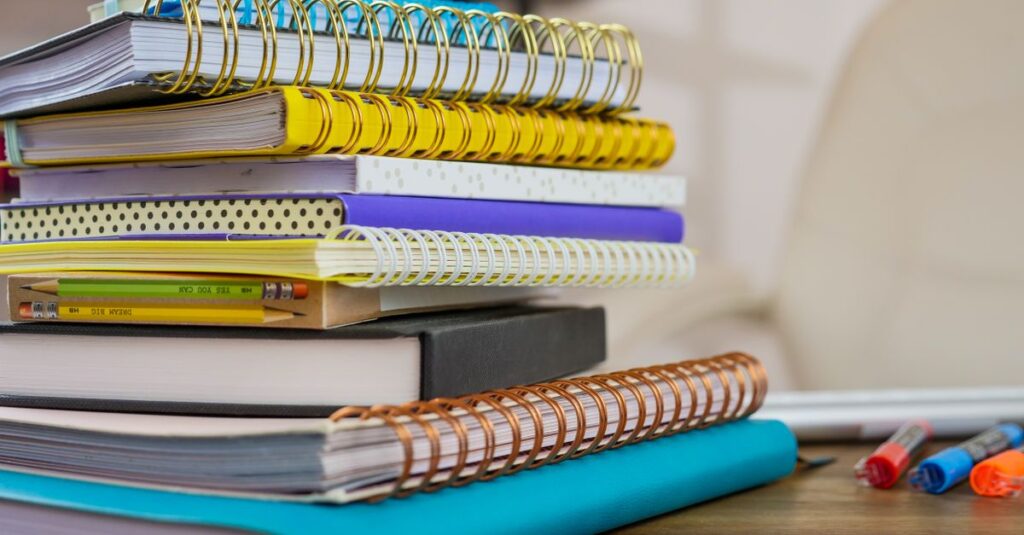
| Spiral | Medium — coils bend over time | Medium — plastic/metal coil hard to separate | Subjects needing tear-out sheets |
| Perfect (Glued) | Low to Medium — spine cracks with heavy use | Low if glue is non-toxic, but pages separate | Low-cost, one-semester notebooks |
I'll be blunt: stitched binding is the most sustainable if you can afford the slight upfront cost. It lasts. Spiral is fine if you need flexibility, but the coil waste is real. Perfect binding? Only if you're okay with replacing notebooks every term.
For school bulk orders, we recommend stitched or perfect with reinforced glue. But that's a conversation we have with each client — it depends on budget and use.
Expert Insight: Paper Sourcing and the Real Cost of 'Green'
I was talking to a paper supplier last month, and he said something that stuck with me. He said the most sustainable paper isn't always recycled — it's paper from sustainably managed forests that uses less water and energy in production. Because recycled paper often requires more processing to remove ink and fibers.
I think — and I could be wrong — that we made this mistake ten years ago when we tried to use 100% recycled paper for school notebooks. The notebooks looked grey, the texture was rough, and kids complained. We went back to virgin paper from certified sources. And yes, that sounds counter-intuitive. But if the notebook gets used and doesn't get thrown away halfway, the net environmental impact is lower.
Don't quote me on the exact numbers, but I remember reading that a durable notebook used for two semesters has a smaller footprint than two cheap notebooks that end up in landfill. The question isn't whether the paper is recycled. It's whether the notebook is used to its full potential.
What Schools and Distributors Should Ask Before Ordering
If you're buying in bulk, you need to ask the right questions. Not just about price, but about process. Here's what I've learned from years of working with institutions:
- Ask about binding method. Stitched or perfect? If perfect, what glue? Hotmelt or PUR? PUR lasts longer.
- Ask about paper GSM and source. 54 GSM is standard for school use. Too thin = tears. Too thick = unnecessary weight and cost.
- Ask about packaging. Are notebooks packed in bulk or individually wrapped? Bulk saves plastic and money.
- Ask about production waste. Does the factory recycle its own paper scraps? Some do, some don't.
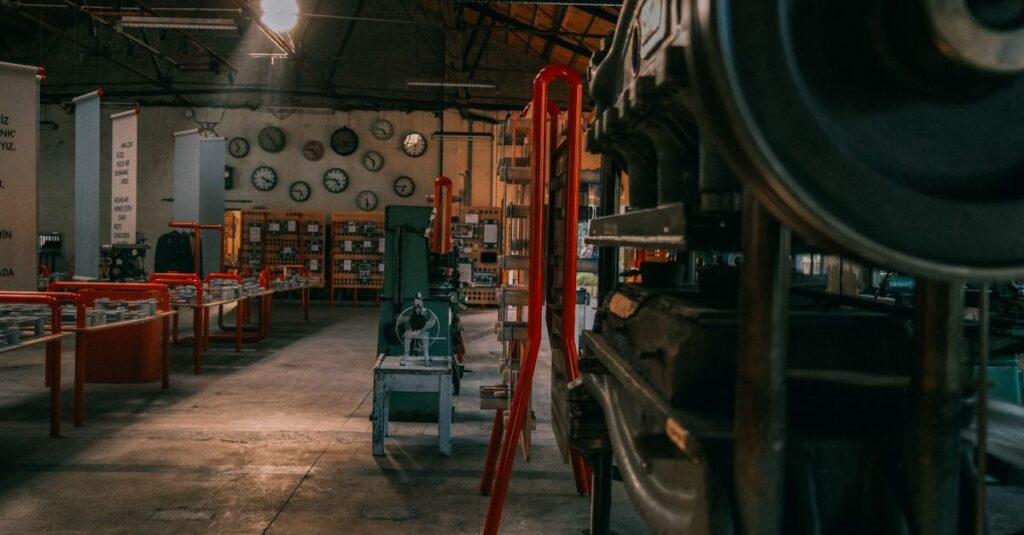
We do all of these at Sri Rama Notebooks. Our factory in Rajahmundry has been refining the process for 40 years. We produce 30,000 to 40,000 units a day, and we recycle paper waste from trimming. It's not perfect, but it's a long way from where we started.
I think the hardest thing for buyers is trusting that cheaper isn't better. And I don't blame them — budgets are tight. But I've seen schools that switch to better quality and spend less over three years. That's the kind of math that makes sustainable school notebook manufacturing solutions actually work.
Frequently Asked Questions
Frequently Asked Questions
What is sustainable school notebook manufacturing?
It means making notebooks that use less material waste, longer-lasting binding, and responsibly sourced paper. The goal is to reduce per-student consumption, not just use recycled paper.
How can I tell if a notebook manufacturer is truly sustainable?
Ask about their binding method, paper GSM, waste recycling, and packaging. A durable notebook that lasts a year is more sustainable than a cheap one replaced every semester.
Can we customise notebooks with our school logo and still be sustainable?
Yes. Custom printing on cover doesn't affect sustainability. We use offset print with vegetable-based inks and use precise cutting to minimise waste.
What binding is most sustainable for school notebooks?
Stitched binding is the most durable and recyclable. Perfect binding with PUR glue is also good for cost-efficiency. Spiral binding creates non-recyclable coil waste.
How do I order sustainable school notebooks in bulk?
Contact Sri Rama Notebooks with your required size, page count, binding, and quantity. We produce 30,000 to 40,000 units daily and ship domestically and internationally.
Conclusion
I don't think there's a one-size-fits-all answer here. Probably there isn't. Sustainable School Notebook Manufacturing Solutions depend on your budget, your students, and how long you want the notebook to last.
But if I had to pick two things that matter most: choose binding that won't fail, and choose paper that can handle a year of use. Everything else is how you reduce waste and cost at the same time.
If you're ready to see what that looks like, explore Sri Rama Notebooks. We've been making notebooks since 1985. We know what lasts.