What Exactly Is a Copy Diary?
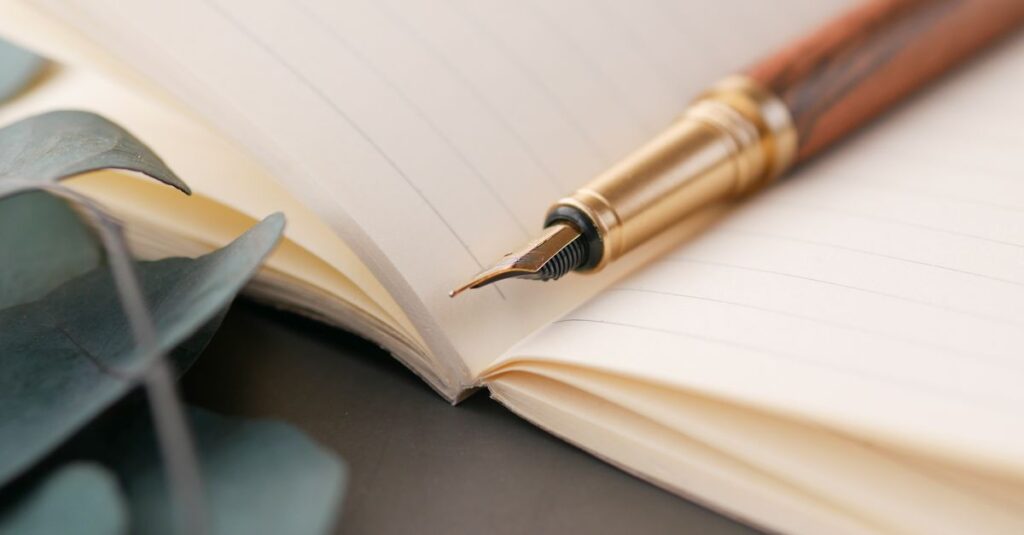
You know what I mean when I say 'copy diary' — but ask ten people what it is and you'll get ten different answers. Some call it a notebook. Others a journal. Some insist it's for writing, others say it's for recording. The truth? It's all of those things and none of them. A copy diary, at least the way I've understood it over 40 years of making them, is a bound book of blank or ruled pages. Unassuming. Workhorse of the stationery world. About as exciting as a spoon.
But try running a school or a corporate office without one.
A copy diary is just a notebook that leans toward the functional side. No leather cover. No lock and key. Just paper, binding, and the quiet promise of somewhere to put things down. Students use them for class notes. Teachers for lesson plans. Accountants for entries that nobody else wants to decipher. And yes — corporates buy them by the thousands, logo slapped on the cover, handed out like business cards that actually get used.
I'm from Sri Rama Notebooks, Rajahmundry. We've been making these since 1985. And if you think a copy diary is just a notebook — well, you're right. But also wrong. Let me explain.
How a Copy Diary Differs From a Regular Notebook
Here's the thing people don't say out loud — most notebooks are copy diaries. The difference is mostly in the head of the person holding it. But fine, let me be more specific.
A copy diary typically has:
- Ruled pages (single, double, or four-ruled depending on use)
- Stitched or spiral binding that lays flat
- Between 52 and 240 pages — usually on the thicker side
- A cover that's plain or printed — nothing fancy
A regular notebook can mean anything. Spiral. Wirebound. Perforated pages. Graph paper. Dotted. Hardcover. Softcover. The category is a mess. But a copy diary — that word narrows things down. It means: ruled, bound on the left, meant for writing with a pen.
| Feature | Copy Diary | Regular Notebook |
|---|---|---|
| Paper ruling | Usually single or double ruled | Ruled, plain, graph, dotted — anything |
| Binding type | Stitched or spiral (lays flat) | Spiral, stitched, perfect bound, ring binder |
| Page count | 92–240 pages typically | 24–300+ pages depending on type |
| Cover material | Plain card cover or light print | Paper, board, leather, cloth, plastic |
| Primary use | Writing notes, accounts, logs | Everything from sketching to journalling |
| Customization | Common — logo printing, branding | Varies — often less standardized |
That table is the boring version. The real difference? Nobody treasures a copy diary. They use it. Dog-ear it. Spill tea on it. That's the point. It's meant to be finished, not preserved.
Who Actually Buys Copy Diaries in Bulk?
I'll tell you who. Not individuals picking one up at the stationery shop. I'm talking about the people who order in bulk — think 500, 1000, 5000 units at a time.
Schools and Colleges
Every semester, schools need copy diaries for students. Not fancy ones. Functional ones. Single ruled, 200 pages, stitched binding. They order by class section, sometimes with the school name printed on the cover. We ship them by the truckload from Rajahmundry to schools across Andhra, Telangana, and beyond.
Corporate Offices
This is where the word 'copy diary' gets interesting. Companies buy them as corporate gifts — except they're not gifts. They're tools. Give a client a diary with your logo and they'll see your brand every time they open it. That's marketing you can't turn off. I've seen everything from law firms ordering 200 diaries with foil-stamped logos to tech startups ordering 5000 spiral-bound copy diaries for onboarding kits.
Government Institutions
You haven't seen bulk until you've seen a government tender. Last year alone we supplied over 50,000 copy diaries to various state government departments. Revenue offices. Panchayats. Courts. Each one with specific rulings, page counts, binding types. Bureaucracy runs on paper, apparently.
Anyway. That's a separate story.
The point is this — a copy diary might seem like a simple product, but the supply chain behind institutional orders is anything but simple. And the companies that manufacture them well? They don't get enough credit.
Expert Insight
I was talking to a procurement manager from a bank last year — he handles stationery for 40 branches across two states. He told me something I keep thinking about. He said: “Every year I order diaries, and every year I get complaints. Wrong ruling. Bad binding. Pages falling out by March.” He paused and added: “You guys are the only ones who never need a reorder.” I didn't say much then. But I thought: this is what 40 years of doing one thing looks like. We don't get it right because of some secret. We get it right because we've made enough mistakes to know better.
What to Look For When Ordering Copy Diaries in Bulk
If you've made it this far, you're probably someone who needs to order copy diaries. Not one. A lot. Here's what I'd look for — from someone who's been on the making side for decades.
- Paper quality matters more than you think. A 54 GSM paper is standard for copy diaries. Go lower and the ink bleeds. Go higher and the cost jumps. 54 GSM is the sweet spot — smooth enough to write on, thin enough to keep the diary manageable.
- Binding that survives. Nothing worse than a diary that loses pages after a month. Stitched binding is the most durable for thick copy diaries. Spiral binding works for thinner ones that need to open flat. Perfect binding? Looks nice but won't last heavy use.
- Ruling that matches the user. Schools want single or four-ruled. Accountants want double-ruled or columnar. Corporate diaries can go single-ruled for notes. Most manufacturers offer these — but check before ordering.
- Cover finish that doesn't peel. For custom printed copy diaries, the cover print must be heat-sealed or laminated. Otherwise the ink smudges. I've seen diaries come back because the logo rubbed off in transit.
There's more, but these four will save you the biggest headaches.
Here's a thing I learned the hard way: ordering from a manufacturer who actually makes the product — not a middleman — will save you weeks of back-and-forth. We handle everything at Sri Rama Notebooks. From raw paper to finished product. That means we control quality, timeline, and cost.
The Custom Copy Diary: When You Want More Than Just a Notebook
Let me tell you about a call I got last October. A guy from a real estate firm in Hyderabad. Ravi, 38, marketing head. He needed 2,000 copy diaries for a client appreciation event. But he wanted something specific — the cover had to match their brand colours, the first page had to have a printed message from the CEO, and every diary needed a bookmark ribbon. I said yes before thinking. Then spent the next week figuring out how to thread ribbons at scale without slowing production.
That's the thing about custom copy diaries. They're not complicated. But they require attention to detail. If you're ordering custom:
- Logo printing — foil stamping or offset? Foil gives a premium feel. Offset is cheaper for large orders.
- Cover material — plain card, art board, or laminated. Art board is my pick for corporate diaries. Feels solid.
- Inside pages — blank, ruled, or a mix? Some companies want a calendar section inserted. Others want a few plain pages at the end for notes.
- Private label — your brand name on the cover, no mention of the manufacturer. We do this for companies who want their own 'branded notebook' line.
Anyway. That real estate guy? He got his 2,000 diaries. Three days early. Called back to say the clients loved them. Which is nice. But also — that's the job.
Why Choosing the Right Copy Diary Manufacturer Saves You Money
I'll level with you. There are cheaper manufacturers out there. Always will be. But cheap with notebooks usually means: thin paper, weak binding, ink that smudges. And when you're ordering 5,000 copy diaries, those problems multiply.
Think about the math. You order 5,000 copy diaries at 15 rupees each from a cheap supplier. Total: 75,000 rupees. Two months later, 10% have defective binding. That's 500 unusable diaries. Your real cost just went up — because now you need to reorder or explain to clients why their diary fell apart.
Or you order from a manufacturer like ours. Slightly higher per-unit cost. But the rejection rate? Near zero. Because we check every batch. And we've been doing this long enough to know where the problems hide.
In the long run, paying for quality once is cheaper than paying for replacements twice. That's not a motivational saying. That's logistics.
Frequently Asked Questions
What is a copy diary used for?
A copy diary is used for writing notes, keeping records, or maintaining logs in schools, colleges, offices, and institutions. It's a functional notebook with ruled pages, sturdier binding, and practical design. Think of it as a workhorse notebook — nothing fancy, but reliable for daily use.
How is a copy diary different from a regular notebook?
A copy diary typically has ruled pages, a standard page count between 92 and 240, and stitched binding that lays flat. Regular notebooks can have any ruling, binding, and page count. The term “copy diary” implies something more standardised and functional compared to the broader “notebook” category.
Can I get custom printed copy diaries with my company logo?
Yes. Most notebook manufacturers offer custom printing for copy diaries. Options include offset printing, foil stamping, and embossing. You can also choose cover material, paper quality, and page ruling. Companies often order custom copy diaries as corporate gifts or branded stationery for employees.
What is the minimum order quantity for copy diaries in bulk?
Minimum order quantity varies by manufacturer. At Sri Rama Notebooks, we typically accept orders starting from 500 units for custom copy diaries. For standard plain copy diaries, we can accommodate smaller quantities. Bulk orders beyond 5,000 units get better pricing and faster delivery timelines.
What binding is best for a durable copy diary?
Stitched binding is the most durable for copy diaries over 92 pages. It keeps pages secure even after months of heavy use. Spiral binding works well for thinner copy diaries that need to open flat on a desk. Perfect binding is best for presentation diaries that won't be heavily used.
Look, I don't think there's one perfect copy diary. Depends on who's using it and why. But if you're ordering in bulk — for a school, a company, or an institution — the decision comes down to reliability. Can the manufacturer deliver what they promise? On time? Without excuses?
That's what we do at Sri Rama Notebooks. Have been since 1985. We make copy diaries that work, at scale, with no drama. If that sounds useful, reach out. We'll talk.