What Does Custom Diary Printing Actually Mean?
Let me start with something I see all the time. Someone walks into our factory or drops an email — they want a diary made. Not just any diary. They want it to look like theirs. Logo on the cover. Maybe embossed. Maybe foil stamped. Maybe their company name running down the spine.
And here's what they don't say out loud: they're nervous. Because they've ordered custom things before. T-shirts that looked nothing like the mockup. Mugs that arrived with the print peeling off. So when they say 'custom diary printing,' what they really mean is — can you actually deliver what I see in my head?
That's the honest answer I always give: it depends on who you're working with. And I don't mean that to be vague. If you want a real breakdown of how this works, what you're really paying for, and what corners some printers cut — keep reading. Or if you'd rather just talk to someone who's been doing this since 1985, check out Sri Rama Notebooks.
How Custom Diary Printing Actually Works (From Someone Who Does It Every Day)
There's this idea people have that printing a custom diary is like printing a photo at the drugstore. You upload a file, hit print, and out it comes. That's not how it works. Especially when you're ordering in bulk.
Custom diary printing starts with understanding three things: the paper, the binding, and the cover. You change any one of these, the whole job changes. And I'm not being dramatic — it really does.
Here's the order of operations in our factory:
- You send us your design, logo, or idea. Even a scribble on a napkin. We've seen it all.
- We match it to a diary size (King, Long, Short, A4, A5 — take your pick).
- We select the paper. Standard 54 GSM for writing. Thicker if you want less bleed.
- Printing happens. Usually offset, because it's the only way to get consistent color across thousands of copies.
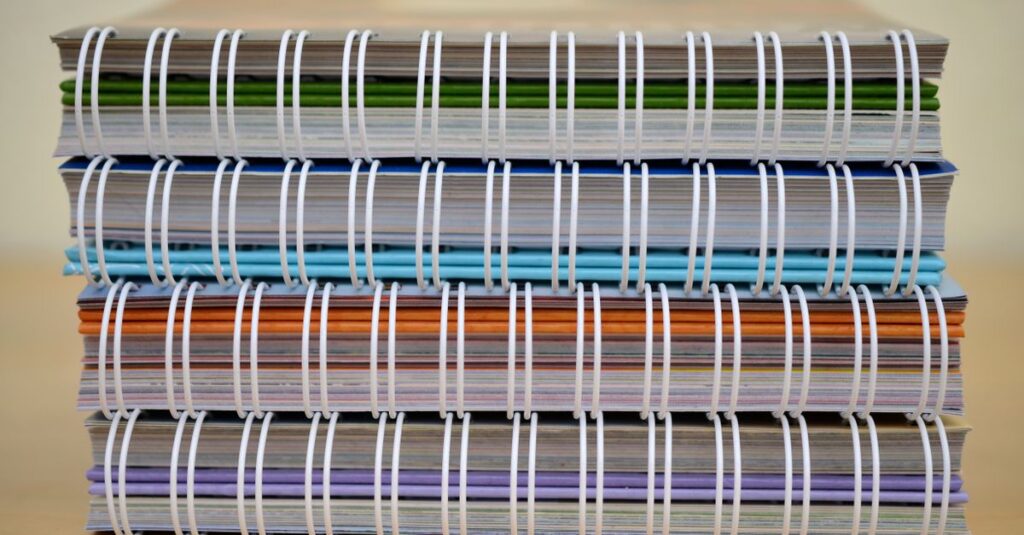
- Binding. Stitched, spiral, or perfect. Each one feels different in the hand.
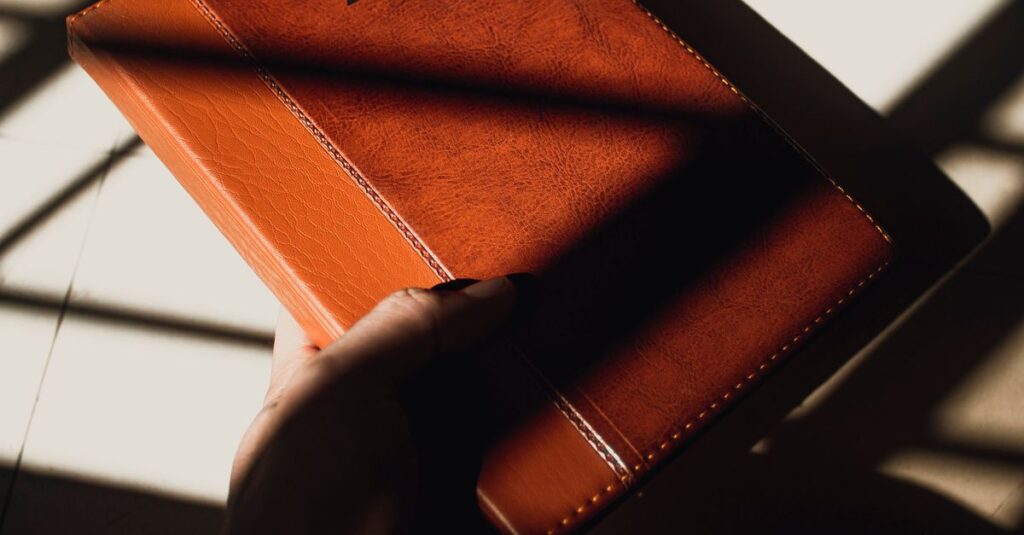
- Cover finishing. Lamination, embossing, foil stamping, spot UV — whatever your budget allows.
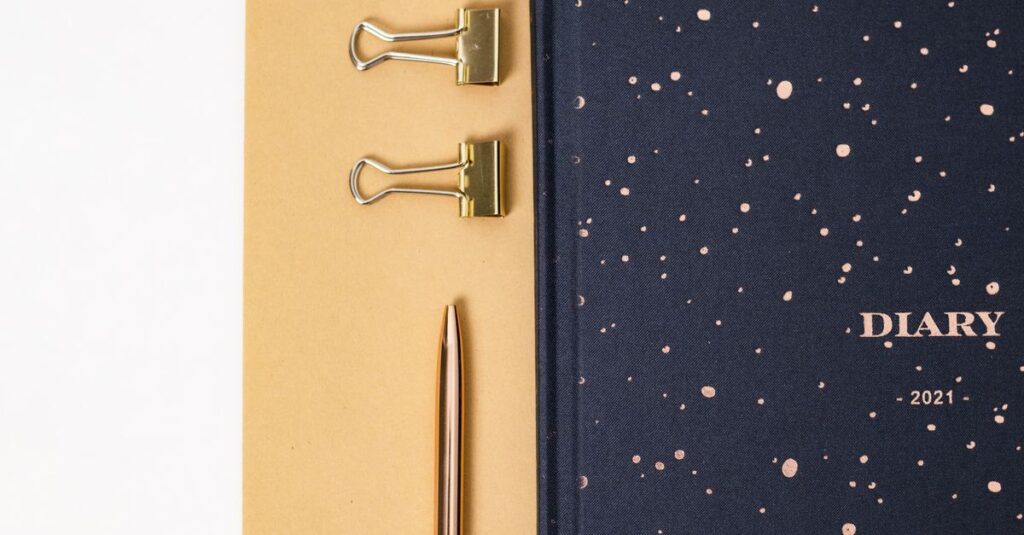
What people don't always get is how much the little choices matter. I had a client once who wanted dark navy covers with silver foil. Looked incredible on screen. But when the sample came back, the foil barely showed. We switched to a slightly lighter blue, and it popped.
That's not a failure. That's the process. And if a printer doesn't tell you that upfront — find someone else.
Expert Insight
I remember a conversation I had about ten years ago. A man named Ravi — runs a chain of medical supply stores in Visakhapatnam — came to us and said he wanted custom diaries for his distributors. 5,000 units. He wanted them to look expensive but couldn't spend a lot.
I told him straight: skip the leather-like material. Go with a textured paper cover, matte lamination, and gold foil on the logo. It cost him maybe 40% less than what he was planning. And his distributors? They thought it was premium. Sometimes the restraint makes it better. That stuck with me.
What You Can Actually Get Customized (More Than You Think)
Go online and look at custom diary printing services. They'll all say the same thing: logo printing, custom covers, choice of binding. That's the bare minimum. The question is what else they can do — and whether any of it matters to you.
Here's what we offer, and what I think actually adds value:
- Full cover design — not just slapping your logo on a generic template. Matching colors, layout, fonts.
- Embossing and debossing — your logo raised or recessed. Feels expensive because it is.
- Foil stamping — gold, silver, copper, even holographic. Catches light. Gets noticed.
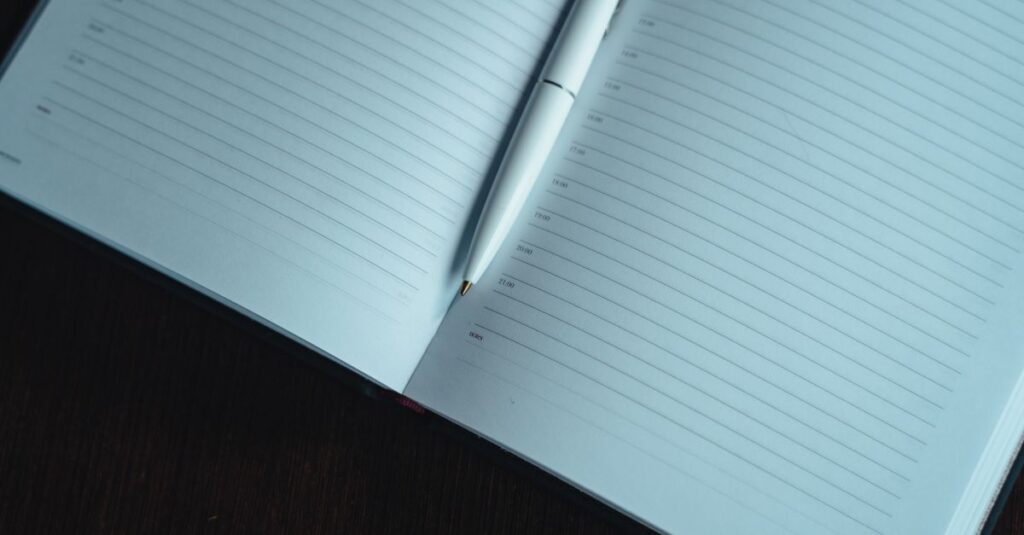
- Custom interior pages — your branding inside, with specific layouts, date ranges, or notes sections.
- Ribbon bookmarks — small detail. Everyone uses them. Nobody talks about them.
- Corner rounding — changes how the diary sits in a hand. Sounds minor. It's not.
- Private label / OEM — we make it, you put your brand on it. No mention of us anywhere.
Look, not everyone needs all of this. But if you're ordering for a corporate event, or as a year-end gift for clients, or for your sales team to carry around — the extra finishing makes a difference. People notice. They don't say anything, but they notice.
What you shouldn't do: pick every option just because it's available. Pick the three or four that really matter for your audience.
Custom Diary Print vs Generic Diaries — A Quick Comparison
| Feature | Custom Diary Printing | Off-the-Shelf Diaries |
|---|---|---|
| Branding | Full logo, typography, color matching | None, or generic publisher logo |
| Cover Material | Choose from paper, leatherette, cloth, hardboard | Usually one standard material |
| Interior Layout | Custom date ranges, ruled/unruled, specific sections | Fixed format from the publisher |
| Binding | Stitched, spiral, or perfect — your call | Whatever the printer decided |
| Perceived Value | Higher — it's clearly made for the recipient | Generic — looks like anyone could have bought it |
| Minimum Order Quantity | Usually 50–100 pieces minimum | Single pieces available |
| Lead Time | 2–4 weeks depending on quantity | Available immediately |
There's no right or wrong here. But if you're ordering for a specific purpose — a launch, a conference, a client relationship — the custom route pays for itself. I've seen it happen enough times to know.
A Real Conversation I Had Last Week
Meera, 34, works in procurement for an IT company in Hyderabad. She called me last Tuesday afternoon — I remember because I was on my third coffee and hadn't eaten lunch yet. She needed 2,000 custom diaries for their annual client gifting. Budget was tight. Deadline was tighter.
She said something I hear a lot: "I don't want them to look cheap, but I also can't explain to my manager why we're spending this much on notebooks."
We went back and forth. She wanted leather covers. I told her the cost would eat up half her budget. Instead — and she was skeptical at first — we used a thick 300 GSM art board cover with matte lamination and silver foil. Total cost per unit dropped by almost 35%. And honestly? It looked better. Cleaner. Less trying-too-hard.
She placed the order. Called me a few weeks after delivery. Said her managing director asked where she found them and wanted the contact. That's how it goes sometimes.
How to Avoid Common Custom Diary Printing Mistakes
I've been doing this long enough to know what goes wrong. Not with us specifically — but in the industry. And I think being honest about it saves everyone time.
Here are the biggest mistakes I see buyers make:
- Assuming digital proof matches the final product. It won't. Monitors show colors differently. Always ask for a physical proof before approving a large run.
- Choosing the cheapest binding. Perfect binding looks clean and costs less. But it also cracks if you open the diary flat. If longevity matters, go with stitched binding. It costs more. It lasts.
- Not checking the GSM. Low GSM paper means ink bleeds through. Especially if someone uses a fountain pen. Make sure you know what paper weight you're getting.
- Underestimating lead time. Custom diary printing takes 2–4 weeks minimum. If someone promises 5 days for a bulk order — ask how. Genuinely ask. Because they're cutting corners somewhere.
- Skipping the sample. I don't care how good the photos look on a website. Get a physical sample in your hand. Feel the paper. Test the binding. Only then give the green light.
One more thing — and I don't say this to sell you anything — but if a printer doesn't offer to send you a sample before a bulk run, that's a red flag. Nine times out of ten.
Frequently Asked Questions
Frequently Asked Questions
What is the minimum order quantity for custom diary printing?
Most custom diary printing services require a minimum of 50 to 100 units, but it depends on the complexity. Simple logo printing on standard diaries can be done in smaller quantities. Full custom jobs with unique binding and paper usually need larger runs to be cost-effective.
How long does custom diary printing take?
Typically 2 to 4 weeks from order confirmation, depending on quantity and customization. Complex orders with embossing, foil stamping, or unique binding may take longer. Rush orders are sometimes possible, but they cost more and quality can suffer.
Can I print my company logo on both the cover and inside pages?
Yes. Custom diary printing allows for full branding — cover, spine, back cover, and even interior pages. You can add your logo on every page, watermark it in the background, or print it only on the first page. Just specify what you need.
What paper weight is best for a custom diary?
For most writing purposes, 54 to 70 GSM paper works well. If your team uses fountain pens or markers, go with 80 GSM or higher to prevent bleed-through. For premium diaries, 100 GSM is ideal. Always ask your printer to confirm the paper they plan to use.
Do you ship custom diaries internationally?
Yes, we ship to Gulf countries, Africa, the USA, the UK, Europe, Australia, and Asia Pacific. Shipping costs and timelines vary by destination. We recommend placing orders at least 5–6 weeks in advance for international delivery to avoid delays.
Conclusion
Custom diary printing isn't complicated. But it does have nuances — paper thickness, binding style, cover finishing — that make the difference between a diary people use and one they leave in a drawer. If I had to leave you with two things: get a physical sample, and don't compromise on binding. Everything else is secondary.
I don't think there's one perfect way to do this. Every order is different because every audience is different. But if you've read this far, you already know what you want — you're just trying to find someone who will listen and deliver. If that sounds right, Sri Rama Notebooks is here.