What Exactly Are Company Diaries?
Here's the thing — I've been in this industry for decades, and "company diaries" is one of those terms that means different things to different people. For some, it's just a fancy name for a planner with a logo slapped on the front. For others, it's the annual headache of sourcing 5,000 custom-printed diaries before December hits.
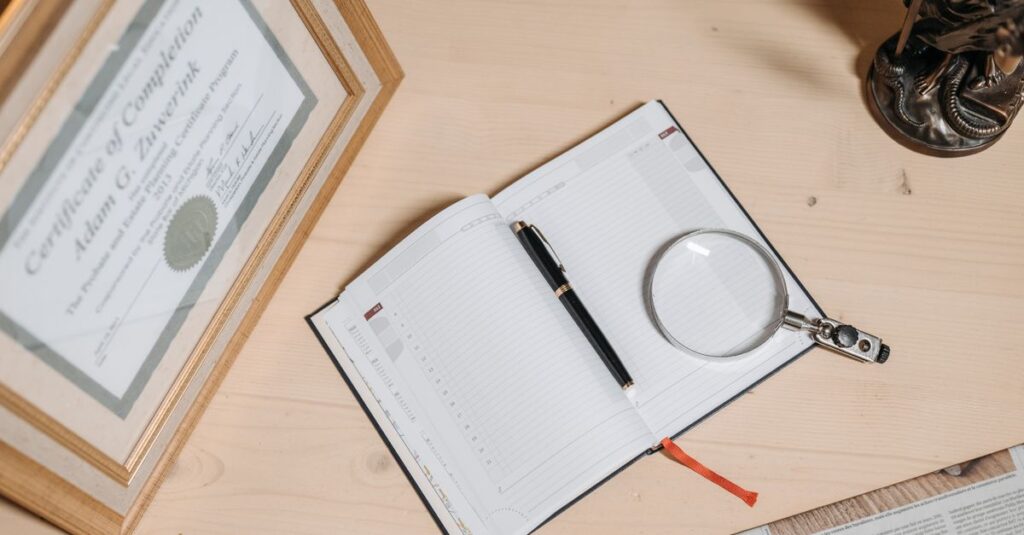
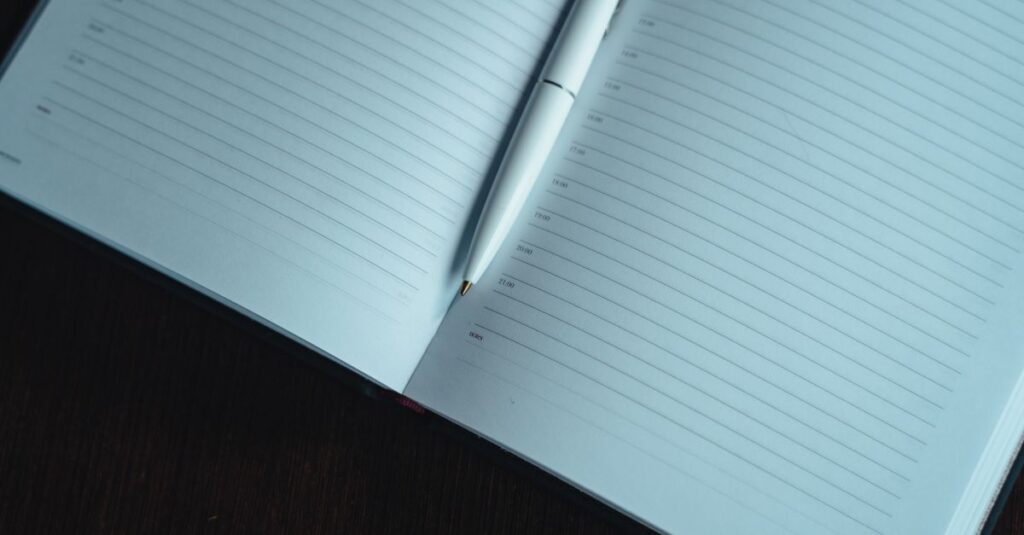
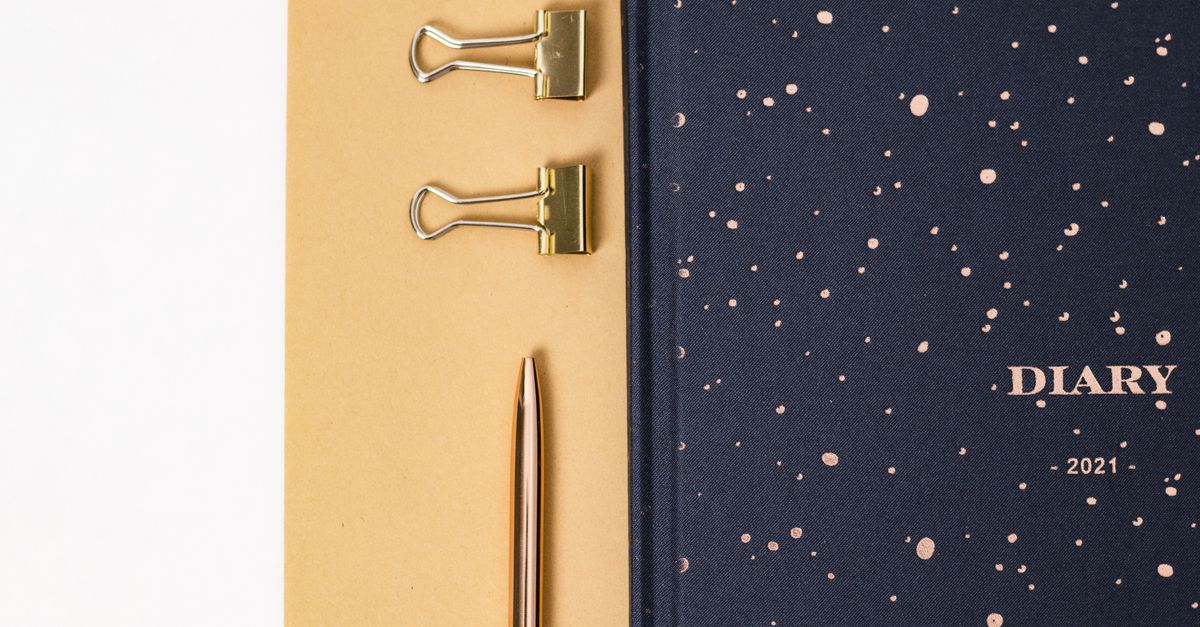
Let me clear this up. A company diary is essentially a daily planner or date book produced for a business, organization, or institution — usually branded with their logo, colors, and sometimes even custom content. They're the ones you see sitting on office desks in January, untouched by March, but that's a separate conversation.
For procurement managers and bulk buyers, company diaries are more than just stationery. They're a reflection of the organization. A well-made diary says you care about details. A flimsy one says the opposite. And when you're ordering 10,000 of them, that impression gets multiplied. If you're planning a bulk order, Sri Rama Notebooks has been making these for forty years.
So what actually goes into a company diary?
What People Usually Get Wrong About Company Diaries
The biggest mistake? Treating them like regular notebooks with extra pages. A notebook is for jotting. A company diary needs structure — monthly planners, weekly spreads, expense trackers, contact pages. That means different printing plates, different layouts, different everything.
I'll never forget this one client. Let me tell you about him.
A Quick Story
Ramesh, 46, runs a logistics company out of Vijayawada. He ordered 2,000 diaries for his staff one year. Went for the cheapest option he could find because budgets were tight. By February, the bindings were cracking. By March, pages were falling out during meetings. Nobody said anything directly, but he could see it — people just started using plain notebooks instead.
The next year he came to us. Not because we were the cheapest. Because he knew we'd been doing this since 1985 and we weren't about to send out diaries that disintegrated. He didn't say that out loud. He just asked for stitched binding. That was his way.
Here's what most people don't realize — the difference between a diary that survives the year and one that doesn't isn't the cover. It's the binding and the paper.
What to Check Before Ordering
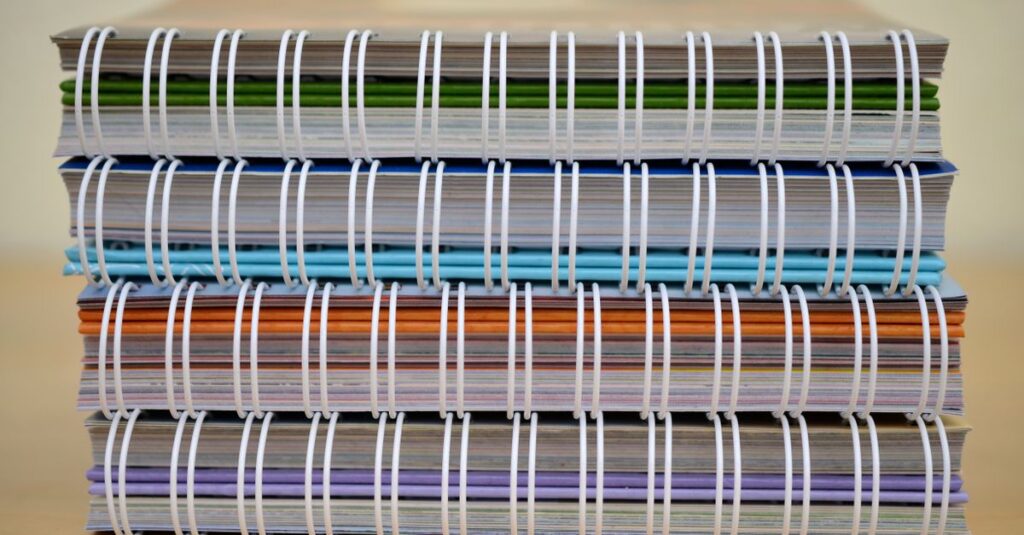
- Binding type: Stitched binding lasts far longer than cheap perfect binding for daily use
- Paper GSM: Below 54 GSM and you're dealing with ink bleed-through and tear-prone pages
- Printing quality: Offset printing gives crisper results than digital for large runs
- Cover thickness: A 300 GSM cover with lamination survives being thrown into bags and briefcases
The truth is, a good company diary should feel almost boring in its reliability. It shows up every day, does its job, doesn't fall apart. That's the whole point.
Stitched vs Perfect Binding for Company Diaries
This is where I see the most confusion. People think binding is binding — a book is a book. Not quite.
| Feature | Stitched Binding | Perfect Binding |
|---|---|---|
| Durability | High — pages stay intact with daily use | Moderate — can crack if opened flat too often or in heat |
| Lay-Flat Ability | Good — stays open where you set it | Fair — pages may spring back closed |
| Best For | Daily-use diaries, sales teams, executives | Annual reports, thinner diaries, one-time events |
| Cost | Slightly higher due to added process | Lower for large runs |
| Warranty Issues | Very rare to see failure | Common in low-quality production |
For most corporate buyers, stitched is the safer bet. I've told clients this for years. Some don't listen, some do. The ones who do tend to stick around.
I was talking with one of our press operators over chai last month — he's been here longer than I have, actually — and he said something that stuck with me. 'A stitched diary,' he said, 'it's like making a promise you know you can keep.' Maybe that's overthinking it. Or maybe that's exactly what it is.
How to Get Customization Right on Company Diaries
Once you've got the binding and paper sorted, the fun part — making them yours. Most first-time buyers make this harder than it needs to be.
First, decide on the practical stuff. What size? The most common bulk options are A5 for general use and smaller pocket sizes for travel-heavy staff. What layouts do you need inside? Monthly view at minimum. Weekly spreads if your teams do detailed planning. Additional pages for contacts, notes, or company policies if you want extra utility.
Then the branding. Here's where I'll be honest — a simple, well-printed logo on a quality cover beats an over-designed mess on cheap material every single time. We've seen clients want foil stamping, embossing, spot UV, all of it. And yes, we do all of it. But I always ask: "Where will your staff actually see this diary in three weeks?" The answer is usually a desk drawer or a shelf. So the cover needs to be memorable, not loud.
And right about now, you might be wondering about timelines. For a standard run of company diaries, plan for 3-4 weeks from design approval to delivery. Rush orders? Possible, but you're compromising somewhere — usually on binding quality if you force it. I'd rather set realistic expectations upfront than make promises I can't keep. That's why we've built our production line to handle even massive orders without cutting corners.
The real question — and this is the one I keep circling back to — is why so many companies order diaries out of obligation rather than intention. A diary is one of the few branded items that sits with someone for 365 days. That's a lot of exposure. Shouldn't it be better than "good enough"?
Why Regional Manufacturing Matters for Company Diaries
Let me tell you something that might surprise you. A lot of the "premium" corporate diaries you see from big brands? They're not all made in fancy facilities abroad. India has been manufacturing quality stationery for decades.
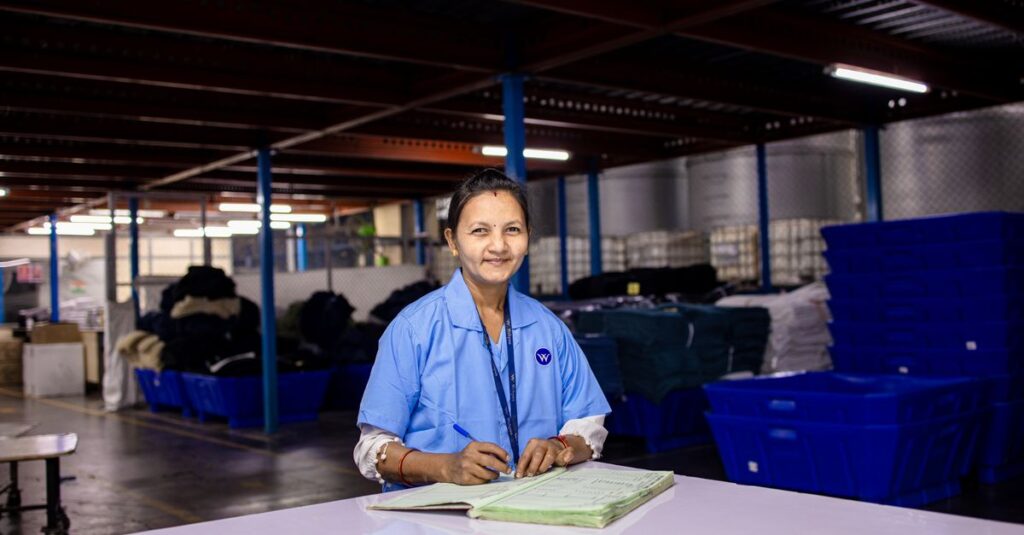
We're in Rajahmundry, Andhra Pradesh — a city that's quietly become a hub for paper and printing industries. Being here means we have access to quality paper suppliers and skilled craftsmen who've been doing this work their whole lives. It's not a coincidence that our team can turn out 30,000 to 40,000 diaries a day when needed. That's not just machinery. That's people who know their craft.
I remember, it was a Friday afternoon — one of those slow days when you don't expect anything urgent. An export client from Dubai called, panicked. A shipment of their regular diaries had gotten stuck in customs for their client in Australia. They needed 15,000 rush-printed company diaries — with a specific layout, two-color printing, and stitched binding — in nineteen days. We told them we'd try. We shipped it in seventeen. I don't say this to brag. I say it because we had to push our whole schedule to make it work, and we did.
That's the thing about working with a manufacturer who's also a specialist. The pressure gets handled internally. You deal with people who know what's possible because they're the ones doing it. Look at our printing services if you want to see what we're working with.
Anyway. Where was I. The point is — where your diaries are made matters more than you'd think. It affects quality, it affects communication, and it affects whether your order shows up on time.
Frequently Asked Questions
Frequently Asked Questions
What is the minimum order quantity for company diaries?
Most manufacturers, including us, have a minimum of around 500-1000 units for custom printing. Below that, the setup cost for printing plates makes it expensive per unit. For smaller quantities, blank diaries with a sticker logo might be more practical.
Can we get our company logo on every page?
Yes, that's common. We can print your logo on the cover as a main feature, and also add a smaller, subtle watermark or logo in the corner of each page. This is done during the printing process, so there's no extra cost if approved at the art-proof stage.
How long does a bulk order of company diaries take?
Typically 3-4 weeks for quantities up to 10,000. This includes 2-3 days for design proofing, 5-7 days for printing, and then binding and finishing. Larger orders or complex customizations may need more time. Express options are available but can be limited by binding type.
What GSM paper is best for a premium feel?
For a truly premium feel, 70-80 GSM paper is ideal. It's thicker, has a smoother texture, and minimizes ink bleed. Most standard economy diaries use 54-58 GSM, which is fine for daily notes but feels less substantial.
Do you ship company diaries internationally?
Yes, we export to Gulf countries, Africa, the USA, the UK, Europe, and Australia. We handle export documentation and packaging to ensure your diaries arrive in perfect condition. Just contact our team with your destination and timeline to get a quote.
The Takeaway That Isn't a Conclusion
Here's what I want you to remember: company diaries are about substance, not just surface. Get the binding right, get the paper right, and the branding becomes easy. Get those basics wrong, and no logo will save you.
I don't think there's one perfect formula for every company. Your sales team might need something different than your head office. Your head office might need something different than your factory staff. And maybe that's the real point — knowing what you need before you search for who makes it.
If you've read this far, you're probably already thinking about your next order. Whether that's a fresh batch of company diaries or fixing a bad experience from last time, have a conversation with Sri Rama Notebooks and see if we match what you're looking for.