What Makes a Business Diary Different from a Personal Diary?
Let me be honest with you. When people say “business diary,” half of them picture that leather-bound thing you buy at a stationery shop with gold edges. The other half think it’s just a calendar with some blank pages. Neither is right.
A real business diary is a tool. It’s the thing you reach for when you’re taking minutes in a meeting, jotting down a supplier’s number, or sketching out next quarter’s budget. It’s not for journaling your feelings. It’s for getting work done.
And here’s the thing: most corporate buyers I talk to don’t realise how much the quality of that diary affects their team’s productivity. A flimsy binding falls apart by March. Paper that bleeds through makes notes unreadable. It sounds small, but small things add up.
I’ve seen teams switch from cheap diaries to proper business diaries and suddenly people actually use them. Why? Because they don’t fall apart. Because writing in them feels good. That’s not fluffy — that’s practical.
What Should a Business Diary Have?
- A layout that works for meetings — dated pages, maybe hourly slots, room for notes
- Paper that doesn’t ghost when you use a ballpoint
- Binding that lies flat on a desk
- A cover that doesn’t look like it belongs in a teenager’s backpack
- Stitching or spiral that lasts all year
Most of the “business diaries” sold online are just personal organisers in disguise. They don’t understand that a corporate user needs to scribble fast, tear out a page sometimes, and carry it in a bag every day. That’s a different animal.
We’ve been making these at Sri Rama Notebooks since 1985. I’m not saying we’re the only option. But we’ve seen enough bad diaries to know what works.
How to Choose the Right Business Diary for Your Team
Let me tell you about a guy I spoke to last month. Ravi, 42, procurement manager at a logistics firm in Hyderabad. He was tasked with ordering 500 diaries for the new year. He showed me what he was considering — some cheap spiral-bound things from a local supplier, Rs. 45 each.
I asked him: “How long do you need these to last?” He paused. “All year, obviously.” I showed him a similar diary we made last year, after six months of use. The covers were peeling. The spirals were bent. Pages were falling out.
He ended up choosing a stitched, hardbound business diary with a simple leather-look cover. Cost more upfront. But he told me later the feedback from the team was good. People actually used them.
Anyway. The point is: choosing a business diary isn’t about picking the cheapest one. It’s about matching the diary to how your team actually works.
Binding Types for Business Diaries — A Quick Comparison
| Binding Type | Pros | Cons | Best For |
|---|---|---|---|
| Stitched binding | Durable, lies flat, professional look | Can’t fold back fully, slightly heavier | Office use, year-long diaries |
| Spiral binding | Folds flat, easy to tear pages, affordable | Spirals can bend, less durable over time | Field work, temporary use |
| Perfect binding | Clean look, economical for bulk | Pages may fall out with heavy use, doesn’t lie flat | Conference giveaways, short-term |
| Lay-flat binding (sewn) | Premium, stays open completely, professional | Higher cost, limited suppliers | Executive diaries, gifts |
I’d argue that most corporate teams need stitched binding. It’s the middle ground — not as cheap as spiral, not as expensive as leather. But it holds up. And that matters when you’re ordering for 500 people.
The Problem with Cheap Business Diaries
Look, I get it. Budgets are tight. Procurement wants to save wherever they can. But a business diary is one of those things where cutting corners costs more in the long run.
I remember a client from two years ago. A mid-size IT firm in Vizag. They ordered 200 cheap diaries from some online marketplace. By April, the covers were curling up. By June, pages were separating. By September, half the team had stopped using them. They ordered a replacement lot from us in October — the exact same quantity, but with better paper and stitched binding. Cost them double. But they didn’t have to reorder the next year.
The thing about cheap diaries: you don’t see the problems until people stop using them. And by then, you’ve already spent the money.
What You Actually Pay For in a Quality Business Diary
- Paper that’s at least 60 GSM — no show-through, no feathering
- Binding that’s glued AND stitched — not just glued
- Covers that are thick enough to protect the contents
- Corners that don’t dog-ear within a week
- Printing that stays crisp — not faded after a month
I’m not saying you need to spend a fortune. But if the price seems too good to be true, the diary will prove it.
Why Custom Business Diaries Work Better for Branding
If you’re ordering business diaries for your company, you’re probably thinking about branding. Logo on the cover. Maybe a tagline. And you should — a branded diary is a walking advertisement. But there’s more to it.
A custom business diary lets you control the content inside. Want an organiser layout? Done. Want extra pages for notes at the back? Easy. Want a specific start date? We do that all the time.
I worked with a school in Kakinada last year — they wanted diaries for teachers with a section for lesson plans. Normal suppliers couldn’t do it. We designed a custom page layout inside a standard diary size. Took a bit of back-and-forth, but the result was exactly what they needed.
That’s the advantage of going to a manufacturer instead of a reseller. You get to tweak things. You’re not stuck with whatever’s on the shelf.
Expert Insight
I was talking to our production manager last month — he’s been at Sri Rama for over 30 years. He told me that the biggest mistake corporate buyers make is not ordering samples. They see a picture online, place a bulk order, and then realise the paper is too thin or the colour is off. We always offer free samples for custom orders. Take them. Test them. Pass them around the office. That’s how you avoid regret.
How We Manufacture Business Diaries at Sri Rama Notebooks
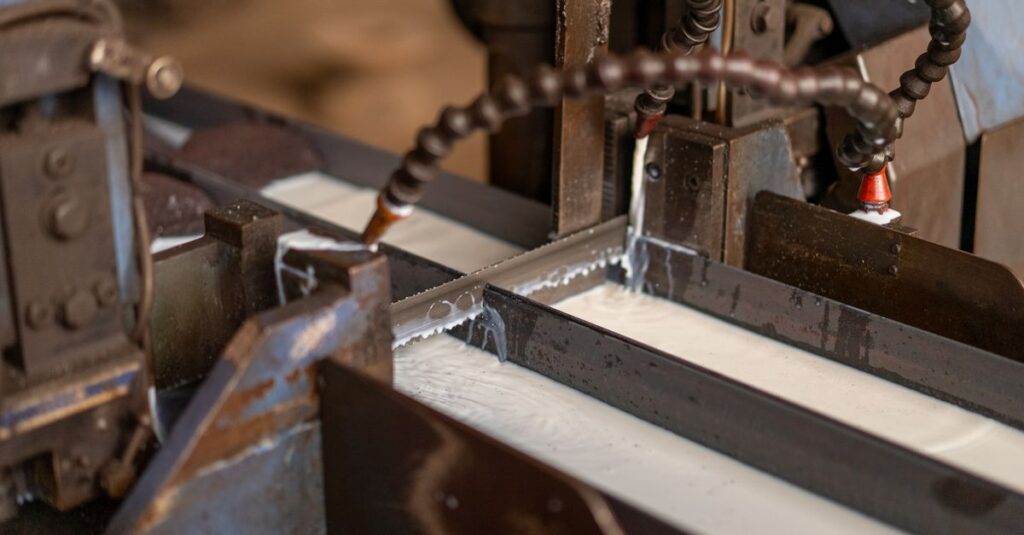
If you’re curious about what happens after you place an order — here’s a quick look. We start with paper rolls, cut to size, print the inner pages on offset machines. For diaries, we often pre-print the calendar and layout, then add the custom sections. The pages are gathered, collated, and bound — stitched or spiral depending on the order.
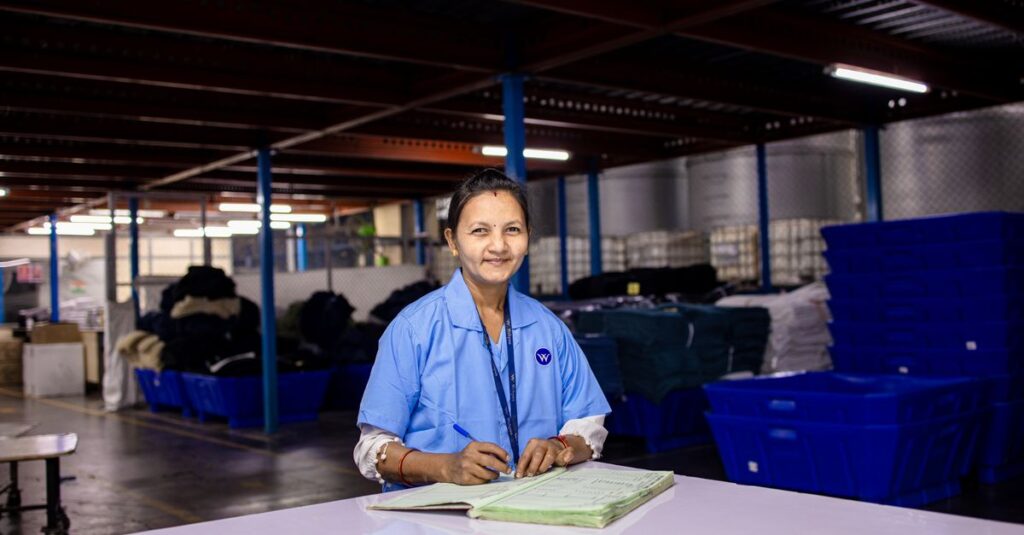
Every batch gets a quality check. I don’t mean just a glance — someone flips through each diary to check for missing pages, misprints, binding issues. It’s old-school, but it catches problems.
We produce about 30,000 to 40,000 notebooks and diaries a day. That’s a lot of books. But every custom order gets its own run — we don’t mix. If you order 1000 business diaries with your logo, they’re made together, start to finish.
One thing I hear a lot: “Can you really customise the inside pages?” Yes. We’ve done diaries with company policies in the front, area codes in the back, blank pages for notes, week-at-a-glance layouts. Whatever makes sense for your business.
If you want to talk specifics, give us a call or check out our story.
Frequently Asked Questions
What is the minimum order quantity for custom business diaries?
We usually start at 500 pieces for fully custom diaries. For simpler customisation like logo printing on an existing design, we can go as low as 100. Contact us with your requirements and we’ll let you know.
Can I get a sample before placing a bulk order?
Absolutely. We offer free samples of our standard business diaries. For custom designs, we can provide a digital mockup first and then a physical sample after approval. Just pay shipping.
What paper weight do you use for business diaries?
We use 60 GSM to 80 GSM paper depending on the order. For diaries where people will write with pens, 70 GSM is our sweet spot. It’s thick enough to avoid bleed-through but not so thick that the diary becomes bulky.
How long does it take to manufacture a custom business diary order?
Typically 15 to 20 working days after design approval. Rush orders are possible for an additional fee. We once did a 2000-piece order in 10 days — but that required overtime. Plan ahead.
Do you export business diaries to other countries?
Yes. We ship to the Gulf, Africa, USA, UK, Europe, Australia, and Asia Pacific. We handle all the export documentation. Just let us know your country and quantity and we’ll quote with shipping.
Final Thoughts
Two things to take away: First, a business diary is not a notebook with a pretty cover. It’s a tool that your team will use every day for a year — make sure it’s built for that. Second, customisation is not a luxury. It’s how you get a diary that actually fits your workflow.
I don’t think there’s one perfect diary for every company. But if you understand what you need — binding, paper, layout, quantity — the rest is just execution. You already know what’s wrong with the diaries you’re using now. That’s your starting point.
If you’re ready to talk, Sri Rama Notebooks is here. We’ve been doing this for 40 years. We probably have answers.