What Does Digital Transformation Actually Look Like?
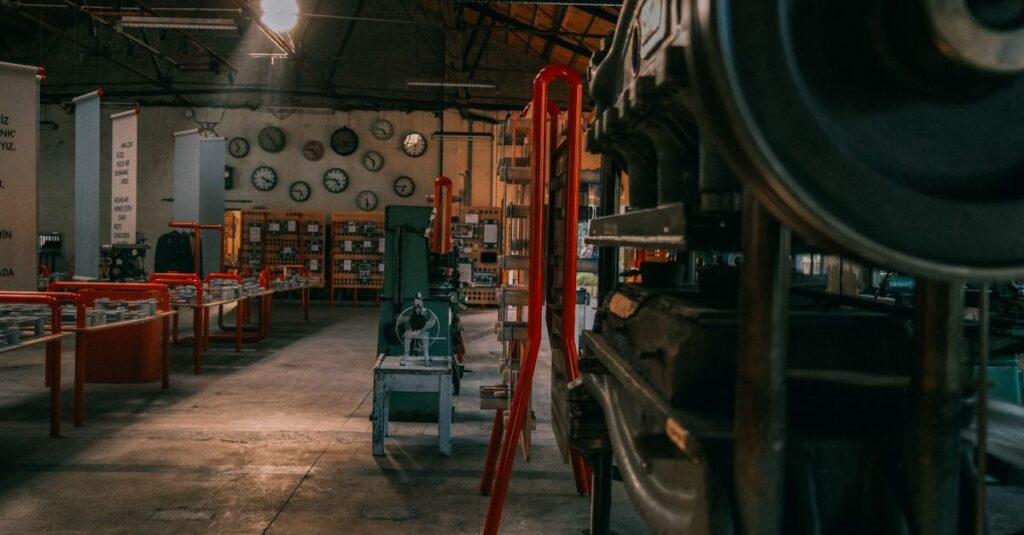
I remember walking into our factory floor ten years ago. The sound was different — more metal, less hum. Machines ran manually. If you wanted a proof, you waited. Sometimes a day. Sometimes longer.
Digital transformation is changing printing factories in ways I didn’t expect. It’s not just about faster machines. It’s about how decisions get made. How we catch errors before they happen.
Here at Sri Rama Notebooks, we’ve lived through this shift. And honestly, it’s been messy. But necessary.
Take pre-press, for example. We used to have film and plates, chemical baths, light tables. Now it’s all digital files — PDFs, color profiles, automated imposition.
Meet Ravi, 45, one of our press operators. He’s been here since 1999. When we first got a CTP machine, he was skeptical. “I can’t trust a computer with color,” he said. But after a few weeks, he admitted the registration was tighter than anything he’d done by hand. Now he trains new operators.
Digital transformation isn’t about replacing people. It’s about giving them tools they didn’t have.
The Areas Where Digital Has Made the Biggest Difference
Not every part of a printing factory changes at the same speed. Some things stay stubbornly manual. But a few areas have shifted dramatically.
- Prepress: From film and chemicals to PDF workflows and CTP plates. Setup time cut in half.
- Automated cutting: We used to have three guys on a guillotine. Now one person runs a programmed cutter.
- Real-time inventory: ERP systems track every reel of paper. No more “we thought we had 200 reams.”
- Digital proofing: Customers approve proofs online. No couriers, no delays.
Here’s a quick comparison of how traditional and digital methods stack up for a typical notebook order:
| Aspect | Traditional | Digital |
|---|---|---|
| Prepress setup | Film, chemical bath, manual alignment | PDF direct to CTP, automated registration |
| Proofing | Analog proof, 2–3 days turnaround | Digital proof, hours |
| Inventory tracking | Hand-counted paper stock | ERP with barcode scanning, live updates |
| Order management | Paper forms, phone calls, manual entry | Online portal, automated workflows |
| Quality control | Human check at end of run | Inline sensors, immediate feedback |
Which is not to say digital is always better. Sometimes a manual check catches something a sensor misses. But on balance, the shift has been positive.
The Hardest Part? Getting People to Change
I think about a conversation I had with Prakash, our production manager. He told me once: “The machines are faster, but the old guys know things the computer doesn’t. Like the way paper feels on a humid day.”
That stuck with me. Digital can’t replace that. But it can work alongside it.
Expert Insight
I was talking to an industry friend last month — he runs a smaller press in Vijayawada. He said the biggest surprise wasn’t the cost of new equipment. It was how long it took to convince his best operator to use the new system. “He kept going back to the old way,” he said. “Took six months before he trusted the digital registration.” That’s the human side nobody talks about.
Digital transformation isn’t a software update. It’s a shift in habits. And habits take time.
What This Means for Buyers
For anyone ordering notebooks in bulk — schools, corporates, distributors — digital transformation means better consistency. Less waste. Faster delivery.
- Shorter lead times: Automated prepress and scheduling cut weeks off the old timeline.
- Better color matching: Digital proofing catches errors before the press runs.
- More customization options: Digital setups allow quick changes between orders, so small runs and private labels become feasible.
But here’s the thing we’ve learned: digital tools are only as good as the people using them. A bad operator can ruin a perfect digital file. So when you choose a supplier, ask about training, not just machines.
The Future – and What It Means for Notebook Manufacturing
I don’t think digital transformation will ever make printing factories fully automated. That’s not the goal. The goal is to make the work smarter, not to eliminate the humans.
We’ll see more integration between ordering systems and production. Real-time tracking for customers. Possibly even AI-driven color correction. But the core of what we do — making notebooks that feel good to write in — that won’t change.
And honestly? That’s fine by me.
Frequently Asked Questions
Does digital transformation reduce waste in printing factories?
Yes. Automated setup and inline sensors catch misregistration and color errors early, so fewer sheets are wasted. Digital proofing also eliminates costly reprints.
Will digital printing replace offset printing completely?
Not for high-volume jobs like notebooks. Offset is still cheaper per unit for runs of 10,000+. Digital is better for short runs and variable data printing like custom diaries.
How does digital transformation affect order lead times?
Digital workflows cut prepress from days to hours, and automated scheduling reduces idle time. Many factories now deliver custom orders in 2–3 weeks instead of 4–6.
What are the main challenges of implementing digital transformation?
Cost of new equipment, training staff, and overcoming resistance to change. The human factor is often the hardest part, not the technology.
Should buyers only work with digitally transformed factories?
Not necessarily. A well-run traditional factory can still produce quality notebooks. But digital transformation usually means faster, more consistent results and better customization.
Conclusion
Look, digital transformation is not a destination. It’s a constant adjustment. We’re not going to be fully automated anytime soon — and I’m not sure that’s even the goal. The question is whether we’re moving in the right direction. I think we are.
If you’re looking for a notebook manufacturer that’s embracing the change, check us out.