Why Trust & Transparency Matter in B2B Manufacturing
You know that feeling when you place a bulk order, tell your stakeholders it's handled, and then the shipment arrives and it's not what you expected. The paper feels thinner. The binding is loose. The cover looks washed out.
Now you're stuck.
I've seen it happen a hundred times. Not just with notebooks, but across B2B manufacturing. The promise and the delivery don't match. And most of the time, nobody talked about it upfront.
That's why trust and transparency matter in B2B manufacturing. It's not about marketing. It's about making sure both sides know exactly what they're getting into. No surprises. No last-minute changes. Just honest work.
If that sounds like something you're looking for, Sri Rama Notebooks has been doing it this way since 1985.
The Real Cost of a Broken Promise
Here's what happens when trust breaks down in a B2B deal. I'm not talking about the big contract disputes. I'm talking about the small, daily stuff that eats away at a relationship.
- Samples are perfect, but production units are not the same.
- Deadlines slip without warning.
- Quality drops somewhere in the middle of the batch.
- Communication goes silent after payment.
Each one seems minor. But put them together, and you've got a relationship that's basically running on fumes. The buyer starts double-checking everything. And honestly? The supplier probably knows it's happening.
I think about this a lot. Because the biggest cost isn't the money lost. It's the time and energy spent cleaning up messes that should never have happened.
What Transparency Looks Like on the Factory Floor
Let me tell you about Rajesh. He's 45, a procurement manager from Hyderabad. Three years ago, he visited our factory in Rajahmundry. He didn't tell us he was coming. Just showed up.
I remember it was a Thursday afternoon. I was in the middle of checking a batch of spiral notebooks. He walked in, introduced himself, and said he wanted to see where his notebooks would be made.
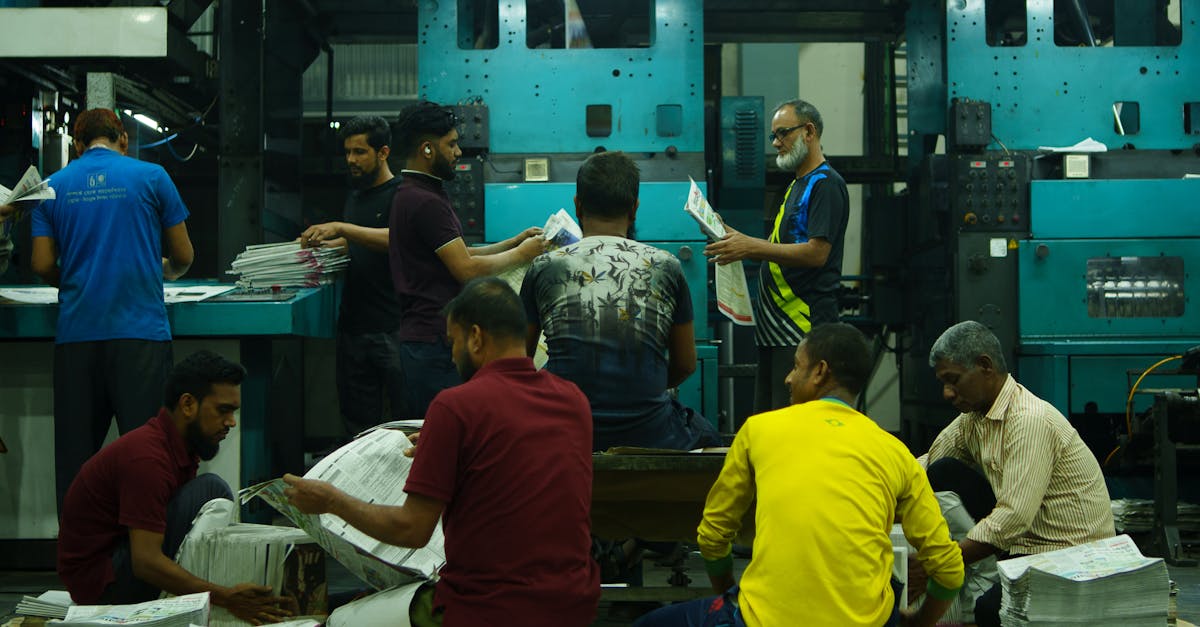
I gave him a cap and took him around. Showed him the paper rolls, the cutting machines, the binding section. He saw a few rejected notebooks in a basket. Asked why. I told him the truth — the stitching was off on those. He nodded. Didn't ask more.
He placed the order that week. Not because our factory was perfect. But because we didn't try to hide the imperfections.
That's what transparency is. It's messy. It's uncomfortable. But it works.
Trust vs. Transparency: Why Both Matter (And One Without the Other Fails)
Some suppliers sell trust. They say all the right things. But they won't let you see the production process. Others are completely open about everything — but they can't deliver consistently.
Neither works alone. Here's a comparison to show why.
| Factor | Trust-Only Supplier | Transparency-Only Supplier | Both (What We Aim For) |
|---|---|---|---|
| Quality claims vs. reality | Samples perfect, bulk inconsistent | Admits flaws but doesn't fix them | Explains what's possible and delivers it |
| Communication | Friendly until payment, then slow | Over-communicates but no follow-through | Honest updates, even when bad news |
| Lead times | Promises dates they can't keep | Gives realistic estimates but misses them | Sets achievable deadlines and meets them |
| Customization | Says anything is possible | Shows limitations but offers no solution | Works with you to find what actually works |
| After-sales | Ignores post-delivery issues | Blames you for misunderstanding | Stands behind the product, period |
The point is clear. You need both. Trust without transparency is a fairy tale. Transparency without trust is just noise.
One Deal That Changed How I Think About Trust
Expert Insight
I remember an order from a school in Visakhapatnam, around 2018. The principal wanted a custom notebook with 70 GSM paper. We use 54 GSM standard. I knew 70 GSM would make the notebook too thick for their planned 200 pages, and the binding would break.
I could have taken the order. It was a good amount. But I said no. Explained why. Suggested a different layout.
He was quiet for a moment. Then he said, “No one's ever done that before.”
We got the order anyway — the revised version. And they've been ordering every year since.
That taught me something. Real trust isn't about saying yes to everything. It's about saying no when it matters. Most people don't have the guts for that.
The Uncomfortable Truth About B2B Buying
Here's something I don't hear people talk about enough. Some buyers think transparency means they should get everything for cheap. Like if we open our books, they can squeeze the price.
That's not how it works. Transparency is about alignment, not discounts.
When we share our paper costs, our production time, our rejection rates, we're saying: here's what goes into making your notebooks. If you want cheaper, we can show you what would change. Lower GSM. Simpler binding. Fewer colors on cover.
And you can decide. That's real transparency.
But it also means you trust that we're giving you a fair price. If you're always looking for the absolute lowest cost, you're probably going to get burned. Because someone else will say yes to everything — until the shipment arrives.
I don't have a clean answer for that. But I know that long-term buyers eventually stop price-shopping. They look for reliability.
How to Know If a Manufacturer Values Transparency
Look, I'll be direct. You can tell a lot by the first phone call.
- Do they answer your questions clearly, or dance around them?
- Do they offer to send samples without pressure?
- Do they talk about what they can't do, as much as what they can?
- Do they invite you to visit the factory?
If the answer is no to any of these, that's a red flag.
I know this because I've had buyers tell me later: “I wish I had asked these questions earlier.”
And honestly? I'm glad we ask them now. It saves both sides a lot of headaches.
If you're considering a bulk order of notebooks or diaries, Sri Rama Notebooks welcomes questions. We'd rather you ask now than regret later.
Frequently Asked Questions
Why is trust important in B2B manufacturing?
Trust reduces risk. When you trust a supplier, you spend less time checking every detail and more time planning. It also prevents costly misunderstandings about quality and deadlines.
What does transparency mean in a notebook factory?
It means you can see the process. We share paper samples, let you visit the factory, explain our rejection rates, and tell you honestly what we can and cannot deliver. No hidden surprises.
How can I check if a manufacturer is transparent?
Ask for a factory tour (in person or video call). Request random samples from a past batch. Ask about their quality checks. A transparent manufacturer will show you everything, including the flaws.
Does transparency mean I get a lower price?
Not necessarily. Transparency helps you understand what you're paying for. It allows you to make informed decisions about trade-offs. The price is fair for the specifications, not the cheapest possible.
Why does Sri Rama Notebooks focus on trust and transparency?
Because we've been doing this since 1985. We've seen the damage when promises are broken. We want repeat customers, not one-time deals. Being honest is the only way to build long-term relationships.
I don't think there's a perfect formula for trust in B2B manufacturing. Probably there isn't. But if you've read this far, you already know what matters: finding someone who will tell you the truth, even when it costs them a sale.
That's what we try to do at Sri Rama Notebooks. If that sounds like the kind of supplier you need, give us a call. No hard sell. Just an honest conversation.