

Why Most People Get the A5 Cover Wrong
You order a thousand notebooks. Everyone checks the paper. The binding. The ruling. But the cover? That's an afterthought. Until the first batch arrives and the corners are peeling after a week. I've seen it happen. The a5 cover is where the real money goes — and where most corners get cut. If you're buying bulk, you need to know what you're actually paying for. Sri Rama Notebooks has been making these for 40 years, so here's what I've learned.
What Actually Makes a Good A5 Cover?
It's not just about thickness. Nine times out of ten, people ask for "heavy cover" without knowing what that means. Hardness isn't the same as durability. An A5 cover needs to flex without cracking. It needs to hold up to being shoved in a bag. And it needs to take print — or foil, or embossing — without looking like a cheap afterthought.
Here's what I look for:
- GSM weight — 250 to 350 GSM is standard for a decent A5 notebook cover. Below that, it feels flimsy.
- Coating — Matte or gloss lamination protects against scratches and moisture. Uncoated paperboard looks nice but won't last.
- Folding strength — The spine area. A bad cover cracks here after a few opens.
- Printability — Not all paper stocks hold ink the same. Ask for a proof before bulk production.
But that's the technical side. The real test? Hand it to someone who uses notebooks daily. They'll feel the difference.
Comparison Table: Common A5 Cover Materials
| Material | GSM Range | Durability | Print Quality | Best For |
|---|---|---|---|---|
| Art Paper (coated) | 250–300 | Medium | Excellent | Color logos, corporate diaries |
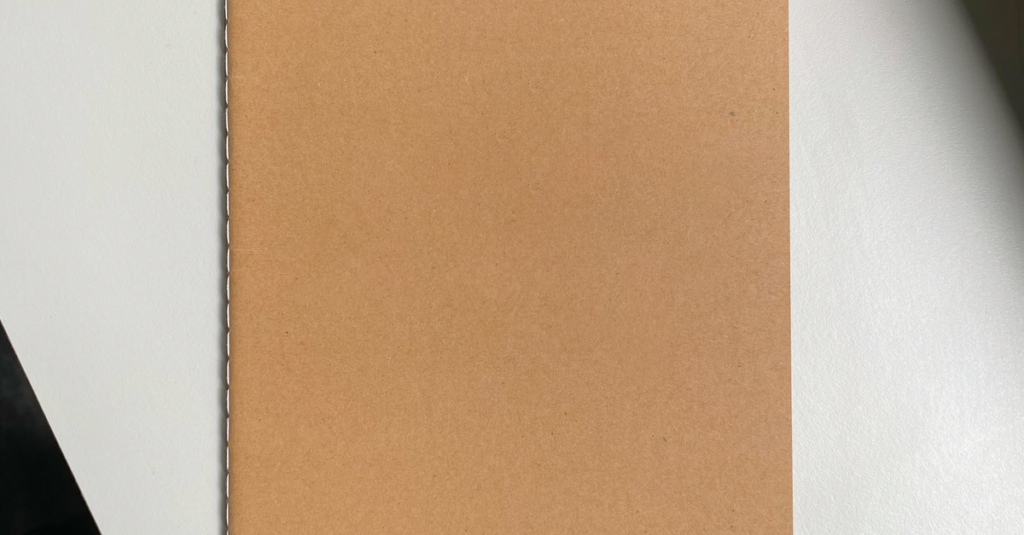
| Kraft Paper | 200–280 | Low | Good | Eco-friendly, school notebooks |
| Laminated Paperboard | 300–350 | High | Very good | Everyday use, bulk orders |
| Leatherette / PU | N/A | Very high | Foil stamping only | Premium diaries, corporate gifts |
| Plastic / PVC | N/A | Extreme | Limited | Durable notebooks, outdoor use |
Customization: Where the A5 Cover Becomes Your Brand
I was talking to a procurement manager last week — over chai, actually — and she said something that stuck. "The cover is the first thing people see. If it looks cheap, they assume the notebook is cheap." She's right. Customizing an A5 cover is one of the cheapest ways to make your brand feel premium.
You can do:
- Logo printing (offset or digital)
- Foil stamping (gold, silver, copper)
- Embossing / debossing
- Spot UV gloss
- Custom die-cut shapes
But here's the catch — each option changes the cost. Foil stamping adds a step. Spot UV needs a separate plate. If you're ordering 10,000 units, the per-unit difference is tiny. For 500 units? It adds up. Our printing services page breaks down what's possible. But honestly, the best way is to call and talk through your design.
A Story: When the Cover Didn't Match the Promise
Ravi, 34, procurement manager at a chain of 12 schools in Vijayawada. He ordered 5,000 A5 notebooks for the new academic year. The sample looked great — thick cover, nice print. The bulk order arrived six weeks later. The covers were a different shade. Slightly thinner. The corners curled within a week. He didn't check the production proof. He didn't ask for a bulk sample. He trusted the sample. That trust cost him the school year. He called us the next year. We sent him three bulk samples before he signed. That's the right way to do it.
Expert Insight: What I've Learned About A5 Cover Durability
I remember a conversation with our production manager — must have been 2015 — about why some covers crack at the spine. He said something I still think about: "It's not about the weight. It's about the fold. You can have 400 GSM paper that breaks after ten opens. Or 250 GSM that lasts a year. The difference is in the grain direction and the lamination." I don't have a cleaner way to say it. Most people focus on thickness. They should focus on construction. The A5 cover is a piece of engineering, not just a piece of paper.
How to Choose the Right A5 Cover Manufacturer
Look, I'll be direct. Not every factory can do a good A5 cover. Some can print. Some can bind. Few can do both well. When you're talking to a manufacturer, ask these three questions:
- Do you have a dedicated cover finishing department? (Not just a guillotine.)
- Can you show me a reference order with the same finish I want?
- What's your rejection rate on covers during production?
If they hesitate on any of them, walk away. Sri Rama Notebooks has been doing this since 1985. We don't hesitate. Check our products — we make A5 covers for schools, corporates, and export markets. And honestly, I think the reason we've lasted this long is because we treat the cover as seriously as the paper inside.
Frequently Asked Questions
What is the standard GSM for an A5 cover?
Most bulk A5 notebooks use 250 to 350 GSM cover paper. For school notebooks, 250 GSM is common. For corporate diaries, 300–350 GSM with lamination gives a premium feel. Always ask for a sample before ordering.
Can I get a custom printed A5 cover for my company logo?
Yes. Most manufacturers offer offset or digital printing on A5 covers. You can also add foil stamping, embossing, or spot UV. Send your artwork file (preferably vector) for a proof before production.
What is the difference between a laminated and non-laminated A5 cover?
Lamination adds a thin plastic layer (matte or gloss) that protects against scratches, moisture, and wear. Non-laminated covers are cheaper but soil easily and corners curl. For bulk orders, lamination is worth the extra cost.
How long does it take to manufacture bulk A5 notebooks with custom covers?
Typically 2–4 weeks depending on volume and complexity. For 10,000 units with offset printing and lamination, expect around 3 weeks. Rush orders are possible if the factory has capacity. Always confirm lead time before placing an order.
What should I check in a sample of an A5 cover before bulk order?
Check the paper thickness, fold strength at the spine, print color accuracy, and lamination finish. Also test how the cover feels after flexing it 20–30 times. If it shows creases or cracks, reject the material.
Conclusion
The A5 cover is the first thing people touch. It's also the first thing that fails if you don't pay attention. Two things matter: the material and the construction. Everything else — print, finish, design — is secondary. I don't think there's one perfect cover for everyone. Probably there isn't. But if you've read this far, you know what to ask. Now go ask it. Sri Rama Notebooks can help.