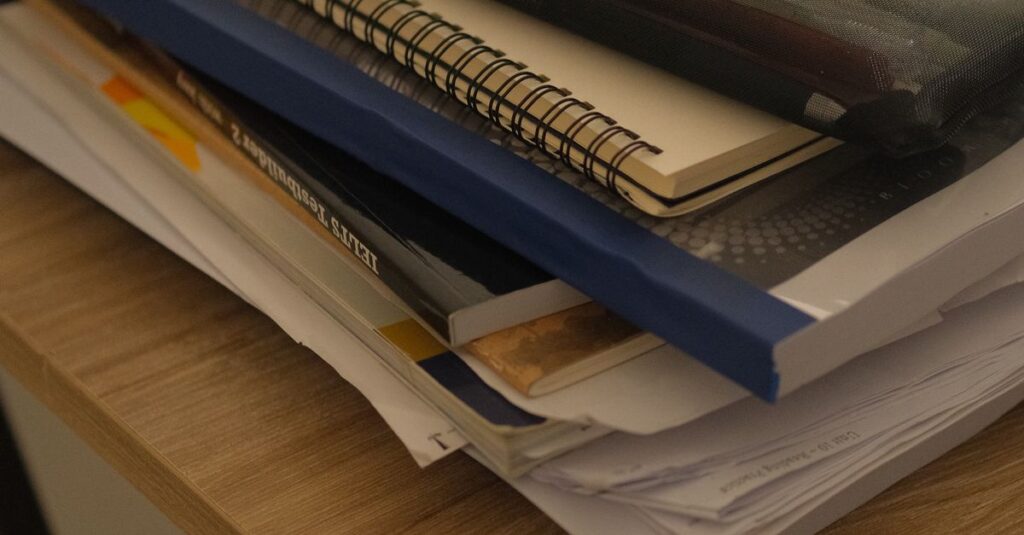
What Exactly Is an A4 Cover?
Let's be honest — when people say “A4 cover”, half the time they're not even sure what they're asking for. I've seen it happen more times than I can count. Someone walks in and says, “I need an A4 cover.” And I have to stop and ask: For what?
Because here's the thing — an A4 cover can mean different things depending on what you're doing. Are you protecting a document? Binding a notebook? Sending a proposal to a client? Each one needs something different.
At Sri Rama Notebooks, we've been making notebooks since 1985. I've seen every kind of cover request you can imagine. So let me break this down properly — no jargon, no fluff.
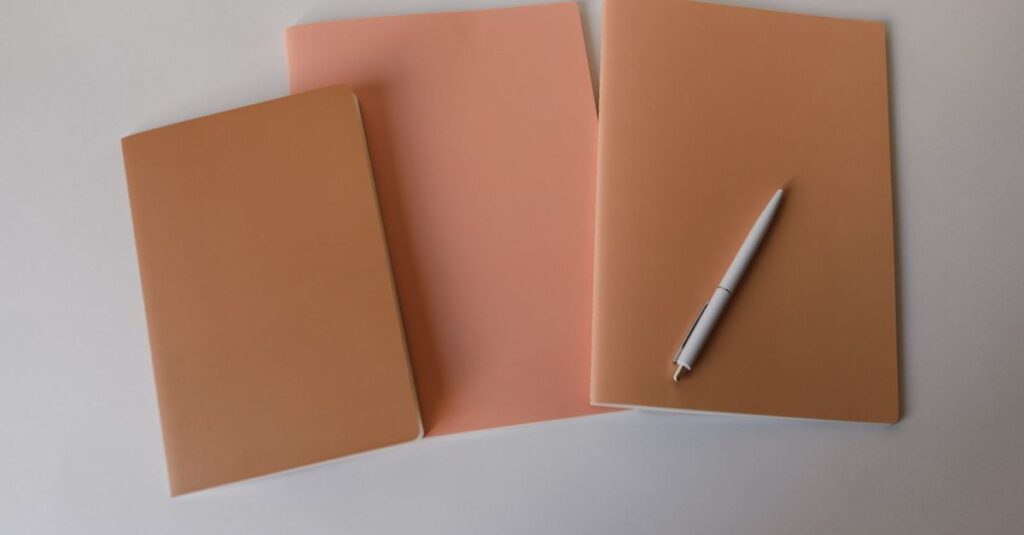
An A4 cover is basically the outer layer of anything sized A4. Could be a notebook cover, a document folder, a presentation binder, or a protective sleeve. The size itself is 210mm x 297mm — that's standard international paper size. But the cover is a different story.
The cover has to be slightly bigger than the pages inside. Otherwise the edges get damaged. That tiny overhang — about 2-3mm on each side — makes all the difference. Most people don't think about it until their notebooks start looking beaten up after a month.
I once had a client who ordered 5000 notebooks for a school. The covers were exactly page-size. Three months later they called back, angry. Every notebook edge was curling. Not my fault, honestly. But I get it — they didn't know.
Types of A4 Covers People Actually Use
Not all A4 covers are the same. This is where most buyers mess up. They see “A4 cover” and think it's one product. It's not. It's a category.
Here's what I see most often in the industry:
Paperboard Covers (The Common Ones)
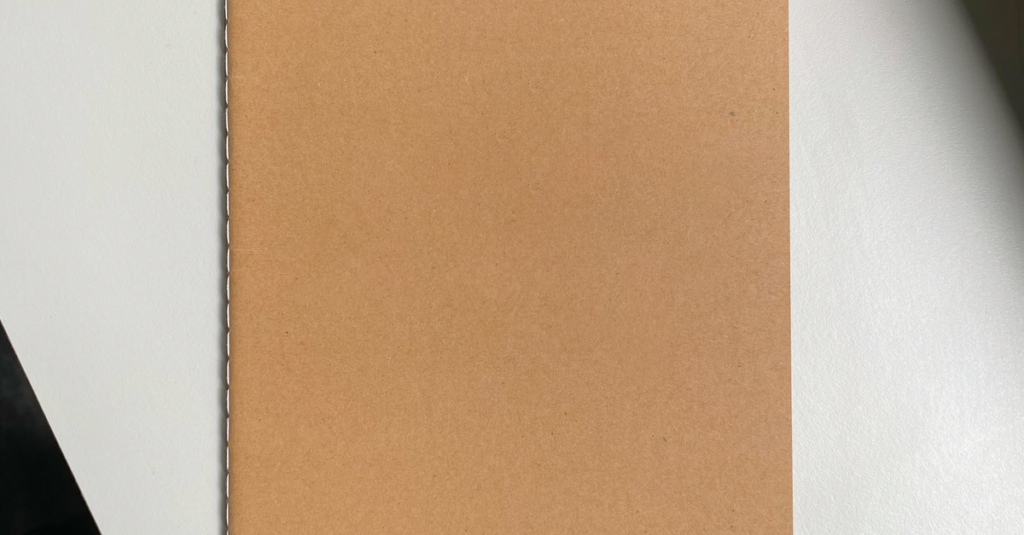
These are the standard covers you see on school notebooks and office pads. Thick paperboard, usually between 200-300 GSM. Printed with designs, brand logos, or sometimes nothing at all. Cheap to produce, lightweight, but not very durable. Expect 6-12 months of daily use before damage shows.
Most schools in India use these. Cost-effective for bulk orders.
Hardbound Covers
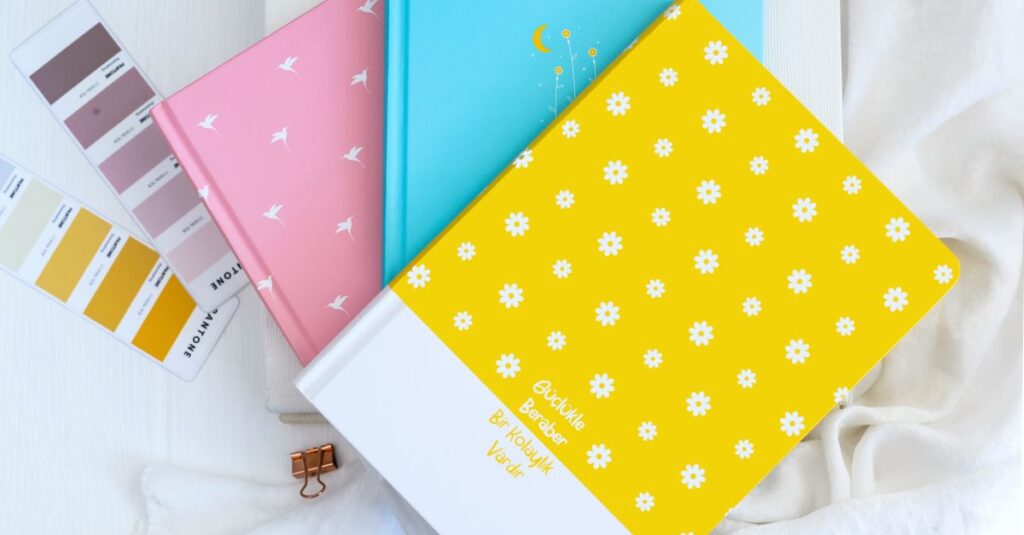
This is what you want if longevity matters. Thick cardboard wrapped in paper, cloth, or leather-like material. The covers don't bend. The corners stay sharp. These go on diaries, account books, and premium notebooks.
Hardbound A4 covers cost more — about 2-3 times a paperboard cover — but they last years. I've seen corporate diaries from 2010 still looking decent.
Plastic / PVC Covers
Water-resistant. Flexible. Often transparent or semi-transparent. Used for presentation folders, project reports, and spiral-bound notebooks for students. The material is polypropylene or PVC, usually 0.2mm to 0.5mm thick.
Honestly, I'm not a fan of PVC for notebooks. It doesn't breathe. Pages can get clammy inside. But for document covers? Works fine.
Comparison Table
| Cover Type | Material | Lifespan (Daily Use) | Best For | Price Range (Per Unit in Bulk) |
|---|---|---|---|---|
| Paperboard | 200-300 GSM card | 6-12 months | School notebooks, pads | Rs. 3-8 |
| Hardbound | Cardboard + cloth/paper | 3-5 years | Diaries, account books | Rs. 15-40 |
| Plastic/PVC | Polypropylene or PVC | 1-2 years | Folders, reports | Rs. 5-15 |
| Leather/ PU | Genuine or synthetic leather | 5-10 years | Corporate diaries, gifts | Rs. 50-200 |
I think — and I could be wrong — that most people overspend on covers. They buy hardbound when paperboard would do. Or they buy cheap plastic when they need hardbound. Match the cover to the use, not to the price.
What Goes Into a Good A4 Cover?
Look, I've seen covers from dozens of manufacturers over 40 years. Some things matter. Some don't. Let me tell you what I've noticed.
Material Thickness
For paperboard: minimum 250 GSM. Below that, the cover feels flimsy. You press on it and it bends. For hardbound: the cardboard should be at least 1.5mm thick. Any less and the binding breaks down faster.
I remember visiting a factory in Vijayawada years ago. They were using 180 GSM cover paper. The notebooks looked fine on the shelf. Felt light. I asked the owner why. He said cost. Six months later I heard his returns were high. The covers were curling like potato chips.
Printing & Finish
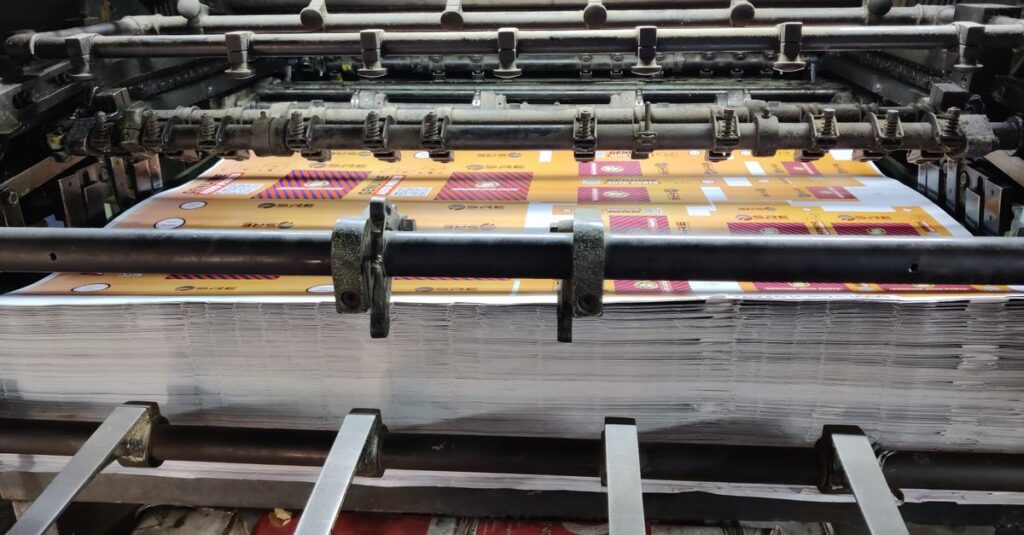
Offset printing gives the best quality for bulk orders. Covers come out consistent. Colors match. Digital printing is fine for small runs but wears faster.
For finishes: matte lamination looks professional but shows fingerprints. Glossy looks bright but scratches easily. UV spot coating — that partial glossy coat — is my personal favorite. Adds texture without the downsides.
Here's a thing nobody tells you: the finish affects how the cover feels. And people judge notebooks by the cover. They do. I've watched customers in retail shops pick up different notebooks and put them down based on feel alone. Don't ignore texture.
How to Choose the Right A4 Cover for Your Needs
This is where I see procurement managers make the same mistake. They look at price first. Then design. Then maybe material. That order is wrong.
Step 1: Define the Lifespan
- Short-term (1-3 months): Paperboard cover. School notebooks, event pads, temporary use.
- Medium-term (3-12 months): Paperboard with lamination. Office notebooks, student workbooks.
- Long-term (1+ years): Hardbound or Leather. Diaries, account books, corporate gifts.
Step 2: Consider the Environment
Is it going in a school bag? Get lamination. Is it sitting on a desk? Paperboard is fine. Is it going to humid areas like coastal cities? Hardbound with waterproof coating. I've seen notebooks from Kerala arrive with mold on the covers. Not a great look.
Step 3: Customization Needs
Logo printing. Embossing. Foil stamping. These all affect choice. For foil stamping, the cover material needs to be smooth and slightly absorbent. Rough textures don't take foil well.
At Sri Rama Notebooks, we do custom cover design in-house. I've watched our team work on covers for a Dubai client — they wanted gold foil on navy blue hardbound. Looked sharp. But the material choice mattered. A different finish would have ruined the foil.
Expert Insight
I was talking to our production manager last week — Raju, he's been with us 22 years — and he mentioned something I hadn't thought about. He said the best covers aren't the thickest or the prettiest. They're the ones where the binding matches the cover weight.
He showed me a batch that came back from a client. Beautiful hardbound covers. But the stitching was too weak for the cover weight. After three months of use, the covers were fine but the pages had detached. The client blamed the cover. The problem was the binding.
I don't have a cleaner way to put it than that. The cover is only as good as what holds it together.
Real-Life Micro-Story
Anita, 34, procurement manager at a chain of 12 schools in Hyderabad. She ordered A4 notebooks for 3000 students last year. Chose paperboard covers with lamination — good choice. But she didn't check the GSM. The supplier used 200 GSM. By November, half the notebooks from the junior classes had torn covers. Kids are rough. She called me in February. We supplied replacements with 300 GSM covers. No complaints since. She sends me an email every year now. Just to say thanks.
Frequently Asked Questions
Frequently Asked Questions
What size is an A4 cover in mm?
An A4 cover is typically 216mm x 303mm — slightly larger than A4 paper (210mm x 297mm). The extra 3mm on each side protects page edges from damage. This overhang is standard across the industry.
What GSM should an A4 cover be?
For standard notebooks, 250-300 GSM is ideal. Below 250 GSM feels flimsy. Above 350 GSM becomes hard to fold and bind. Hardbound covers use 1.5mm to 3mm cardboard underneath the outer material.
Can I get custom printed A4 covers for my business?
Yes. Most manufacturers offer custom printing, embossing, foil stamping, and lamination. Minimum order quantities vary — typically 500-1000 units for cost-effective pricing. Check with your manufacturer about setup costs for custom dies if you need embossing.
What is the difference between an A4 cover and an A4 folder?
An A4 cover is usually a bound or attached outer layer for a notebook or document block. An A4 folder is a separate product — typically with pockets — for storing loose papers. Different purposes, same size format.
How long does a hardbound A4 cover last?
With normal use, 3-5 years. With care, 5-10 years. The cover itself can last longer than the pages inside. Many people reuse hardbound covers by replacing the inner pages. This is common in account books and diaries.
Conclusion
An A4 cover isn't complicated. It's just a protective outer layer for your paper. But the right choice depends on how long you need it to last, where it's going, and what you want it to look like. Three things are non-negotiable: the material thickness, the finish quality, and the binding strength. If those are right, the cover will do its job.
I don't think there's one perfect A4 cover. Probably there isn't. Different needs, different budgets. But if you want something that won't fall apart in three months, get the basics right. Everything else is preference.
If you're looking for bulk A4 covers or notebooks, Sri Rama Notebooks can help. 40 years in the business means we've made just about every kind of cover you can need.