What Exactly Is Large Format Printing?
You walk into a school auditorium and see that giant banner welcoming everyone. Or you notice the massive poster outside a store advertising a sale. That's large format printing. But let's be honest — most people don't know what it actually involves.
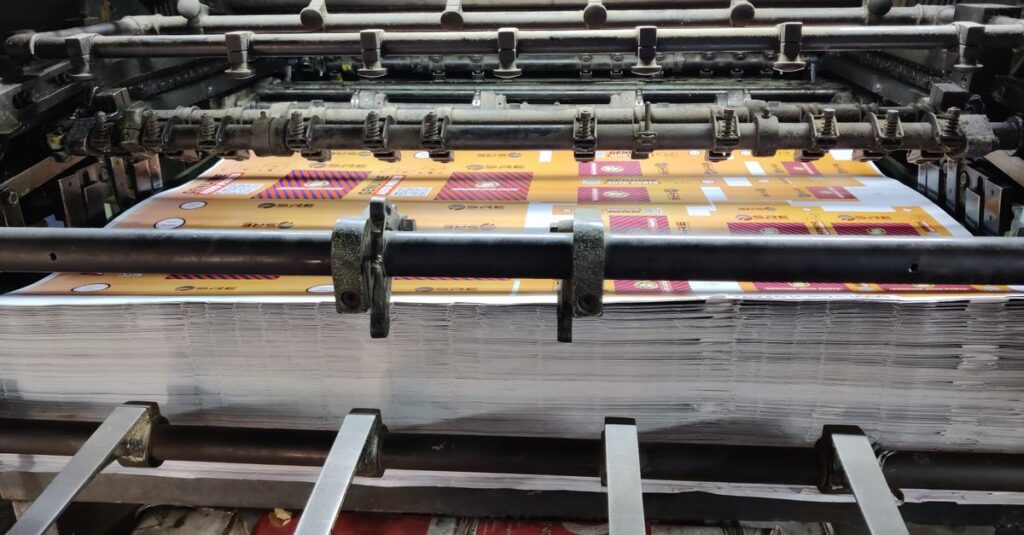
Large format printing simply means printing on a bigger scale than your office printer can handle. We're talking widths over 18 inches, sometimes up to several feet. The machines use rolls of paper, vinyl, or other materials instead of single sheets. And the output? Sharp, colorful, and built to grab attention.
Now here's where it gets interesting for someone like you who deals with notebooks and stationery. At Sri Rama Notebooks, we've used large format printing to print custom notebook covers, educational charts, and promotional banners for schools and businesses. So what is large format printing used for in real life? Let me show you.
Common Applications of Large Format Printing
The list is longer than you'd think. Large format printing isn't just for outdoor billboards. It's everywhere:
- Banners and signage — event banners, trade show displays, storefront signs.
- Posters — movie posters, classroom charts, motivational quotes for offices.
- Wall murals — full-wall graphics for offices or retail spaces.
- Vehicle wraps — full-color graphics on cars, vans, trucks.
- Backlit displays — lightbox signs for restaurants and malls.
- Canvas prints — art reproductions for galleries or home decor.
- Floor graphics — promotional decals on supermarket floors.
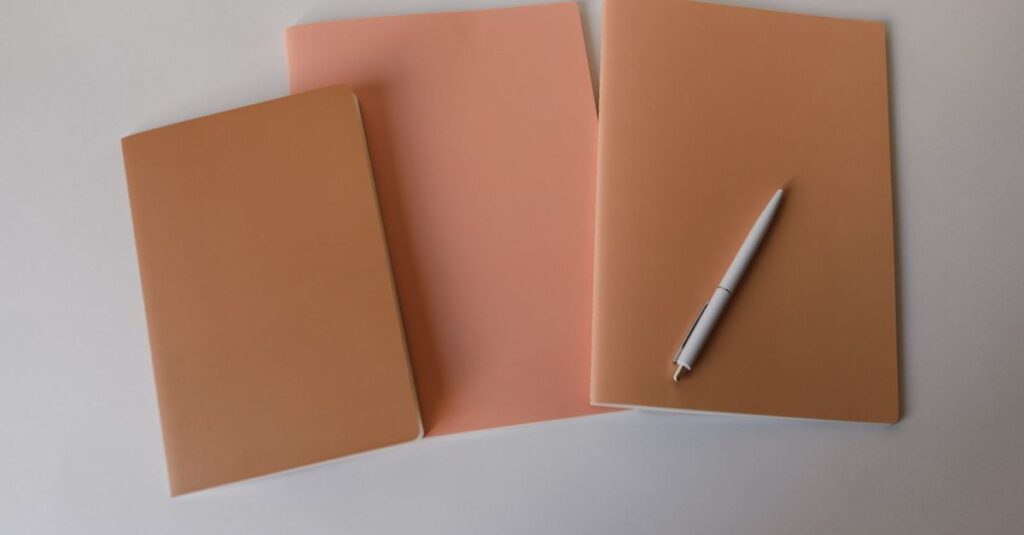
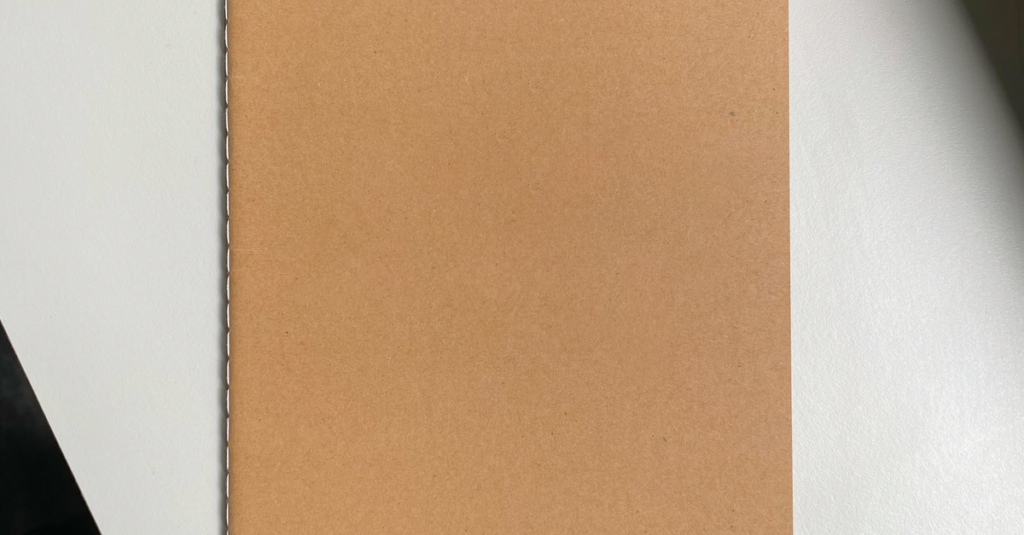
- Notebook covers — yes, we print custom covers for bulk orders using large format printers.
Take Ramesh, for example. He's 42, procurement manager at a private school in Rajahmundry. Every year, he orders notebooks for 3,000 students. Last year, he wanted the school logo and motto printed on every cover. Standard small-format printing wasn't cost-effective for that job. Large format printing allowed us to print full-bleed designs onto the cover sheets before binding. The result: custom notebooks that looked like premium products, at a price that didn't break the school's budget.
That's one use case. But the applications go far beyond notebooks.
Large Format Printing vs Standard Printing: A Comparison
| Feature | Large Format Printing | Standard Printing |
|---|---|---|
| Maximum size | Up to several feet wide and long | Usually A3 (16.5″ x 11.7″) or smaller |
| Materials | Vinyl, canvas, fabric, adhesive films, rigid boards | Paper, thin cardstock |
| Best for | Banners, posters, signage, custom covers | Documents, flyers, brochures, notebooks inner pages |
| Print resolution | High — up to 1200+ dpi for crisp images | Moderate — typically 600-1200 dpi |
| Cost per piece | Higher per unit, but lower for large one-off prints | Lower per unit for high-volume runs |
| Durability | Water-resistant, UV-protected options available | Generally not weather-resistant |
| Turnaround time | Fast for small quantities; slower for massive rolls | Fast for high-volume runs; slower for small batches |
So if you need one giant sign for an event, large format wins. If you need 10,000 flyers, standard printing is cheaper.
Why Schools and Businesses Rely on Large Format Printing
Schools need more than just notebooks. They need banners for annual days, charts for classrooms, posters for notice boards. Businesses need trade show displays, roll-up banners, and wall graphics for their offices. Large format printing makes all of that possible in one place.
I remember visiting a print shop in Hyderabad years ago. The owner showed me a machine that could print a 4-foot-wide image continuously. He said, “A school ordered 200 custom charts for their science lab — each chart had detailed diagrams. Regular printing would have taken days and cost double. We did it in one afternoon.”
Expert Insight
I was talking to a procurement officer last month — over chai, actually — and he told me something that stuck. He said the biggest mistake people make is thinking large format printing is only for “big stuff.” But look: a notebook cover is only slightly larger than a letter-size sheet. Yet if you want a full-color custom design with bleeds and coatings, large format printers do it better and faster than offset for small runs. I think — and I could be wrong — that many stationery buyers overlook this option. They assume custom covers are too expensive. But with large format printing, a school can get 500 unique covers without paying setup fees for offset plates. That's a real saving.
And honestly? That makes complete sense.
Choosing the Right Large Format Printing Partner
Not all printing companies are the same. Some specialize in billboards, others in fine art. But if you're a school or business looking for custom notebooks plus banners and posters, you want a partner who understands both worlds.
Here's what to look for:
- Experience with different substrates — can they print on paper, vinyl, and fabric?
- Color accuracy — do they use color management to match your brand colors?
- Turnaround time — can they deliver 500 custom notebook covers in a week?
- Bulk capabilities — if you need 10,000 notebooks with custom covers, can they handle it?
- Quality of finishing — lamination, cutting, mounting — these matter.
At Sri Rama Notebooks, we combine large format printing with our binding and finishing line. That means we can print your cover design, laminate it, and bind it into a notebook — all under one roof. No back-and-forth between vendors.
But that's a separate thing. Let me get back on track.
Frequently Asked Questions
What is large format printing used for in schools?
Schools use it for banners, posters, educational charts, wall displays, and custom notebook covers. Large format printing allows schools to create colorful, durable materials that engage students and promote events.
Can large format printing be used for small items like notebooks?
Yes. Large format printers can print on sheets that are later cut to size. They are ideal for printing custom notebook covers because they handle full-color, edge-to-edge designs with high resolution.
Is large format printing expensive?
It depends on quantity and size. For one-off or small-batch prints, it's often cheaper than offset printing because there are no plate setup costs. For very large runs, offset may be more cost-effective.
What materials can be used in large format printing?
Common materials include vinyl (adhesive or banner), canvas, fabric, paper, rigid boards (foam core, PVC), and film. Each has different durability and application.
How long does large format printing take?
A single banner can print in minutes. For bulk orders (e.g., 500 notebook covers), turnaround is usually 2-5 days depending on complexity and finishing. At our factory, we produce 30,000-40,000 notebooks daily, so large format printing fits into our workflow seamlessly.
Conclusion
Large format printing is more than just big posters. It's a practical tool for schools, businesses, and anyone who needs custom visuals — from banners to notebook covers. The key is finding a partner who can do it all, without passing you between different companies.
I don't think there's one answer to what is large format printing used for. It depends on your specific need. But if you've read this far, you probably already have an idea — posters for an event? Custom covers for your school? A huge banner for your store? The question isn't whether it's possible. It's whether you're ready to get it done.
If you want a quote or just want to talk, visit Sri Rama Notebooks.