Why the A4 Size Paper Cover Matters More Than You Think
Let me tell you something that took me years to learn. Most people ordering notebooks in bulk — schools, corporate offices, procurement teams — they obsess over the paper quality inside. The GSM. The ruling type. Whether it handles fountain pens or gel pens. And that stuff matters, sure. But here's what they almost always overlook: the a4 size paper cover. The outer shell. The thing that gets touched first, bent first, judged first.
I've seen it happen a hundred times. Someone orders two thousand A4 notebooks. They pick a decent 70 GSM interior paper. They finalize the ruling. Then they just say, "yeah, give it a standard cover." And later they wonder why half the notebooks look beaten up by the end of the semester, or the corners peel off, or the printing fades after a month. The problem isn't the paper inside. It's the a4 size paper cover that didn't get the same attention.
You want to know what actually separates a notebook that lasts from one that doesn't? Start with the cover. I'll walk you through what I've learned over 40-odd years at Sri Rama Notebooks.
What Exactly Is an A4 Size Paper Cover?
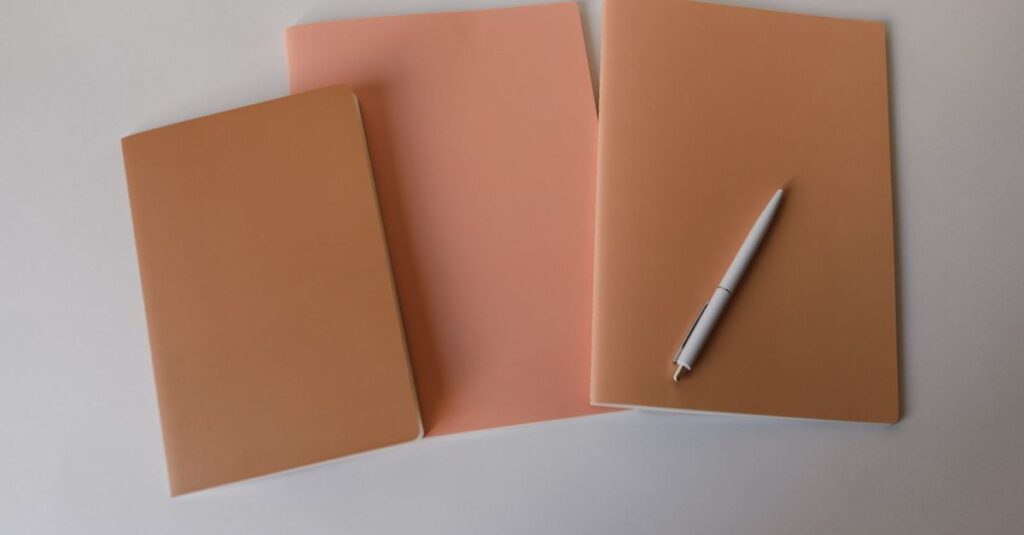
Quick clarification before we go further. When we say "paper cover" in the notebook industry, we don't mean a loose sheet of paper someone wraps around a notebook like a dust jacket. We mean the actual cover material — the board or thick paper stock that forms the front and back of the notebook. It's the first thing you see, first thing you touch, first thing that takes damage.
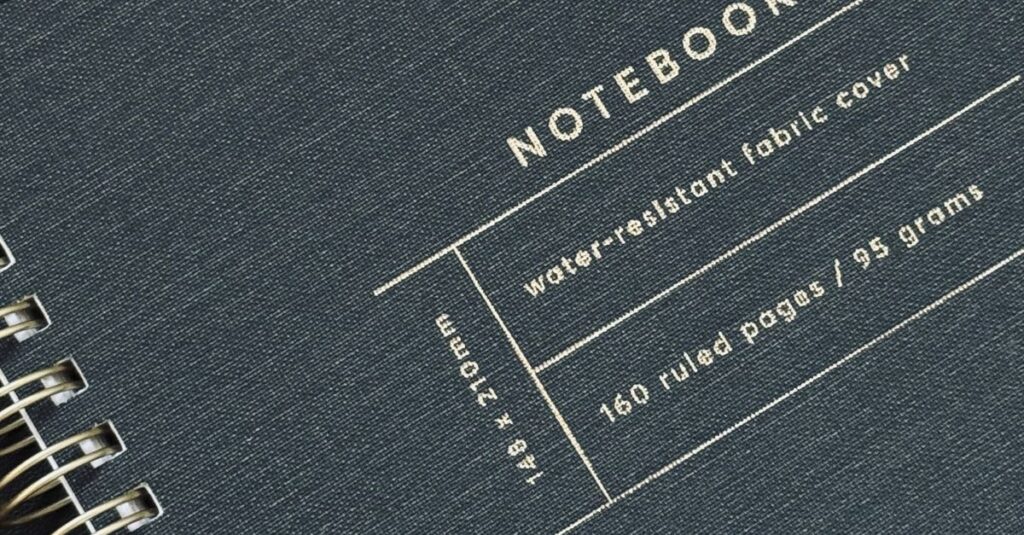
An a4 size paper cover measures roughly 210mm x 297mm — but in reality, for a bound notebook, it needs to be slightly bigger to accommodate the spine and allow for trimming. Some manufacturers cut corners here (pun intended). They use covers that are barely bigger than the interior pages. And then the edges fray. The cover warps. It looks cheap by week two.
Standard Cover Material Options
- 70-80 GSM paper cover — thin, lightweight, only suitable for short-term use or scratch pads
- 150-200 GSM art card — glossy or matte laminated, common for school notebooks
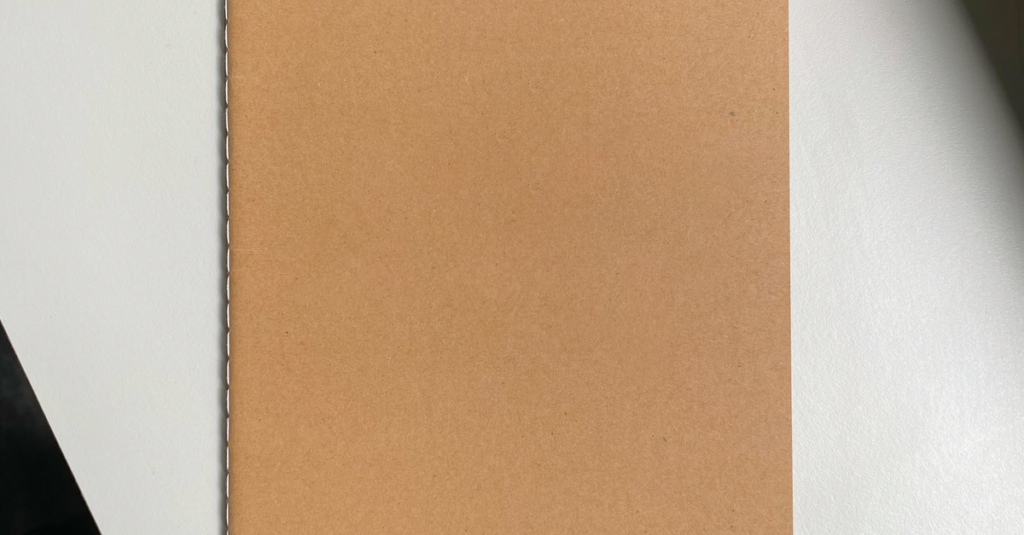
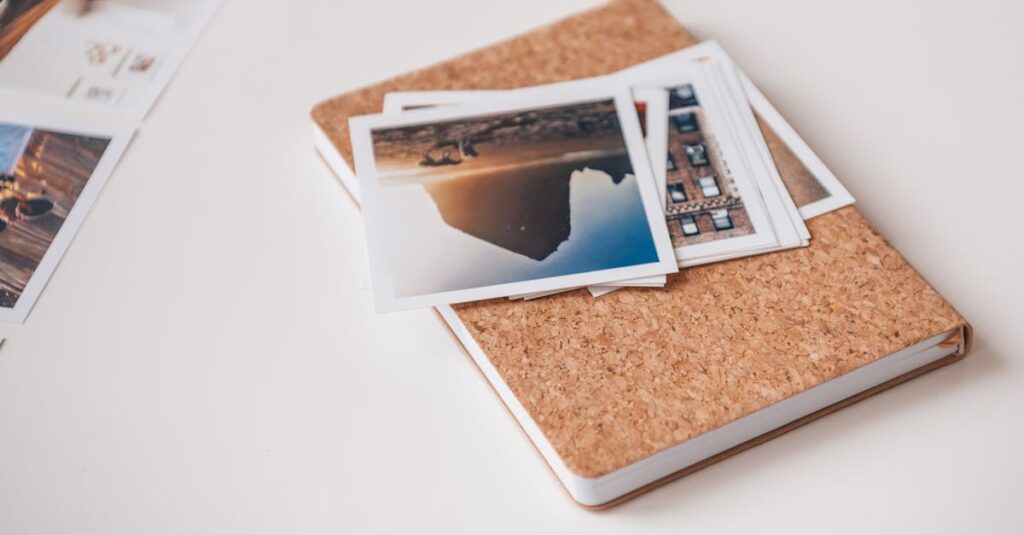
- 250-350 GSM kraft or board — rigid, durable, used for premium diaries and account books
- Polypropylene or plastic-coated — waterproof, tear-resistant, but less eco-friendly
Here's the thing a lot of buyers don't ask: what is the GSM of the cover you're actually using? Most price quotes won't tell you. They'll just say "paper cover" and leave it vague. And that vagueness costs you later.
What Most Buyers Get Wrong About A4 Paper Covers
I was talking to a procurement manager from a school chain in Hyderabad last month. Nice guy, knew his numbers, talked about page counts and spiral binding options like it was second nature. Then I asked him what cover GSM he was using on his last order. He paused. Said he didn't know exactly — but the price seemed good. That's the trap, honestly. The price seems good because the cover is thin. A 100 GSM cover saves the manufacturer about 10-15 rupees per notebook compared to a 250 GSM board. Multiply that by 10,000 notebooks, and you're talking real money. For the buyer, the savings come at the cost of durability.
Here's a story that sticks with me. A school in Rajahmundry — around 2017 or so — they ordered 5,000 A4 notebooks for their annual exam cycle. They went with a supplier offering a very competitive rate. Three months later, I got a call from the principal. The covers were peeling. Corners curled up. Students were taping their notebooks shut by March. I offered to re-cover the entire batch at cost. We didn't make money on that order. But that school has been ordering from us every year since. Because when they switched to a proper 250 GSM printed cover, the notebooks lasted the full academic year. Simple fix. Huge difference.
Cover Thickness and Durability — A Comparison
Let me put this in plain numbers. I see a lot of confusion about what cover thickness actually means for A4 notebooks. So here's a straight comparison of the three most common options we use at the factory.
| Cover Type | GSM Range | Durability (Daily Use) | Best For | Print Quality | Cost per Unit |
|---|---|---|---|---|---|
| Standard Paper Cover | 70–120 GSM | Low — bends easily, corners fray | Scratch pads, short-term use | Good for basic print | Lowest |
| Art Card (Laminated) | 200–250 GSM | Medium — resists light wear | School notebooks, office pads | High — glossy finish | Moderate |
| Hard Board (Kraft) | 300–400 GSM | High — withstands heavy use | Account books, premium diaries, corporate gifts | Very good with foil or embossing | Higher |
Now, you might be thinking — "I'll just go with the thickest option." That's not always right. For primary school kids who go through 12 notebooks a year, a 200 GSM laminated cover is perfect. But for a corporate diary meant to sit on a desk for 12 months? Go with 300 GSM or more. Know your use case before you decide.
Expert Insight
I remember a conversation with an old binder — must have been 20 years ago now. He was around 60, hands stained with ink, cigarettes in his pocket. He told me something I still think about. "The cover is the promise," he said. "Open a notebook and the cover says — this thing will protect what you write. If the cover fails, everything inside is exposed." He wasn't talking about marketing. He was talking about the paper itself. And the way he said it — with that quiet certainty — made me realize most people never think about covers this way. The question isn't whether you can afford a thicker cover. The question is whether you can afford the cost of replacing notebooks that fall apart.
Customizing Your A4 Size Paper Cover — What's Actually Possible?
Let's be honest. Most A4 notebooks available off the shelf have covers that look exactly like every other notebook. Blue cover. Wrong decision. Or black. Or maybe a cheap school crest printed in one color. If you're ordering in bulk — say 500 or more — you have options that most people don't ask for. And that's a shame.
Things You Can Customize on an A4 Cover
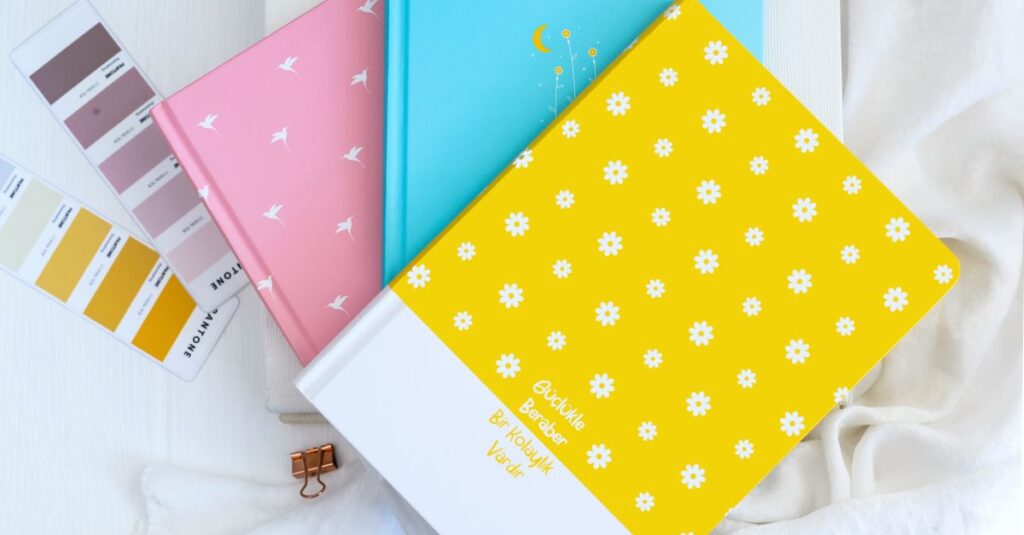
- Full-color offset printing — logos, artwork, school crests, corporate branding, even photos if the resolution is good
- Foil stamping — gold, silver, copper, matte metallic — gives a premium feel that catches light
- Embossing and debossing — raised or recessed text or logo on the cover
- Spot UV coating — a glossy highlight on specific areas of a matte cover
- Custom sizing — we can trim the cover to match unusual interior formats or add flaps
- Spine printing — for perfect bound notebooks, the spine becomes visible on shelves
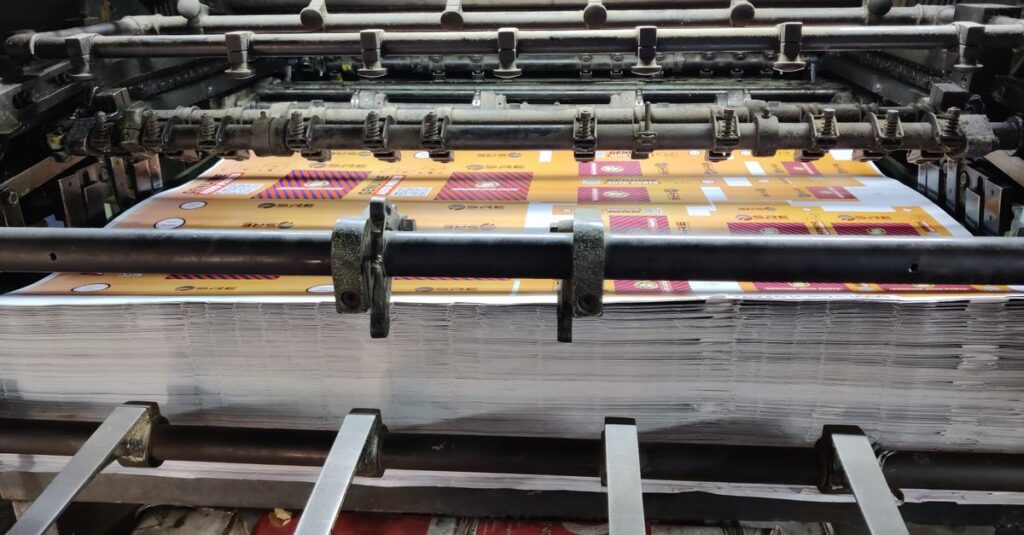
I'll be straight with you — not every manufacturer can do all of this in-house. We can, because we've been building the capability since 1985. But if you're working with a supplier who outsources printing to a third shop, the quality control gets messy. Ask them directly: "Who prints your covers?" If they hesitate, walk away.
One thing I learned the hard way: foil stamping on thin covers (under 200 GSM) can cause the paper to warp under heat. So if you want that premium gold logo on an A4 diary, make sure the cover board is thick enough to handle it. Otherwise the cover looks worse than a plain printed one.
The Environmental Side of A4 Paper Covers
I need to say something here that might make me sound old-fashioned. But I think it matters.
There's a growing push for recycled paper covers. And I'm all for it — in principle. But in practice, recycled board below 250 GSM tends to have uneven density. It dents more easily. It absorbs moisture from the air differently. I've seen batches of recycled covers warp within weeks in coastal cities like Chennai or Mumbai. The answer isn't "recycled is always better." The answer is: if you want eco-friendly, look for FSC-certified virgin board that's responsibly sourced. It performs better and still supports sustainable forestry.
We use a mix at our factory. Kraft paper covers made from recycled material for lower-cost products. And FSC-certified white board for premium orders. What I hate seeing is greenwashing — suppliers claiming "100% recycled eco cover" while using standard board with a green label slapped on. If you care about this, ask for certification. If they can't provide it, they're probably not being honest.
And look — I also think we need to talk about over-packaging. Some buyers want plastic lamination on every cover "for protection." But a 300 GSM board doesn't need plastic to last a year. Use the material itself, not a coating. It saves plastic. It saves money. And it makes recycling simpler at the end of the notebook's life.
Frequently Asked Questions
What GSM is best for an A4 size paper cover?
For school notebooks, 200–250 GSM laminated art card is a good balance of cost and durability. For corporate diaries or account books, go up to 300–400 GSM. Anything under 150 GSM won't survive a full year of daily use, especially in bags or desks.
Can I get a custom printed A4 size paper cover for bulk orders?
Yes. Most notebook manufacturers offer custom cover printing for bulk orders — typically starting at 500 units. Options include offset printing, foil stamping, embossing, and spot UV. Make sure your supplier handles printing in-house for better quality control.
Is a laminated A4 paper cover better than a non-laminated one?
Lamination adds water resistance and prevents scuffing. But it's not always needed. A 300 GSM board without lamination can still be very durable. Lamination also makes recycling harder. Consider your use case: if notebooks go in school bags, laminate. If they sit on a desk, you might skip it.
How do I measure an A4 size paper cover correctly?
An A4 page is 210mm x 297mm, but the cover needs to be slightly larger — usually 215mm x 305mm for a perfect bound notebook, to allow for spine width and edge trimming. If you're ordering custom covers, ask your manufacturer for the exact trim dimensions they recommend.
What is the most cost-effective A4 size paper cover option?
The cheapest is a standard 120 GSM uncoated paper cover. But it won't last. The most cost-effective option for most buyers is a 200 GSM laminated art card. It costs about 20–30% more than the thinnest option but lasts 2–3 times longer. That's where the real savings are.
I don't think there's one perfect a4 size paper cover for everyone. I really don't. What I do know is that the cover you choose says more about the notebook than almost anything else. It tells people whether this is something meant to be used and thrown away — or something meant to last. And really, that decision should come from you, not from a supplier who just wants the order.
If you're planning a bulk order and want to talk through cover options — thickness, finish, printing, whatever — I'm happy to help. We've been doing this since before most of my current staff was born. Reach out. No pressure. Just good information. Sri Rama Notebooks — since 1985, Rajahmundry.