

So You Need Thesis Binding — Let’s Talk About What That Actually Means
You’ve typed the last sentence. You’ve checked the margins for the fifth time. Now comes the part nobody warns you about: getting the thing physically made. Not printed — bound. And thesis binding is one of those things that feels simple until you’re staring at a pile of loose pages and a wall of options.
I’ve been around notebooks and binding for a long time. At Sri Rama Notebooks, we see a lot of students and researchers walk in with that same look. They’re not sure what they need. They just know it has to look good and not fall apart when the professor opens it. Fair enough.
What Thesis Binding Is (and What It Isn’t)
Here’s a thing that surprises people: thesis binding isn’t some special magic. It’s the same binding you’d use for a thick notebook or a corporate report — just done with more care. The difference? The stakes are higher. A thesis gets handled by examiners, kept in libraries, maybe even published. It needs to hold up.
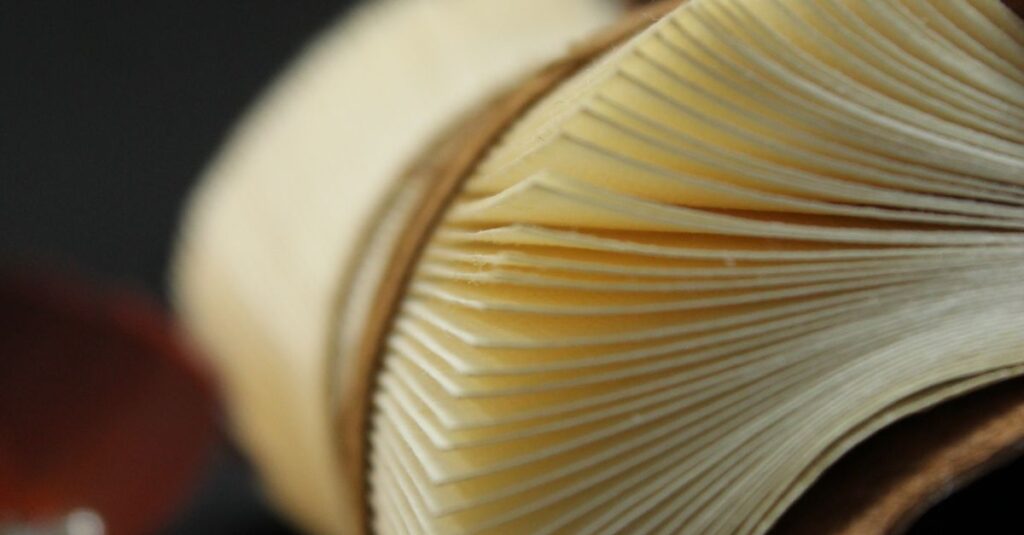
The binding process involves folding your printed sheets into signatures, then securing them into a cover. The cover is usually thick board with a printed wrap. And the binding method — that’s where the choices come in.
Three common methods: spiral, perfect, and stitched. Each has pros and cons. And each works best for a different kind of thesis.
Spiral Binding
This is the cheap, fast option. A metal or plastic coil goes through holes punched along the spine. It opens flat, which is nice for reading. But it doesn’t look very formal. Good for drafts or personal copies.
Perfect Binding
This gives you a flat spine like a paperback. Pages are glued together. Looks clean, professional. But it doesn’t lay flat. You have to hold it open or crack the spine. Most universities accept it, but it’s not the strongest.
Stitched Binding
This is the old-school way. Threads sew the signatures together, then the whole thing is glued into the cover. It’s strong, lasts decades, opens reasonably flat. But it’s more expensive and takes longer.
Comparison Table: Thesis Binding Methods
| Feature | Spiral Binding | Perfect Binding | Stitched Binding |
|---|---|---|---|
| Durability | Low — coil can bend | Medium — glue can crack | High — sewn signatures |
| Cost | Low | Medium | High |
| Opens flat | Yes | No | Mostly |
| Formal look | No | Yes | Yes |
| Best for | Drafts, personal copies | Submitted copies | Library, archival |
Which one should you pick? That depends on what your university requires and how much you want to spend. Nine times out of ten, perfect binding is the middle ground. But if you want it to survive for years, stitched is the way to go.
A Real-Life Story: Ravi’s Late Night Bind
Ravi was a 27-year-old M.Tech student from Kakinada. He showed up at our workshop at 7pm on a Friday — his submission was Monday morning. He had printed 150 pages on normal printer paper, not the 80 GSM we recommend. The sheets were curling at the edges. He was sweating.
We went with perfect binding because it was the fastest. But I remember him sitting on the floor while we worked, not saying a word. When we handed him the finished thesis, he held it like it was made of glass. And maybe it was. That moment — when you realize your work now has weight in your hands — that’s the thing about thesis binding. It makes something abstract feel real.
What Most People Get Wrong About Thesis Binding
First mistake: using the wrong paper weight. Standard copier paper (70 GSM) is too thin. Ink bleeds through. The binding doesn’t hold as well. Go for 80 GSM minimum — 100 if you can.
Second mistake: forgetting about the spine width. If you add a thick cover board, the spine needs to be wider than the page block. Otherwise the glued pages pull away from the cover. I’ve seen perfectly printed theses crack on the first open because of this.
Third mistake: waiting until the last day. Binding takes time — especially if you want stitching or custom foil stamping on the cover. Give yourself at least a week. Two is better.
Expert Insight
I remember sitting with an old bookbinder about ten years ago. He was maybe seventy, his hands stained with glue. He told me something I never forgot: “Binding is not about the cover. It’s about the spine. If the spine is weak, the whole thing falls apart.” He was talking about books, but honestly, it applies to a lot of things.
When you choose thesis binding, think about how the book will be used. Will someone press it flat on a photocopier? Will it be shelved upright? Do you want it to last ten years or just through the defense? The answer changes everything.
Frequently Asked Questions
Frequently Asked Questions
What’s the best binding type for a thesis?
Perfect binding is most common — affordable and clean. Stitched is better for durability. Check your university’s guidelines first. Some require specific spine text margins.
How much does thesis binding cost in India?
Prices vary widely. Spiral can be ₹50–100, perfect binding ₹200–500, stitched ₹400–800. Add cover lamination or foil stamping and it goes up. At Sri Rama Notebooks, we give bulk rates for institutions.
Can I bind a thesis with less than 100 pages?
Yes. But thin theses are tricky for perfect binding because the glue doesn’t get a good grip. Spiral might work better, or you can add a blank page to bulk it up. Ask your binder.
How long does professional thesis binding take?
Spiral: same day. Perfect: 1–2 days. Stitched: 3–5 days. Custom covers with embossing add more time. Plan ahead. Most binders charge a rush fee for urgent orders.
Is spiral binding acceptable for university submission?
Usually not for final copies. Most universities want a flat spine so the title is visible on the shelf. Spiral coils can get caught. Use it for drafts or personal copies.
Final Thoughts — One Honest Take
Look, thesis binding is just binding. But it’s also the last step of a long journey. And the quality of that last step sends a signal. A well-bound thesis says you cared about the details. A flimsy one says you ran out of time. Which is fine — we’ve all been there. But if you can, give yourself the chance to hold something that feels solid.
I don’t think there’s one right answer. Probably there isn’t. But if you’re still reading this, you’re probably already the kind of person who wants it done right. That’s more than half the battle.
If you need thesis binding or want to discuss options, get in touch with Sri Rama Notebooks. We’ve been doing this since 1985. We probably have your answer.