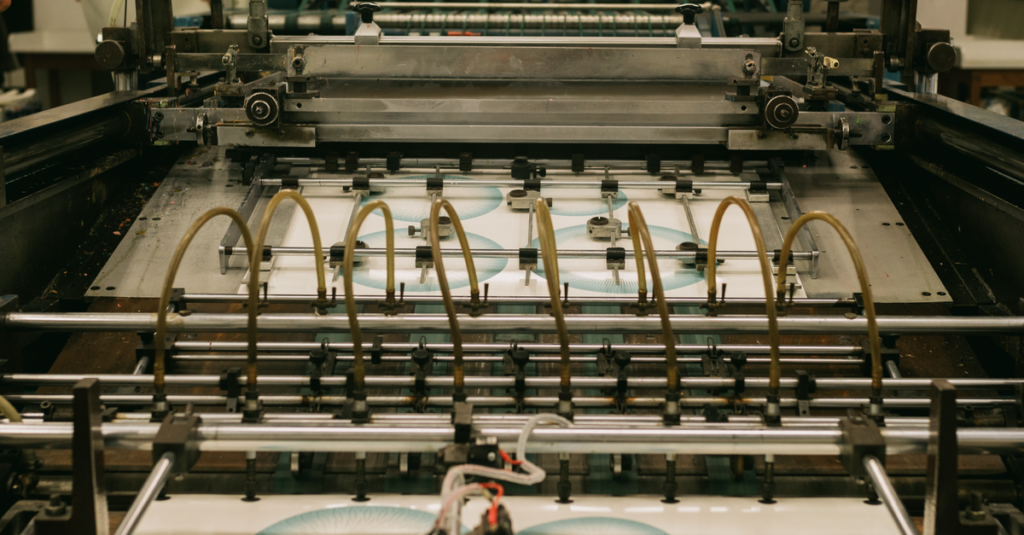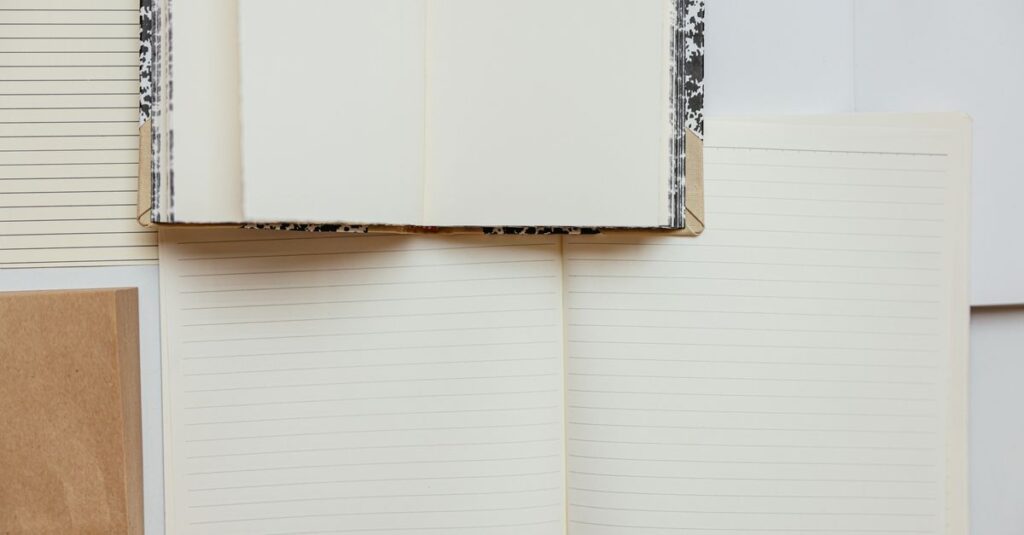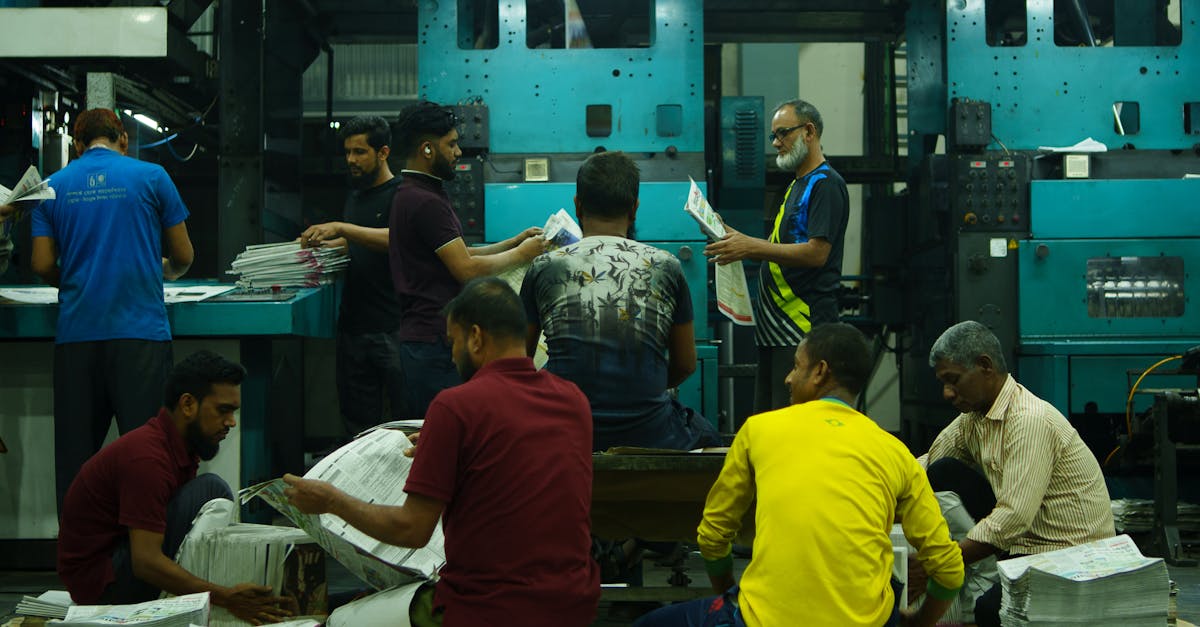
Why OEM Manufacturing Is Becoming the Norm in India
Here's something I hear a lot from procurement managers: "We want our own brand notebooks, but we don't want to deal with the headache of setting up production." That's the exact reason OEM notebook manufacturing is exploding in India. The future of OEM notebook manufacturing in India looks bright, but it's not without its wrinkles.
I've been in this industry since 1985 — we've seen notebooks go from plain brown covers to custom branded masterpieces. The shift to OEM is real. If you're buying in bulk, you've probably thought about it. Sri Rama Notebooks has been doing this for decades.
Take Rajesh, for example. He's 42, procurement manager for a chain of 12 schools in Hyderabad. Last year he told me he was tired of handing out generic notebooks to students. He wanted custom covers with the school logo — but every supplier he called had ridiculous minimum order quantities. "I need 20,000 notebooks, not 100,000," he said. We made it work. That's the kind of flexibility OEM manufacturers bring.
What's Driving the Shift?
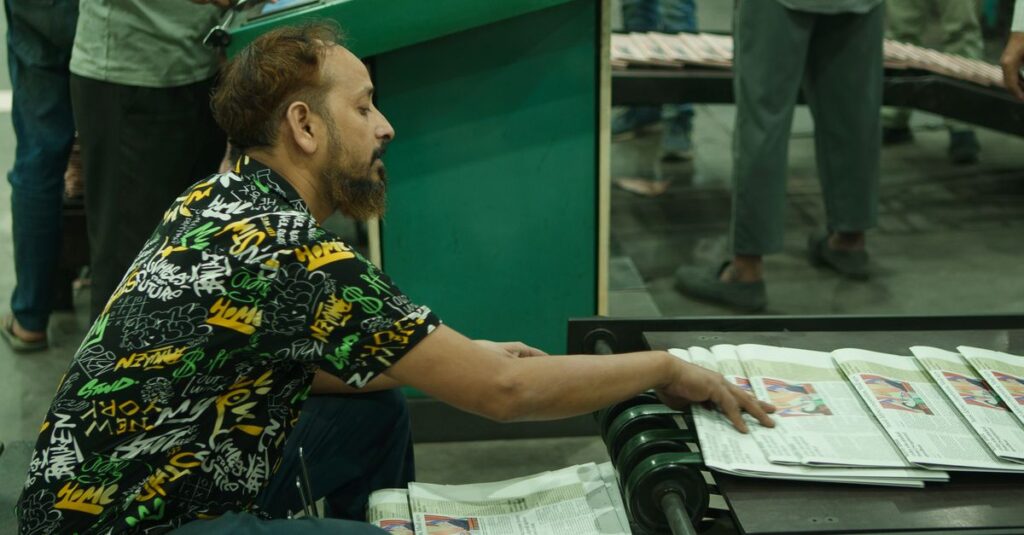
Three things: cost, speed, and customization. Schools and corporates don't want to own machinery. They don't want to manage paper stock. They want a partner who can take a design file and turn it into a finished notebook in days, not months.
- Cost efficiency: No capital investment in printing presses or binding lines.
- Speed: Existing supply chains mean faster turnaround.
- Compliance: Experienced manufacturers know paper grades and environmental standards.
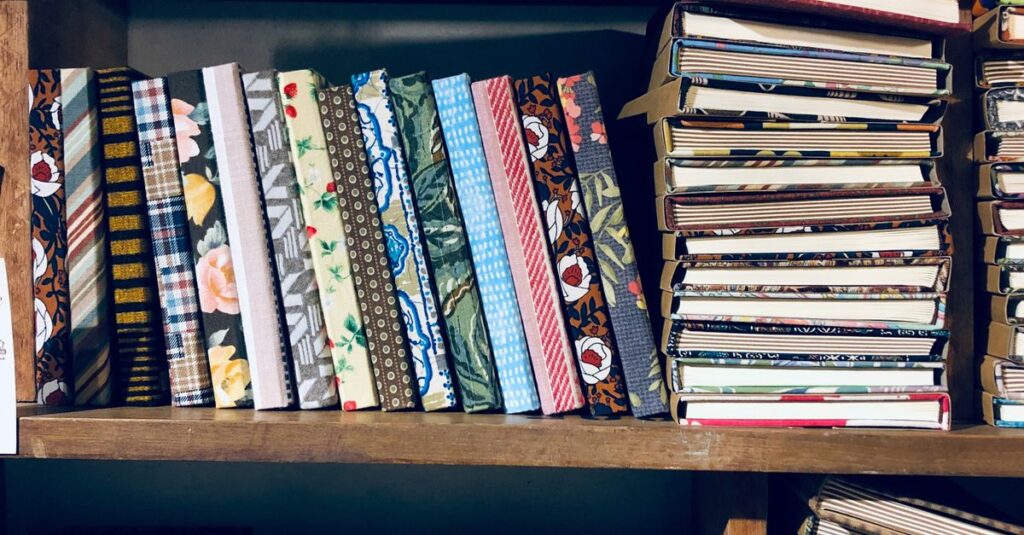
Customization: From paper GSM to binding type — everything is negotiable.
But there's a catch. Not all OEM factories are equal. Some cut corners on paper weight. Some use cheap glue that falls apart after a month. The industry is maturing, but buyers need to ask the right questions.
I think — and I could be wrong — that the real shift is happening because businesses finally realize they don't have to compromise. You can have low cost AND high quality. Just not with every manufacturer.
OEM vs Private Label: A Quick Comparison
| Aspect | OEM | Private Label |
|---|---|---|
| Design ownership | Buyer provides specs | Manufacturer designs, buyer brands |
| Minimum order quantity | Lower (10,000 units+) | Higher (50,000 units+) |
| Time to market | 2–4 weeks | 4–8 weeks |
| Cost per unit | Variable by spec | Usually higher due to design |
| Brand control | Full | Shared with manufacturer |
| Flexibility | High (any binding, size) | Limited to manufacturer's catalog |
Which one fits you? If you already have a design and just need production, OEM is the way. If you want someone to handle everything except putting your logo on it, private label works. Both have a place.
The Real Challenge Nobody Talks About
Expert Insight
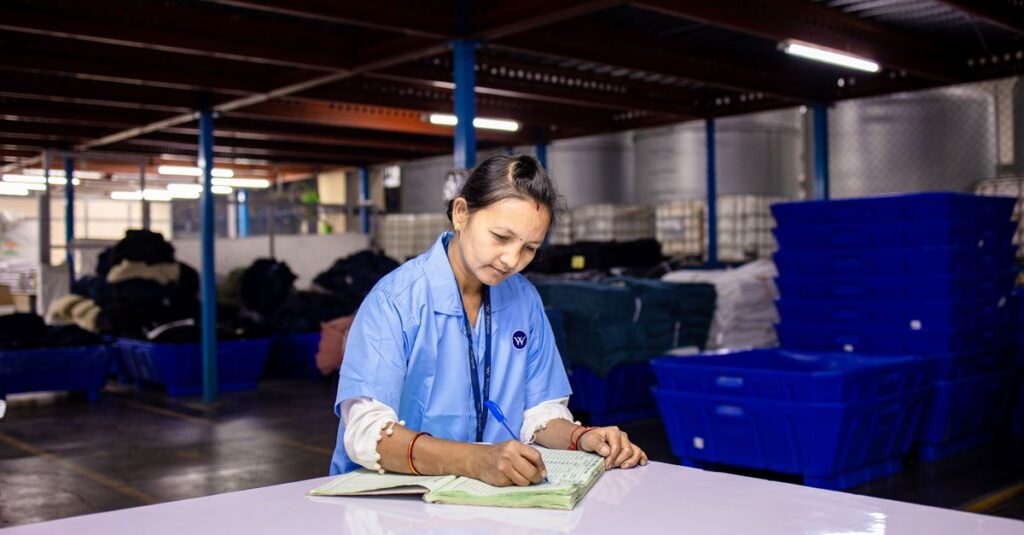
I was talking to a distributor from Mumbai last month — he said the biggest issue isn't price, it's quality consistency. I remember a batch in 2008 where the paper weight was slightly off. We had to redo 20,000 notebooks. That memory still makes me check every roll of paper that comes in. The future of OEM notebook manufacturing in India depends on trust. You can have the best machines in the world, but if one batch fails, you lose credibility. And in this business, credibility is everything. I don't have a clean answer for how to guarantee perfection — only that you never stop watching.
What This Means for Buyers in 2025 and Beyond
Automation is coming. We're already seeing shorter runs become viable because of digital printing. I think small schools and local businesses will have access to custom notebooks that were only possible for big corporations a decade ago. That's exciting.
But the human side still matters. I've had clients send me paper samples by courier. I've had phone calls at 9 PM because a cover color looked wrong on screen. That's not going away. The future isn't just about machines — it's about people who care whether the notebook you receive matches what you imagined.
Don't quote me on this, but I think we'll see more buyers asking for sustainable paper and vegan-friendly covers. The trend is real, even if it's slow. If you're a buyer, start asking those questions now. Your customers will demand them soon enough.
Frequently Asked Questions
What is OEM notebook manufacturing?
OEM (Original Equipment Manufacturer) notebook manufacturing means a factory produces notebooks according to your specifications — size, paper, binding, cover design. You own the product; the manufacturer handles production.
How many notebooks do I need to order for OEM?
Minimum order quantities vary. At Sri Rama Notebooks, we typically start at 10,000 units, but we can discuss smaller runs for schools or local businesses. The key is matching your needs with production efficiency.
Can I get my logo printed on the cover?
Absolutely. Logo printing is one of the most common requests. We offer offset and digital printing, embossing, foil stamping, and custom cover design. Just send us your artwork.
How long does it take to manufacture custom notebooks?
Depending on quantity and complexity, 2–4 weeks for most orders. Rush orders are possible if you have an urgent deadline — we've done it in 10 days before. But please plan ahead.
Do you export OEM notebooks?
Yes. We export to Gulf countries, Africa, USA, UK, Europe, Australia, and Asia Pacific. We handle all shipping documentation. Just let us know your destination and we'll quote accordingly.
Conclusion
The future of OEM notebook manufacturing in India is about flexibility and trust. More buyers are choosing OEM over generic stock because they want control without the overhead. The factories that survive will be those that listen, adapt, and never compromise on quality.
I don't think there's one perfect model for everyone. Probably there isn't. But if you've read this far, you already know what you're looking for — a partner who makes it easy. Sri Rama Notebooks is that partner for many. Call us if you want to talk.