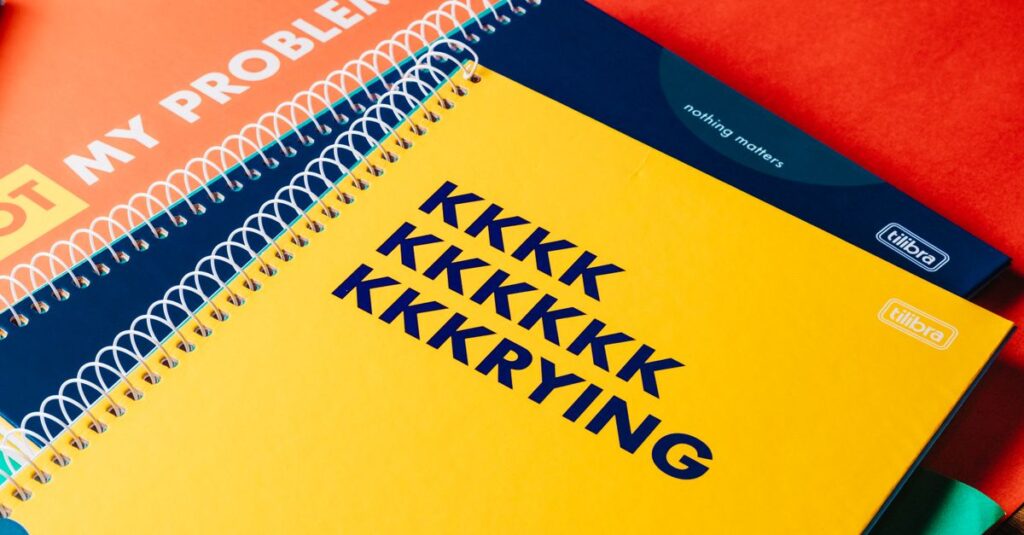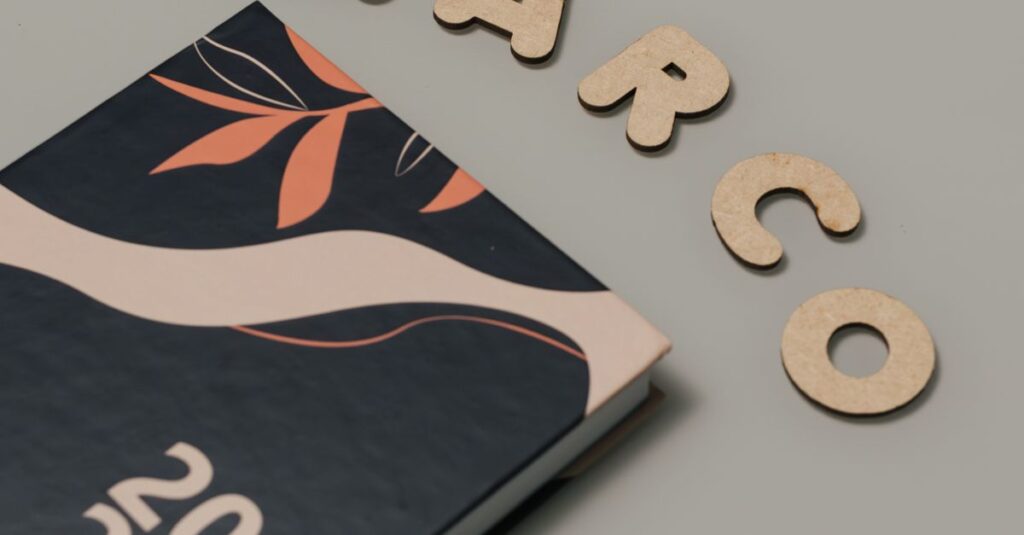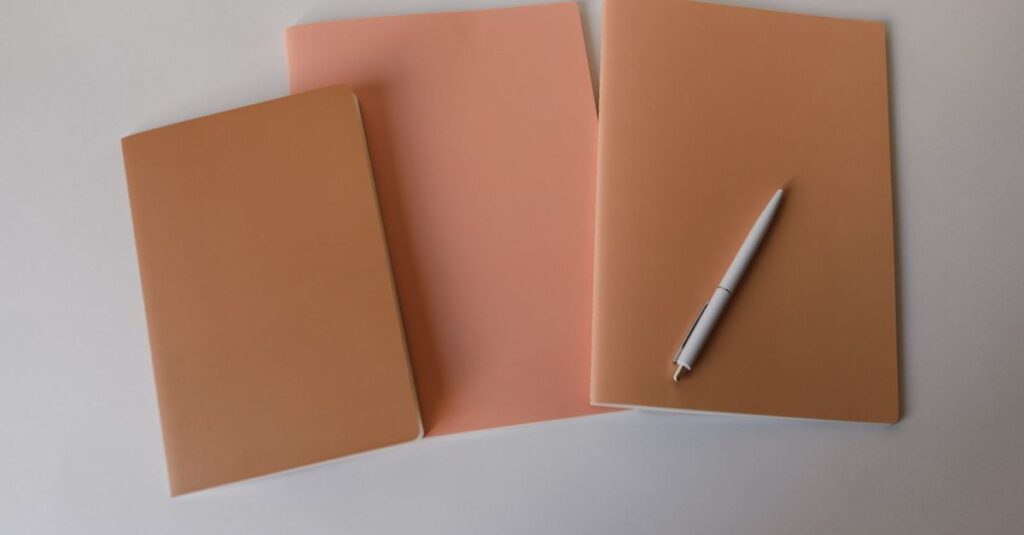


You ordered five thousand diaries. The client deadline is next month. The sample looked perfect. Then the bulk shipment arrived and the logo was a different shade of blue — not the blue you approved, but some weird greenish-blue. The paper felt thinner than the sample. And half the covers had scratches. That moment of panic? I know it well. After four decades in this business, I've seen every version of this story.
The thing about bulk printing orders is that the problems are almost always the same. And almost always avoidable. If you're dealing with Common Problems in Bulk Printing Orders and How to Avoid Them, you're not alone. The mistake is thinking these problems are just bad luck. They're not. They're predictable. And once you know what to look for, you can sidestep most of them. I'll walk you through the biggest ones — the ones that keep procurement managers up at night. If this sounds familiar, Sri Rama Notebooks has been helping buyers avoid these exact headaches since 1985.
Color Inconsistency: Why Your Logo Looks Wrong on the Final Product
Let's start with the most common complaint I hear. The color on the printed notebook doesn't match the approved proof. Not a little off. Often way off. And when you've ordered 10,000 pieces with your brand logo, that's not a small problem — it's a catastrophe.
Here's a story. A procurement manager named Rajesh, 45, from Visakhapatnam, works for a corporate gifting company. He ordered 5000 diaries with a gold foil logo on a leather-look cover. The sample looked stunning. The bulk order arrived three weeks late, and the logo was a dull bronze, not gold. Half the covers had scratches. Rajesh had to reject the entire lot. He lost the client. I'm not exaggerating.
Why does this happen? Because most printers don't calibrate their machines consistently. They use different ink batches. They rush the job. The screen proof you approved was printed on a different machine than the bulk run. And nobody tells you that.
What to do about it
- Ask for a physical proof on the actual paper stock you're using. Not a PDF. Not a screen image. A real printed sample.
- Specify Pantone colors if you can. CMYK is a crapshoot; Pantone gives you a fighting chance.
- Visit the factory or request video of the press run. If the manufacturer hesitates, that's a red flag.
I once had a client who insisted on a specific deep red for their accounting books. We printed 3000. The red came out pinkish on some covers. We had to reprint. Costly. Embarrassing. The question is: why didn't we catch it earlier? Because we relied on a digital proof. Never again.
Delivery Delays: When the Timeline Slipped and You Can't Do Anything
Bulk printing orders are always on a tight schedule. School orders need to arrive before the academic year. Corporate diaries need to be ready before December. When the delivery slips, you don't just lose time — you lose trust.
Let me compare two approaches.
| Factor | In-House Printing (Like Sri Rama Notebooks) | Outsourced or Unverified Printer |
|---|---|---|
| Production control | Full control over every stage | Dependent on subcontractors |
| Capacity flexibility | Can adjust schedule for urgent orders | Limited to their own capacity |
| Quality checks | Multiple in-line inspections | Often only final inspection |
| Communication | Direct with production manager | Through sales rep, not floor |
| Lead time reliability | Consistent, trackable | Often overpromised |
| After-sales support | Immediate reprint if issues | Blame game with middlemen |
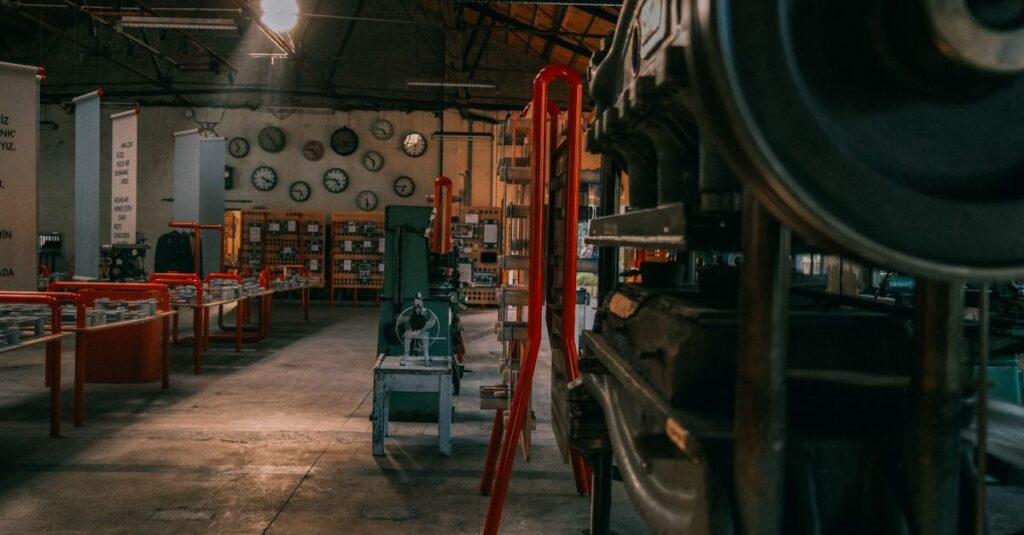
Look, I'm not saying in-house is always perfect. But when we say a job will be ready in 30 days, it means the paper is already ordered, the plates are made, and the press time is blocked. No excuses. The second biggest cause of delay? Paper not available. A smart buyer asks about paper stock before signing. Most don't. Read about our production process to see how we avoid these pitfalls.
Paper Quality: What You Think You're Getting vs Reality
Paper is the backbone of any notebook. But in bulk printing, paper quality is often downgraded without your knowledge. The sample you saw was printed on 70 GSM paper. The bulk order might come on 54 GSM, because the manufacturer found a cheaper source. The difference is obvious when you write on it. Ink bleeds. Pages feel flimsy.
Expert Insight
I remember a conversation with a factory manager in Rajahmundry about ten years ago. He told me, 'The buyer never checks the paper weight until it's too late. They only see the cover.' That stuck with me. We started sending paper samples with every quotation. Not just a single sheet, but a small dummy notebook with the actual paper. It costs a little more, but it saves reprints. And honestly? Most manufacturers don't do this. They're hoping you won't notice. But you will. Because your students or corporate clients will complain. And you'll be the one who ordered it.
What to check: Ask for the GSM specification in writing. Ask for a test booklet. And if possible, request a moisture test — paper that's too dry or too humid will cause printing issues and warping later.
Specification Miscommunication: The Small Detail That Wastes Thousands
I'll tell you what drives me crazy. A buyer sends a vague order: '200 pages, long size, blue cover, spiral binding.' That's not a spec. That's a wish. Long size could mean different dimensions in different countries. 'Blue' could be navy, sky, or royal. Spiral binding could be wire-O or coil. The printer guesses. And the result is almost always wrong.
Here's a list of what you must provide in every bulk printing order:
- Exact dimensions in millimeters or inches (e.g., 272mm x 171mm for Long size)
- Paper GSM and ruling type (single ruled, four ruled, etc.)
- Cover material (paperback, hardcover, laminated, etc.)
- Binding type (stitched, spiral, perfect)
- Printing colors (PMS numbers or CMYK percentages)
- Quantity and acceptable variation (e.g., +/- 5%)
- Packaging requirement (shrink wrap, cartons, labels)
We once had a buyer from a school in Kakinada who ordered 10,000 notebooks. He said 'crown size.' Crown size in India can be 18×24 cm or something else depending on the region. We called him to confirm. He was grateful. Many wouldn't. The lesson: never assume. Write it down. Get it signed. Use a spec sheet template.
Lack of Customization Control: When Your Logo Doesn't Look Right
Custom printing is supposed to make your brand stand out. But if the logo is fuzzy, the foil stamping is crooked, or the embossing depth is uneven, it undermines your brand. I've seen corporate buyers refuse to distribute diaries because the logo was misaligned. That's thousands of units wasted.
Why does this happen? Because custom work requires precision — plate alignment, foil tension, pressure settings. In a busy factory running 30,000 notebooks a day, these details can get rushed. The operator thinks, 'It's close enough.' Close enough is not enough.
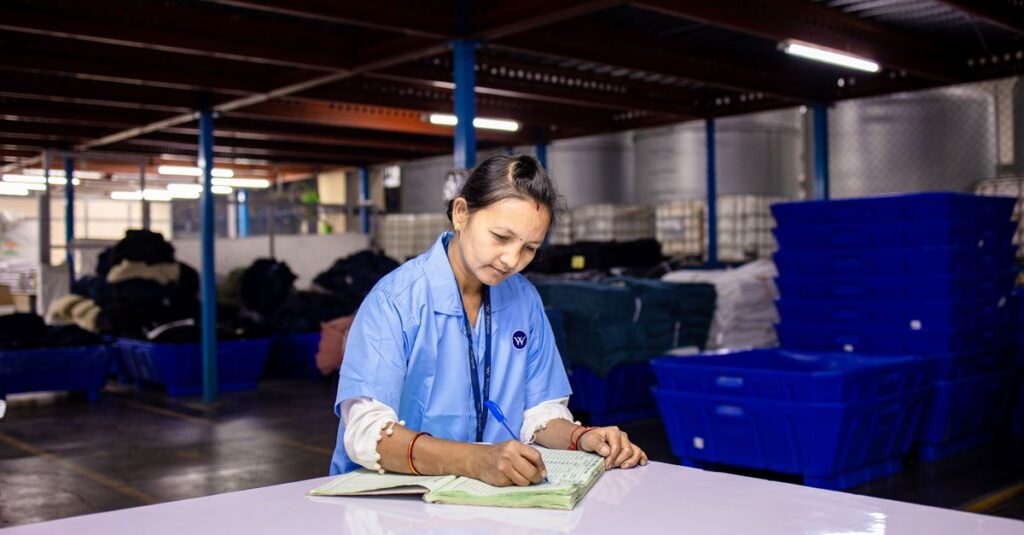
The fix: Ask for a pre-production sample ('pre-pro'). Not a digital mockup, but a physical sample from the actual production setup. If the manufacturer says 'it will look the same' without showing you, push back. We provide pre-pro samples for every custom order. It takes an extra day but saves rework. Also, ask about their quality check process. A dedicated QC person for your order makes a difference. And honestly? If they can't show you their QC checklist, find another supplier.
Frequently Asked Questions
What are the most common problems in bulk printing orders?
The most common problems are color mismatch between proof and final product, delivery delays, poor paper quality (lower GSM than agreed), miscommunication on specifications, and faulty custom printing like crooked logos. All these can be avoided with proper checks and a reliable manufacturer like Sri Rama Notebooks.
How can I ensure the color matches in bulk printing?
Always request a physical proof on the actual paper stock. Use Pantone colors instead of just CMYK. Visit the factory or ask for press-run video. And specify the color tolerance in your contract. A good manufacturer will calibrate presses for your order.
Why do bulk printing orders get delayed?
Delays often happen because of paper unavailability, machine breakdown, or overbooking. To avoid this, choose a manufacturer with in-house production and buffer capacity. Get a written timeline with penalties for late delivery. Check their raw material stock before ordering.
What should I include in a bulk printing specification sheet?
Include exact dimensions in mm, paper GSM, ruling type, cover material, binding type, printing colors (PMS or CMYK), quantity tolerance, packaging requirements, and delivery date. The more detailed, the fewer misunderstandings. Sri Rama Notebooks provides a spec template for buyers.
How do I check paper quality before bulk printing?
Ask for a paper sample booklet with the exact GSM you plan to use. Do a writing test. Check for ink bleed. Also request a moisture content report if possible. A reputable manufacturer will provide these without hesitation.
Conclusion
Nobody likes receiving a defective bulk order. But most problems are avoidable if you know what to ask for. Color proofs, spec sheets, pre-production samples, and a manufacturer who doesn't cut corners. I've seen buyers save months of headache by spending an extra hour on the front end. The question is whether you're willing to be picky before the job starts. Because after it ships, it's too late.
If you're looking for a manufacturer who understands these issues — and has been solving them since 1985 — talk to us. Sri Rama Notebooks has the experience and the capacity to handle your bulk printing orders without the common problems.