Why Most Buyers Get This Wrong
You get three quotes. The cheapest is half the price of the most expensive. Easy choice, right? Except six weeks later, the notebooks arrive with paper that bleeds through, spiral bindings that pop open, and logos printed off-center. Suddenly the cheap option costs you in replacements, delayed deliveries, and lost credibility. I’ve seen this happen more times than I can count.
So how to compare commercial printing companies effectively without getting burned? It’s not about picking the lowest number. It’s about knowing what questions to ask before you sign anything. If you are placing bulk orders for notebooks, diaries, or custom stationery, you need a system. Below is what I’ve learned from two decades in this industry.
If this sounds like a scenario you want to avoid, Sri Rama Notebooks might be worth a look.
The Obvious Things Nobody Checks Properly
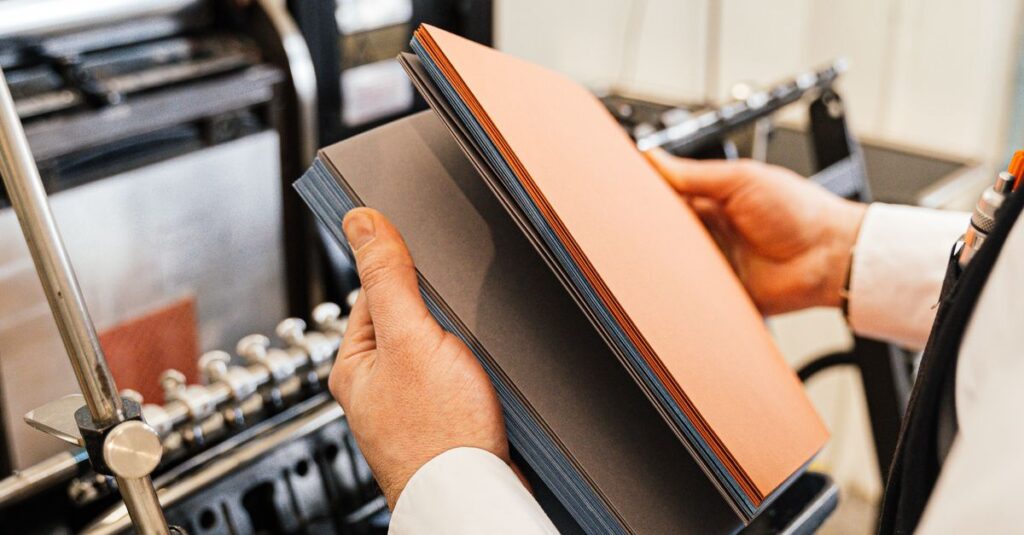
Paper quality tops the list. Sounds simple. But ask a printer for specs and you might hear '54 GSM' or '70 GSM.' Do you know what those numbers mean in practice? I'll just say this: cheaper GSM means thinner paper. Thinner paper means ink shows through on the other side. For a student notebook that's bad. For a corporate diary handed to a client? Disastrous.
Binding type matters just as much. Stitched binding holds up to daily use. Spiral binding lets the book lie flat. Perfect binding looks clean but cracks after heavy use. Most buyers don't test this. They assume all binding is the same.
- Always ask for a sample before a bulk order.
- Check the paper weight with your own hands.
- Open and close the notebook ten times. See if pages start pulling away.
One more: ink quality. Some printers use cheap toner that smudges. You won't know until someone runs a finger across a page. Test it. Seriously.
What most people don't realize is that a good printer will show you exactly how they handle these details. A bad one will dodge the question.
Pricing vs Value – The Real Equation
I once had a client call me after he saved 30% by switching printers. He sounded proud. Six months later he called again. The notebooks were returned by his customer because the covers peeled off. The cheap option became the expensive option. That math is simple.
Here's a fact: a lower per-unit price usually means corners cut somewhere. Maybe the paper, maybe the glue, maybe the oversight on color matching. You don't have to pay premium rates, but you have to look for value. Value means the notebook lasts, the logo stays on, and the delivery date is not a guess.
Think about this: if you order 10,000 notebooks and 200 are defective, that's 2% waste. At a cheap printer, defects can hit 5–8%. Suddenly your "savings" vanish.
Expert Insight
I remember walking through a print shop in Rajahmundry back in 2008. The owner showed me a stack of rejected diaries. He had pulled them off the line because the cover lamination lifted slightly at the corners. "Nobody would have noticed," I said. He just shook his head. "I would." That moment stuck with me. The difference between a good printer and a great one is often just stubborn attention to stuff the customer never sees.
Customization and Lead Time – The Hidden Variables
You need your company logo on every notebook. Dead simple, right? Then the printer sends you a proof where the logo looks blurry. They blame the file. You blame them. Meanwhile, the delivery date passes.
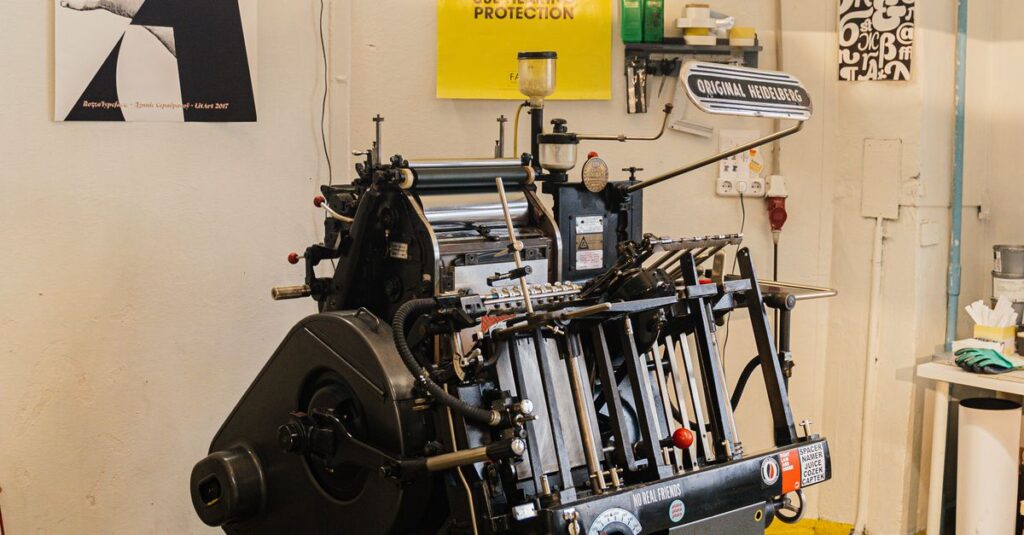
Customization quality depends on the printing method. Offset printing gives you sharp, consistent results for large runs. Digital printing is faster for small batches but can have slight color shifts. A trustworthy printer will explain the trade-offs. A mediocre one will just say "we can do it."
Lead time is another variable. Some printers promise 30 days and deliver in 45. Others underpromise and overdeliver. Ask for production timelines in writing. Ask what happens if they miss the deadline. If they get defensive, that's a red flag.
Here's a real story. Rajesh, 42, procurement manager for a corporate gifting company in Hyderabad. He ordered 5,000 branded diaries from a new supplier. Got a sample that looked great. Paid 50% advance. Three weeks before Diwali, the supplier said "paper shortage." Rajesh had to scramble, paid rush charges to another printer, and still missed half his orders. That small saving cost him a major client.
Don't be Rajesh.
Comparison Table: What to Check Across Printers
| Factor | Low-End Printer | Reliable Printer | Premium Printer |
|---|---|---|---|
| Paper GSM | 50–54 GSM, thin | 60–70 GSM, medium | 70+ GSM, thick |
| Binding | Stitched or spiral done fast | Reinforced stitching, tested | Multiple binding options with quality checks |
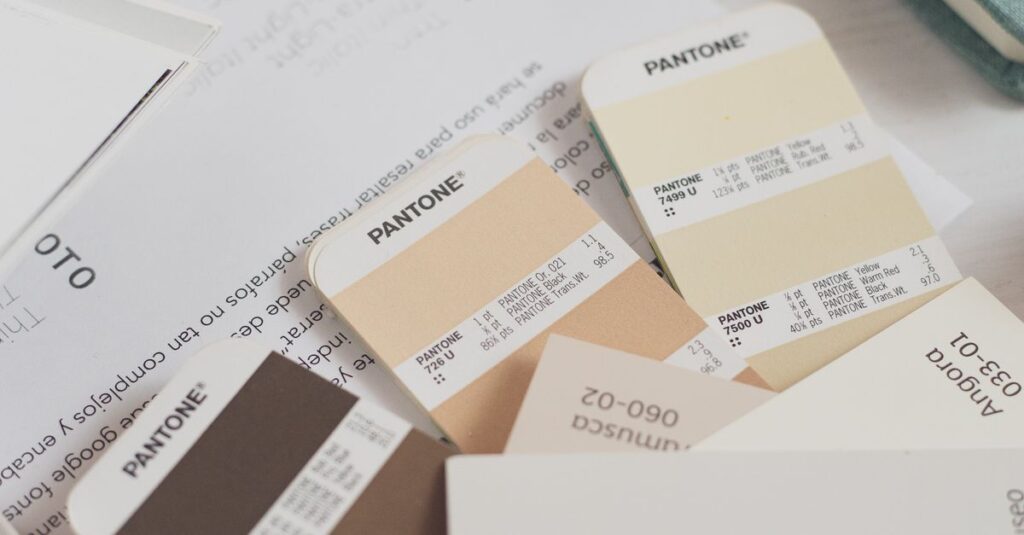
| Customization | Basic offset, often color mismatch | Offset or digital with color proof | Pantone matching, foil stamping, embossing |
| Lead time | Vague estimates | Written schedule, 95% on time | Guaranteed date, penalty clauses |
| Defect rate | 5–10% | 1–3% | <1% |
| Sample policy | No samples or extra charge | Free sample on request | Custom mock-up before production |
Probably the biggest insight: the middle column is often where smart buyers land. You don't always need premium. But you should never accept the first column.
Frequently Asked Questions
Frequently Asked Questions
What paper GSM is best for notebooks?
For general writing, 60–70 GSM works well. Higher GSM (80+) is better for fountain pens or heavy ink. Always request a sample to test bleed-through.
How do I know if a printing company is reliable?
Ask for references. Check their production capacity. A reliable company will show you their factory, provide samples, and give clear timelines. Avoid companies that dodge these questions.
Should I always choose the cheapest printing quote?
No. Cheaper often means lower paper quality, weaker binding, and higher defect rates. Compare value, not just price. Factor in potential reprints and customer dissatisfaction.
What binding type is best for corporate diaries?
Stitched binding is durable and professional. Spiral binding is good for lay-flat use but less formal. Perfect binding looks sleek but may not last long in heavy use. Choose based on how the diary will be used.
Can a commercial printer handle custom logo printing?
Yes, most can. But check their printing method. Offset gives better consistency for large quantities. Always request a printed proof before full production. Ensure the logo file is high-resolution.
Wrapping It Up
Comparing printing companies is not complicated if you know what to look for. Paper. Binding. Customization. Lead time. Defect rate. That's about it. Get samples. Test them. Don't let a low price blind you.
I don't think there's one perfect printer for every job. Probably there isn't. But if you've read this far, you already know what matters to you. The next step is picking up the phone and asking the right questions. And Sri Rama Notebooks is happy to answer them.