What Makes Bulk Printing Different from Regular Stationery Orders
When you order ten notebooks for your desk, you can accept a slight misprint. When you order ten thousand, that same misprint becomes a warehouse full of garbage. That's the first truth of bulk printing procurement.
The scale changes everything. Paper GSM that works fine in small runs can cause bleeding when printed on high-speed presses. A binding that feels sturdy on one sample might fall apart after the 1000th copy. And color consistency? That's a whole other headache.
I've seen procurement managers ignore these details — and regret it. One school in Visakhapatnam ordered 20,000 notebooks and got a paper that was too thin. The ink bled through every page. They couldn't return them. They had to use them anyway. Students complained for months.
The point is: bulk printing is a different beast. You can't treat it like small-batch printing. The margin for error shrinks fast.
Common Pitfalls in Bulk Printing Procurement
- Not specifying paper GSM properly (leads to bleed-through)
- Relying on a handcrafted sample instead of a production-run proof
- Choosing the cheapest binding without checking durability
- Ignoring lead time — bulk printing takes weeks, not days
If you're planning a bulk order, take the time to evaluate these upfront. Because once the print run starts, changes are expensive.
For detailed guidance on paper quality and sizes, visit our products page.
Now let's talk about something that almost nobody gets right.
Key Factors to Evaluate Before Choosing a Bulk Printing Partner
I get calls from procurement officers who've already selected a supplier based on price alone. Then they call me, panicking, because the samples look wrong. Price is important, sure. But it's not the only thing that matters here.
You need a partner who can deliver consistency at scale. Here's what to check:
Paper Quality and GSM
Standard notebooks use 54 GSM paper. That works for most schools. But if you're printing heavy ink or using fountain pens, you might need 60 GSM or higher. Don't guess. Ask for a swatch book.
Binding Durability
Stitched binding lasts longer than perfect binding for thick notebooks. Spiral binding is great for diaries that need to lay flat. Think about how the end user will use it.
Printing Precision
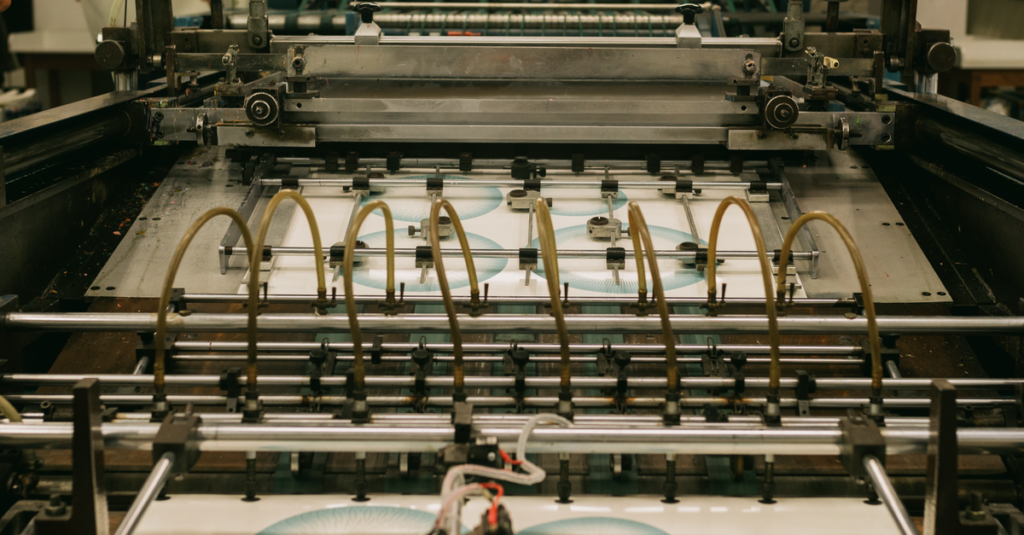
Offset printing gives sharper results for large runs. Digital is faster for small batches. But in bulk, offset is usually the better choice — if the printer handles registration well.
Production Capacity
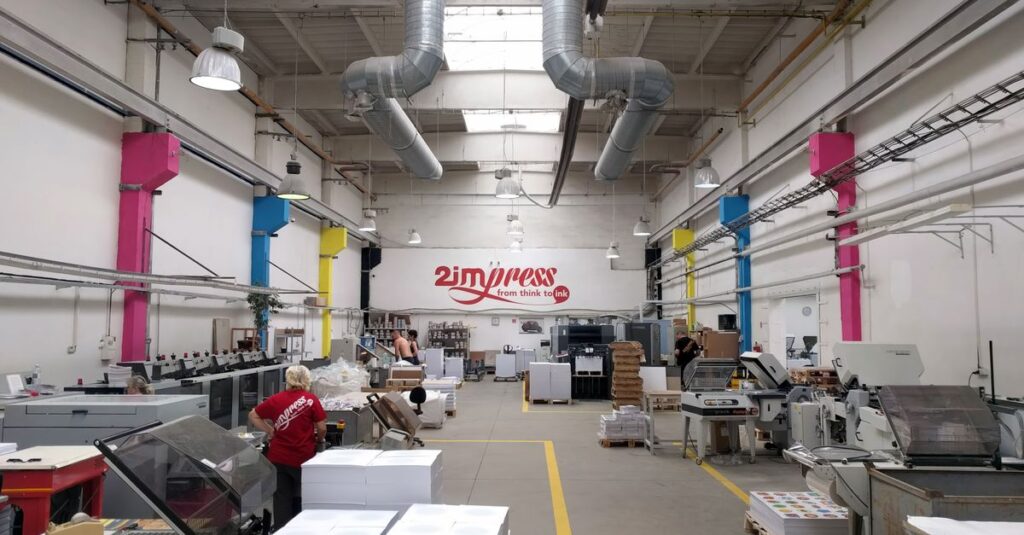
Can the manufacturer handle your volume without delaying other orders? Our facility in Rajahmundry produces 30,000-40,000 notebooks daily. That's enough for most institutional orders.
Customization Options
Logo printing, embossing, foil stamping, private label — if you need branding, the supplier should offer more than just basic print. We do that at Sri Rama Notebooks printing services.
Here's a comparison table to help you decide between two common printing methods:
| Feature | Offset Printing | Digital Printing |
|---|---|---|
| Setup cost | High (plates, makeready) | Low (no plates) |
| Per-unit cost (large quantity) | Low | Higher per unit |
| Color consistency | Excellent (Pantone matched) | Good but varies per machine |
| Turnaround time | Longer (setup time) | Faster for small runs |
| Minimum order quantity | Usually 1000+ | No minimum |
| Customization flexibility | High (special inks, finishes) | Moderate (limited substrates) |
I think — and I could be wrong — that most institutional buyers end up choosing offset for the consistency. But it depends on your deadline.
Expert Insight
I was talking to our production manager in Rajahmundry last week. He told me about a client who ordered 10,000 diaries but didn't specify paper GSM. They got a lightweight paper that bled through. He said, 'You can't fix that after it's printed.' That stuck with me. Specifications matter more than the design. Every time.
How to Get Accurate Samples and Avoid Surprises
Samples lie. Not intentionally, but they do. A hand-assembled sample can look perfect — crisp printing, tight binding — while the actual production run might show slight shifts in registration or paper curl. Why? Because samples are made slowly, with care. Mass production is faster, and speed introduces variation.
So what do you do? Ask for a production-run sample. That means the sample should come from the same press setup, same paper batch, same binding machine that will be used for your full order. If the supplier hesitates, that's a red flag.
Three things to check on every sample:
- Print alignment on both sides of the page
- Binding strength — try to pull a page out
- Paper feel under different lighting
One trick: bring the sample to your office and leave it on a desk for a week. See how it holds up to daily handling. If the cover curls or the ink smudges, you know.
And if you're ordering custom notebooks, ask for a digital mockup of the cover first. Saves everyone time.
The Hidden Cost of Cheap Bulk Printing
Look, I'll be direct. Cheap bulk printing is tempting — especially when your budget is tight. But I've seen institutions pay more in the long run by going with the lowest bidder.
Here's what happens. A supplier offers 20% lower price. They use thinner paper. They skip the aqueous coating on covers. They use a cheaper glue that dries brittle. The notebooks reach your students or employees. Within a month, covers tear, pages fall out, ink fades. Now you have complaints, replacements to order, and a reputation hit. That 20% saving just cost you 50% in hidden costs.
It's not always about price. It's about value. A manufacturer with consistent quality saves you time, stress, and embarrassment.
I remember one procurement manager from a corporate office in Hyderabad. She told me she switched suppliers after getting a batch of diaries where the foil stamping was misaligned. She said, 'I can't give these to my CEO.' That's real.
Why Customization Flexibility Matters
Institutions don't want generic notebooks. They want notebooks that represent their brand. A school wants its logo and motto on the cover. A company wants custom diary pages with printed headers. A government department wants specific ruling formats.
Customization is more than just printing a logo. It includes private label (your brand on the cover, not the manufacturer's), OEM production (you specify every detail), cover design, embossing, foil stamping, and even custom page layouts.
At Sri Rama Notebooks, we offer all of that. Whether you need a simple logo print or a fully custom diary with spiral binding and foil-stamped cover, we can handle it. Check out our about page to see how we've been doing this since 1985.
The flexibility matters because your end users notice. A branded notebook feels more professional, more intentional. And for schools, it builds pride. That's worth the extra effort.
Frequently Asked Questions
What is the minimum order quantity for bulk printing at Sri Rama Notebooks?
We typically start bulk orders at 500 units for custom notebooks and 1000 units for offset-printed diaries. Smaller runs are possible with digital printing. Contact us for exact MOQs based on your specifications.
How long does a bulk printing order take from start to finish?
Lead time depends on volume and customization level. A standard order of 5,000 notebooks with stitched binding takes about 2-3 weeks after artwork approval. Rush orders are available with additional charges.
Can I get a sample before placing a full bulk order?
Yes, we provide production-run samples at cost. We recommend ordering a small test run of 50-100 units first, especially if you're new to bulk printing. This ensures the final product matches your expectations.
What paper options are available for institutional notebooks?
We offer 54 GSM, 60 GSM, and 70 GSM paper in various shades. For fountain pen use, we recommend 70 GSM. We also provide custom ruling options like single, double, four-line, and cross rulings.
Do you ship internationally for bulk printing orders?
Yes, we export to Gulf countries, Africa, USA, UK, Europe, Australia, and Asia Pacific. We handle all logistics and customs documentation. Contact us with your destination for a shipping quote.
Conclusion
Here are two things I want you to remember. One: don't skip the paper specs — they can make or break your order. Two: choose a manufacturer who has the capacity and experience to deliver consistency at scale.
I don't think there's a perfect formula for bulk printing procurement. Probably there isn't. But if you've read this far, you already know what matters most: asking the right questions upfront and finding a partner who answers them honestly. If you need a partner who's been doing this since 1985, Sri Rama Notebooks is worth a conversation.