Look, It’s Not About Glossy Pages
You search for “magazines to print”. You're probably not looking for a fashion glossy or a newsstand title. Right? In my experience — and I've been doing this for a while — you're a procurement manager, a school administrator, or maybe a distributor. You need bulk printed materials for your people. Notebooks. Diaries. Maybe you call them office magazines, school magazines, or corporate magazines. The phrase is a bit of a catch-all, and that's where the confusion starts.
You're not confused about needing the product. You're confused about who to talk to. Do you call a magazine printer? A book binder? A stationery manufacturer? Nine times out of ten, the person who answers the phone at a traditional magazine printer won't understand your need for 5,000 spiral-bound training manuals or 10,000 custom cover diaries for a corporate gift. They deal in short runs, high-gloss paper, and a completely different supply chain. Your need is for functional, durable, bulk printed materials. That's a different world. It's our world.
The Real Meaning: Bulk, Functional Print
When businesses and institutions say “magazines to print”, they're usually talking about one of a few things. And honestly? Most of the time it's the first one.
- Corporate Diaries & Planners: These are your “desk magazines”. Thick, bound, often with custom branding, calendars, and planning sections. They're not read and tossed; they're used daily for a year.
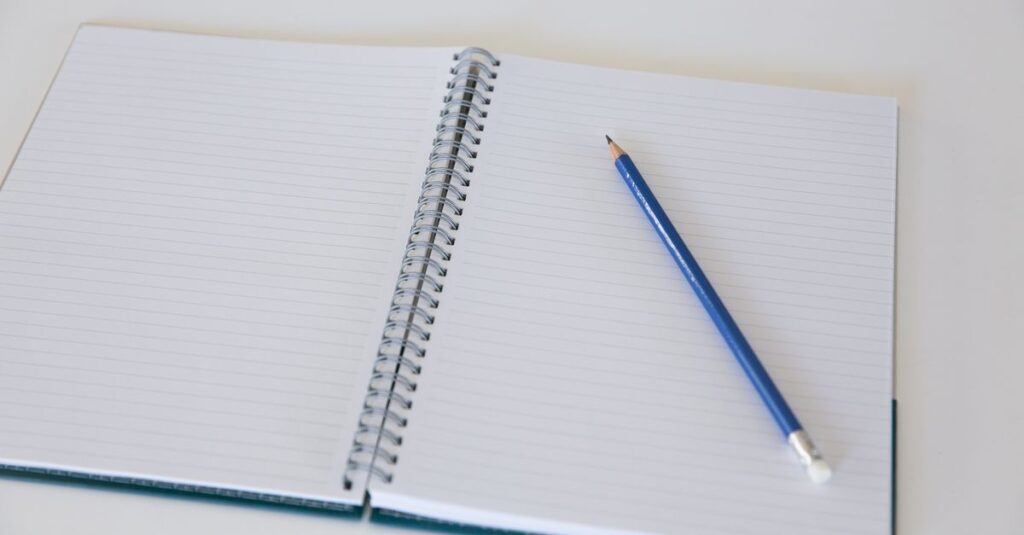
- Training Manuals & Course Books: Spiral or perfect bound. Meant for note-taking, highlighting, surviving a training session. They need to lie flat and not fall apart.
- School Notebooks in Bulk: Sometimes a school will order a custom “magazine” for a specific subject or grade — same size, same page count, branded for the institution.
- Internal Company Publications: Think annual reports, product catalogs, or internal newsletters that need a more substantial, professional feel than a stapled packet.
The common thread isn't content. It's manufacturing. It's about ordering 500, 5,000, or 50,000 identical, bound, printed items. The headache isn't the design file — you have that. The headache is finding a factory that gets the scale, the paper weight, the binding durability, and the deadline.
A Real-Life Moment
I was on a call last week with a procurement guy from a tech company in Hyderabad. Let's call him Rohan. He needed 2,500 welcome kits for new hires. Each kit had a branded notebook, a planner, and a handbook. He'd been quoted by three “digital print shops” and the prices were astronomical for the binding he needed. He was frustrated. He said, “I just need a magazine printer!” But he didn't. He needed a manufacturer who does long runs of bound books. The minute we started talking about stitching vs. perfect binding for his page count, he relaxed. You could hear it. That's the shift.
The Manufacturing Gap Nobody Talks About
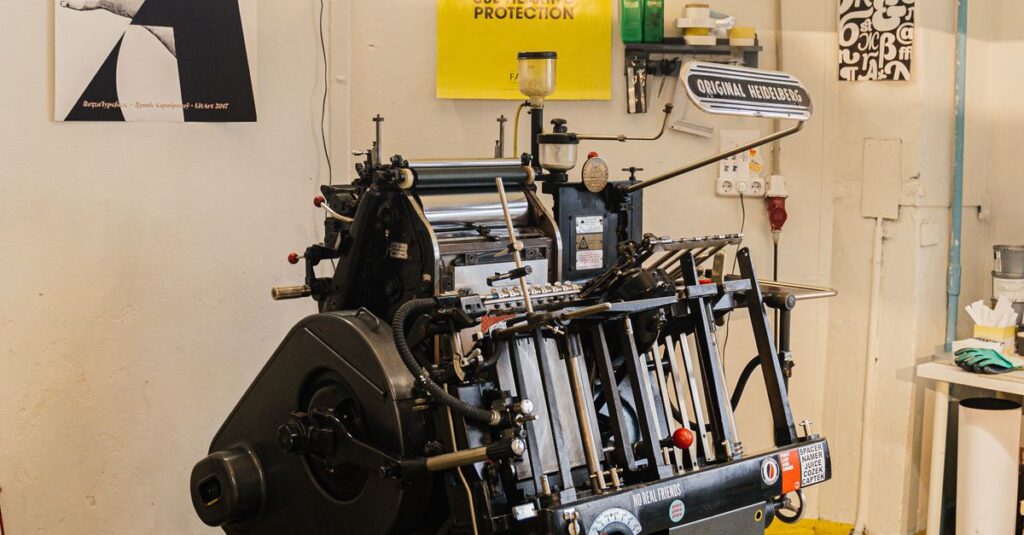
Here's the thing. Most commercial printing is setup-heavy. Changing paper, changing binding, changing ink — it's a cost each time. For a print shop doing 500 brochures one day and 200 business cards the next, your order for 10,000 notebooks is a giant, complicated monster. They'll either say no or charge you a fortune for the machine downtime.
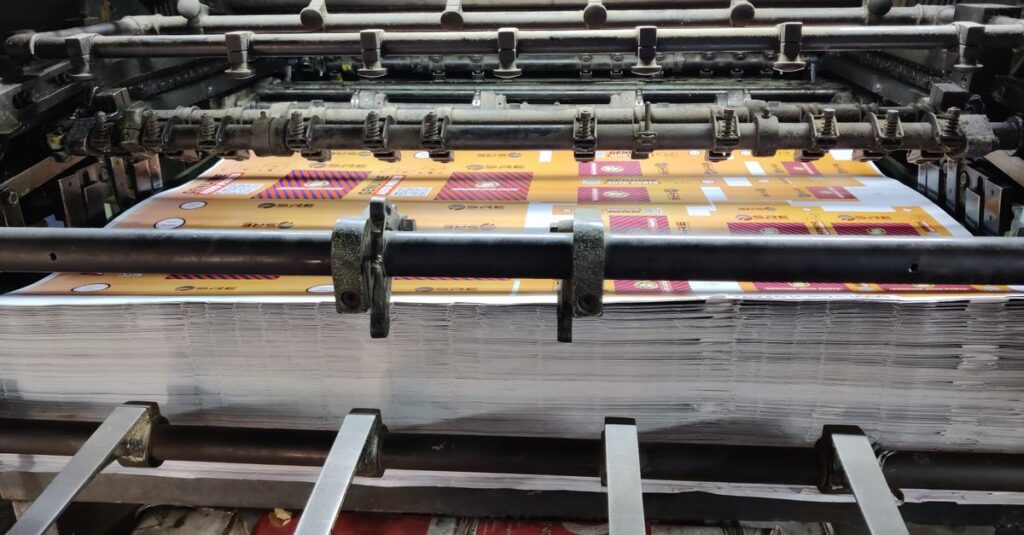
A dedicated notebook and diary manufacturer works the opposite way. Our machines are set up for long, continuous runs of the same product. We buy paper by the truckload, not by the ream. Our binding lines are built for speed and strength, not for occasional use. The economics are completely different. This is probably the single biggest reason bulk buyers get frustrated — they're talking to the wrong type of supplier.
Think about it this way: You wouldn't hire a chef who specializes in intricate, single-plate tasting menus to cater your 500-person wedding buffet. You'd hire a catering kitchen. Same principle.
| Feature | Commercial Print Shop | Notebook/Diary Manufacturer |
|---|---|---|
| Best For | Short runs, marketing collaterals, variable data | Long runs, identical bound books, bulk orders |
| Typical Order Size | 50 – 1,000 units | 1,000 – 100,000+ units |
| Binding Strength | Often light-duty (staples, light glue) | Built for daily use (stitching, heavy-duty spiral, perfect binding) |
| Paper Sourcing | Small batches, higher cost per sheet | Bulk rolls, optimized for writing/durability, lower cost |
| Cost Model | High per-unit cost, setup fees dominate | Low per-unit cost, efficiency from scale |
| Customization Focus | High-design visuals, photo quality | Functional branding, cover printing, ruling types, page formats |
See the difference? It's not that one is better. They're built for different problems.
What You Actually Need to Specify
So you've figured out you need a manufacturer, not a printer. Good. Now, the conversation changes. Instead of talking about “magazines”, you start talking specs. This is where you get control over quality and cost.
Three things matter more than anything else:
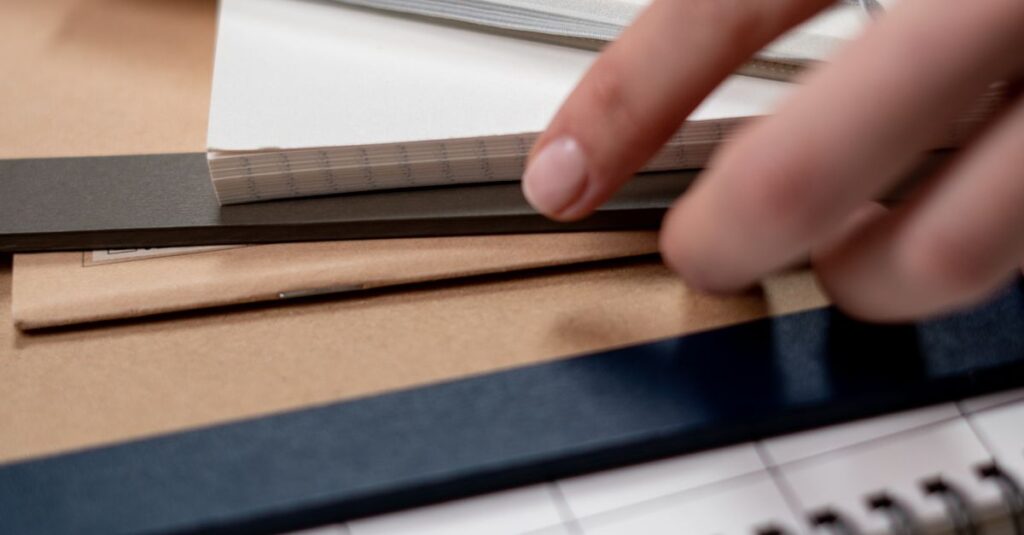
- Binding: Is this thing going to be opened and closed 50 times a day for a year? Then you need stitching or a robust double-wire spiral. Is it a 200-page training manual that just needs to stay together? Perfect binding might work. The wrong choice here means pages on the floor by month three.
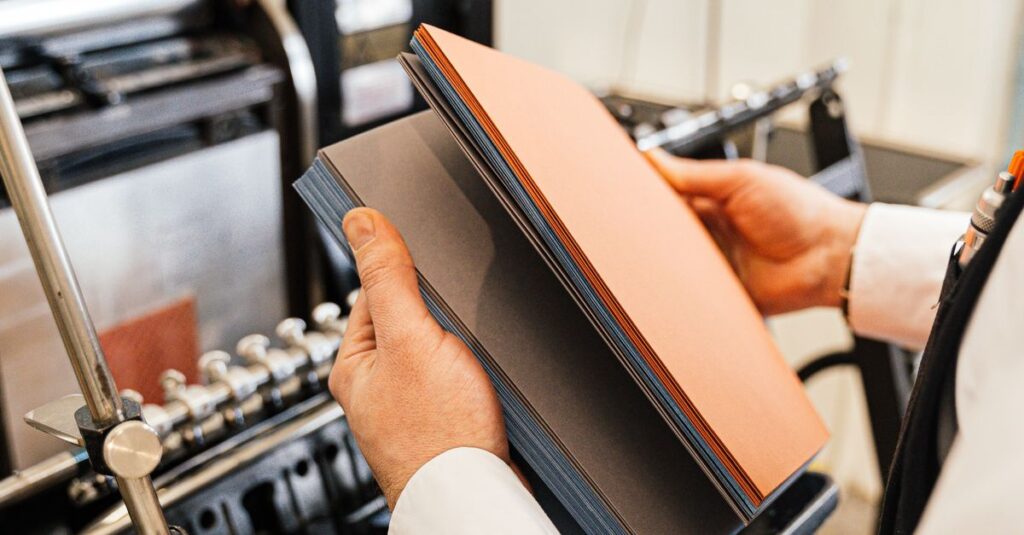
- Paper (GSM & Quality): This is where cheap suppliers cut corners. They'll use flimsy, see-through paper that bleeds ink. For a writing notebook or diary, you need at least 54-70 GSM paper that has a slight tooth to it — smooth enough to write on, but with enough grip for the pen. It feels substantial. It doesn't feel like a throwaway.
- Cover: A thin, floppy cover says “we didn't care”. A thick, laminated card cover says “this is important”. It's the first thing the user touches. It sets the tone. For corporate gifts or premium diaries, this is non-negotiable.
I've seen schools save 15% on an order by moving from a 92-page to an 88-page count because it fit a standard paper sheet size better. I've seen companies waste money on foil stamping a cover that would have looked just as good with a crisp offset print. The devil — and the savings — are in these details. Getting the specs right from the start is everything.
Expert Insight
I was reading an industry report a while back — I can't remember the exact source, but the point stuck. It said that for bulk stationery, the perceived quality is 70% determined by the paper feel and the binding integrity. Not the logo size. Not the fancy design. The basic tactile experience of opening it and writing on it. If the spine cracks on first use or the pen bleeds through, the whole exercise fails. The user might not complain, but they'll associate that flimsy feeling with your brand. That's a high price to pay for saving a few rupees per unit.
The Timeline vs. Cost Trap
This is the conversation I have most often. Procurement wants it cheap. The event manager needs it in three weeks. These two wants are at war.
Manufacturing at scale isn't fast. Sourcing the right paper, setting up the binding lines, running the job, quality checking, packing, shipping — it takes time. Rushing it costs more money (overtime, expedited shipping) and increases the risk of errors. The sweet spot for a complex custom order of, say, 10,000 diaries is usually 4-6 weeks from final sign-off.
If someone promises you 10,000 custom-bound notebooks in 10 days for a rock-bottom price, be very, very suspicious. They're either cutting a catastrophic corner or they don't understand the ask. Probably both.
And honestly? The better approach is to plan this into your annual procurement cycle. Schools do this well — they order for the next academic year in the current one. Corporations often leave it to the last minute for a Q4 gift and then panic. A little planning removes all the stress and gets you a better product.
Who This Is Really For (And Who It’s Not)
Let me be direct. If you need 50 fancy brochures for a client pitch, this isn't for you. Go find a great local print shop.
This — the search for “magazines to print” in the way we're talking — is for specific people:
- The Corporate Procurement Manager sourcing diaries, planners, or training materials for hundreds or thousands of employees.
- The School or College Administrator ordering branded notebooks in bulk for an entire grade or institution.
- The Stationery Distributor looking for reliable, consistent supply of a product line to stock shelves.
- The Marketing Manager overseeing a large conference or event who needs durable, usable swag that won't be thrown away.
- The Government Tender Officer procuring record books, account books, or standardised stationery for departments.
Your need isn't for one-off art. Your need is for industrial-scale trust. You need to know that box 1 and box 1,000 will be identical. That they'll survive the mail room and a year on a desk. That the ink won't smudge. That the order will arrive when promised.
That's a manufacturing promise, not a printing promise.
Frequently Asked Questions
What does “magazines to print” mean for businesses?
For businesses, it usually means ordering bulk, custom-printed diaries, planners, training manuals, or internal publications. It's about functional, bound print materials for employees or clients, not newsstand magazines. The focus is on durability, branding, and volume.
What's the minimum order quantity for custom notebooks?
It varies, but for a custom notebook manufacturer like us, the realistic minimum to make the setup costs worthwhile is usually around 500 pieces. For simpler customisations (like just a logo stamp), it can be lower. For full custom covers, paper, and ruling, 1,000+ is more typical.
How long does it take to print bulk diaries?
For a standard bulk order of custom diaries (say, 5,000 units), you should plan for 4 to 6 weeks from final design approval to delivery. This includes paper sourcing, printing, binding, quality checks, and packing. Rushing it is possible but adds significant cost.
Can you print our company logo on notebooks?
Absolutely. That's a core part of our custom notebook service. We can print your logo, brand colors, and even custom internal pages (like calendars, values pages) on the cover and throughout the notebook. We handle everything from your design file to the finished, boxed product.
What's the difference between spiral and stitched binding?
Spiral binding uses a plastic or metal coil, letting the book lie completely flat—great for manuals. Stitched binding (saddle stitching) uses thread through the fold, creating a very durable spine for booklets and thinner notebooks. The choice depends on page count and how the book will be used.
Wrapping This Up
So, “magazines to print”. It's a search term that hides a very specific, very common business need. You're not looking for a periodical. You're looking for a partner who understands scale, durability, and the practical reality of putting a useful printed product in hundreds of hands.
The takeaway? Don't get boxed in by the phrase. Think about the function, the quantity, and the lifespan of what you need. That will point you to the right kind of supplier every time. It's the difference between an expensive disappointment and a bulk order that actually works.
I don't think there's one perfect answer for every order. Probably there isn't. But if you've read this far, you already know what your project needs — you're just figuring out who can actually deliver it. Sometimes, it helps to just talk to someone who makes these things for a living.