

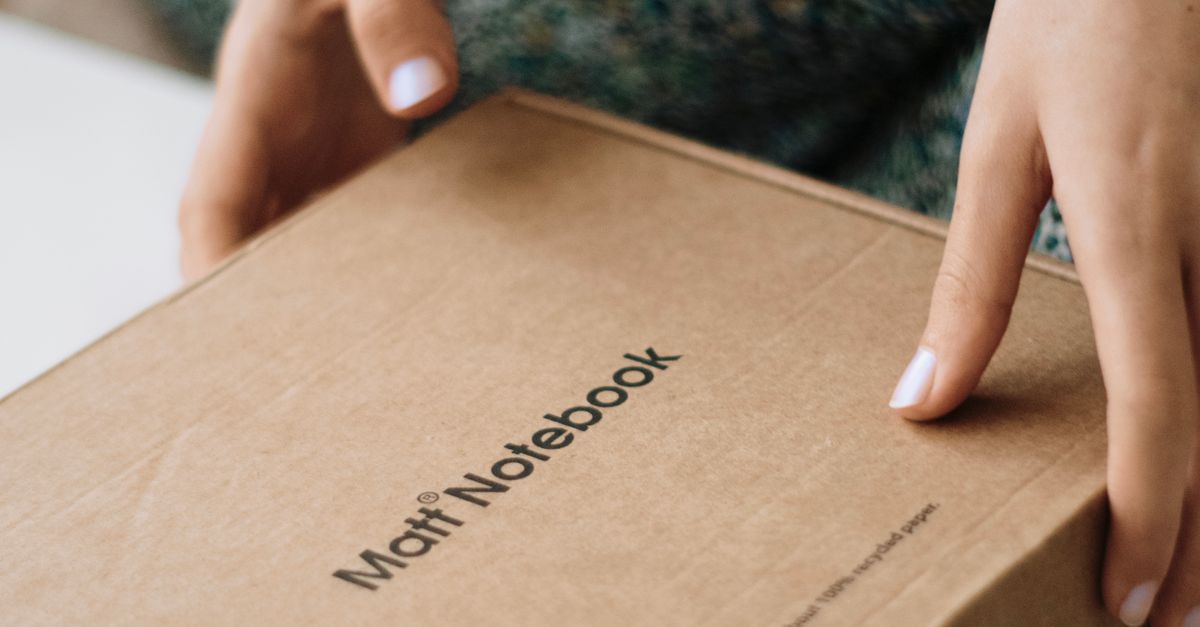
Why Most Brands Get Eco-Friendly Packaging Wrong
Here's the thing. Every corporate buyer I've spoken to this year says the same line: “We want sustainable packaging.” Then they order the same plastic-laminated boxes they've used for a decade. Not because they don't care. Because nobody gave them a real alternative that works at scale.
I get it. You're a procurement manager. You have deadlines. Budgets. And some sales guy just told you recycled paper costs 40% more and falls apart in transit. That's not a solution. That's a problem dressed up as a virtue.
So when a client asked me recently about eco-friendly packaging printing solutions for brands, I didn't give them a list of buzzwords. I told them the truth: most sustainable options in the market are either too expensive, too fragile, or too ugly to put on a shelf. But that doesn't mean you ignore it. It means you stop pretending and start asking better questions.
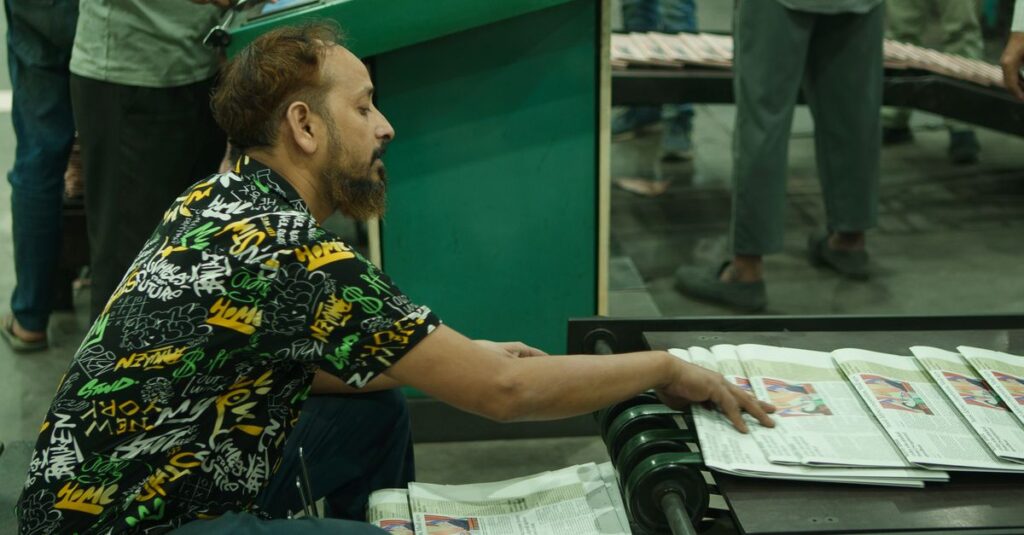
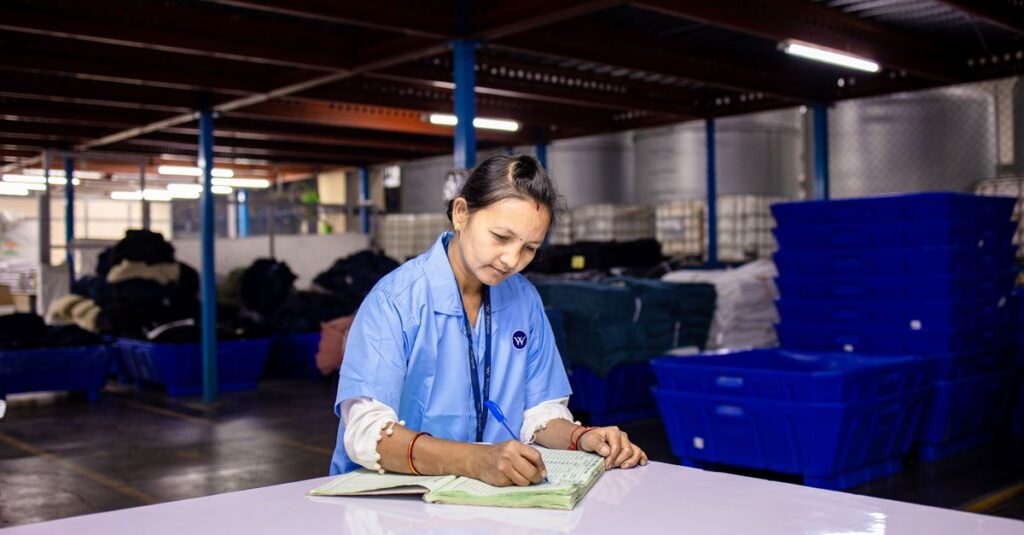
If this sounds familiar, Sri Rama Notebooks has been navigating this mess since 1985. Not with green slogans. With actual production lines.
What Eco-Friendly Packaging Printing Actually Looks Like
Let me kill a myth first. Eco-friendly doesn't mean brown cardboard with no print. That's not packaging. That's a box. And your brand won't survive on a box that looks like it came from a basement.
Real eco-friendly packaging printing solutions for brands use three things: responsible materials, clean inks, and smart design that doesn't waste space. That's it. No magic. No expensive certification that triples your cost per unit.
Materials That Actually Work
- FSC-certified paper — means the trees were replaced. Not complicated.
- Recycled board — comes from post-consumer waste. Works for notebooks, diaries, and most stationery.
- Soy-based or water-based inks — they don't leach toxins into groundwater. Simple shift.
We tested recycled board for a batch of 10,000 corporate diaries last year. The print quality? Identical to virgin stock. The cost? About 12% higher. But the client's procurement team ran the numbers differently. They factored in the marketing value. The tax benefits in their region. The fact that their biggest client specifically asked for sustainable packaging. Suddenly the 12% didn't matter.
Which is… something to think about.
The Comparison: Traditional vs. Eco-Friendly Packaging for Notebooks
I put this table together because people keep asking me to explain the difference like it's complicated. It's not.
| Feature | Traditional Packaging | Eco-Friendly Packaging |
|---|---|---|
| Material source | Virgin wood pulp, virgin plastic | Recycled board, FSC-certified paper |
| Inks used | Petroleum-based solvents | Soy-based or water-based inks |
| Cost per unit (bulk) | Baseline (₹8-12 for notebook sleeve) | 10-15% higher |
| Durability in transit | High (plastic laminate) | Medium (requires design adjustment) |
| Brand perception | Neutral to negative (younger buyers notice) | Positive (measurable in customer surveys) |
| Disposal | Landfill (non-biodegradable) | Compostable or recyclable |
The gap is closing. Two years ago I would have told you eco-friendly wasn't viable for bulk orders under 50,000 units. Now? We're doing it for 5,000-unit batches regularly. The technology caught up. Your supply chain probably hasn't.
A Real Conversation I Had Last Month
Rajesh, 42. He runs procurement for a chain of 120 schools in Andhra Pradesh. We were sitting in my office in Rajahmundry. Hot day. Third coffee of the day. No food since lunch.
He said: “I want to switch to eco-friendly packaging for all our notebooks. But my management thinks it's a fad. They want proof that parents actually care.”
I didn't have a study to show him. I don't keep those on hand. But I told him about the school in Visakhapatnam that switched last year. They printed “100% recycled packaging” on the cover. Nothing else changed. Same notebooks. Same price. Their reorder rate from parents went up 18%.
Rajesh didn't say much after that. He just nodded. Took a photo of the sample I showed him. Left without promising anything.
Three weeks later, the order came through. 15,000 notebooks. Eco-friendly packaging. Sometimes the story matters more than the spreadsheet.
Expert Insight — What Nobody Tells You About Scale
I was talking to a paper supplier last month — old guy, been in the industry since the 90s. He told me something I keep thinking about. He said the biggest problem with eco-friendly packaging isn't the cost or the material. It's the fact that most brands don't plan for it. They wait until the last minute, then panic-buy whatever's available.
He was right. I've seen it happen a dozen times. A company wants sustainable packaging for their annual diary order. They call me in November. Want delivery by December. That's not realistic with recycled stock. It takes longer to source. The lead time is real.
The solution isn't complicated — plan three months ahead instead of two. But nobody wants to hear that. They want a magic switch.
There isn't one.
Common Mistakes Brands Make With Sustainable Packaging
I see the same errors again and again. Let me save you the trouble.
- Going all-in without testing. Don't order 50,000 units of a new material before testing 500. Paper behaves differently in humid conditions. Rajahmundry is humid. Your warehouse might be too.
- Assuming eco-friendly means lower quality. It doesn't. But if you buy the cheapest recycled board from an unknown supplier, yes, it will fall apart. That's not a material problem. That's a vendor problem.
- Ignoring the printing process itself. You can put the greenest ink on recycled paper. But if your printer uses alcohol-based solvents in the press, you've lost the point. Ask about their process. Most printers won't tell you unless you ask.
- Not communicating it to your customer. We printed eco-friendly packaging for a brand last year. They didn't put any label on it. No mention. Zero. The packaging was greener, but nobody knew. That's not sustainability. That's a missed opportunity.
Look, the thing about eco-friendly packaging printing solutions for brands is that they work when you commit. Half-measures don't. And honestly? I'd rather you didn't bother at all than slap a green leaf icon on conventional plastic. That's just lying.
Frequently Asked Questions
Frequently Asked Questions
What are eco-friendly packaging printing solutions for brands?
They're printing methods and materials that reduce environmental harm. This includes using recycled paper, FSC-certified board, soy-based inks, and water-based coatings. For notebook and diary brands, this means packaging that looks good, protects the product, and doesn't sit in a landfill for 500 years.
Is eco-friendly packaging more expensive for bulk orders?
Usually 10-15% more than conventional options. But the gap is shrinking. Some recycled board prices are now only 5-8% higher. Plus, many corporate buyers and schools factor in the marketing and compliance benefits. The real cost isn't the material — it's not planning ahead.
Can you print logos and branding on eco-friendly packaging?
Yes. Absolutely. Eco-friendly doesn't mean plain. We print full-color logos, foil stamping, embossing, and custom designs on recycled and FSC-certified materials. The print quality is identical to conventional stock. The only difference is the material underneath.
How do I know if a packaging supplier is actually eco-friendly?
Ask three questions: What material certification do you hold? What inks do you use? Can I visit your facility? If they hesitate on any of these, keep looking. Real sustainable printing is transparent. If they can't show you their paper source, assume it's greenwashing.
What's the minimum order for custom eco-friendly notebook packaging?
For simple custom printing on recycled board, we start at 1,000 units. For fully custom packaging with branding and design, minimum is usually 5,000 units. Smaller runs are possible but cost efficiency improves significantly at higher volumes. Best to call and discuss your specific quantity.
So What Do You Actually Do?
Honestly, I don't think there's one perfect answer here. The packaging that works for a corporate diary in Hyderabad might not work for a school notebook in a coastal town. The humidity alone changes the game. But here's what I know for sure: waiting until next year won't make the materials cheaper or the process easier. The technology is ready now. Your supply chain needs to catch up.
If you're tired of reading articles that tell you sustainability is easy — it's not — and want to talk to someone who actually manufactures the stuff, Sri Rama Notebooks has been doing this since before eco-friendly was a marketing term. Give us a call. We'll tell you what works and what doesn't. No sales pitch. Just a conversation.