What Is Printing Technology in Notebook Manufacturing?
Here's something I've noticed after years in this business. Most people ordering notebooks in bulk — school supplies, corporate diaries, whatever — they don't really think about printing technology. They think about paper weight. Binding strength. Cover color. But printing? They assume it just happens.
It doesn't. And if you get it wrong, everything else stops mattering.
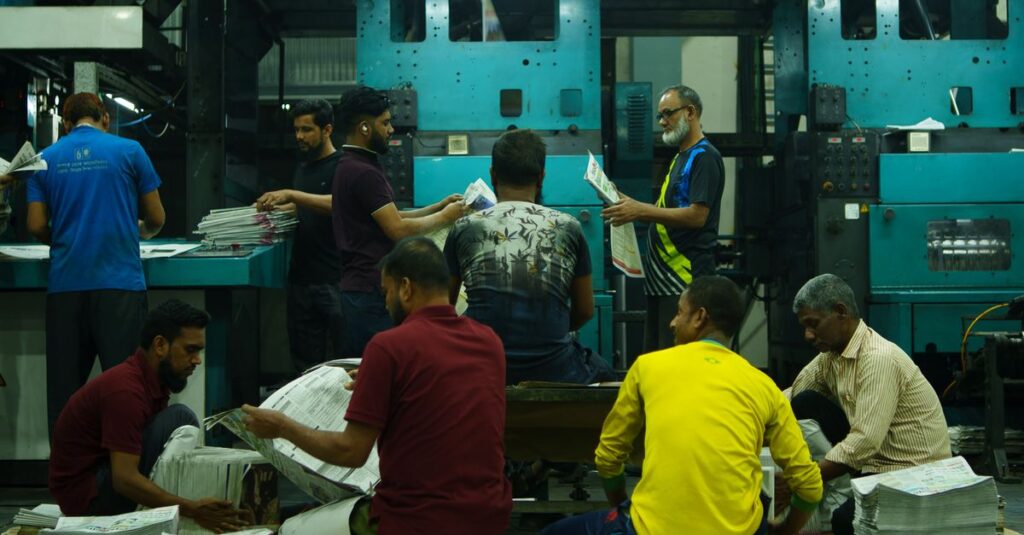
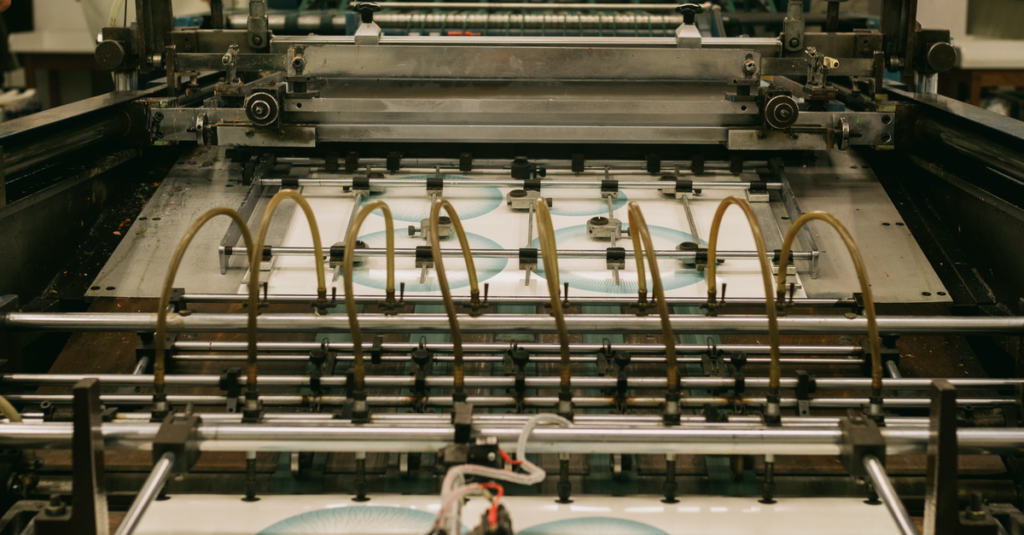
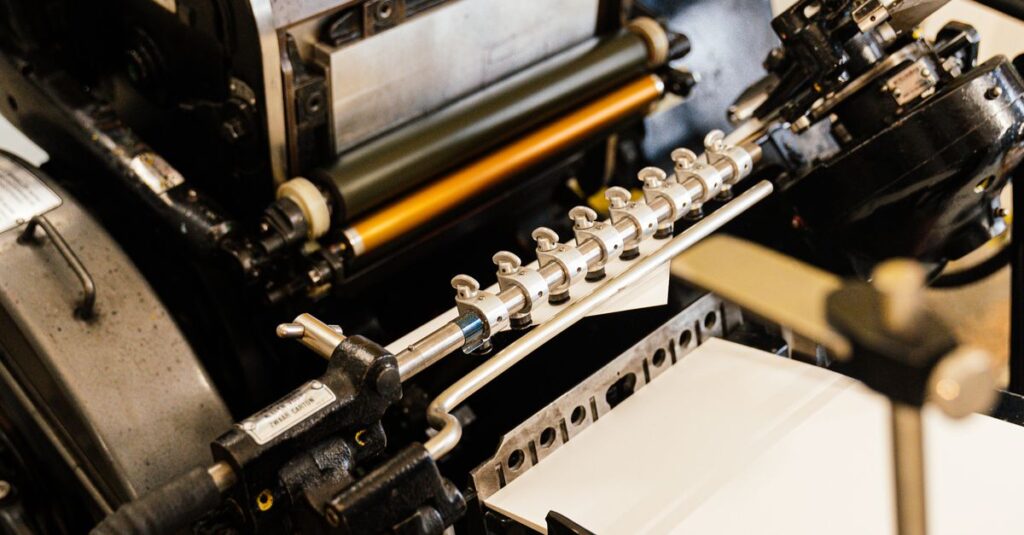
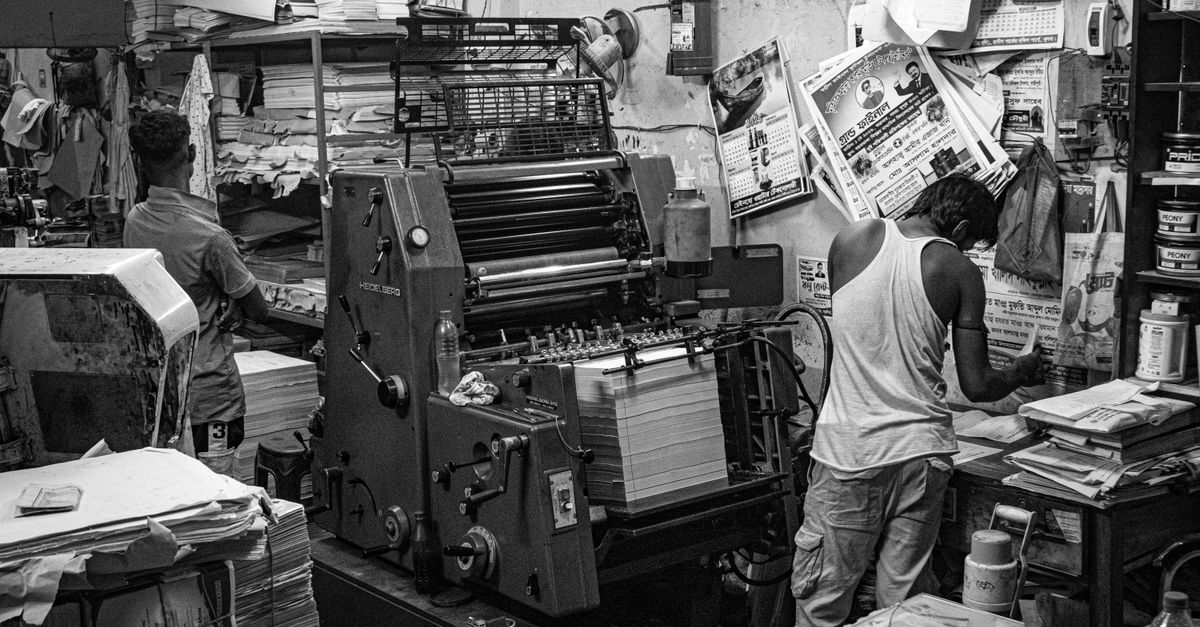
Printing technology refers to the method used to transfer ink onto paper — or cover material, in our case. In notebook manufacturing, two main technologies dominate: offset printing and digital printing. Each has its own strengths, weaknesses, and sweet spots. And knowing the difference can save you both money and headaches.
At Sri Rama Notebooks, we've been using both for decades. So let me walk you through what actually matters.
Offset Printing vs Digital Printing – Which One Works for Bulk Notebooks?
| Factor | Offset Printing | Digital Printing |
|---|---|---|
| Best for | Large runs (500+ notebooks) | Small runs (under 500) or prototypes |
| Color quality | High, consistent, Pantone matching | Good, but slight variation |
| Cost per unit | Decreases with quantity | Flat, higher per piece |
| Setup time | Longer (plates, drying) | Fast, no plates |
| Customization per piece | Not ideal (same print each) | Variable data possible |
| Durability | Ink bonds well, long-lasting | Good for short-term use |
The short version? If you're ordering 5000 notebooks for your school, offset is the way. Digital is great for sample runs or when you need different names on each diary. I've seen companies waste money by choosing the wrong one. Don't be that person.
Specialty Printing Techniques That Set Your Notebook Apart
Okay, so you've decided on offset or digital. That's step one. But if you want your notebooks to actually stand out — like, not just blend into a stack on someone's desk — you need specialty printing technology.
Things like:
- Foil stamping – metallic gold, silver, or custom colors on the cover
- Embossing / debossing – raised or recessed logos and text
- Spot UV coating – shiny gloss on specific areas
- Screen printing – thick ink, great for fabric or textured covers
We use these mostly for corporate diaries and premium notebooks. A procurement manager once told me — I'll never forget it — he said, “The first time I saw the foil stamp on our diary, I knew we picked the right supplier.” That was David, from a logistics firm in Dubai. He'd been burned by cheap printing before.
These techniques add maybe 10-15% to the cost. But the perceived value? Much higher.
Expert Insight
I remember a conversation with an old-timer printer in Rajahmundry — he's retired now. He told me that offset is like cooking biryani in a big pot. You can't just add a little more spice halfway through. Everything has to be measured beforehand. Digital is more like making instant noodles — quick, convenient, but you miss the depth. I think about that every time we set up a print job.
How Printing Technology Affects Your Notebook Quality and Cost
Let me tell you about Ravi. He's 42, works as a procurement manager for a chain of schools in Vijayawada. He ordered 20,000 notebooks last year. Went with the cheapest quote. The printer used a low-end digital process because they didn't have offset capacity. The ink smudged after three months. The covers faded. Students complained. Teachers complained. Ravi spent weeks handling returns.
He came to us this year. We printed the same notebooks using offset with a silk-screen logo overlay. Cost was higher per notebook. Total cost? Actually lower, because he didn't have to reorder halfway through the year.
That's the thing about printing technology. You don't see the problem until later. And then it's too late.
Frequently Asked Questions
What printing technology is best for school notebooks?
Offset printing is usually best for school notebooks because of the high volume and consistent quality. It keeps cost per unit low and handles standard rulings well. We use offset for all our bulk notebook manufacturing at Sri Rama Notebooks.
Can you print logos on notebooks with digital printing?
Yes, digital printing works well for smaller quantities or when you need different logos per notebook. But for a single logo across thousands, offset gives sharper detail and better color matching. We recommend offset for bulk orders.
How does foil stamping differ from regular printing?
Foil stamping uses heat and pressure to transfer metallic foil onto the cover. It's not ink-based. The result is shiny, reflective, and very durable. It costs more but adds a premium feel. Regular printing uses ink and is cheaper but less eye-catching.
What is the minimum order for custom printing on notebooks?
For offset printing, we typically require 500 notebooks minimum. Digital printing can handle as few as 50. But if you want specialty techniques like embossing or foil, we suggest at least 200 to make setup worthwhile.
Does printing technology affect notebook durability?
Absolutely. Offset-printed ink bonds better with paper and withstands handling, moisture, and time. Digital toner can crack or fade faster. If you need notebooks that last a full academic year or longer, offset is the safer choice.
Conclusion
I've been in this industry since the 80s. Seen printing technology change from manual letterpress to digital to hybrid systems. The core truth hasn't changed: pick the right method for your quantity and purpose.
Two takeaways. One: offset for bulk, digital for small runs. Two: specialty finishes are worth the investment if you want people to remember your brand.
I don't think there's one perfect answer for every buyer. But if you're still reading, you probably know what you need. The next step is just asking the right questions.
Interested in getting custom notebooks printed? Contact Sri Rama Notebooks for a quote.