

What Exactly Is a Spiral Binding Note Book?
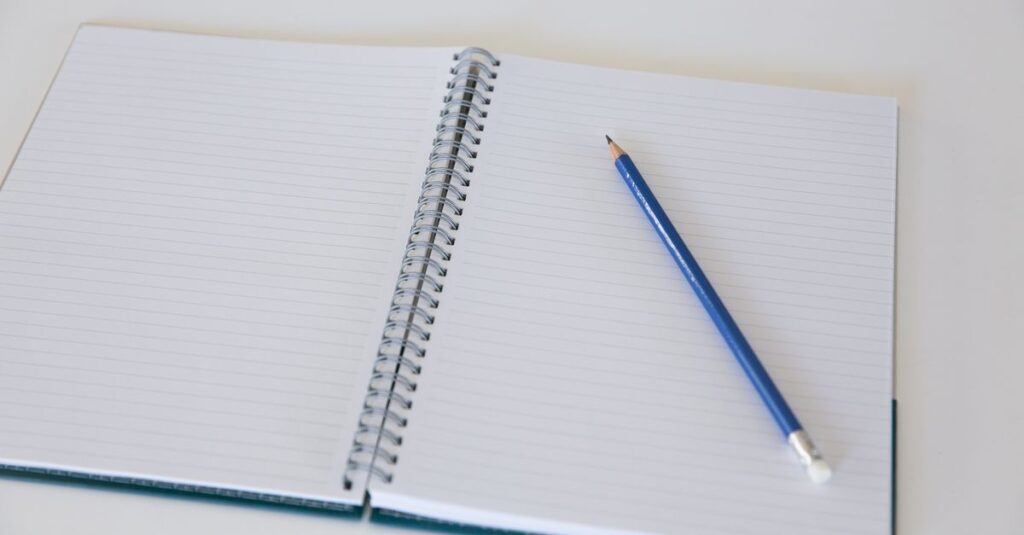
Let me be honest with you. When someone says “spiral binding note book,” half the time they’re just describing any notebook with a wire coil. And the other half? They’re specifically looking for something that lies flat. Doesn’t fight back when you try to write near the spine. That kind of notebook.
I’ve been in this business since 1985. Seen a lot of notebooks. And I’ll tell you this — a good spiral binding note book is not just about the wire. It’s about the paper, the cover, the way the whole thing holds together after six months of being shoved in a bag.
If you’re ordering in bulk — for a school, a corporate event, or a government tender — you need to know what you’re actually getting. Not just the name. The real thing. And if this sounds familiar, Sri Rama Notebooks has been making these for decades.
How Spiral Binding Actually Works
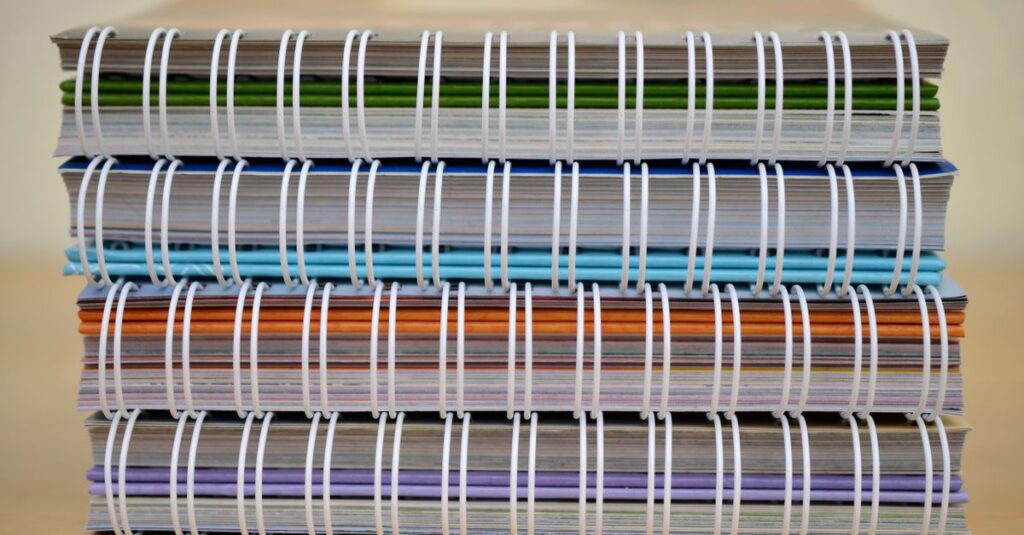
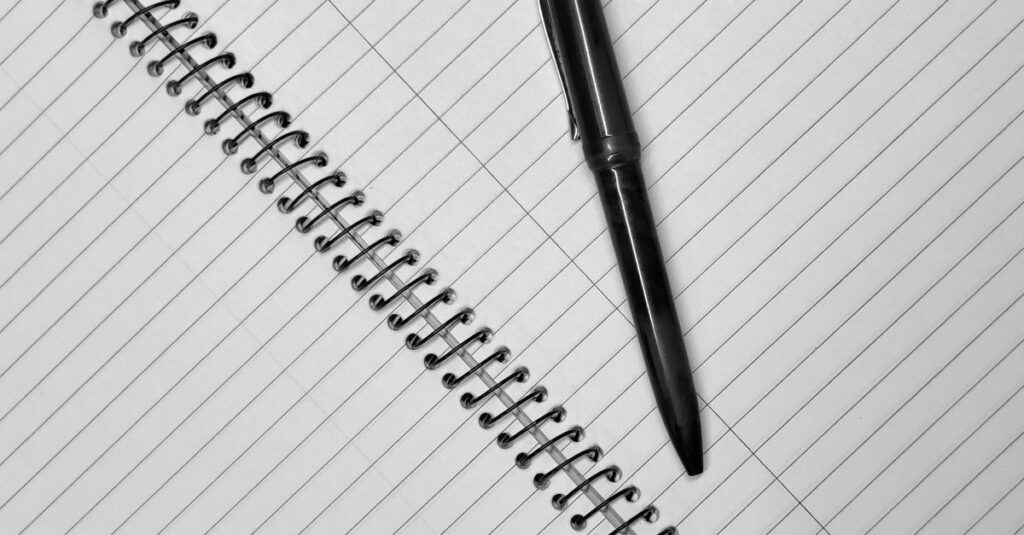
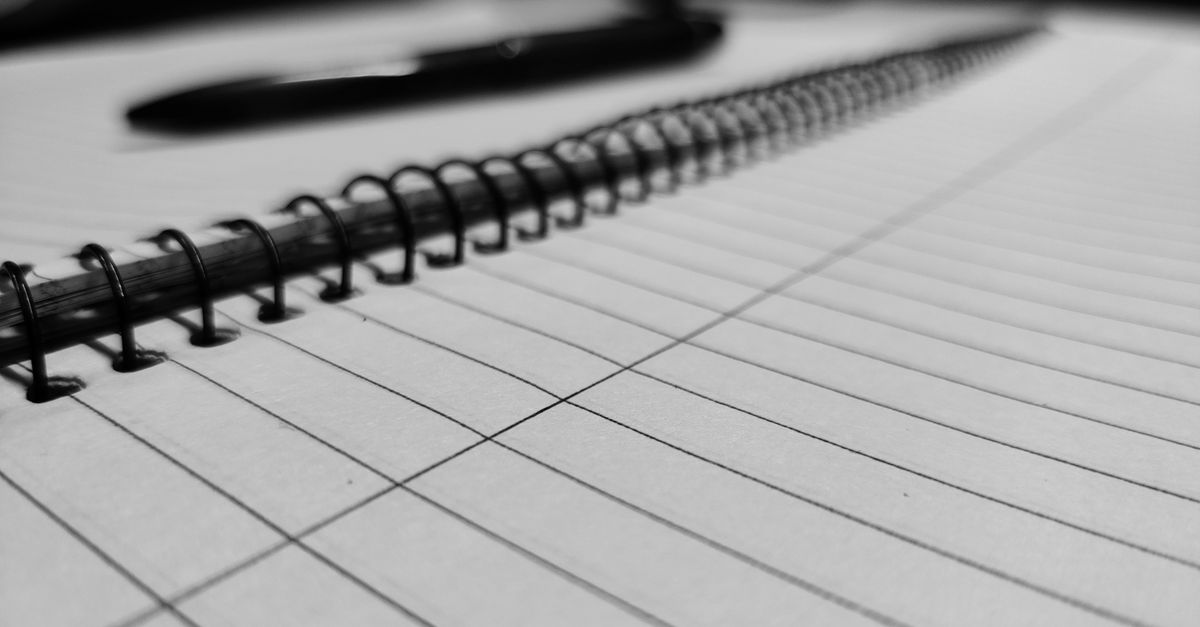
Here’s the thing about spiral binding — it’s simple. Deceptively simple. You take a stack of paper. You punch holes along one edge. Then you thread a wire coil through those holes. That’s it. That’s the whole process.
But the difference between a notebook that falls apart and one that lasts? It’s in the details.
- Wire gauge: Thicker wire means the notebook stays closed. Thin wire bends. You don’t want thin wire.
- Punch alignment: If the holes are even slightly off, the pages won’t turn smoothly. Drives me crazy when I see that.
- Coil pitch: The spacing between loops. Too wide and pages catch. Too tight and the paper tears.
I was talking to a procurement manager last month — Rajesh, from a school chain in Vizag. He said his biggest headache was notebooks where the spiral would pop out after two months. I told him: that’s not a spiral problem. That’s a manufacturing problem.
Most people don’t realize this, but the coil itself needs to be crimped at both ends. Properly. If it’s not, the whole thing unravels. Literally.
Expert Insight
I remember a conversation from years ago — must have been 2018, maybe 2019. A supplier from Coimbatore was showing me their spiral binding machine. He said something that stuck with me: “The wire doesn’t care about your deadline.” What he meant was — rushing the binding process always shows. Always. You can’t speed up the punch alignment. You can’t fake a good crimp. Either the coil is seated right, or it isn’t. There’s no middle ground.
And honestly? That’s true for most things in manufacturing. But especially for spiral binding.
Spiral vs. Stitched vs. Perfect Binding — Which One Do You Actually Need?
This is where most buyers get confused. And I don’t blame them. The names sound technical. But the difference is pretty straightforward once you see it.
| Feature | Spiral Binding | Stitched Binding | Perfect Binding |
|---|---|---|---|
| Lays flat when open | Yes — 180 degrees | No — fights back | No — needs breaking in |
| Durability | High — if wire is thick | Very high — sewn sections | Medium — glue can crack |
| Pages can be removed | Yes — easily | No — not without damage | No — pages are glued |
| Best for | Students, artists, corporate diaries | Account books, long-term records | Hardcover notebooks, premium diaries |
| Cost per unit (bulk) | Medium | Low | High |
| Customization ease | Easy — logo printing, cover design | Moderate | Easy — but expensive |
Look, I’m not saying spiral is always better. It’s not. If you need a notebook that will survive ten years in a government archive, go with stitched binding. But if you need something that students can actually write in — without breaking the spine — spiral is the way to go.
And here’s a thing nobody tells you: spiral binding note books are actually cheaper to produce in small batches. The setup cost is lower. So if you’re ordering 500 or 1000 units for a corporate event, spiral makes more sense financially.
A Real Story — Why One School Switched to Spiral
Let me tell you about a school in Kakinada. St. Mary’s High School. The procurement head, a woman named Anjali, called me three years ago. She was frustrated. The stitched notebooks they were buying — the pages would come loose by mid-term. Kids were losing notes. Parents were complaining.
She said, “I need something that doesn’t fall apart.”
I suggested a spiral binding note book. 92 pages. Single ruled. 54 GSM paper. Thick cover. She ordered a trial batch — 2000 units. Six months later, she called back. Ordered 15,000. No complaints. Not one.
The reason? Spiral binding distributes stress evenly across the spine. Stitched binding concentrates it at the fold. Over time, that fold weakens. With spiral, the pages move independently. Less stress. Less damage.
Anjali told me later: “I didn’t think a notebook could make my job easier. But it did.”
That stuck with me.
What to Look for When Ordering Spiral Binding Note Books in Bulk
If you’re a procurement manager or a distributor, you’re not buying one notebook. You’re buying thousands. Maybe tens of thousands. So the stakes are different.
Here’s what I’ve learned from 40 years of making these:
- Check the paper weight. 54 GSM is standard. 60 GSM is better. Anything below 50 GSM and you’ll see ink bleed-through. Don’t compromise on this.
- Look at the cover material. 250 GSM cover stock is minimum. 300 GSM is ideal. If the cover is flimsy, the notebook won’t survive a school year.
- Inspect the coil ends. They should be crimped flat. If they’re sharp or sticking out, someone will get scratched. And they’ll blame you.
- Ask about the punch die. A worn-out die creates uneven holes. Uneven holes mean pages that don’t turn. Test a sample before committing.
- Verify the ruling. Single ruled, double ruled, four ruled — make sure the spacing matches what the end user needs. Sounds obvious, but I’ve seen orders go wrong because someone assumed “standard ruling.”
I think — and I could be wrong — that most bulk buyers overthink the binding type and underthink the paper quality. The binding holds the notebook together. But the paper is what people actually write on. Get both right.
If you want to see how we handle this at our factory, check out our product range.
Customization Options for Spiral Binding Note Books
This is where things get interesting. A plain spiral notebook is fine. But a customized one? That’s a different animal.
We do logo printing. Embossing. Foil stamping. Custom cover designs. Private label — where your brand goes on the cover and nobody knows we made it. OEM manufacturing for companies that want their own specifications.
I’ve seen corporate diaries with foil-stamped logos that looked better than the company’s own brochures. I’ve seen school notebooks with custom four-ruled pages that made handwriting practice actually work.
The point is: a spiral binding note book doesn’t have to be generic. It can be exactly what you need. The only limit is your budget and your imagination.
But here’s the catch — and I’ll be direct about this — customization adds lead time. If you need 10,000 notebooks in a week, you’re not getting custom covers. You’re getting standard stock. Plan ahead. Most bulk orders need 15-20 days for production, especially if there’s printing involved.
We export to the Gulf, Africa, the US, the UK, Europe, and Australia. So we know how to handle large orders. But even we can’t rush a good print job.
Frequently Asked Questions
What is a spiral binding note book?
A spiral binding note book uses a wire coil that passes through punched holes along one edge of the paper. This allows the notebook to open flat and pages to turn 360 degrees. It’s commonly used for school notebooks, corporate diaries, and artist sketchbooks.
Is spiral binding durable for daily use?
Yes, if the wire gauge is thick enough and the coil ends are properly crimped. A well-made spiral binding note book can last an entire school year or more. The key is quality manufacturing — thin wire and poor crimping will cause failures.
Can I get custom logos printed on spiral binding note books?
Absolutely. Most manufacturers, including Sri Rama Notebooks, offer logo printing, embossing, foil stamping, and custom cover design for bulk orders. Minimum order quantities apply, typically starting at 500 units depending on the complexity.
What paper weight is best for a spiral binding note book?
54 GSM is the standard for school notebooks. 60 GSM or higher is better for corporate diaries or notebooks where fountain pens might be used. Lower GSM paper can cause ink bleed-through and feels flimsy.
How do I order spiral binding note books in bulk?
Contact the manufacturer directly with your requirements — quantity, size, page count, ruling type, cover design, and any customization needs. Request samples first. Once approved, the manufacturer will provide a timeline and pricing. For Sri Rama Notebooks, call +91-8522818651 or email support@sriramanotebook.com.
So — Is a Spiral Binding Note Book Right for You?
I don’t think there’s one answer here. Probably there isn’t. It depends on what you need. If you want a notebook that lies flat, survives daily use, and doesn’t cost a fortune — spiral is a solid choice. If you need something archival, go stitched. If you want premium presentation, go perfect bound.
But here’s what I know for sure: a good spiral binding note book, made with decent paper and proper wire, will never let you down. It’s not flashy. It’s not fancy. It just works.
And in my experience, that’s what most people actually want. Something that works. Without drama.
If you’re ready to order — or just want to talk through your options — Sri Rama Notebooks is here. We’ve been doing this since 1985. We’re not going anywhere.