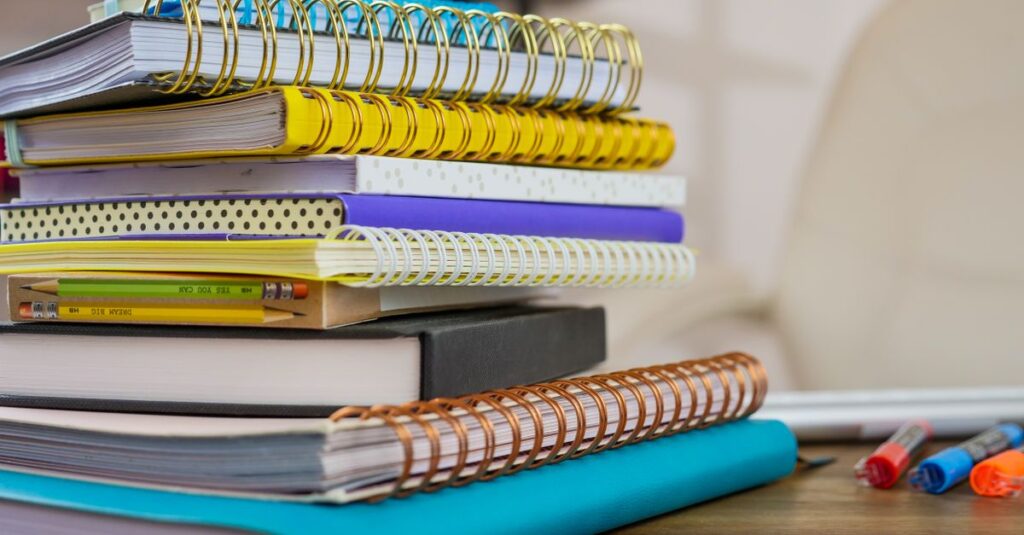
I’ve been around notebooks my whole working life. And here’s something not enough people talk about: most writing notebooks are just… fine. They work. But they don’t feel right. You know the ones I mean. The paper feathers when you write. The binding cracks after a month. The cover curls up because the lamination was cheap.
I think — and I could be wrong — that the reason people give up on physical notebooks isn’t about going digital. It’s about buying one too many disappointing notebooks. And that’s a real shame, because writing on paper is different. It forces a slower kind of thinking.
If you’re ordering notebooks for a school, a college, a corporate office, or even just trying to find a decent writing notebook that doesn’t frustrate you — this is for you. We’ve been making these since 1985 in Rajahmundry. I know a thing or two about what works.
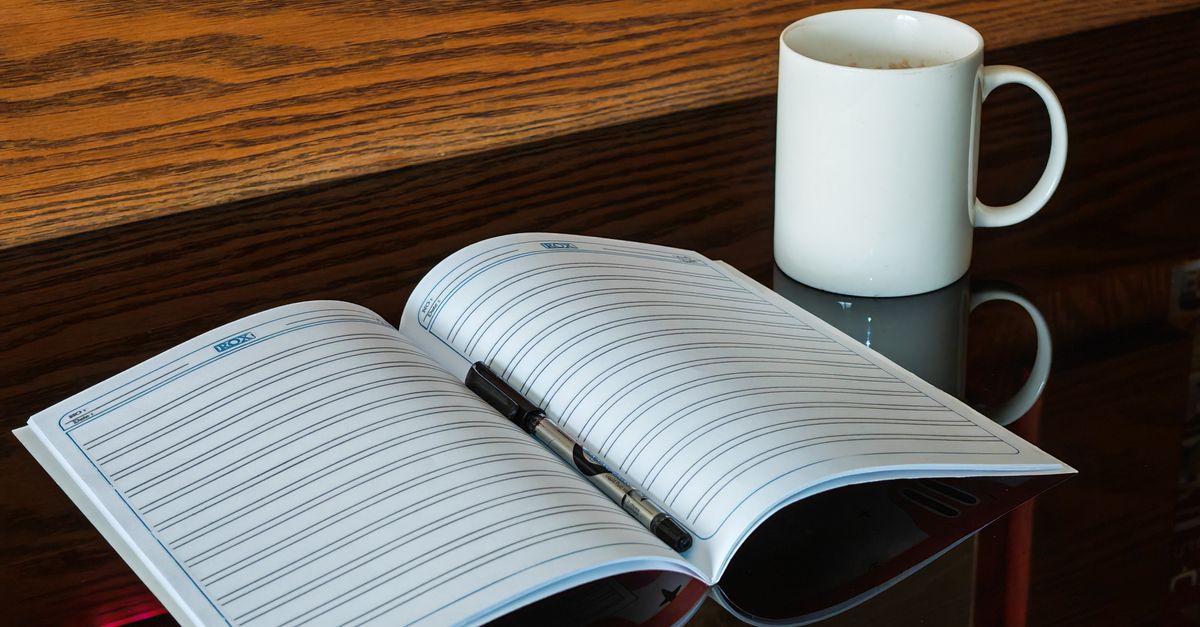
What a Writing Notebook Actually Needs
Let’s cut the nonsense. A writing notebook needs exactly three things:
- Paper that doesn’t bleed or feather
- A binding that stays flat when you open it
- A cover that survives being thrown in a bag
That’s it. That’s the whole list. Everything else — ruling, size, page count — is preference. But if the paper is bad and the binding breaks, nothing else matters.
I’ve seen schools order 10,000 notebooks on price alone. And six months later, half of them have pages falling out. Then they come back to us. Because cheap isn’t cheap when you have to reorder.
Nine times out of ten, the problem isn’t the paper GSM or the cover thickness. It’s the binding. Stitched binding holds. Spiral binding holds if the wire gauge is right. Perfect binding? Good luck if the glue quality is low. We use EVA hot melt. It’s not fancy. It just works.
Here’s the thing about paper quality: 54 GSM is standard for most writing notebooks. But GSM alone doesn’t tell you about the sizing. Some papers feel rough because the manufacturer skimped on internal sizing. You write on it, and the ink spreads like gossip in a small town. Not good.
We test each batch of paper before it goes on the machine. I’ve stood there and watched. It takes fifteen minutes. Saves a lot of phone calls later.
Anyway. Where was I.
Right. So the real question isn’t “is this notebook cheap?” It’s “will this notebook still be intact when the last page is used?” Most people buy on price. Then they wonder why the writing experience is frustrating. I don’t have a clean answer for that — except that experience costs a little more upfront, and saves a lot of money later.
Why Most Writing Notebooks Fail You
I was talking to someone about this last week — over chai, actually, at a shop near our factory — and he said something that stuck with me.
His name is Ravi. He’s 38, runs a small stationery distribution business in Kakinada. He said: “I get notebooks from six different manufacturers. And every time I open a fresh box from some new supplier, I hold my breath.”
That’s the problem right there. You shouldn’t hold your breath when you open a notebook.
Here are the most common failures I’ve seen in thirty-nine years:
- Paper that ghosts. You write on one side, and the ink shows through to the other. Drives students crazy.
- Spiral binding that unravels. The wire isn’t crimped properly. First week, pages start falling out.
- Cover delamination. The film separates from the paper. Looks terrible within a month.
- Ruling that smudges. Sometimes the lines aren’t dry before binding. They run when you write on them.
None of these are expensive problems to fix. They’re just carelessness. The manufacturer trying to save two paise per notebook. Which is a lot when you make 30,000 a day, yes. But the cost of returned orders is higher.
What most people don’t realize is that paper behaves differently depending on where you are. Humidity in coastal Andhra is different from inland. The same paper stock that works fine in Hyderabad might curl in Vizag. We adjust our storage and production based on that. Small thing. Makes a difference.
But that’s a separate thing.
Comparison Table: Stitched vs Spiral vs Perfect Binding for Writing Notebooks
| Feature | Stitched Binding | Spiral Binding | Perfect Binding |
|---|---|---|---|
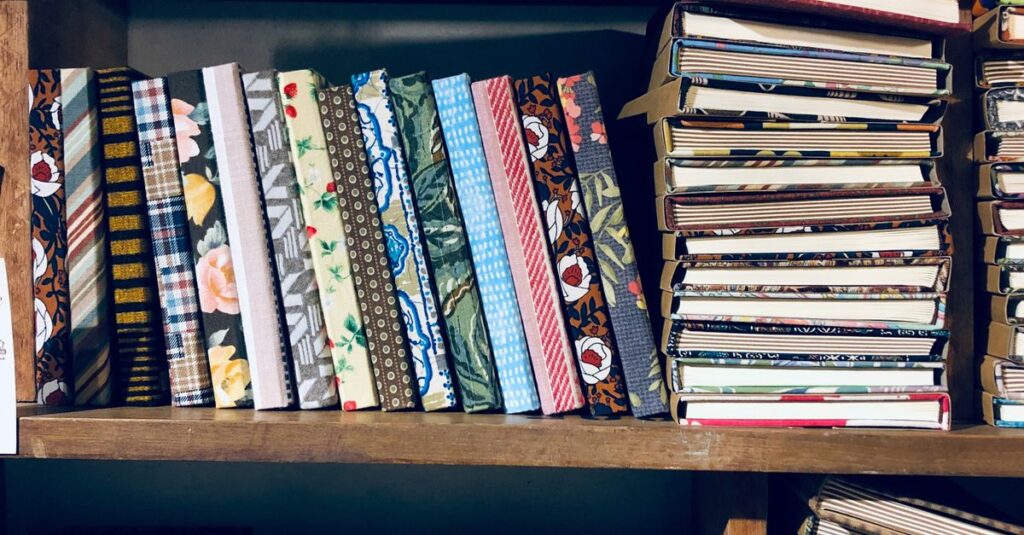
| Durability | High — can last years | Medium — depends on wire gauge | Low to Medium — glue can crack |
| Lays flat when open | Yes, after breaking in | Yes, completely flat | No — needs to be held down |
| Tear-out ability | Poor — pages are sewn in | Easy — perforation needed | Poor — pages will tear unevenly |
| Cost per unit (bulk) | Medium | Higher (wire + machine time) | Lowest |
| Best for | Students, long-term use | Corporate diaries, meetings | Budget notebooks, giveaways |
| Repairability | Hard to repair | Can be re-crimped sometimes | Not repairable |
I’ve heard this enough times now that I know it’s not a coincidence: people prefer stitched for school notebooks and spiral for corporate diaries. Perfect binding sells because it’s cheap. But nobody ever calls to thank us for a perfectly glued notebook. They just expect it to hold. And often, it doesn’t.
The Paper Problem Nobody Talks About
Let me tell you about a conversation I had.
Ananya. 29. Procurement manager for a chain of 12 private schools in Visakhapatnam. She called me two years ago, frustrated. “We bought 8,000 notebooks from a new supplier. They were cheap. Now parents are complaining that the kids’ work looks messy because the ink bleeds.”
She didn’t say “we made a mistake.” But we both knew.
The paper in those notebooks was 50 GSM with poor sizing. The mill had cut corners. And now 8,000 notebooks were sitting in a warehouse, usable only for pencil work.
Here’s what I wish more buyers knew: paper quality isn’t just GSM. It’s the sizing. Sizing is the chemical treatment that makes paper resist ink. Bad sizing = feathering. Good sizing = crisp lines. You can’t see it by looking. You have to test it.
We use 54 GSM for our standard writing notebook stock. But we could print on 60 GSM or 70 GSM if you need heavier paper. The key is the sizing consistency. We buy from suppliers we’ve worked with for fifteen years. Not because they’re the cheapest. Because their sizing is consistent batch to batch.
I think the real problem is that most buyers don’t know what to ask for. They ask for “good paper.” That’s like asking for “good food.” Helpful, but not specific enough.
(Ananya now orders with us. Her parents stopped complaining.)
What Corporate Buyers Get Wrong About Writing Notebooks
If you’re a procurement manager or a distributor, I’ve seen you do this:
You open five samples. You check the cover. You flip through the pages. You check the price. You place the order.
And two months later, someone calls saying the cover is peeling.
I’m not blaming you. You’re busy. You’ve got a thousand things to do. But here’s what you’re missing:
- The wire gauge on spiral binding. Thicker wire costs more but doesn’t bend. Thin wire saves money but warps. We use 1.2mm wire for our diaries. Not 0.8mm.
- The stitch count. Cheap stitched notebooks use two stitches per signature. We use four. It takes longer on the machine. The notebook lasts three times longer.
- The cover laminate thickness. 12 microns peels. 25 microns holds. The difference is invisible until it fails.
And honestly? Most of the time, you can’t tell until it’s too late. Which is why I always say: ask your manufacturer about these three things before you order. If they hesitate or give vague answers — red flag.
In my experience working with procurement teams, the ones who come back year after year are the ones who stopped optimizing for price alone. They optimized for reliability. Then the price became secondary.
Expert Insight
I was reading something last month — an old factory operations manual, actually — and one line stuck with me. The author said that the best notebooks aren’t made by the fastest machines. They’re made by the most attentive operators.
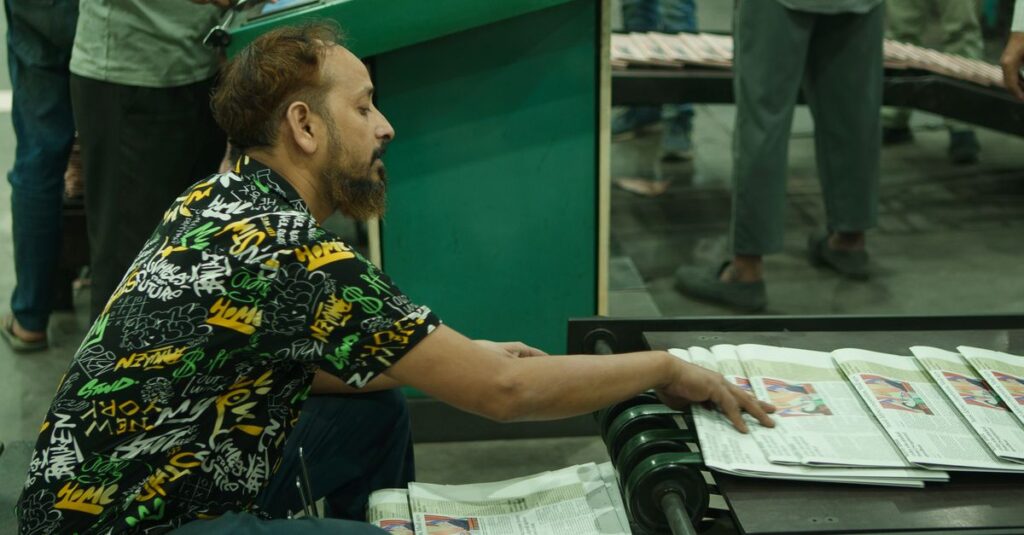
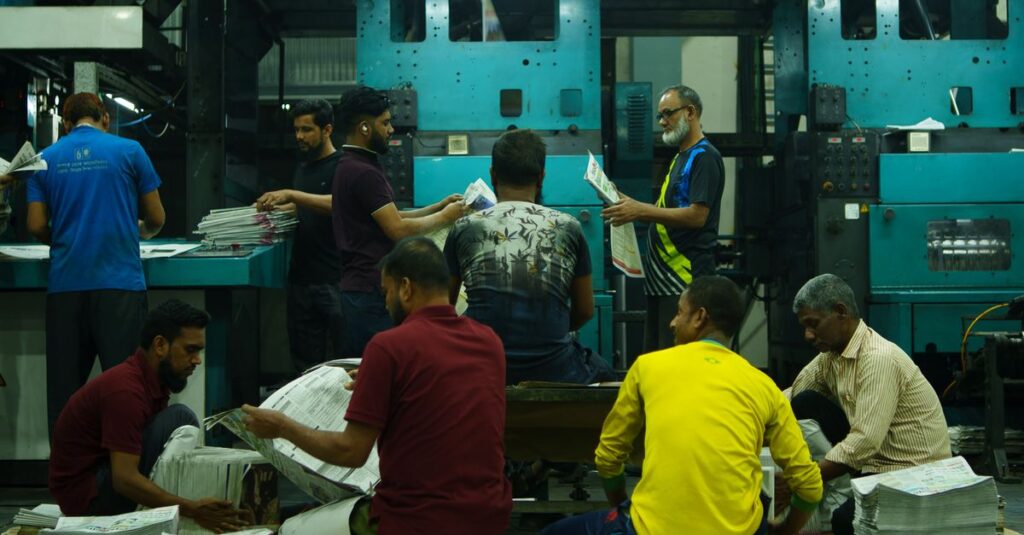
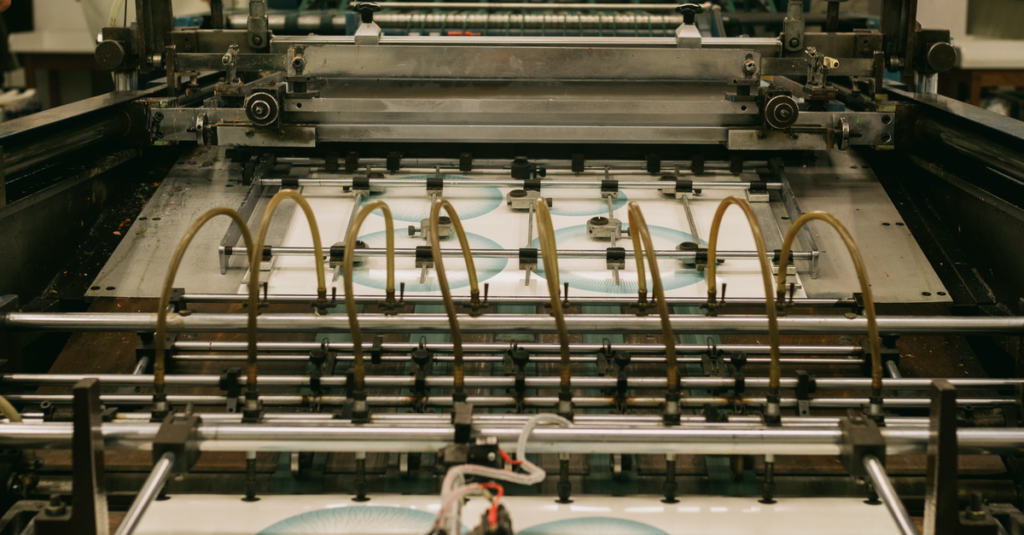
I don’t have a cleaner way to put it than that. Our fastest machine runs at about 200 notebooks per minute. But my best operator, Venkatesh, has been with us for 22 years. He stops the line if the paper feels wrong. He can tell by the sound of the machine when the glue temperature is off by two degrees.
That kind of attention can’t be put into a spec sheet. But it shows up in every single notebook that leaves our factory.
The question isn’t whether you can find a cheaper notebook. You can. The real question is whether you’ll be happy with it three months later.
Frequently Asked Questions
Frequently Asked Questions
What is the best paper GSM for a writing notebook?
For everyday writing with ballpoint or gel pens, 54 to 60 GSM works well. Fountain pen users should go for 70 GSM or higher to prevent bleed-through. At Sri Rama Notebooks, we use 54 GSM for standard notebooks — it’s tested for consistent ink resistance.
How do I choose between stitched and spiral binding?
Stitched binding lasts longer and is ideal for students who keep notebooks all year. Spiral binding lays flat and is better for corporate diaries or meeting notepads. If you’re ordering for an office, go spiral. For schools, go stitched. Both are available in bulk from us.
Can I get custom printing on writing notebooks?
Yes. We offer logo printing, embossing, foil stamping, and custom cover design. Minimum order varies by customization type. We produce 30,000-40,000 notebooks daily, so bulk orders with custom branding are our standard work. Email us at support@sriramanotebook.com for a quote.
What sizes are available for writing notebooks?
We manufacture King, Long, Short, A4, A5, Crown, and Account sizes. The most common for writing notebooks are Long (27.2 cm x 17.1 cm) for general use and A4 for student notebooks. Custom sizes are possible for bulk orders.
Do you export writing notebooks to other countries?
Yes. We export to Gulf countries, Africa, USA, UK, Europe, and Australia. Our packaging is export-grade with proper carton packing. We handle all documentation. Call us at +91-8522818651 to discuss your requirements and timeline.
One Last Thing
I don’t think there’s a perfect writing notebook. Probably there isn’t. Because “perfect” depends on who’s holding the pen and what they’re writing. A student in a government school needs something different from a CEO in a boardroom.
But here’s what I know for sure: a good writing notebook doesn’t get in the way. It doesn’t make you think twice about the paper. It doesn’t frustrate you halfway through. It just… works. You write. The paper holds. The binding stays. The notebook survives.
If that sounds simple — it should be. The hard part is finding a manufacturer who still cares about the simple things.
Sri Rama Notebooks — we’ve been making them since 1985. Talk to us when you’re ready for the ones that work.