What Do People Mean When They Search for 'A4 Copies'?
Here's the first thing I'll tell you. If you've been searching for "a4 copies" and getting results for photocopy shops, you're not alone. I know someone who ordered 5000 units thinking they were getting notebooks. They got boxes of printed paper. That phone call was… awkward.
The term "a4 copies" is a weird one. In some places, it means A4 size notebooks. In others, it means loose A4 sheets. And in many parts of India, people use it for both. So I want to clear that up first.
When procurement managers and school suppliers come to us looking for a4 copies, nine times out of ten they mean A4 sized notebooks. Bound notebooks. The kind students use, offices order, and institutions buy by the carton. We make those at Sri Rama Notebooks, so this is something I deal with every single day.
But here's the thing — the confusion itself tells you something. The market is messy. Labels are inconsistent. And if you're ordering in bulk, that ambiguity can cost you time, money, and a lot of frustration.
Let me walk you through what I've learned about buying A4 copies the right way.
What Exactly Are A4 Copies? (And What They're Not)
Technically speaking, an A4 copy is a sheet of paper that measures 210mm x 297mm. That's the international standard. But in the notebook world, when someone says "I need a4 copies," they almost always mean A4 size notebooks.
And there's a reason for that. A4 is the most common size for school notebooks, office notepads, and institutional supplies. It's big enough to write comfortably. Small enough to fit in a bag. Universal.
At our factory, we manufacture A4 notebooks in multiple configurations:
- Page counts: from 52 pages to 700 pages
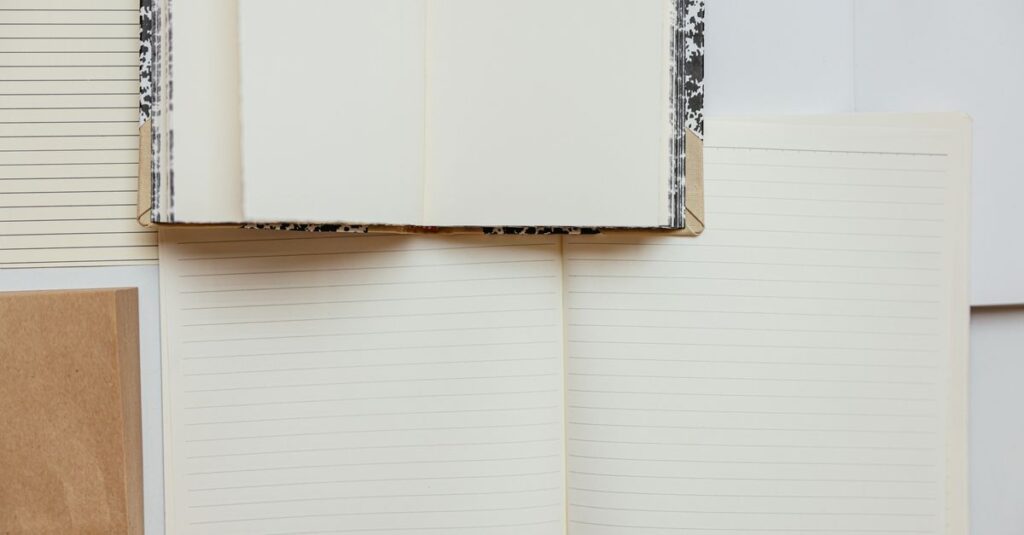
- Ruling types: single ruled, double ruled, four ruled, unruled, cross ruled, and more
- Binding options: stitched, spiral, perfect binding
- Paper quality: mostly 54 GSM writing paper — smooth, no ghosting
I mentioned the confusion earlier. So let me be direct: if you're buying notebooks, call them notebooks. If you want loose paper, call it A4 sheets or A4 paper. It saves everyone a headache.
But honestly? The industry hasn't settled on one term. And I don't see that changing anytime soon.
Bulk Buying A4 Copies: What Most Buyers Get Wrong
I've been in manufacturing since 1985. That's four decades of watching people make the same mistakes when ordering a4 copies in bulk. Let me save you some trouble.
Mistake 1: Assuming All A4 Notebooks Are the Same
They aren't. Paper quality varies. Binding quality varies. Cover thickness varies. I've seen notebooks that fall apart in two weeks and notebooks that last two years. You pay for what you get.
Mistake 2: Ignoring GSM
GSM is grams per square meter — it measures paper thickness. Most standard notebooks use 54 GSM. Cheap ones use 45 GSM. Premium ones go up to 70 or 80. If you're buying for students who write on both sides, don't go below 54 GSM. The ink will bleed through.
Mistake 3: Not Checking Binding
Stitched binding lasts longer. Perfect binding looks cleaner but can crack. Spiral binding lets the notebook lay flat but the pages can tear out. There's no single best option — it depends on how the notebook will be used.
Look, I'll be honest with you. Most bulk buyers I meet don't think about any of this until there's a problem. Then they're calling me at 7pm asking if we can rush an order. We do it. But it's easier to get it right the first time.
Here is a comparison table to make this clearer:
| Feature | Standard A4 Notebook | Premium A4 Notebook |
|---|---|---|
| Paper GSM | 54 GSM | 70-80 GSM |
| Binding Type | Stitched or Perfect | Stitched or Spiral |
| Cover Material | 230 GSM paper cover | 300 GSM laminated cover |
| Page Count Options | 52-200 pages | 200-700 pages |
| Best For | School supplies, general use | Corporate diaries, long-term use |
| Cost Efficiency | Higher (bulk pricing available) | Lower per unit, but better durability |
Who Actually Orders A4 Copies in Bulk?
Three types of buyers walk through our doors — metaphorically speaking, since most orders come over the phone or email.
First are the school procurement managers. They need thousands of notebooks for an academic year. They want consistency, durability, and the lowest price possible. Their biggest fear: notebooks arriving with pages falling out in week two. It happens more than you think.
Second are corporate offices. They order A4 notebooks for internal use — meeting notes, project planning, that kind of thing. They care less about price and more about branding. Logo on the cover. Matching colour scheme. Professional look.
Third are the wholesalers and distributors. They buy in truckloads and sell to retailers. Their question is always the same: "Can you do private label?"
Here is a story I keep thinking about.
Rajesh, 34, runs a stationery distribution business in Visakhapatnam. He called me last June. Said he needed 20,000 A4 notebooks delivered in three weeks. I told him that was tight. He said he knew, but the school order came late. The thing about Rajesh is — he never asked about paper quality. Never asked about binding. Just wanted the lowest price per unit.
The notebooks went out. Two weeks later, his phone didn't stop ringing. Pages were tearing. Covers were bending. He lost that account. Next time he called, first question was about GSM.
I think about Rajesh whenever someone asks me for the cheapest option.
Expert Insight
I was in a meeting last month with a supplier from overseas. He asked me why Indian notebooks don't use a standard term for A4 size products. I told him the truth — we're a country of a billion people with dozens of languages, and the stationery industry grew up in local markets, not global ones. The term 'copy' comes from the British system. 'Notebook' is more American. We use both. It's messy. But there's something charming about it too, if you let yourself see it that way.
How to Choose a Manufacturer for A4 Copies
This is the part where I could give you a checklist, and I will. But I want to start with something simpler.
Trust your gut.
I know that sounds vague. But the best deals I've seen fall apart because the buyer didn't listen to that quiet feeling that something was off. A manufacturer who won't let you see samples. A quote that's half the market rate. A timeline that sounds too good to be true.
That said, here are the practical things to check:
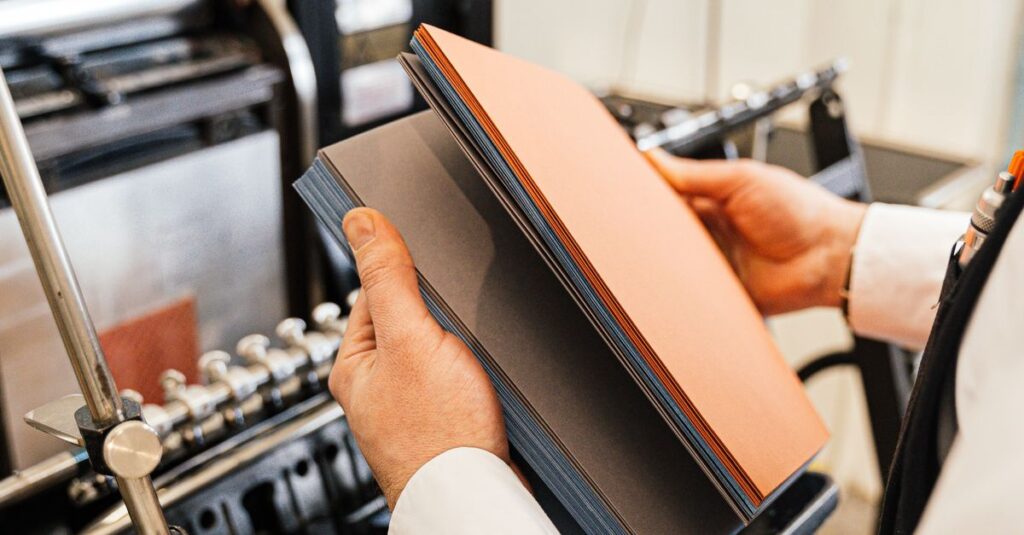
- Ask for physical samples. Don't trust photos. Paper texture, binding strength, cover thickness — these are things you feel, not see.
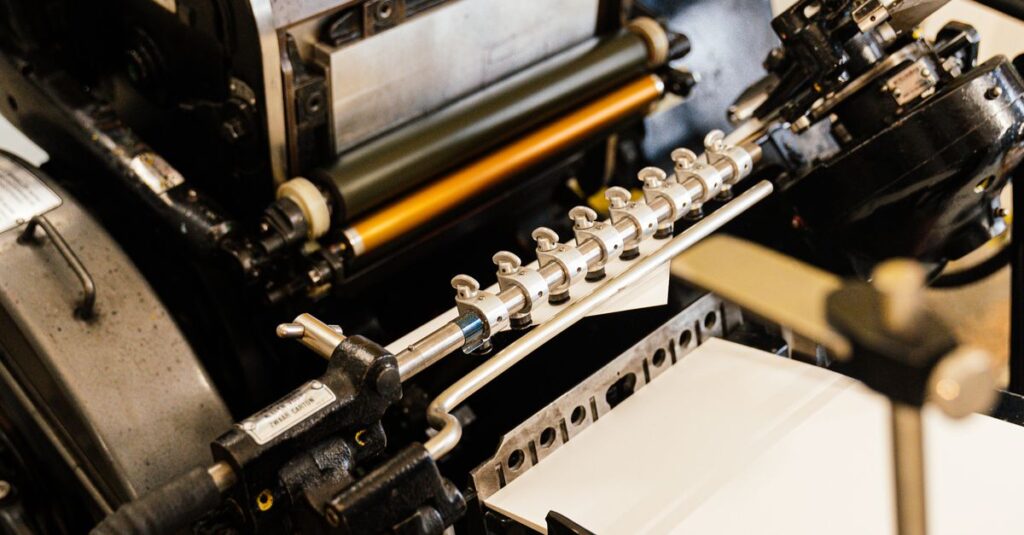
- Check their production capacity. We do 30,000 to 40,000 notebooks a day. If a manufacturer can't handle your volume, they'll outsource. Quality drops.
- Ask about their export experience. Even if you're local, a manufacturer who exports tends to have better quality control. They've been tested by international standards.
- Confirm customization options. Can they print your logo? Do they do embossing? Foil stamping? Private label? If they can only offer one option, you're limited.
I'll say one more thing. Most people don't ask about the binding machine. But I'd rather you ask that than not. A stitched binding machine that's calibrated wrong will ruin an entire batch. We know because we've had that happen. Twice. You learn.
The Cost Factor: What Affects A4 Copy Pricing?
Everyone wants to know the price. But price depends on so many variables that giving a number without context is almost misleading.
Paper cost is the biggest factor. Paper prices fluctuate with the market. When pulp prices go up, everyone adjusts. When they drop, some manufacturers hold their prices. We pass on savings when we can.
Binding method matters too. Stitched binding is faster and cheaper per unit. Perfect binding requires more equipment and skill. Spiral binding needs wire, which has its own supply chain.
Customization adds cost. A plain notebook with a solid colour cover is cheaper than a foil-stamped, embossed, private-labelled product. That's just the reality.
Volume discounts exist. The more you order, the lower the per-unit cost. But there's a catch: at very high volumes, quality control becomes harder. You need a manufacturer who inspects every batch, not just the first one.
And shipping. People forget shipping. Bulk A4 notebooks are heavy. Shipping from Rajahmundry to Mumbai costs different than shipping to Dubai. We export to Gulf countries, Africa, USA, UK, Europe, and Australia — so we know the logistics. But it adds to the final number.
I don't think there's a single right price for A4 copies. There's just the right balance for your specific situation.
Frequently Asked Questions
What are A4 copies exactly?
In the notebook industry, "A4 copies" usually means A4 size notebooks — 210mm x 297mm. Some buyers use the term for loose A4 sheets too. If you're ordering in bulk, clarify with the manufacturer whether you need bound notebooks or loose paper.
How many pages are in a standard A4 copy notebook?
It varies. Common page counts for A4 notebooks are 52, 92, 200, 240, 320, and 700 pages. Schools typically order 52 to 92 pages. Corporate diaries often use 200 pages or more. We manufacture all these options at our factory.
Can I get custom printed A4 copies with my logo?
Yes. We offer logo printing, embossing, foil stamping, and custom cover design for A4 notebooks. We also do private label and OEM manufacturing. You can send us your design or work with our team to create one.
What is the minimum order quantity for bulk A4 copies?
Minimum order quantities depend on the customization level. Plain notebooks can be ordered in smaller batches. Custom printed notebooks typically require larger runs. We can discuss your specific needs — just call us at +91-8522818651 or email support@sriramanotebook.com.
How long does it take to manufacture and deliver bulk A4 copies?
Production time depends on volume and customization. Standard orders of 10,000 notebooks take about 2 to 3 weeks. Large export orders can take longer. We recommend placing orders at least a month in advance for schools and institutions.
Wrapping This Up
If you're buying a4 copies in bulk, the three things I want you to remember are these: know what you're actually ordering, don't cut corners on paper quality, and work with a manufacturer who has experience.
I've seen too many procurement managers focus only on price and end up with notebooks that fall apart. I've also seen schools that invested a little more and got products that lasted a full academic year. The difference isn't luck. It's knowing what matters.
I don't think there's one perfect formula here. Every buyer has different needs. But if you have questions, I'm available. We've been doing this since 1985, and I'd rather you call me with questions than call me after a problem.
You can reach us at Sri Rama Notebooks — or just pick up the phone. +91-8522818651.