So You’re Looking for the Best Paper Notebooks
Let me guess. You searched “best paper notebooks” — and now you’re drowning in options. Some are expensive. Some are dirt cheap. And honestly, most of them look the same on a screen. But here’s the thing: a good notebook isn’t about the cover. It’s about what happens when you actually put pen to paper. If the ink bleeds, if the pages fall out, if the binding cracks by page 20 — it doesn’t matter how pretty the cover is.
I’ve been in the notebook business since 1985. I’ve seen what holds up and what doesn’t. And if you’re buying in bulk — for a school, a corporate order, or a government tender — you don’t have room for notebooks that fail. You need something that works. Every single time.
That’s what this is about. Not marketing fluff. Just the truth about what makes the best paper notebooks actually worth your money. If this sounds familiar, take a look at what Sri Rama Notebooks has been doing for decades.
What Makes a Notebook “Best”? (Spoiler: It’s Not the Brand)
Most people think a premium brand equals a premium notebook. I disagree. I’ve opened enough notebooks in my life to know that a fancy logo doesn’t stop ink from bleeding through the page. The real test is simpler than that.
Paper Weight Matters More Than You Think
The GSM (grams per square meter) of the paper is the single biggest factor. At 54 GSM, you get a smooth writing experience that works for most school and office use. Go lower, and you’ll see ghosting. Go higher, and the notebook gets heavy and expensive. For bulk buying, 54 GSM to 70 GSM is the sweet spot. I’ve seen 80 GSM notebooks that feel luxurious but crack under daily use. Not worth it for bulk orders.
- Below 50 GSM — Too thin. Ink bleeds.
- 50–70 GSM — Ideal balance for most uses.
- 70–90 GSM — Premium feel, but heavier and pricier.
- Above 90 GSM — Overkill for notebooks. Better for art.
Binding Is the Backbone
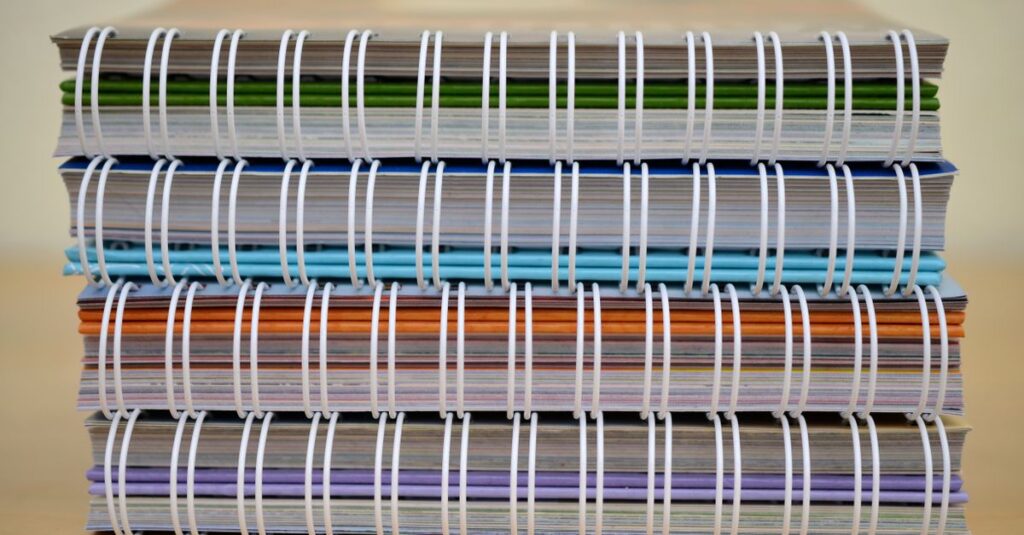
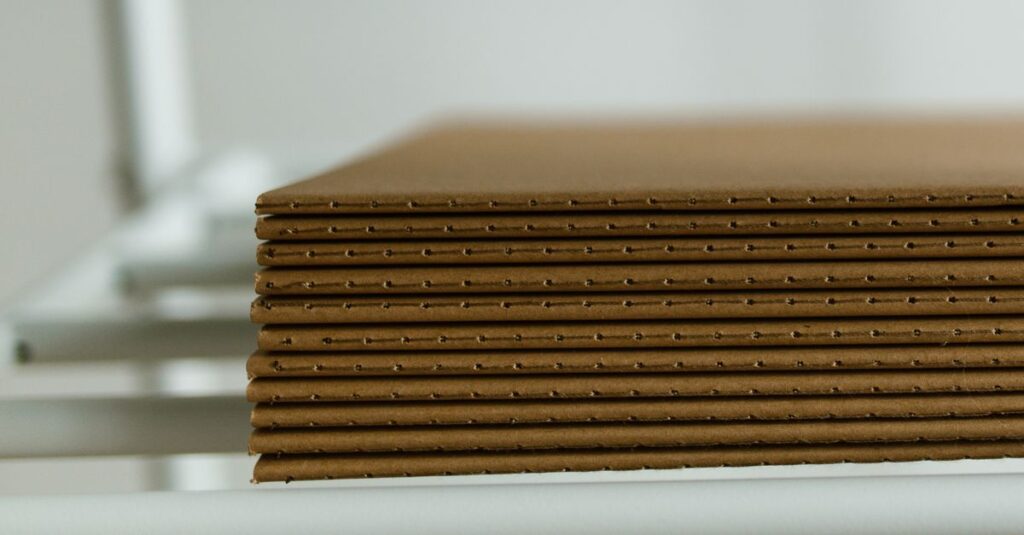
You can have the best paper in the world, but if the binding fails, you’ve got a pile of loose sheets. We use stitched, spiral, and perfect binding at the factory. For school notebooks, stitched binding is non-negotiable. For corporate diaries, perfect binding looks clean but needs careful production.
I once had a client who ordered 10,000 spiral notebooks for a conference. The binding was cheap. By day two, pages were falling out. He didn’t order from that supplier again. Don’t be that guy.
The Paper Quality Debate: Smooth vs. Textured
There’s a quiet war happening in the notebook world. Actually, it’s not even a war — most people don’t know it’s happening. But here’s the truth: the best paper notebooks don’t all feel the same.
Smooth paper feels great with a gel pen. Ink glides. It’s satisfying. But smooth paper also smudges easier, especially with fountain pens. Textured paper has more tooth — it grabs the ink, slows down your writing. Some people hate it. Some people swear by it.
Which is better? Depends on who’s writing. School students using ballpoint pens? Smooth paper is fine. Corporate executives who use fountain pens? Textured paper might be better.
So the real question isn’t which is objectively better. It’s which one your users actually need. And that’s something you can only answer by testing. Don’t guess. Order a sample. Write on it. Then decide.
How Ruling Types Affect the Writing Experience
Ruled. Unruled. Grid. Dot grid. Four lines. This is where most bulk buyers get confused. And honestly, I don’t blame them. There are too many options.
Here’s a quick breakdown of the most common ruling types and when they matter:
| Ruling Type | Best For | Common Users |
|---|---|---|
| Single Ruled (SR) | General writing, notes | Schools, offices |
| Four Ruled (FR) | Handwriting practice | Young students, kindergarten |
| Unruled (UR) | Drawing, sketching | Art students, architects |
| Cross Ruled (CR) | Mathematics, data entry | Engineers, accountants |
| Center Broad Ruled (CBR) | Language learning | ESL students, tutors |
I think the biggest mistake I see is buyers choosing a single ruling type for an entire institution. One size never fits all. If you’re ordering for a school, ask what classes the notebooks will be used for. A math notebook with single ruled pages is a headache for students who need grids. It sounds obvious. But you’d be surprised how often this gets overlooked.
Expert Insight: What I’ve Learned From 40 Years of Making Notebooks
I was sitting in our factory in Rajahmundry last month, watching the binding line run. A machine was stitching notebooks at maybe 40 a minute. And I remembered something my father told me in the 90s — he said the best paper notebooks aren’t the ones with the thickest covers. They’re the ones where the paper holds up after a year in a student’s bag.
He was right. I’ve seen notebooks with embossed leather covers that fell apart because the paper was cheap. And I’ve seen simple, no-brand notebooks that survived an entire school year. The difference is always the paper and the binding. Always. I don’t have a fancier way to put it.
A Real Story: How One School Lost Money on Bad Notebooks
Ravi, 42, is a procurement officer for a chain of schools in Vijayawada. He ordered 15,000 notebooks from a new supplier last year. The price was unbeatable. He thought he’d saved the school thousands. By October, the spiral bindings were snapping. Kids were complaining. Parents were calling. He had to reorder from a different supplier mid-year. The total cost ended up higher than if he’d just bought quality notebooks from the start.
He called me in December. “I should have checked the binding first,” he said. I didn’t say “I told you so.” But we both knew.
What to Look for When Buying Notebooks in Bulk
If you’re a procurement manager reading this, you’re probably juggling a dozen other things right now. But I’ll tell you the three things that matter most when ordering the best paper notebooks at scale.
- Ask for a sample before you commit. Paper and binding feel different in your hands than on a spec sheet. Get a physical sample. Write on it. Bend it. Drop it. See if it survives a week in a bag.
- Check the GSM and paper source. Some manufacturers cut corners with recycled paper that feels rough. Good 54 GSM wood-free paper is the standard for a reason. It works. Don’t let them upsell you on fancy paper you don’t need.
- Verify the binding method. Stitched notebooks last longer than perfect bound ones, especially for students. Spiral is good for notebooks that need to lay flat. Know your use case before you order.
And honestly? Don’t overthink it. The best paper notebooks are the ones that hold up. Everything else is decoration.
Frequently Asked Questions
What GSM paper is best for notebooks?
54 to 70 GSM is ideal for most school and office notebooks. It’s thick enough to prevent ink bleed, but light enough to keep the notebook portable. Higher GSM adds weight and cost without much benefit for everyday writing.
How do I know if a notebook has good binding?
Open the notebook fully and press it flat. If the pages stay secure and the spine doesn’t crack, the binding is decent. For stitched notebooks, check that the stitching is tight and even across all sections.
What’s the difference between stitched and perfect binding?
Stitched binding uses thread to physically sew pages together. It’s stronger and lasts longer. Perfect binding uses glue to hold pages. It looks cleaner but can fail over time, especially with heavy use.
Can I get custom ruling on bulk notebook orders?
Yes, most manufacturers including Sri Rama Notebooks offer custom ruling. You can choose single, double, four-line, grid, or unruled. Just specify your requirements when placing the order.
What size notebook is best for students?
King size (23.6 cm × 17.3 cm) and Long size (27.2 cm × 17.1 cm) are the most practical for students. They offer enough writing space without being too bulky. A4 is better for older students who need more room per page.
So What’s the Bottom Line?
Here’s what I know after all these years. The best paper notebooks aren’t the most expensive ones. They’re the ones made with honest materials — decent paper, solid binding, and a manufacturer who actually knows what they’re doing. If you’re buying for a school or a company, don’t get distracted by packaging or discounts. Get the sample. Test it.
I don’t think there’s one perfect notebook for everyone. But if you’re looking for something that just works — day after day, page after page — you already know what matters. You just need a manufacturer who delivers it consistently. That’s harder to find than it should be. But it’s out there. If you want to talk specifics, Sri Rama Notebooks has been making them since 1985.